Ask most people how many visa-free countries for Indian passport holders there are, and they will guess low. The real answer, in 2026, is 55 — destinations you can reach without applying for a visa in advance, without a consulate queue, and often on a few weeks' notice.
That matters, because there is a particular kind of disappointment that comes from falling in love with a destination, planning it out in your head, and then discovering the visa needs eight weeks, a bank statement, a covering letter and a trip to a consulate three cities away. Most of us have been there.
It is avoidable more often than people realise. The Indian passport now reaches 55 destinations without a visa applied for in advance — either genuinely visa-free, on arrival, or through an electronic travel authorisation you can sort out on your phone. India climbed to 80th on the Henley Passport Index this year, up from 85th, and the practical effect is that a good chunk of the world is now bookable on a few weeks' notice instead of a few months'.
This is the full list, sorted honestly — because "visa-free" gets used very loosely online, and the difference between the three categories matters when you are standing at an immigration counter.
Visa-free, visa-on-arrival and e-visa are not the same thing
Almost every listicle blurs these together. Here is the distinction that actually affects your trip.
Visa-free means you board the plane with nothing but your passport and a return ticket. No form, no fee, no approval. This is the real thing.
Visa-on-arrival (VOA) means you land, join a queue, fill in a form, usually pay a fee, and get stamped in. You do not need approval before flying — but you do need to meet the conditions, and an immigration officer can, in principle, say no. Bring printed hotel bookings and a return ticket.
e-Visa / ETA means you apply online before you fly, usually with a small fee and a 24-hour to 5-day turnaround. Not visa-free, but not a consulate visit either. Miss this step and the airline will not let you board.
The rest of this guide keeps them separate, because being turned away at check-in for confusing the second with the third is a genuinely awful way to start a holiday.
Visa-free countries for Indian passport holders (2026)
These are the ones you can, in principle, fly to tomorrow.
Asia and the Pacific: Nepal, Bhutan, Thailand, Malaysia, Kazakhstan, Macao (SAR China), Fiji, Cook Islands, Kiribati, Micronesia, Niue, Vanuatu.
Africa and the Indian Ocean: Mauritius, Rwanda, Senegal, Angola.
The Caribbean: Barbados, Dominica, Grenada, Jamaica, Haiti, Montserrat, British Virgin Islands, St Vincent and the Grenadines, Trinidad and Tobago.
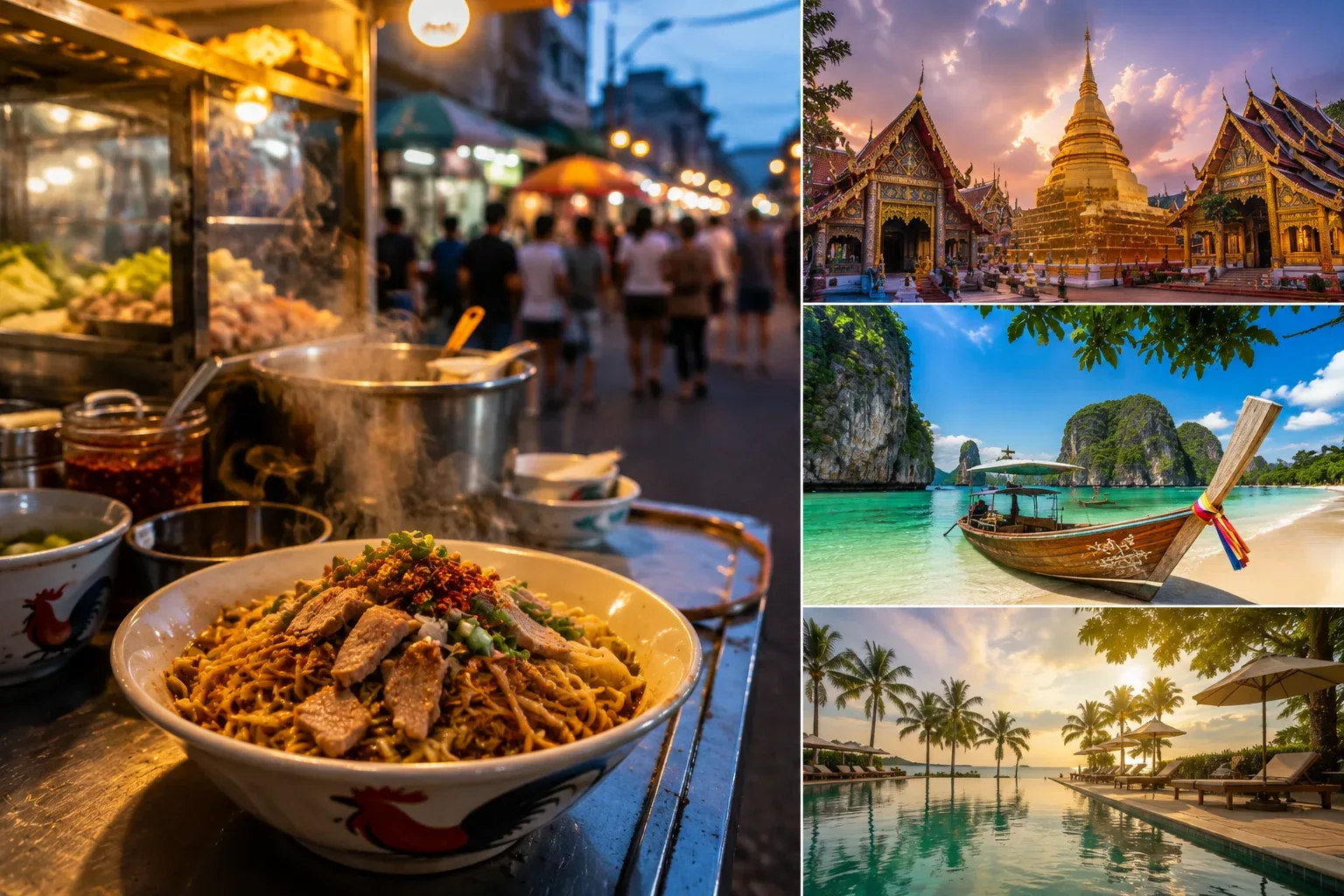
Stay limits vary a great deal. Nepal is effectively unlimited for Indian citizens. Mauritius allows up to 90 days. Thailand currently permits a 60-day visa-free stay, which is unusually generous and one of the reasons it has become the default first international trip for so many Indian travellers. Malaysia allows 30 days.
Visa-on-arrival and ETA destinations
These need no advance consulate visit, but do need something from you — a form at the border, or a quick online authorisation.
Asia: Indonesia (VOA — this is how you get into Bali), Maldives (free VOA), Sri Lanka, Cambodia, Laos, Myanmar (ETA), Mongolia, Timor-Leste, the Philippines, Qatar, Jordan.
Africa: Kenya (ETA), Tanzania, Ethiopia, Zimbabwe, Mozambique, Madagascar, Seychelles (ETA), Cape Verde, Djibouti, Burundi, Sierra Leone, Guinea-Bissau, Somalia, Comoros.
The Pacific and Caribbean: Samoa, Palau, Marshall Islands, Tuvalu, St Kitts and Nevis (ETA), St Lucia.
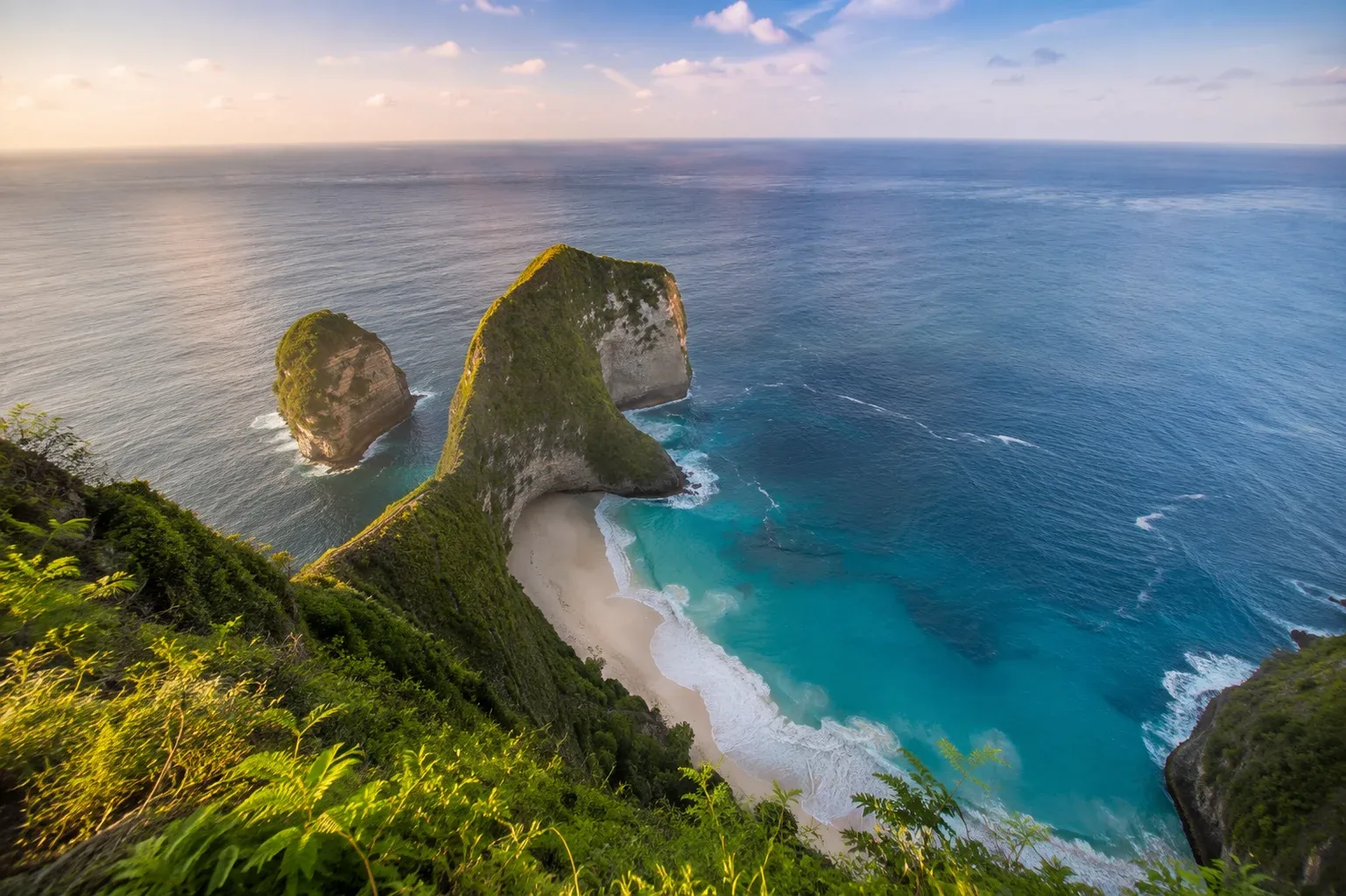
Two of these deserve calling out. The Maldives gives Indian passport holders a free 30-day visa on arrival, with no fee at all — you simply need a confirmed hotel booking, a return ticket and a valid passport. And Indonesia's 30-day VOA (extendable once) is why Bali remains one of the easiest long-haul-feeling holidays an Indian traveller can take on short notice.
What the border will actually ask you for
Visa-free does not mean condition-free. Whichever category you are travelling under, assume you will be asked for some combination of the following, and carry it printed rather than buried in your email:
- A passport with at least six months' validity remaining beyond your date of entry. This is the single most common reason Indian travellers get stopped, and it is entirely avoidable.
- A confirmed return or onward ticket. Immigration officers want evidence you intend to leave.
- Proof of accommodation for at least the first few nights.
- Sufficient funds — a recent bank statement or a couple of international cards.
- Increasingly, travel insurance, which some countries now require outright and which you should carry regardless.
Two blank pages in the passport is also a quiet, boring requirement that trips people up more often than it should.
So where should you actually go?
A list of 55 countries is not a plan. Here is how it narrows down for most people.
If you want a beach and you want it soon
The Maldives is the obvious answer, and the free visa on arrival makes it almost frictionless — a four-hour flight, no paperwork, and you are on a resort island. Thailand is the value alternative: 60 days visa-free, cheap flights, and beaches from Phuket to Koh Samui that cost a fraction of what the equivalent looks like in the Indian Ocean. Both are covered in more depth on our beach holidays page.
If it is a honeymoon
Maldives and Bali are the two that dominate Indian honeymoon bookings, and for good reason — both are visa-light, both do private-pool villas properly, and they sit at very different price points, which means almost every budget has a version of the trip. We have written a full comparison of the two, and our honeymoon packages cover both.
If you have a long weekend and nothing else
Kazakhstan is the underrated one — visa-free, a four-hour flight from Delhi, and Almaty in autumn is genuinely beautiful. Malaysia and Singapore pair naturally into a single short trip. And Nepal remains the cheapest international stamp an Indian passport can collect.
If you want wildlife
Kenya and Tanzania both run on straightforward electronic authorisations rather than embassy visas, which surprises people — an African safari is administratively easier than a week in Europe.
The big ones that are still not visa-free
It is worth being clear about the gaps, because a lot of Indian travel content is vague on this point in a way that helps nobody.
The UAE is not visa-free. Dubai requires a visa arranged in advance for most Indian passport holders, though it is quick, entirely electronic, and we handle it as part of the package.
Vietnam is not visa-free either. It runs an official e-visa applied for online before travel — straightforward, but a step you cannot skip. Our Vietnam guide covers the process in detail.
Europe requires a Schengen visa, and it is the one worth starting early: apply six to eight weeks out in peak season, and expect to produce bank statements, insurance and confirmed bookings. France and the rest of the Schengen zone are absolutely worth the paperwork — just do not leave it to the last minute.
Japan generally requires a tourist visa for Indian citizens, applied for in advance. Again: worth it, but plan for it. See our Japan packages.
One honest warning
Visa policy is the most volatile information in travel. Countries suspend visa-free entry, reinstate it, change fees and rewrite conditions with very little notice, and every list on the internet — including this one — is a snapshot rather than a guarantee.
Before you book anything, confirm the current rule on the destination's own immigration website or with its embassy in India. The Ministry of External Affairs also maintains guidance for Indian travellers. If you are booking through us, we do this check for you as a matter of course, and we will tell you plainly if a destination has changed its rules since you last looked.
Ready to use one of these? Browse our holiday packages or tell us what you have in mind and we will build the trip around your dates, your budget and — where it matters — your paperwork.
Sources: Ministry of External Affairs, Government of India; Henley Passport Index 2026. Last verified July 2026.
Frequently Asked Questions
How many countries can Indians visit without a visa in 2026?
Is Thailand visa-free for Indian passport holders?
Do Indians need a visa for the Maldives?
Is Bali visa-free for Indians?
Is Dubai visa-free for Indian passport holders?
Do I need a visa for Vietnam?
What is the difference between visa-free and visa-on-arrival?
What documents should I carry even for visa-free countries?
Planning this trip?
Tell us your dates and budget. Our experts will build the itinerary around you — no obligation, no pressure.