
Egypt Tour Packages
Your complete Egypt travel guide, plus handpicked holidays crafted by our experts.
Egypt Travel Guide
No country on earth carries history quite like Egypt. Here you can stand in the shadow of the Pyramids of Giza — already ancient when Rome was founded — descend into a pharaoh's painted tomb in the Valley of the Kings, and then watch the sun set over the Nile from the deck of a slow-moving boat, exactly as travellers have for five thousand years.
Our Egypt tour packages bring together the great temples of Luxor and Aswan, the treasures of the new Grand Egyptian Museum, a classic Nile cruise, the colossi of Abu Simbel, and the coral reefs of the Red Sea. Whether you are chasing pharaohs, diving, honeymooning or travelling with family, every Egypt holiday we create is handcrafted around your pace — with handpicked hotels and cruise boats, private transfers, and expert Egyptologist guides who bring the stones back to life.
Egypt Travel Guide and Tips
Egypt is one of the most rewarding countries you will ever visit — and one where a good guide and a little preparation transform the experience completely.
Getting around
- Domestic flights are the sensible way to cover distance: Cairo to Luxor or Aswan takes about an hour, and Cairo to the Red Sea is quick and cheap.
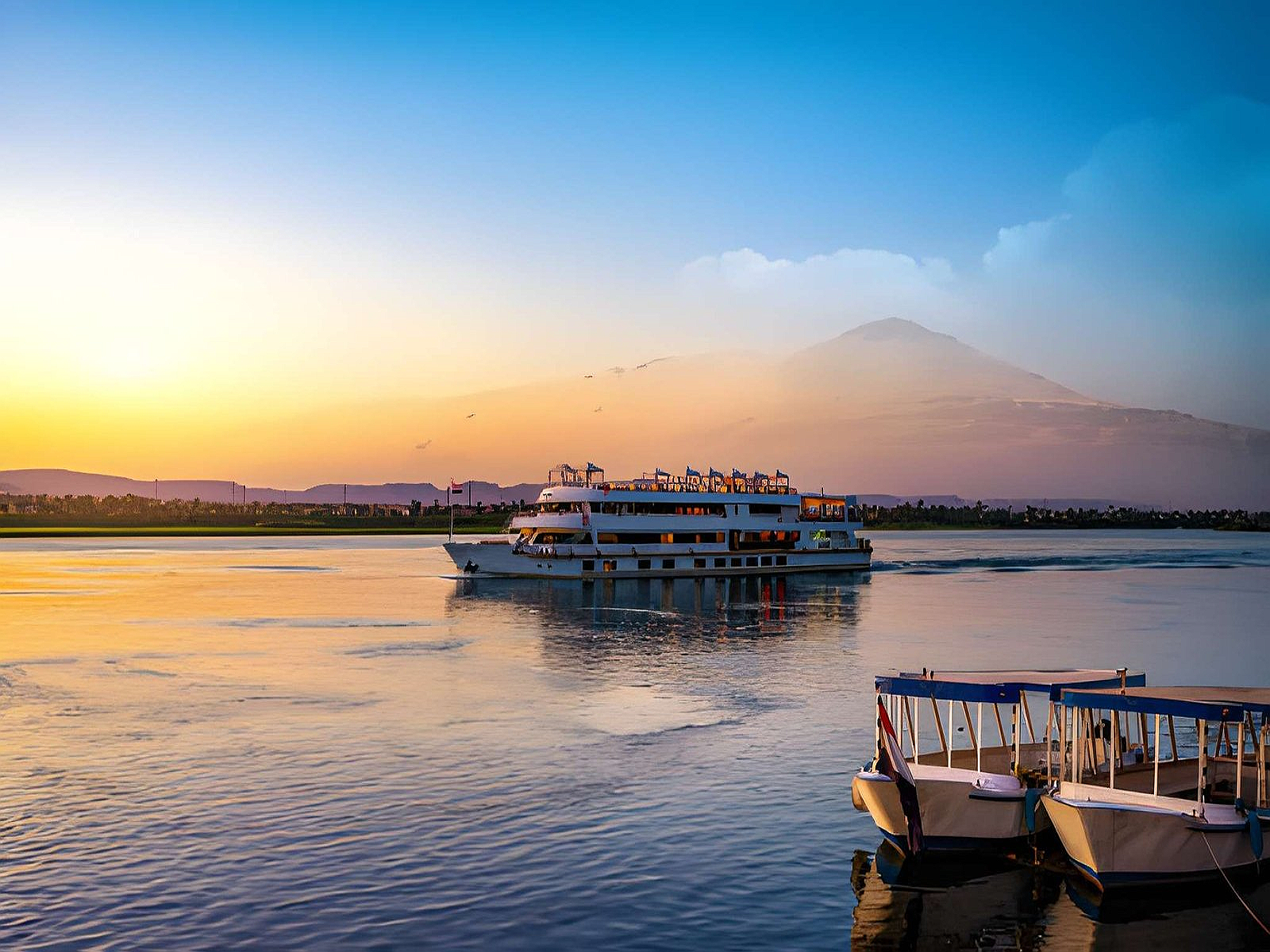
- A Nile cruise between Luxor and Aswan is not just transport — it is one of the great travel experiences, and it removes a lot of driving.
- Private car with a driver and guide is how we run most Egypt itineraries. Cairo traffic is legendary, and a good Egyptologist is worth every penny at the temples.
- The sleeper train from Cairo to Luxor/Aswan is an atmospheric old-fashioned option.
- Uber and Careem both work well in Cairo.
Money and baksheesh
The currency is the Egyptian Pound (EGP). Cards work in hotels and better restaurants, but Egypt runs on cash. Crucially, understand baksheesh — small tips are woven into daily life, for the man who opens a door, points out a detail or watches your shoes. Carry a thick stack of small notes. It is not a scam; it is the culture, and having change makes everything smoother.
Practical tips
- Hire a licensed Egyptologist guide. The difference between "old stones" and a story you never forget is entirely down to your guide.
- Dress modestly — light, loose, long clothing. It is also far more comfortable in the heat.
- Sun protection is essential: hat, sunglasses, high-factor sunscreen and far more water than you think.
- Expect persistent sellers at the major sites. A firm, friendly "la, shukran" (no, thank you) and continuing to walk works.
- Drink bottled water only.
- Power is 220V, European two-pin plugs (Type C/F).
- Two words go a long way: shukran (thank you) and salaam alaikum (peace be upon you).
Geography of Egypt
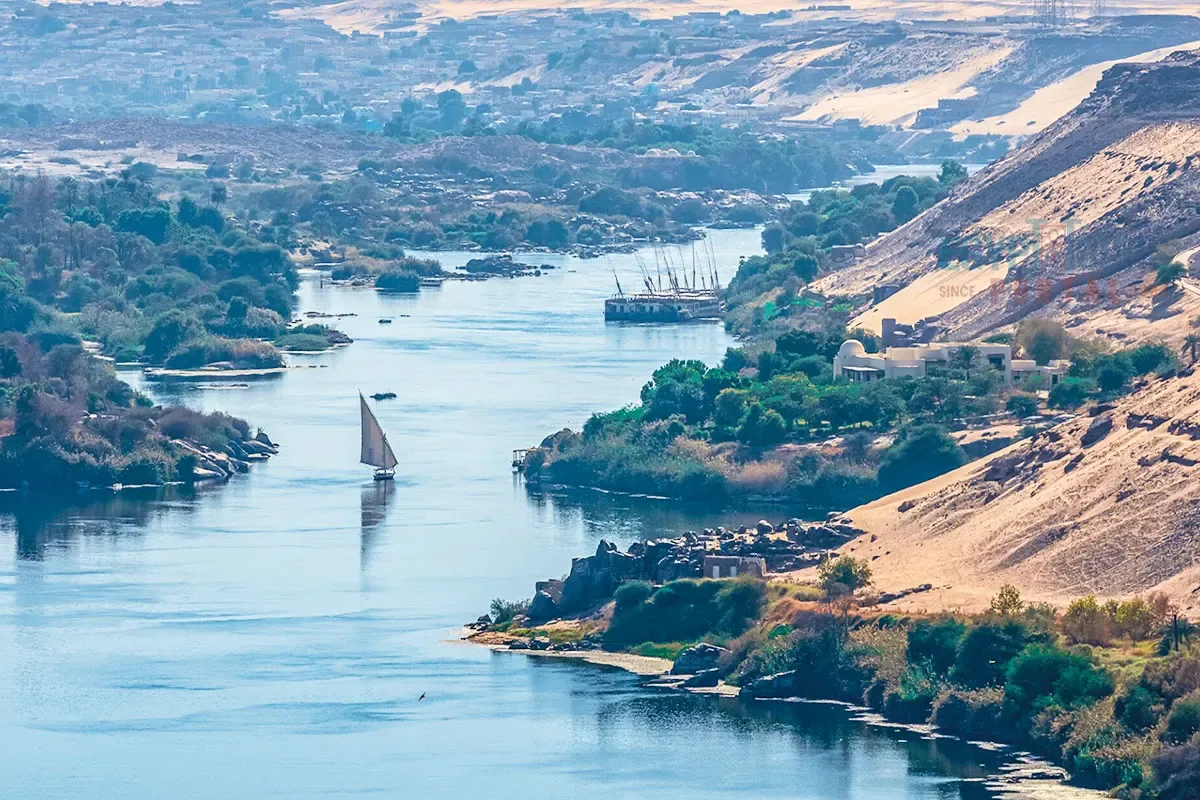
Egypt sits in the northeast corner of Africa, with the Mediterranean Sea to the north and the Red Sea to the east. It borders Libya to the west, Sudan to the south, and Israel and Gaza to the northeast. The Sinai Peninsula is technically in Asia, which makes Egypt a transcontinental country — the land bridge between Africa and the Middle East.
Egypt covers roughly one million square kilometres, but the arithmetic that really matters is this: about 95% of the country is desert, and almost the entire population lives on the remaining sliver of green — the banks of the Nile and its delta.
The land
- The Nile — the longest river in the world flows some 1,500 km through Egypt from south to north, and it is the reason Egypt exists. Herodotus called Egypt "the gift of the Nile", and he was right.
- The Nile Delta — the vast, fertile fan north of Cairo where the river fractures and meets the Mediterranean.
- The Western Desert — a huge, empty expanse of sand seas and oases: Bahariya, Siwa, and the surreal chalk formations of the White Desert.
- The Eastern Desert & Red Sea coast — rugged mountains dropping to some of the finest coral reefs on the planet.
- Sinai — a triangle of stark mountains and dive resorts, crowned by Mount Sinai and Mount Catherine (2,629 m), Egypt's highest peak.
Climate of Egypt
Egypt has a hot desert climate: enormous amounts of sunshine, very little rain, and a genuinely large swing between the seasons — and between the north and the south.
Winter (November to March) — the best time
Warm, dry and comfortable. Cairo sits around 18°C to 22°C by day; Luxor and Aswan are warmer at 23°C to 27°C ‚Äî perfect for walking around temples. Nights and early mornings can be genuinely chilly, especially in the desert and on a cruise deck, so bring a jacket.
Summer (June to August)
Extremely hot, particularly in Upper Egypt: Luxor and Aswan regularly reach 40°C to 45°C. Sightseeing means very early starts and long afternoon rests. It is the cheapest season, and the Red Sea resorts still work well ‚Äî but this is not the time for a temple-heavy itinerary.
Spring & autumn (April–May, September–October)
Pleasant shoulder seasons with fewer crowds. Watch for the khamsin — hot, dusty desert winds that can blow up sandstorms between roughly March and May.
The coasts
Alexandria and the Mediterranean are milder and see some winter rain. The Red Sea (Hurghada, Sharm el-Sheikh, Marsa Alam) is warm and swimmable all year, and is at its most pleasant from October to May.
Culture of Egypt
Egyptians carry two identities with equal pride: heirs to the pharaohs, and citizens of a deeply Arab, deeply Muslim modern nation. Both are on display everywhere.
The great majority of Egyptians are Sunni Muslims, and the call to prayer punctuates the day. Egypt is also home to the Coptic Orthodox Church — one of the oldest Christian communities on earth, dating back to the first century — and Coptic churches, festivals and traditions are woven into the fabric of the country.
What you will notice
- Hospitality — Egyptians are warm, funny and endlessly curious. Expect to be offered tea. Accept it.
- Ahwas (coffee houses) — the social heart of every neighbourhood: mint tea, backgammon, shisha and conversation that runs late.
- Baksheesh — small tips for small services. Ubiquitous, and best met with good humour and small notes.
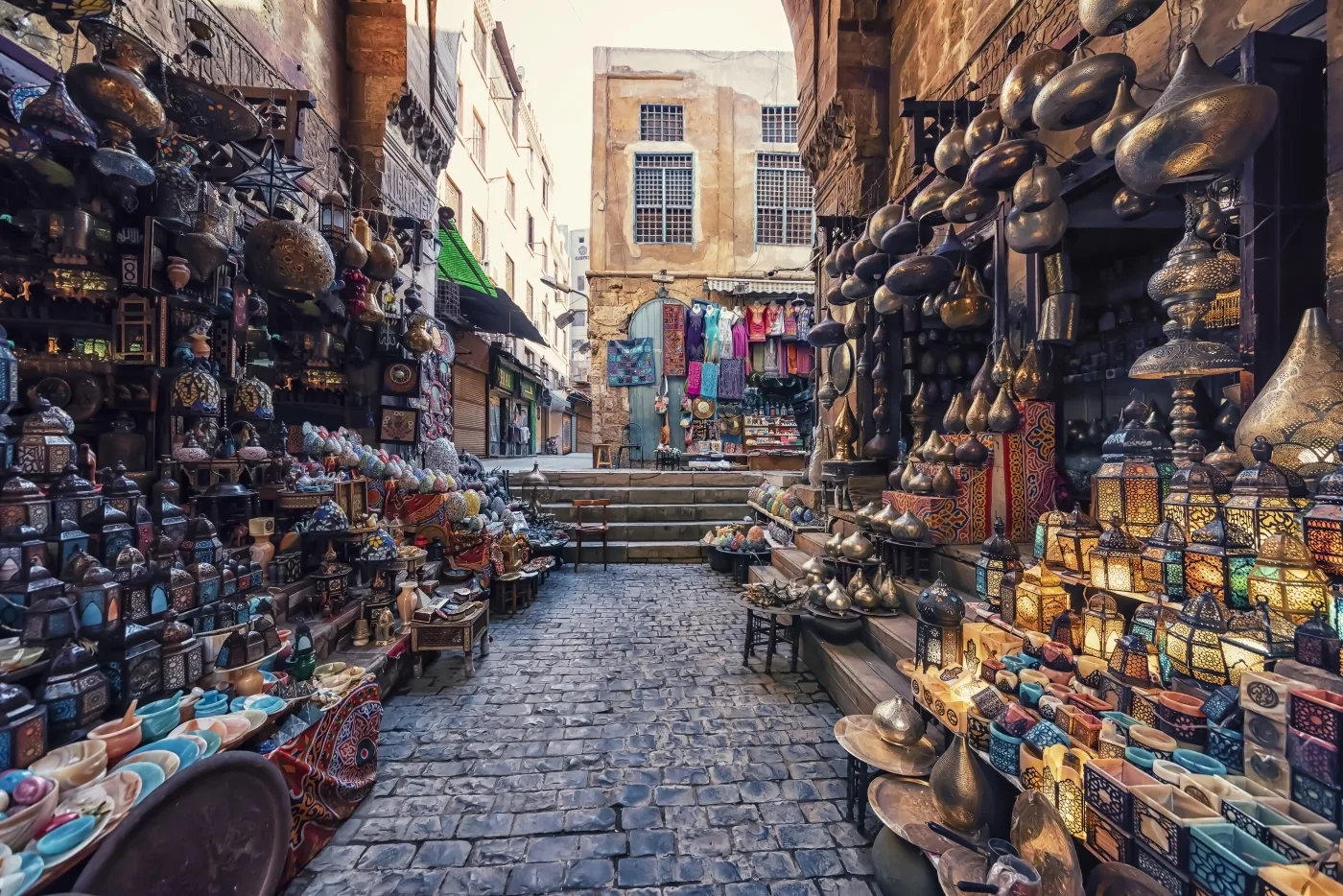
- Bargaining — expected in the bazaars, and treated as a sociable game rather than a fight. Start low, smile, and be willing to walk away.
- Family and community — the centre of Egyptian life, and the reason the country feels so alive.
- Cairo, the culture capital — the historic engine of Arab cinema, music and literature.
Egypt Tourism
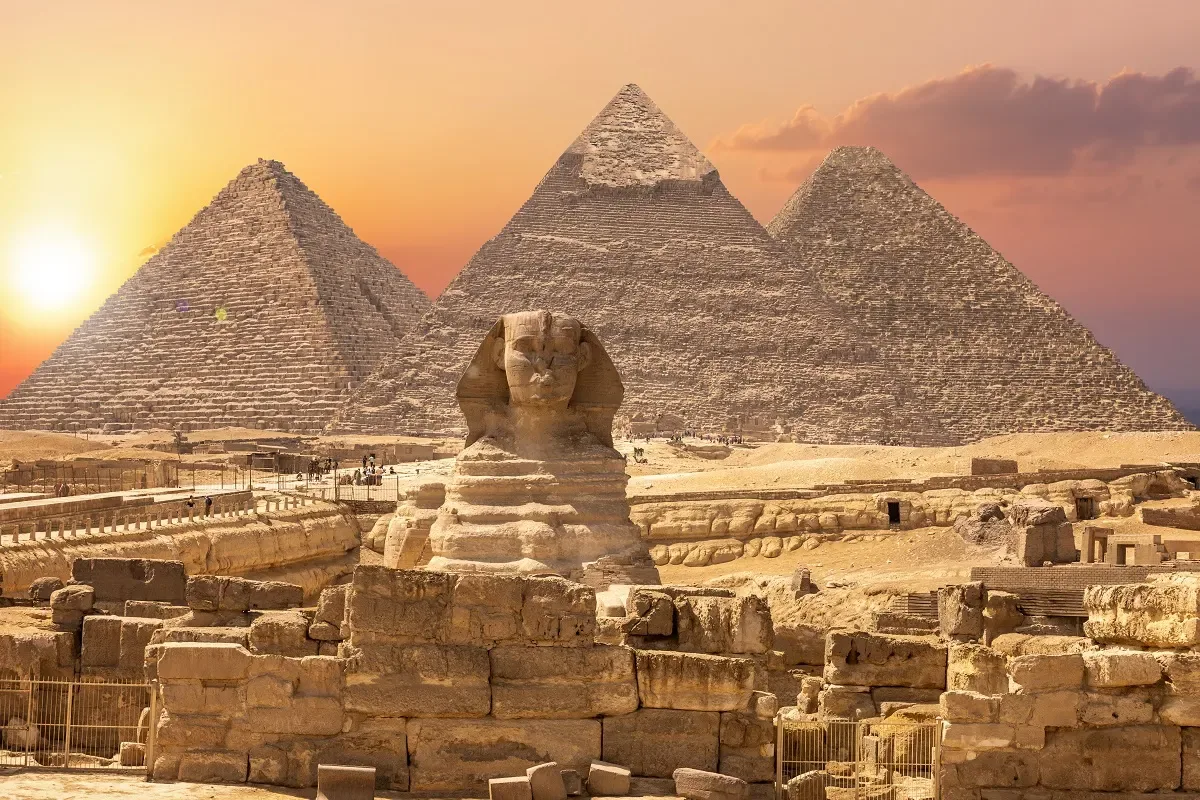
Egypt is the birthplace of monumental tourism — people have been coming to gawp at the pyramids since ancient Greek times. Today it offers an extraordinary combination: the world's greatest concentration of ancient monuments, a legendary river journey, and world-class diving, all in one country.
Egypt has seven UNESCO World Heritage Sites, including:
- Memphis and its Necropolis — the Pyramids of Giza, Saqqara and Dahshur.
- Ancient Thebes — Luxor: Karnak, Luxor Temple and the Valley of the Kings.
- Nubian Monuments — from Abu Simbel to Philae, famously rescued from the rising waters of Lake Nasser.
- Historic Cairo — the medieval Islamic city of mosques, madrasas and markets.
- Saint Catherine Area — the ancient monastery at the foot of Mount Sinai.
- Wadi Al-Hitan (Whale Valley) — fossils of prehistoric whales, out in the desert.
The Grand Egyptian Museum
The long-awaited Grand Egyptian Museum beside the Giza plateau is now the largest archaeological museum in the world, and the home of the complete Tutankhamun collection. It is, on its own, worth the trip.
And the Red Sea
Egypt's Red Sea coast offers some of the best-value diving and snorkelling anywhere — warm, clear water, spectacular coral and wrecks, and easy year-round flights.
Things to Do in Egypt
Egypt is a country of genuinely once-in-a-lifetime experiences. These are the ones our travellers never stop talking about.
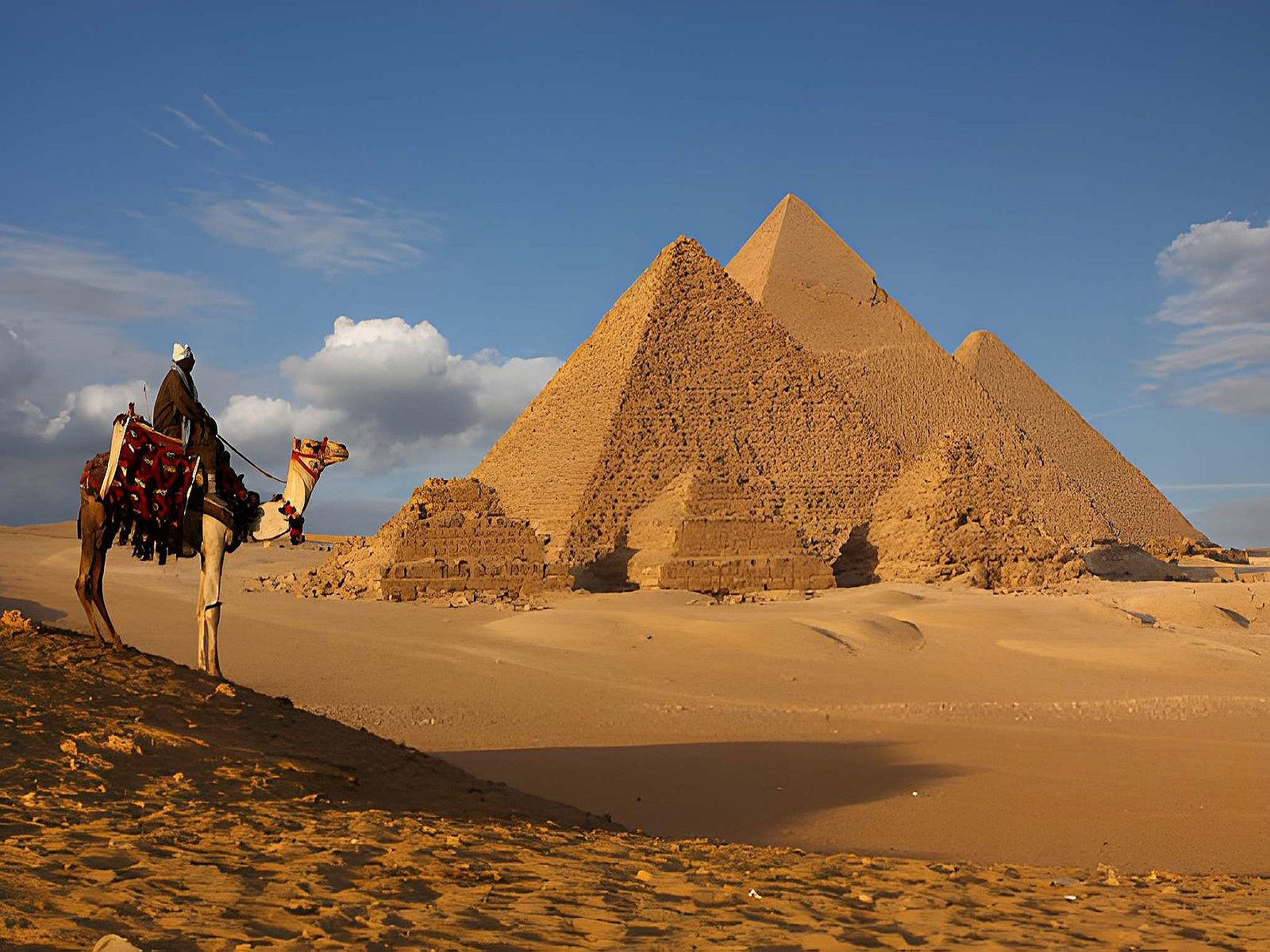
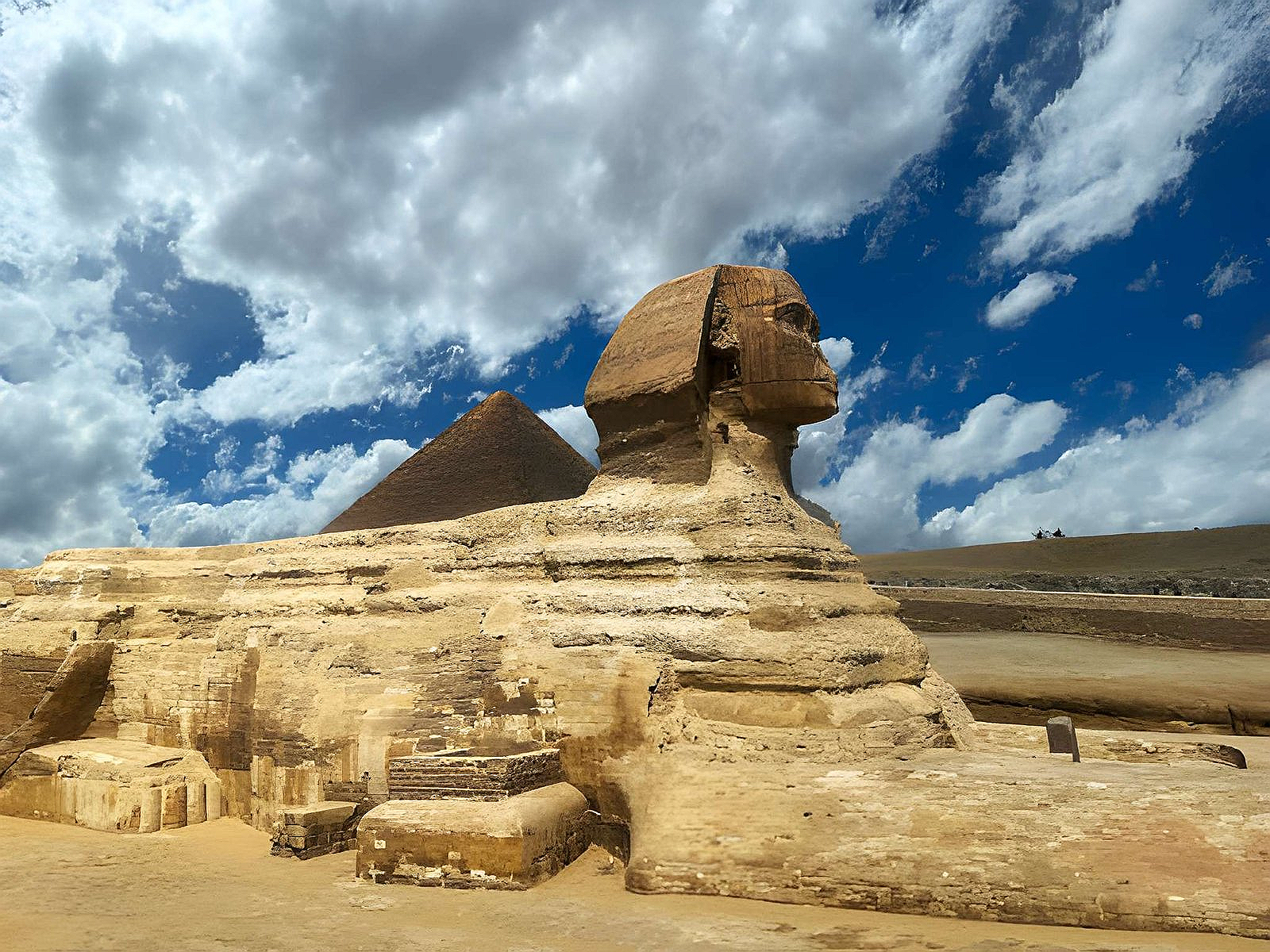
- Stand before the Pyramids of Giza and the Sphinx — nothing prepares you for the scale.
- Explore the Grand Egyptian Museum and come face to face with Tutankhamun's treasures.
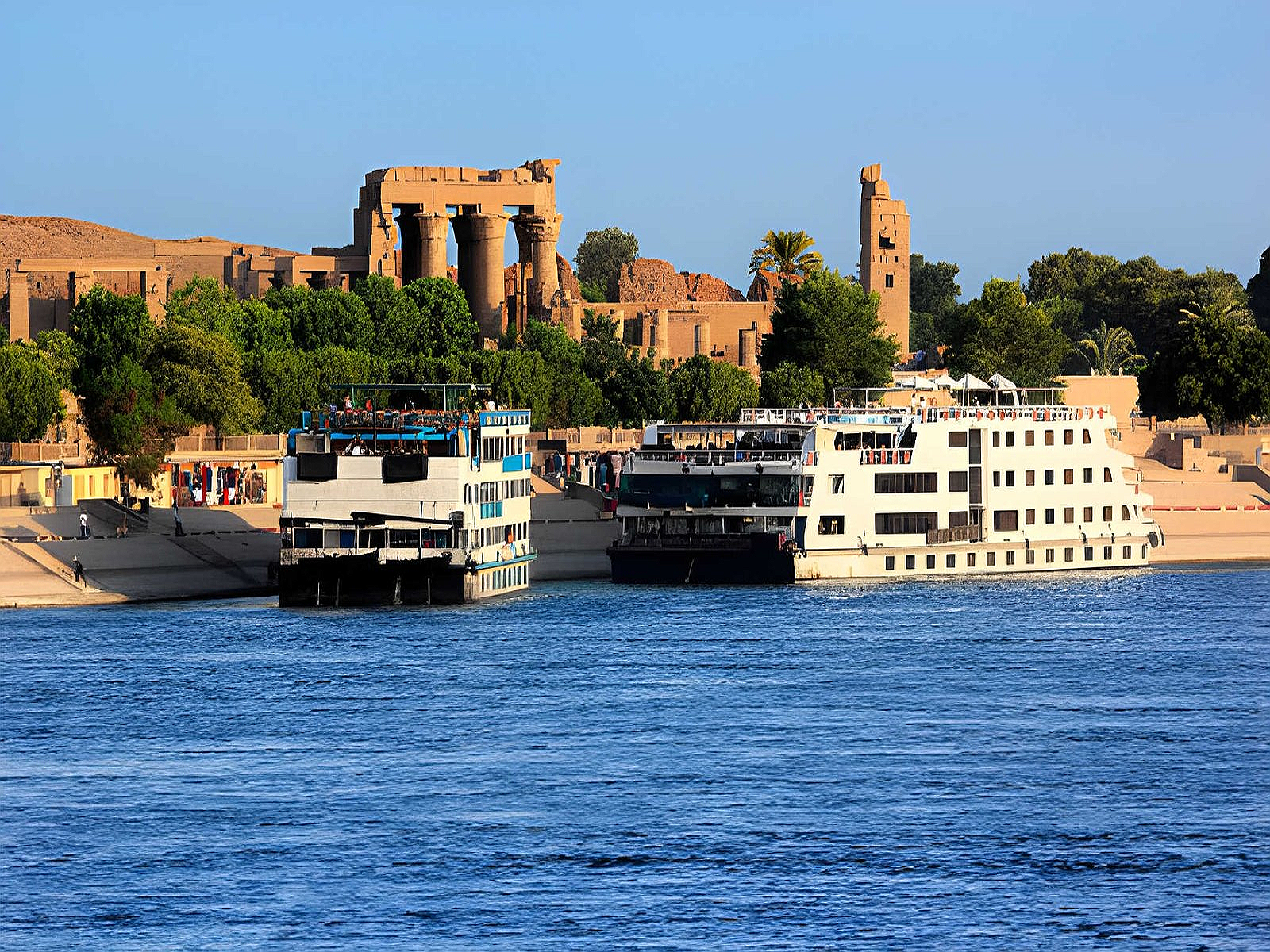
- Take a Nile cruise between Luxor and Aswan, stopping at Edfu and Kom Ombo, watching village life drift past your balcony.
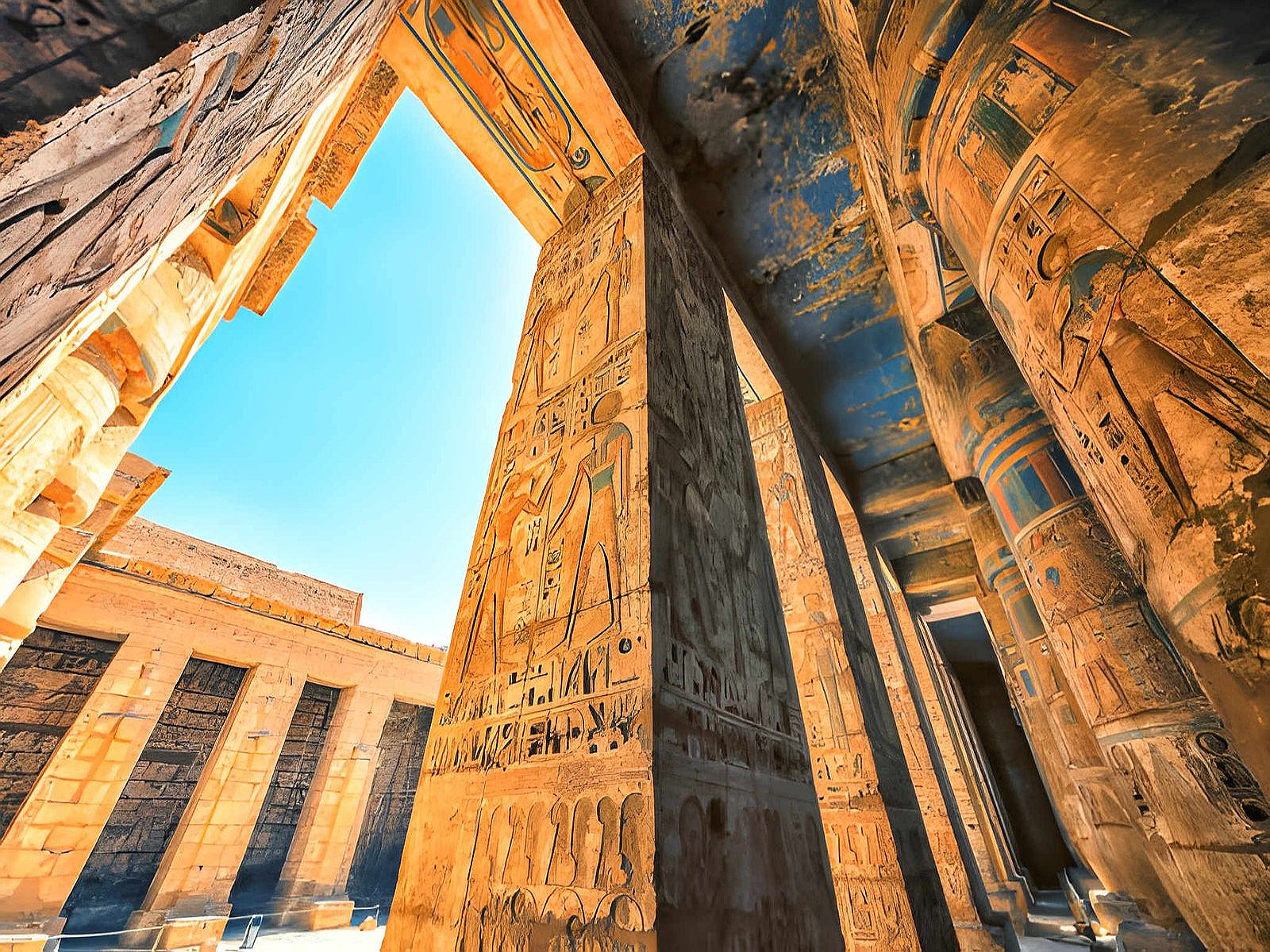
- Descend into the Valley of the Kings and see the colours still bright on the tomb walls after 3,000 years.
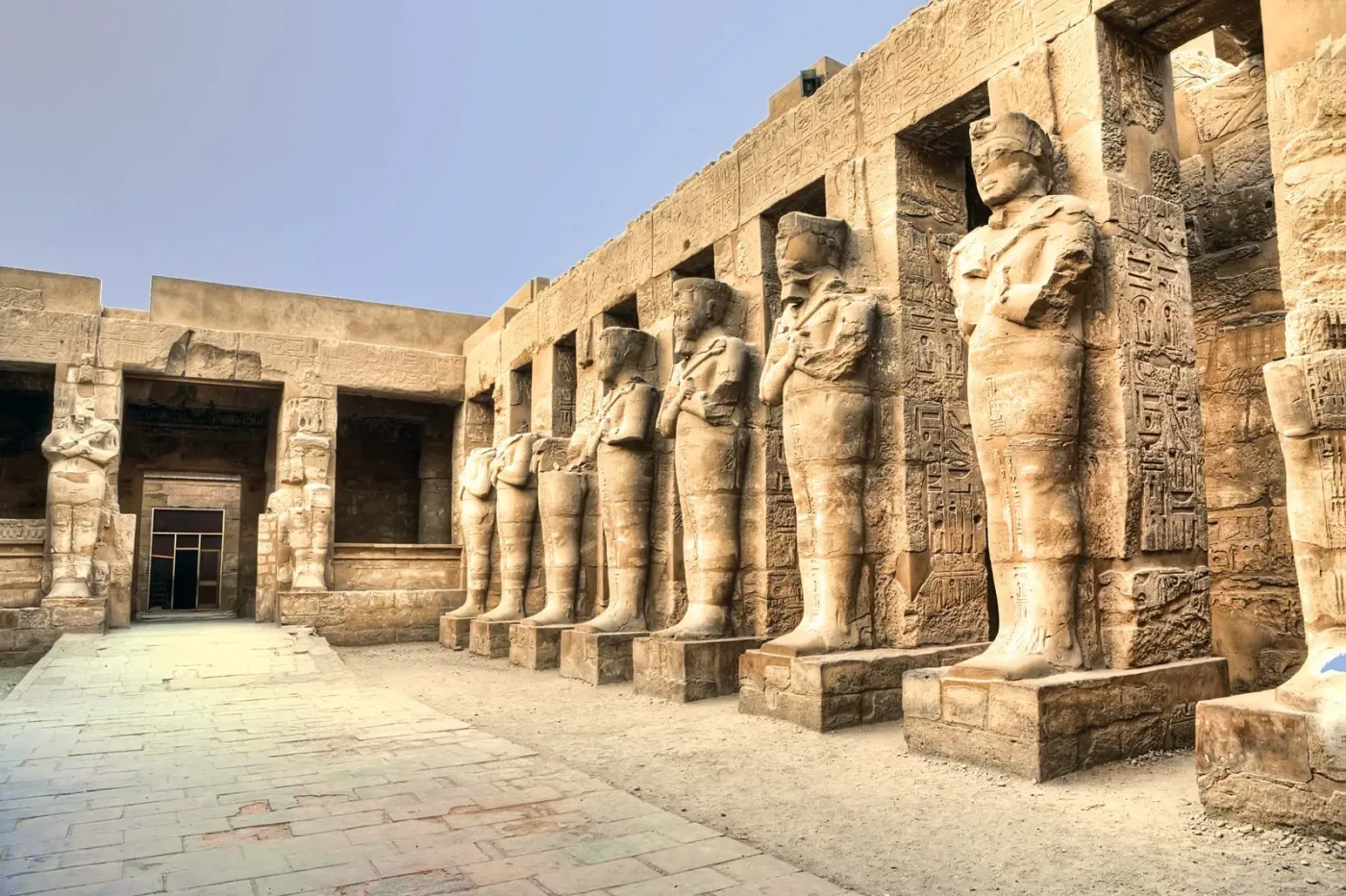
- Walk the vast hypostyle hall at Karnak — a forest of colossal columns.
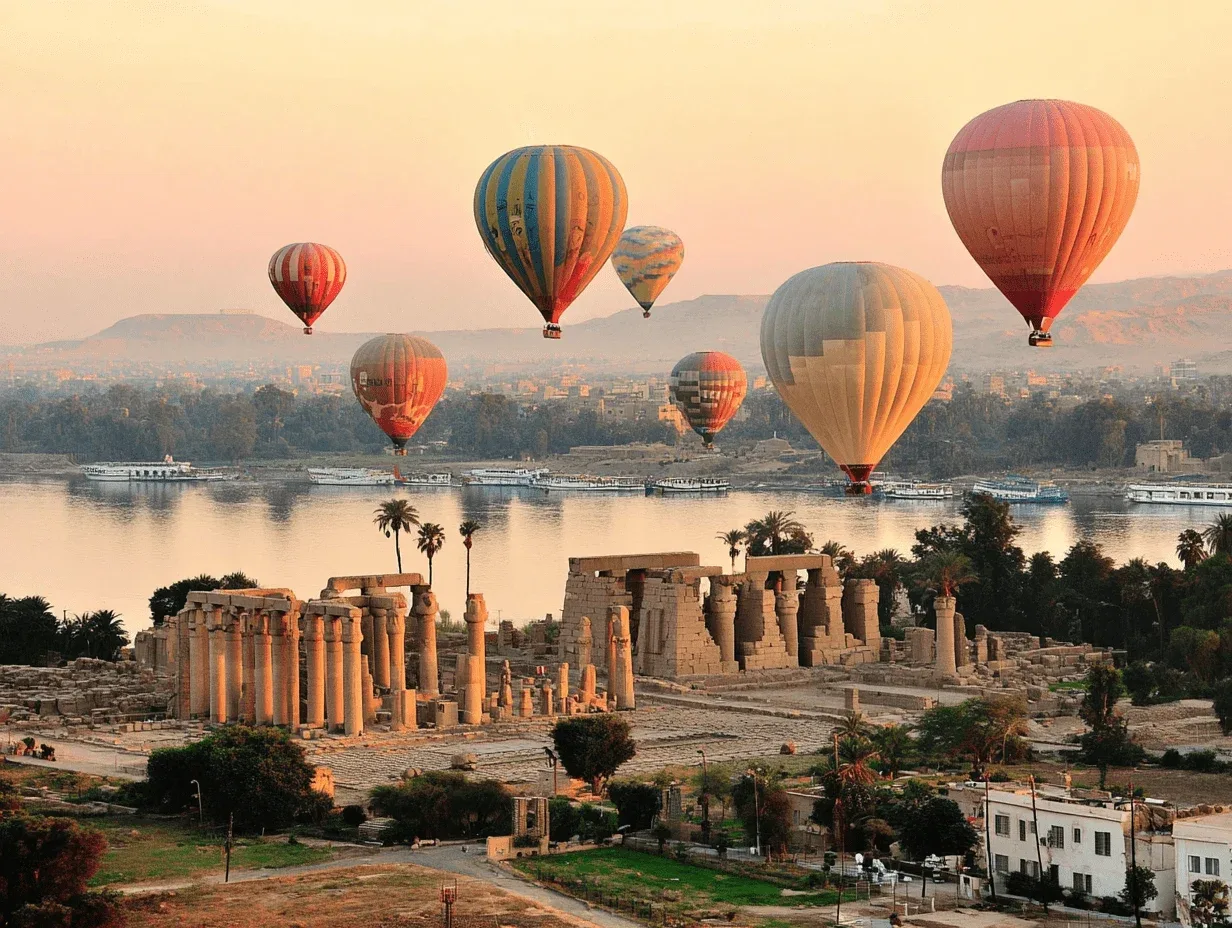
- Float over Luxor in a hot-air balloon at sunrise, with the temples and the desert below.
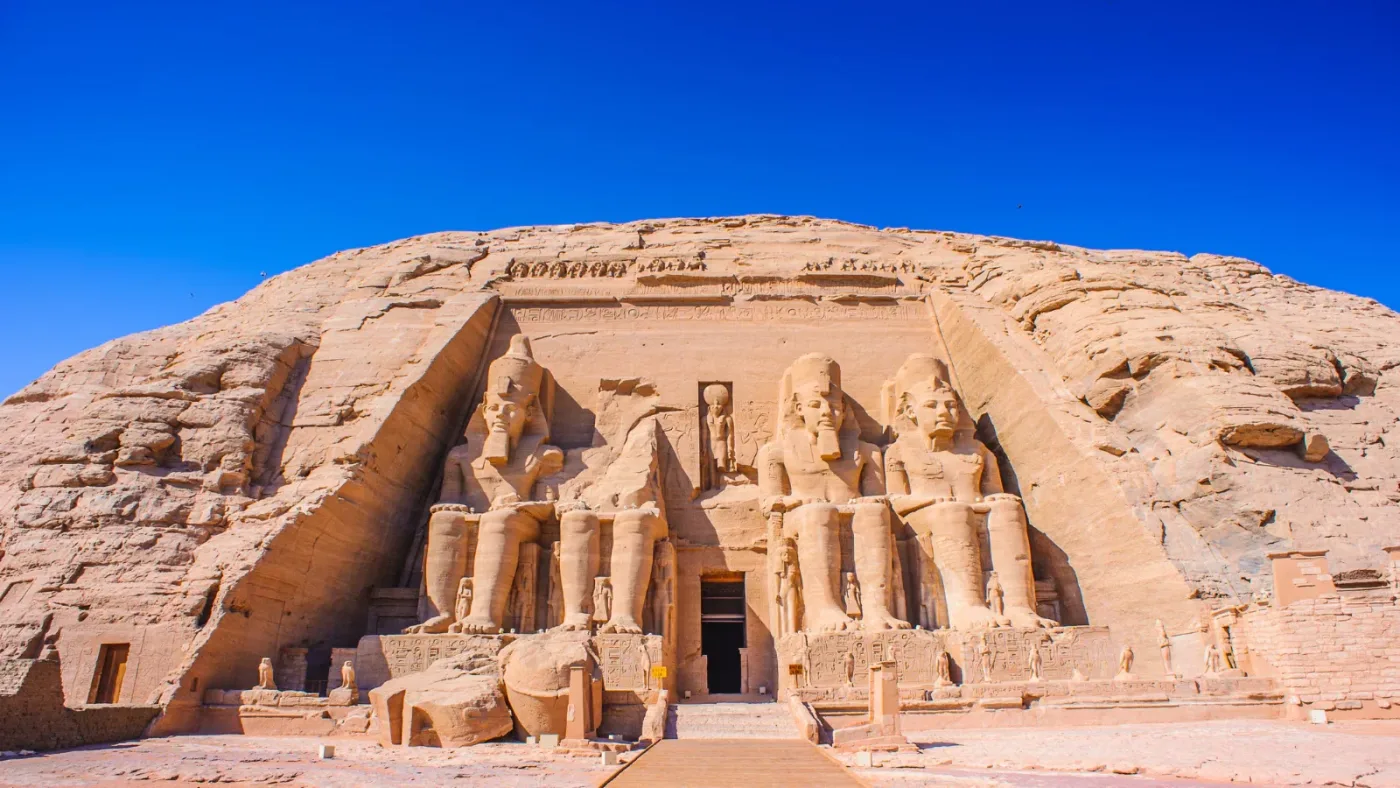
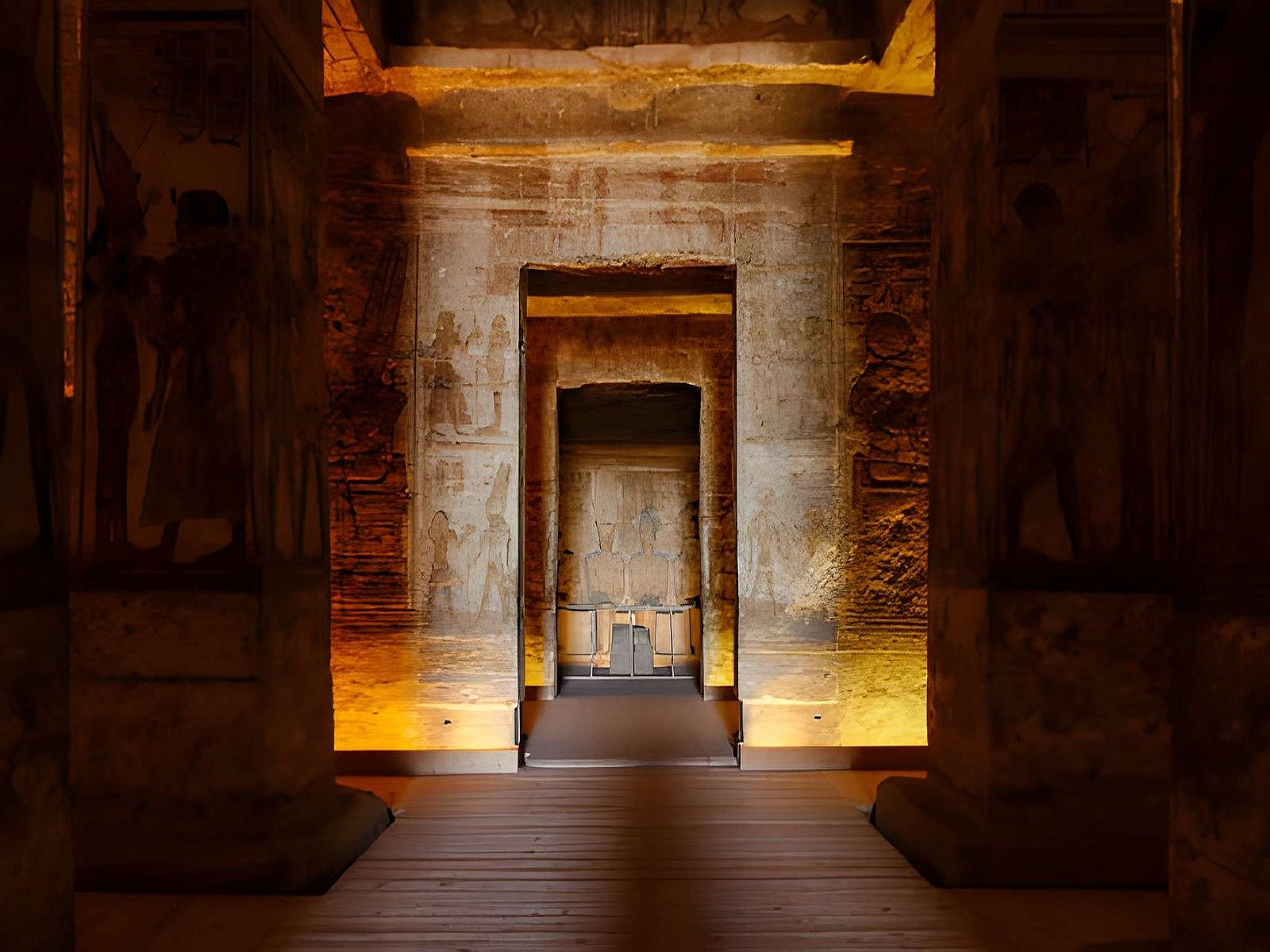
- See Abu Simbel at dawn — Ramses II's four giant statues, carved from a cliff and moved stone by stone to escape the rising Nile.
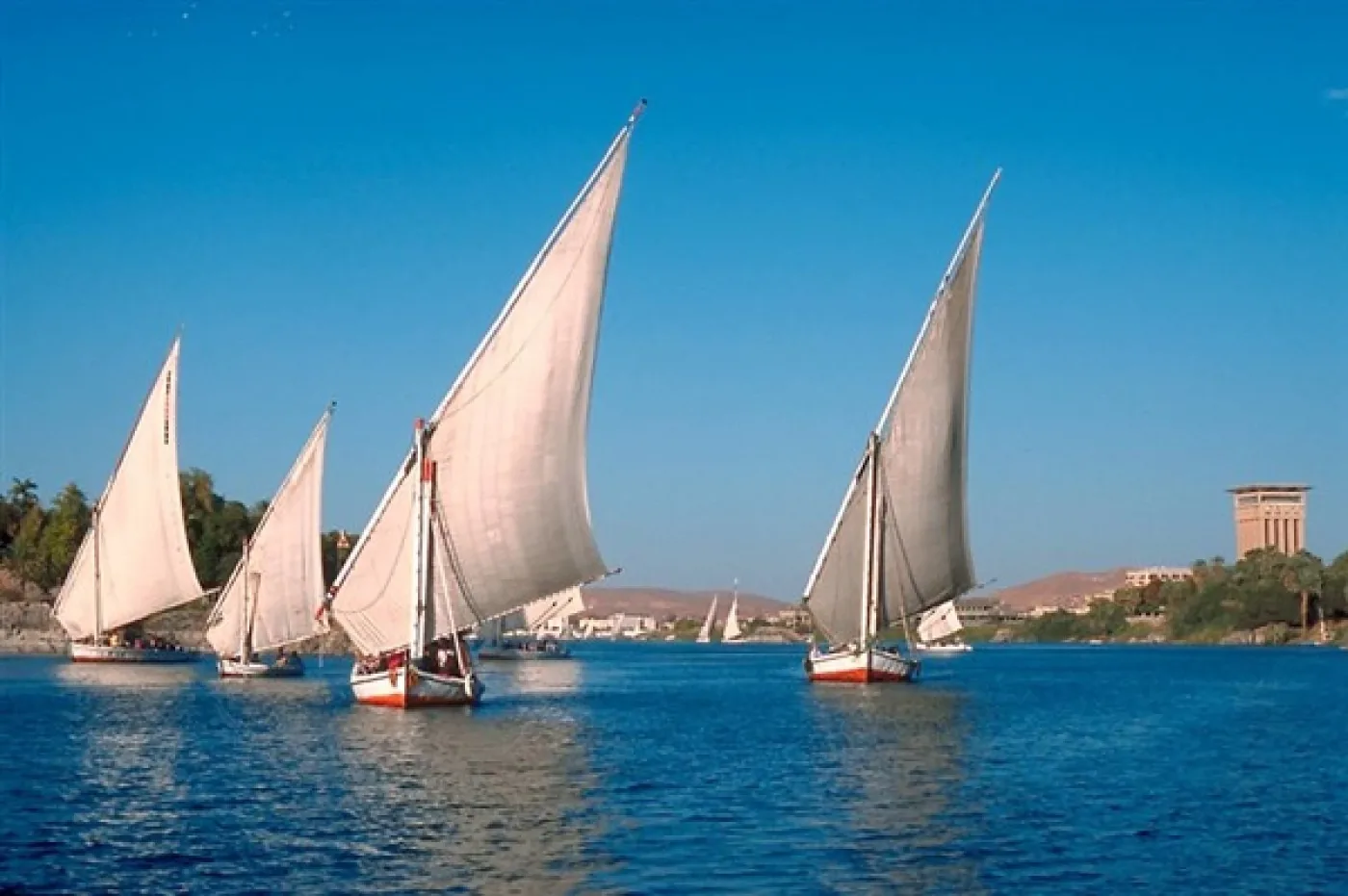
- Sail a felucca at sunset in Aswan, past Elephantine Island.
- Get lost in Khan el-Khalili, Cairo's thousand-year-old bazaar, and stop for tea at El Fishawy.
- Dive or snorkel the Red Sea — Ras Mohammed, the SS Thistlegorm wreck, or the Blue Hole at Dahab.
- Camp in the White Desert, among wind-carved chalk formations, under an unbelievable sky of stars.
- Climb Mount Sinai for sunrise and visit St Catherine's Monastery.
Best Time to Visit Egypt
Egypt is fundamentally a winter destination. The monuments are outdoors, largely unshaded, and involve a lot of walking — so temperature is everything.
October to April — the best time
Warm, dry, sunny days and cool evenings. Ideal for Cairo, Luxor, Aswan and a Nile cruise. November to March is the sweet spot, and also peak season — Christmas, New Year and Easter are busy and expensive, so book early.
April–May and September–October — shoulder
Hotter but manageable, with fewer crowds and better prices. Be aware of the dusty khamsin winds in spring.
June to August — summer
Very hot, and in Luxor and Aswan genuinely punishing (40°C+). Prices fall sharply and the sites are quiet, but you will be sightseeing at dawn and hiding indoors by midday. The Red Sea resorts work fine in summer if beach and diving are your focus.
Two dates worth knowing
- Abu Simbel Sun Festival — 22 February and 22 October, when the rising sun penetrates the temple and illuminates the statues in the inner sanctuary. Extraordinary, and extremely popular.
- Ramadan — dates shift each year. Sites remain open, and evenings are wonderfully atmospheric, but daytime hours change and eating and drinking in public is restricted.
Places to Visit in Egypt
Most Egypt itineraries follow the Nile from Cairo to Aswan, with the Red Sea added for those who want to finish on a beach.
- Cairo & Giza — the Pyramids and Sphinx, the Grand Egyptian Museum, Islamic Cairo, the Citadel, Coptic Cairo and Khan el-Khalili.
- Saqqara, Memphis & Dahshur — the Step Pyramid of Djoser, the ancient capital, and the Bent and Red Pyramids. Quieter than Giza and utterly fascinating.
- Luxor — the world's greatest open-air museum: Karnak, Luxor Temple, the Valley of the Kings and Queens, Hatshepsut's temple and the Colossi of Memnon.
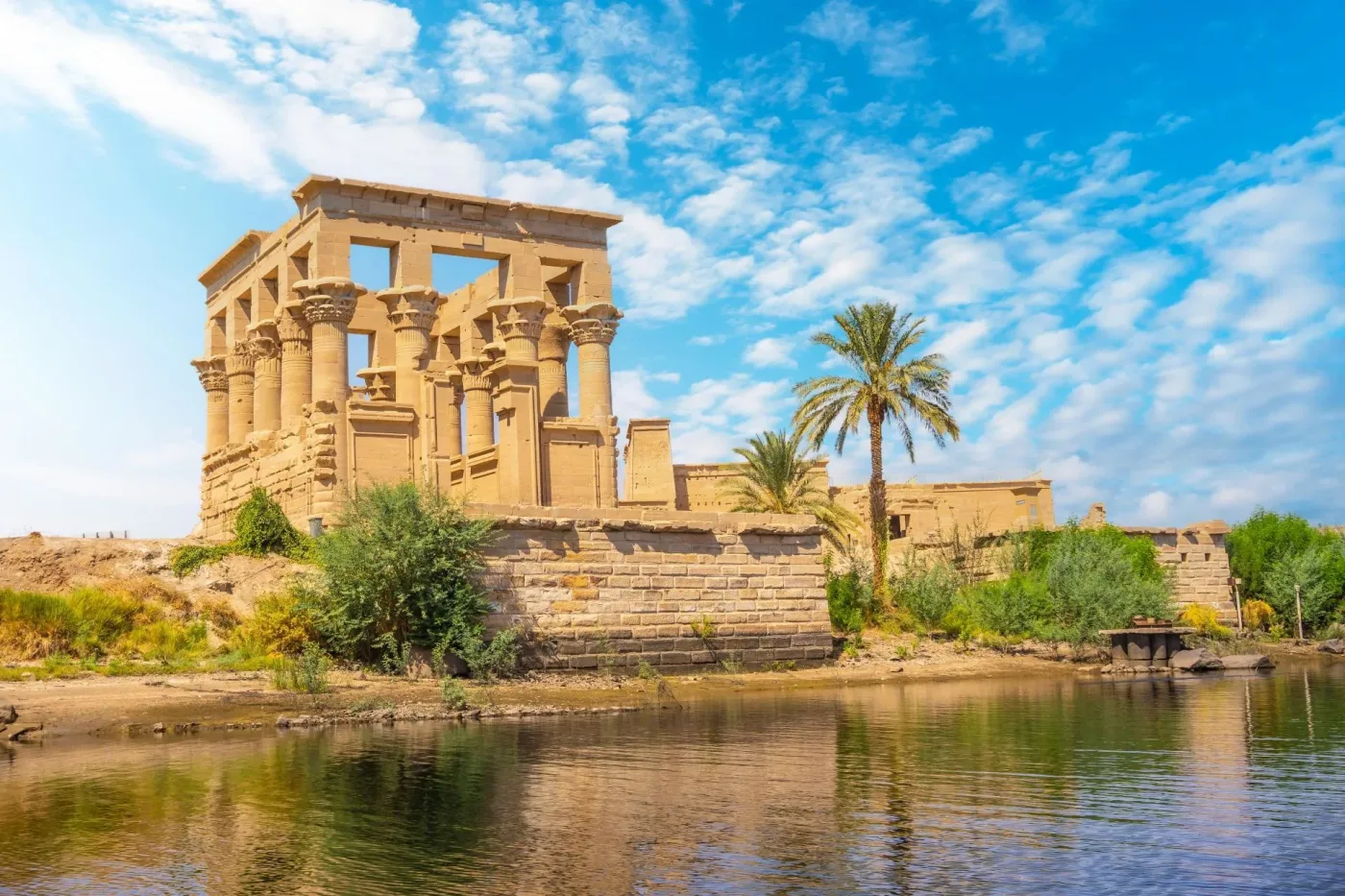
- Aswan — the gentlest, most beautiful of Egypt's cities: Philae Temple, the High Dam, Nubian villages, feluccas and the Old Cataract Hotel.
- Abu Simbel — Ramses II's colossal rock temples, deep in the south near the Sudanese border.
- The Nile between Luxor and Aswan — Edfu, Kom Ombo and Esna, best seen from the deck of a cruise boat or a traditional dahabiya.
- Alexandria — Mediterranean, faded and romantic: the Bibliotheca Alexandrina, Qaitbay Citadel and the catacombs.
- The Red Sea — Hurghada, Marsa Alam, Sharm el-Sheikh and laid-back Dahab.
- Sinai — St Catherine's Monastery and the sunrise climb up Mount Sinai.
- The Western Desert — the White Desert, Bahariya Oasis and remote, magical Siwa.
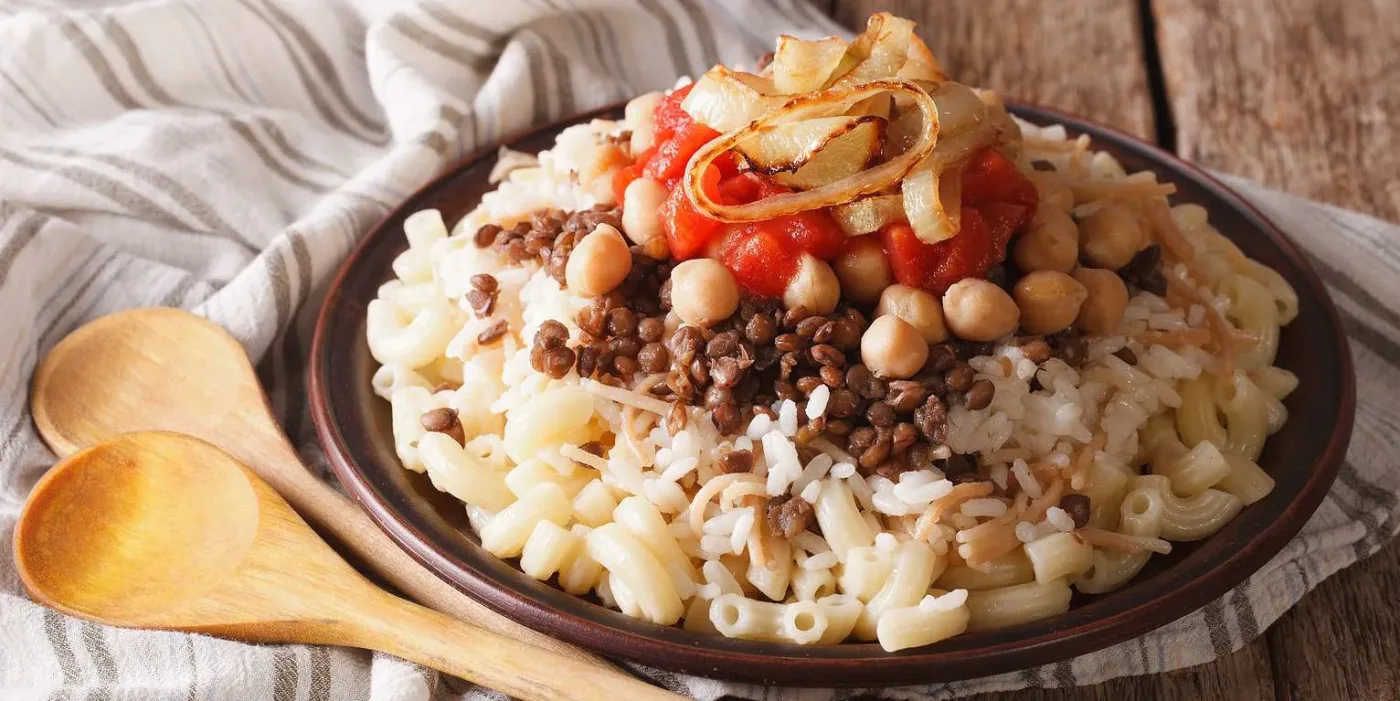
Food and Restaurants in Egypt
Egyptian food is hearty, comforting and built on beans, bread, rice and vegetables — a peasant cuisine in the best sense, and superb value. It is also one of the easiest countries in the region for vegetarians.
What to eat
- Koshari — the national dish, and a work of carbohydrate genius: rice, lentils, macaroni and chickpeas under a spiced tomato sauce, crispy fried onions and a splash of garlic vinegar.
- Ful medames — slow-cooked fava beans with olive oil, lemon and cumin. The Egyptian breakfast.
- Taameya — Egypt's falafel, made with fava beans rather than chickpeas: greener, lighter, better.
- Molokhia — a green, garlicky jute-leaf stew served over rice. Distinctive, and much loved.
- Mahshi — vegetables and vine leaves stuffed with herbed rice.
- Hawawshi — spiced minced meat baked inside crisp bread.
- Kofta & kebab — grilled over charcoal, with tahina and warm baladi bread.
- Feteer meshaltet — a flaky, buttery layered pastry, served sweet or savoury.
- Om Ali — the beloved bread-and-milk pudding with nuts and raisins.
- Karkade — deep-red hibiscus tea, served hot or iced, and a speciality of Aswan.
Where to eat
Eat koshari from a dedicated koshari shop, ful and taameya from a street cart at breakfast, and grilled meat from a busy local grill. Then treat yourself: Cairo has excellent modern Egyptian and Levantine dining, and a dinner cruise or a rooftop with a view of the pyramids is a fine way to end a day. Alcohol is available in hotels and licensed restaurants but is not part of everyday street life. We can arrange food tours and cooking classes.
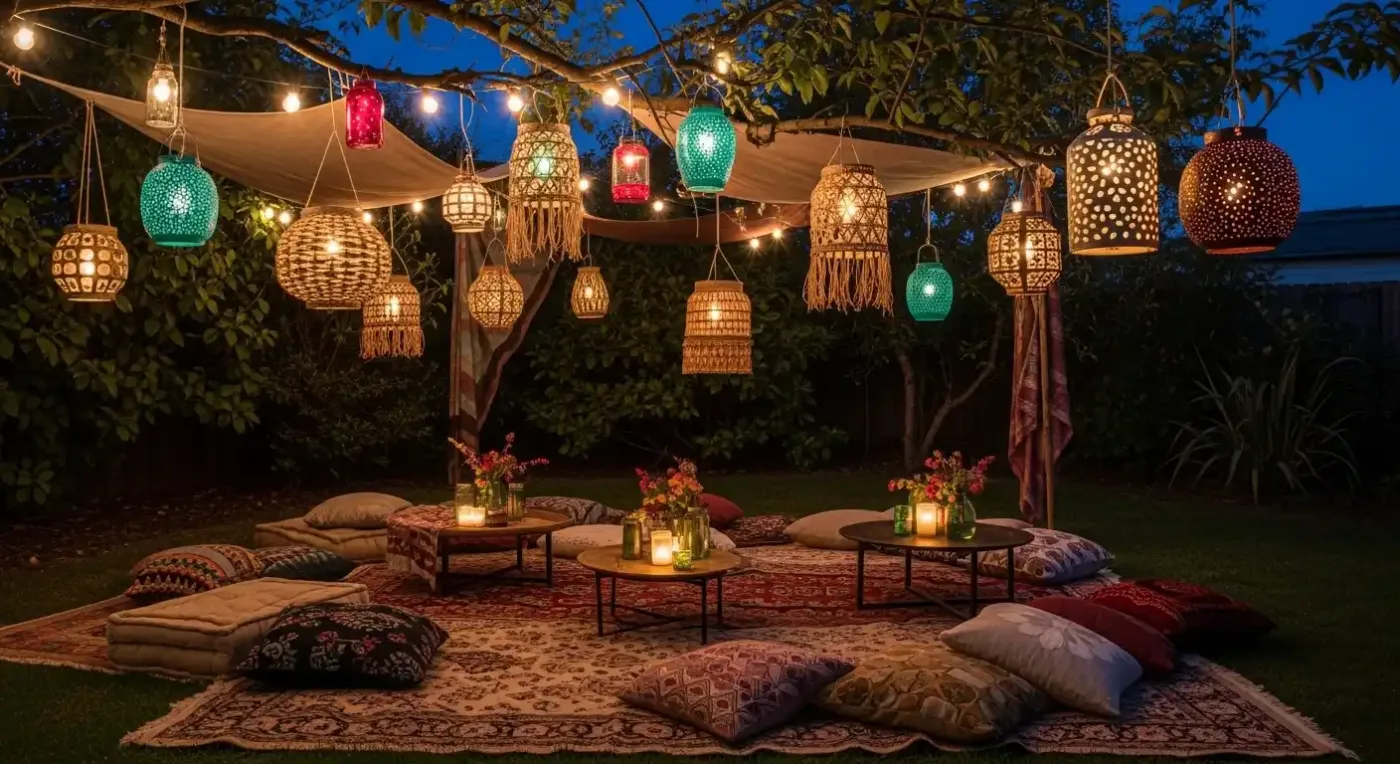
Festivals and Events in Egypt
Egypt's calendar blends Islamic, Coptic Christian and genuinely ancient Egyptian celebrations — often in the same year, sometimes in the same week.
- Ramadan — dates shift annually. Days are quiet and restrained; nights are magical, as Cairo's streets fill with lanterns (fanous), families and food after sunset.
- Eid al-Fitr & Eid al-Adha — the two great Islamic festivals, marked by feasting, new clothes, family visits and packed trains.
- Abu Simbel Sun Festival — 22 February and 22 October. Twice a year the rising sun reaches into the temple to light the statues in the inner sanctuary. An astonishing feat of ancient engineering, and a huge celebration.
- Coptic Christmas — 7 January, with midnight mass and family feasting.
- Sham el-Nessim — the Monday after Coptic Easter. A spring festival with roots in ancient Egypt, celebrated by every Egyptian regardless of faith: families picnic outdoors and eat fesikh (salted fish), spring onions and coloured eggs.
- Moulids — exuberant street festivals marking the birthdays of saints and Sufi sheikhs, with music, dancing and crowds.
- Cairo International Film Festival — November, the oldest film festival in the Arab world.
- National holidays — Sinai Liberation Day (25 April) and Revolution Day (23 July).
Tell us when you plan to travel and we will build the right events into your itinerary.
Egypt Visa
Most visitors to Egypt need a visa, but for the majority it is quick and simple to obtain.
E-visa (recommended)
Egypt offers an electronic visa to citizens of a large number of countries, applied for online through the official Egyptian government e-visa portal. It is typically issued for 30 days, as a single or multiple entry, and is processed within a few working days. Apply only through the official portal — there are many look-alike sites charging inflated fees.
Visa on arrival
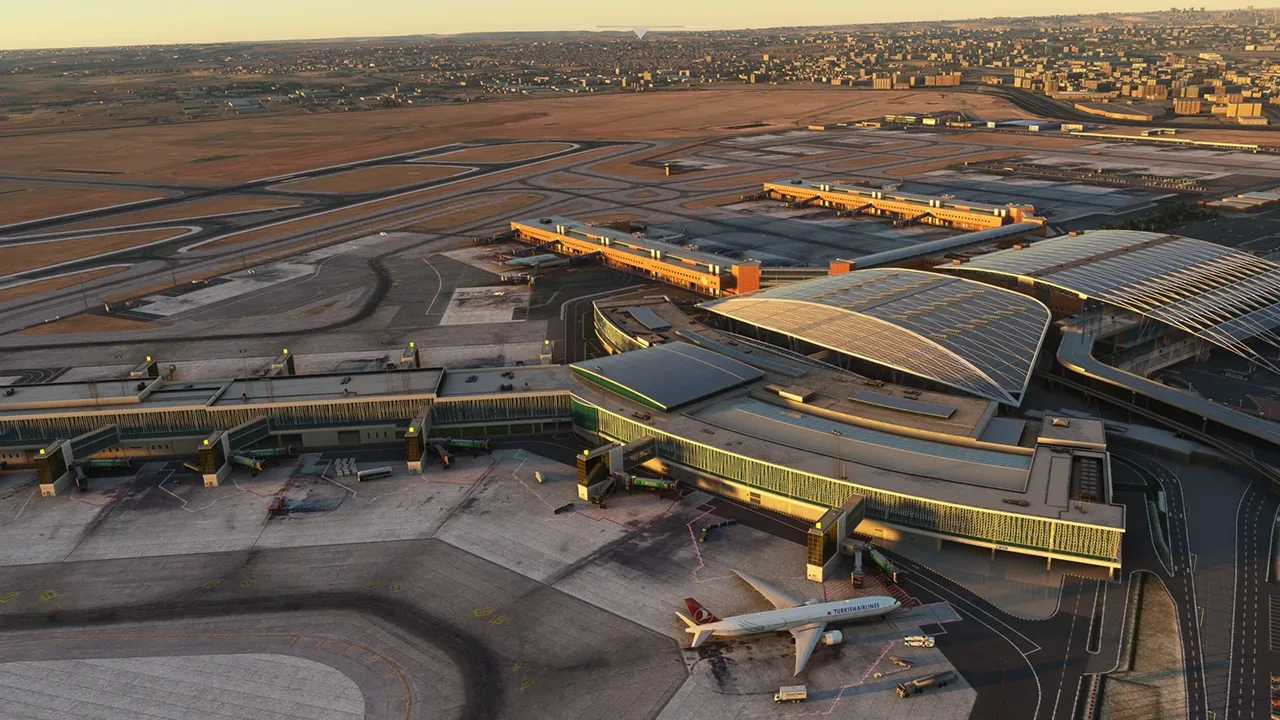
Nationals of a number of countries — including the UK, USA, most of Europe, Australia and Canada — can buy a 30-day tourist visa on arrival at Egyptian airports. It is a simple sticker bought at a bank counter before immigration, usually for around USD 25, payable in cash. Bring US dollars.
Sinai-only entry
If you are flying into Sharm el-Sheikh and staying only in South Sinai (Sharm, Dahab, St Catherine), you may be eligible for a free "Sinai Only" permit for up to 15 days. Note that this does not allow travel to the rest of Egypt — including Cairo or Luxor — for which you need a full visa.
What you will need
- A passport valid for at least six months beyond your arrival date.
- A confirmed return or onward ticket and accommodation details.
- For the e-visa: a passport scan and a passport-style photo.
Important: visa rules and eligible nationalities change, and the requirements for some passports (including Indian nationals) depend on your circumstances and any other visas you hold. Always check the official Egyptian e-visa portal or your nearest Egyptian embassy before booking. If you travel with us, we will confirm exactly what you need and guide you through the application.
Do's and Don'ts in Egypt
Egypt is a warm, hospitable and safe country for visitors — but it is also conservative, and busy tourist sites come with a certain amount of hassle. A little know-how makes an enormous difference.
Do
- Dress modestly. Shoulders and knees covered for everyone, and loose, light clothing. Women are not required to cover their hair except in mosques, but modest dress attracts far less attention.
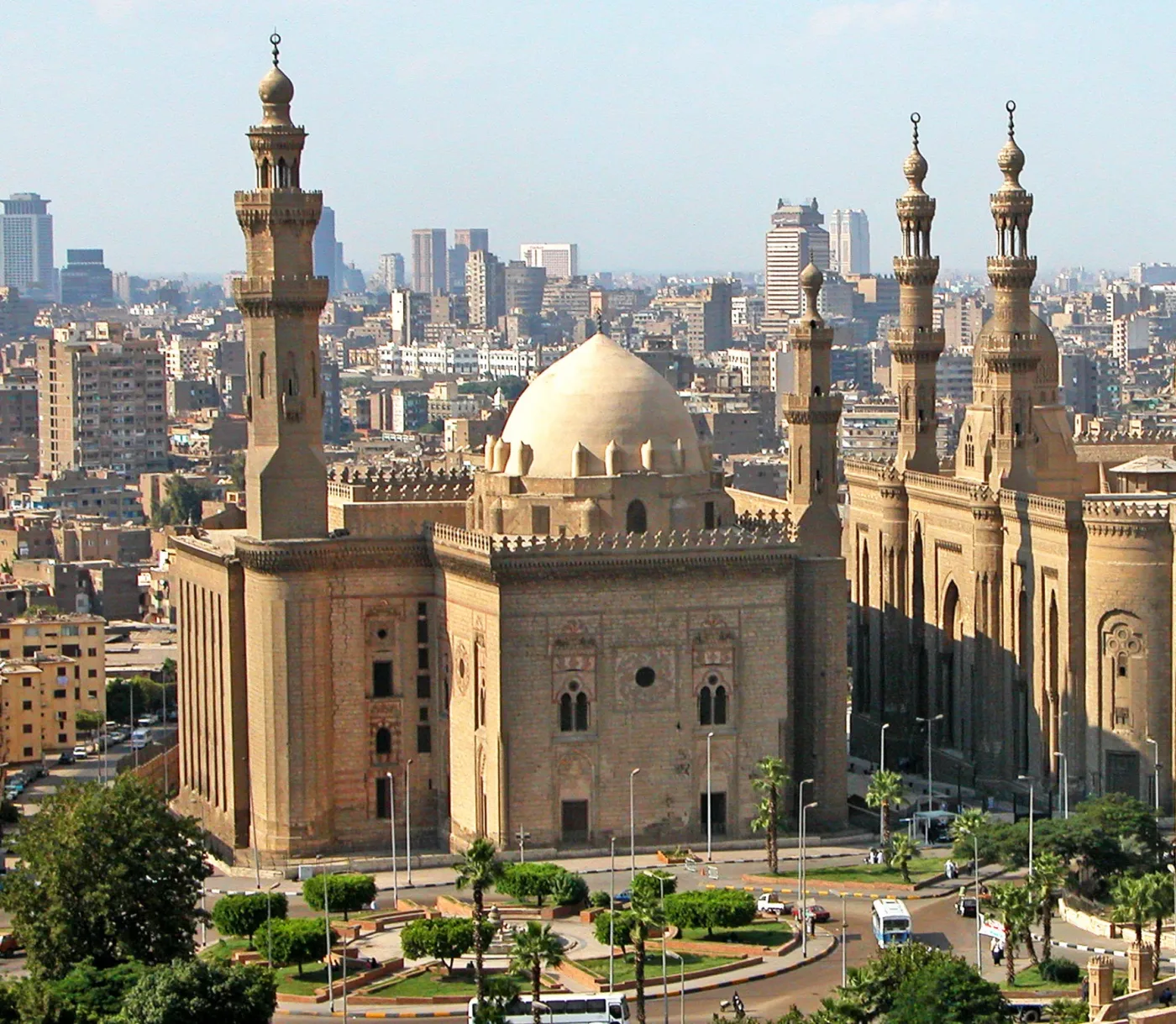
- Cover your hair and remove your shoes in mosques, and dress respectfully at churches and monasteries.
- Carry plenty of small notes for baksheesh. It smooths the whole trip.
- Agree a price before you accept anything — a camel ride, a photo, a taxi, a "helpful" guide. Everything.
- Bargain in the bazaars, cheerfully. Start at about a third and meet in the middle.
- Ask before photographing people, and expect to be asked for a tip afterwards.
- Use a licensed Egyptologist guide and reputable operators. It transforms the sites and shields you from the hustle.
- Drink bottled water and cover up in the sun.
Don't
- Don't photograph military or police personnel, checkpoints, bridges or airports. This is taken seriously.
- Don't be afraid to say no. Touts at the pyramids and temples can be very persistent. A firm, friendly "la, shukran" and walking on is entirely acceptable — engaging or accepting "free" gifts is not.
- Don't eat, drink or smoke in public during daylight hours in Ramadan.
- Don't show public affection. Egypt is conservative; discretion is expected of everyone.
- Don't buy antiquities — exporting genuine artefacts is illegal, and you will be sold fakes anyway.
- Don't drink the tap water, and be a little careful with raw salads and unpeeled fruit at very basic places.
- Don't get involved with drugs. Penalties in Egypt are severe.
Our Egypt Holiday Packages
Handpicked Egypt holidays, ready to book or tailor entirely to you.
 Adventure
Customizable
Adventure
Customizable
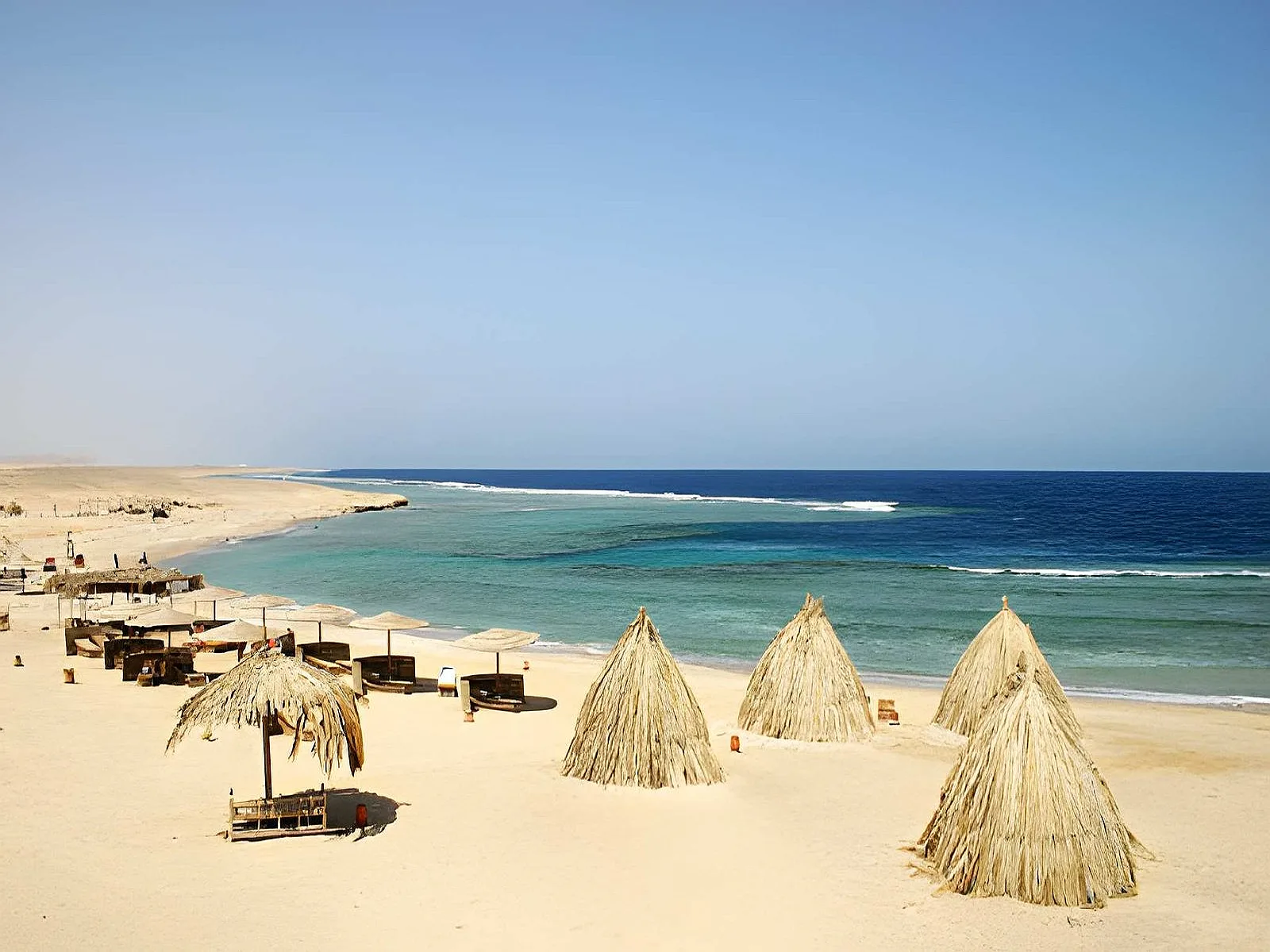
Egypt Family Highlights: Cairo to El Quseir
Egypt Family Highlights: Cairo to El Quseir
Egypt
 Adventure
Customizable
Adventure
Customizable
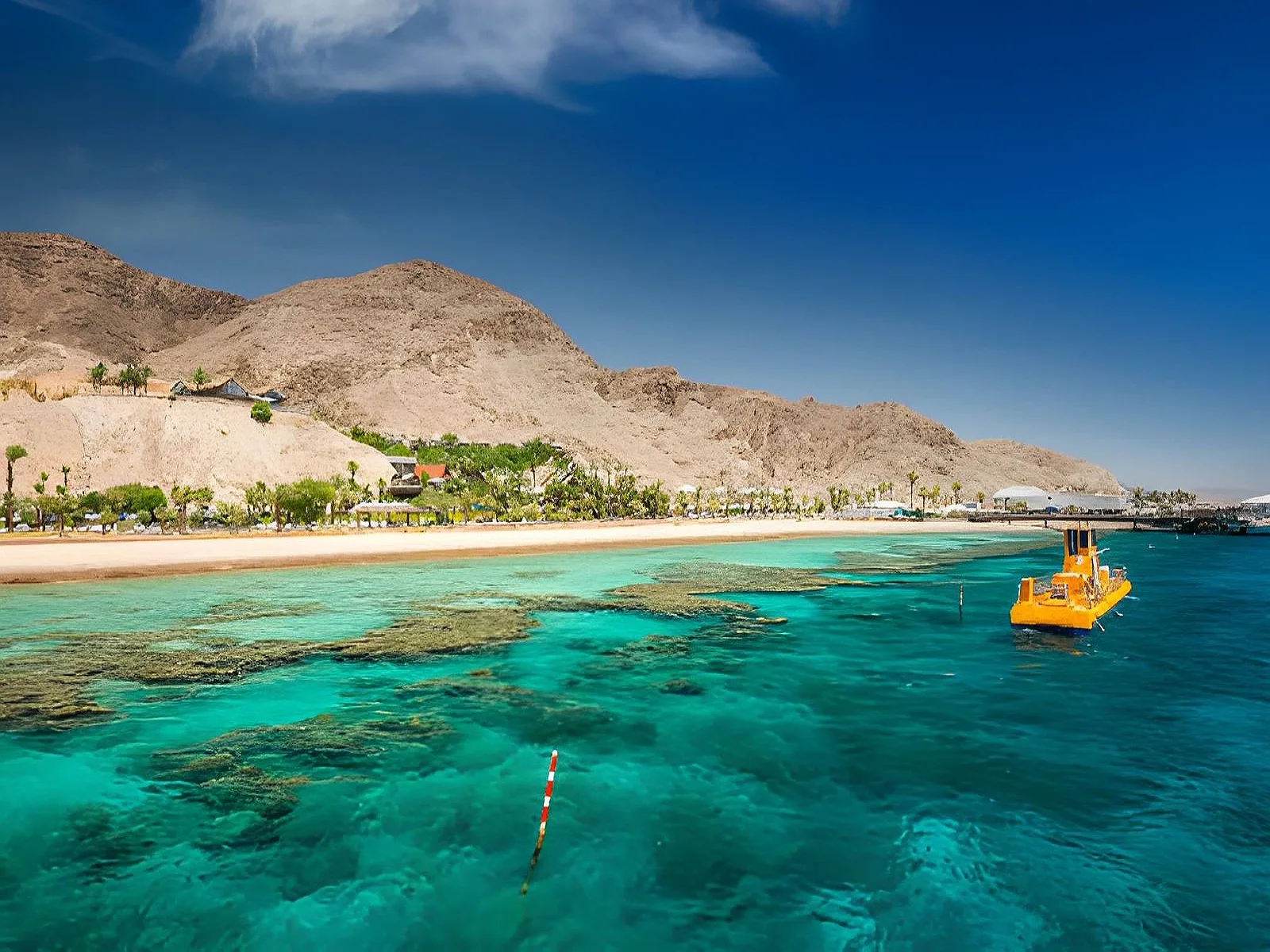
Desert Stars & Coastal Serenity: Cairo to Marassi
Desert Stars & Coastal Serenity: Cairo to Marassi
Egypt
 Adventure
Customizable
Adventure
Customizable
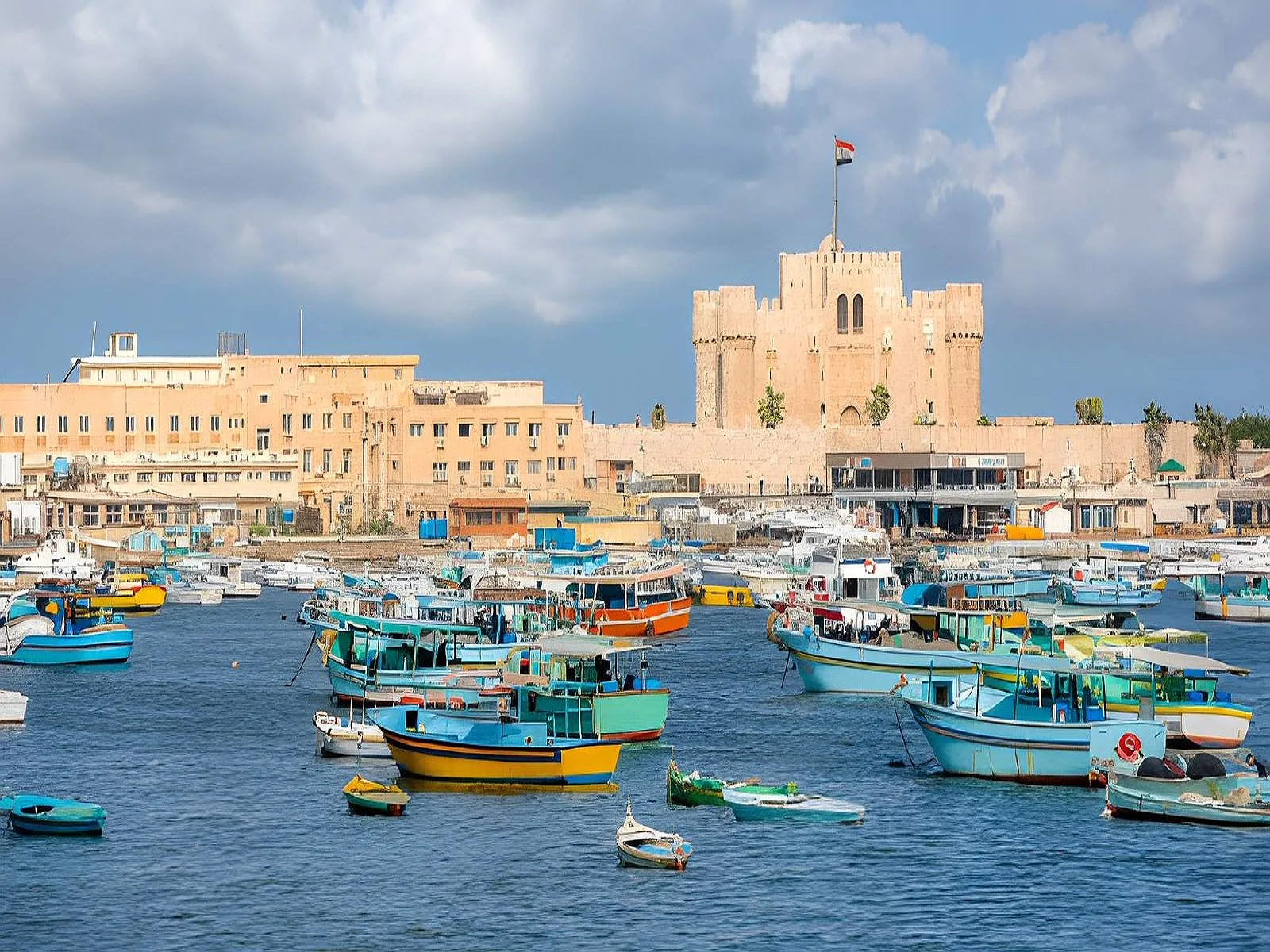
Egyptian Icons & Coastal Alexandria
Egyptian Icons & Coastal Alexandria
Egypt
 Adventure
Customizable
Adventure
Customizable
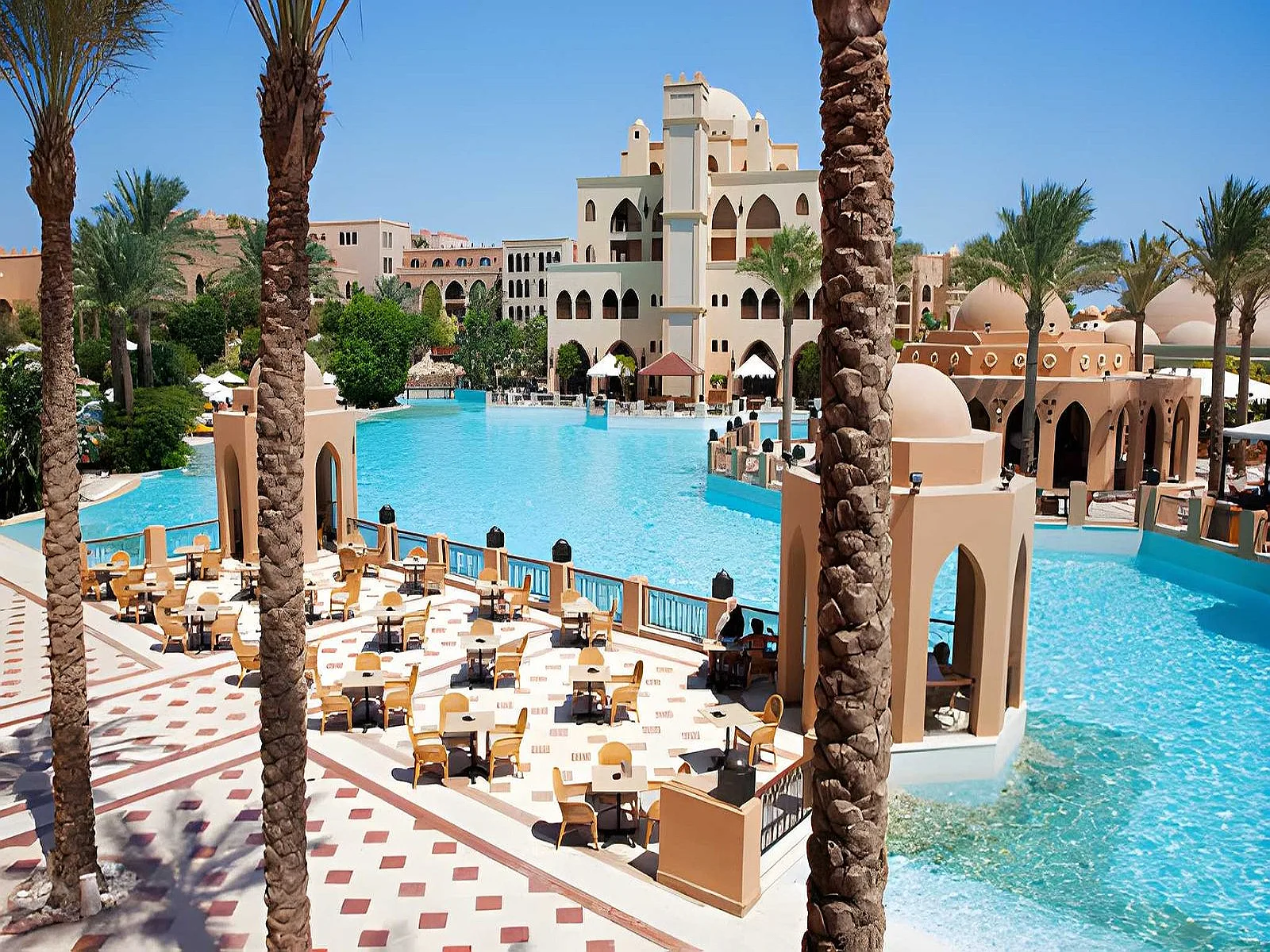
The Best of Egypt with Hurghada – 12 Days Luxury Journey
The Best of Egypt with Hurghada – 12 Days Luxury Journey
Egypt
 Adventure
Customizable
Adventure
Customizable
Legacy of the Pharaohs: Giza to Abu Simbel
Legacy of the Pharaohs: Giza to Abu Simbel
Egypt
 Adventure
Customizable
Adventure
Customizable
Classic Egypt Overland: Cairo, Luxor & Aswan
Classic Egypt Overland: Cairo, Luxor & Aswan
Egypt
 Adventure
Customizable
Adventure
Customizable
Journey Through Egypt: Cairo & Nile Cruise
Journey Through Egypt: Cairo & Nile Cruise
Egypt
 Adventure
Customizable
Adventure
Customizable
Egyptian Icons: Cairo, Luxor & Coastal Alexandria
Egyptian Icons: Cairo, Luxor & Coastal Alexandria
Egypt
 Adventure
Customizable
Adventure
Customizable
Treasures of Egypt: Giza Pyramids and Nile Discovery
Treasures of Egypt: Giza Pyramids and Nile Discovery
Egypt
 Adventure
Customizable
Adventure
Customizable
Timeless Egypt – A Journey Through Ancient Wonders
Timeless Egypt – A Journey Through Ancient Wonders
Egypt
Recently Booked Itineraries
Real journeys booked by travellers this week. Get inspired and plan your own unforgettable trip.
Grand Scandinavian Explorer
$3,349 /person
Enchanting Bali & Java
$1,759 /person
Classic Italy Discovery
$2,535 /person
Thailand Island Hopper
$1,190 /person
Dubai & Abu Dhabi Luxe
$1,590 /person
Kenya Safari Adventure
$3,075 /person
Swiss Alps & Paris Romance
$4,099 /person
Australia East Coast Escape
$4,640 /person
Egypt Travel FAQs
Everything travellers usually ask us before booking a Egypt holiday.
What is the best time to visit Egypt?
How many days do I need in Egypt?
Do I need a visa for Egypt?
Is Egypt safe for tourists?
Is a Nile cruise worth it?
What should I wear in Egypt?
Can I go inside the pyramids?
What is the currency in Egypt and should I tip?
Can I drink the tap water in Egypt?
What are the must-see sites in Egypt?
How do I deal with persistent vendors?
Is Egypt suitable for families?
How do I travel between Cairo, Luxor and Aswan?
Do I need a guide in Egypt?
Can you tailor an Egypt itinerary?
Plan Your Egypt Trip
Tell us what you have in mind and our experts will craft a Egypt itinerary around you.