Maldives Tour Packages
Your complete Maldives travel guide, plus handpicked holidays crafted by our experts.
Maldives Travel Guide
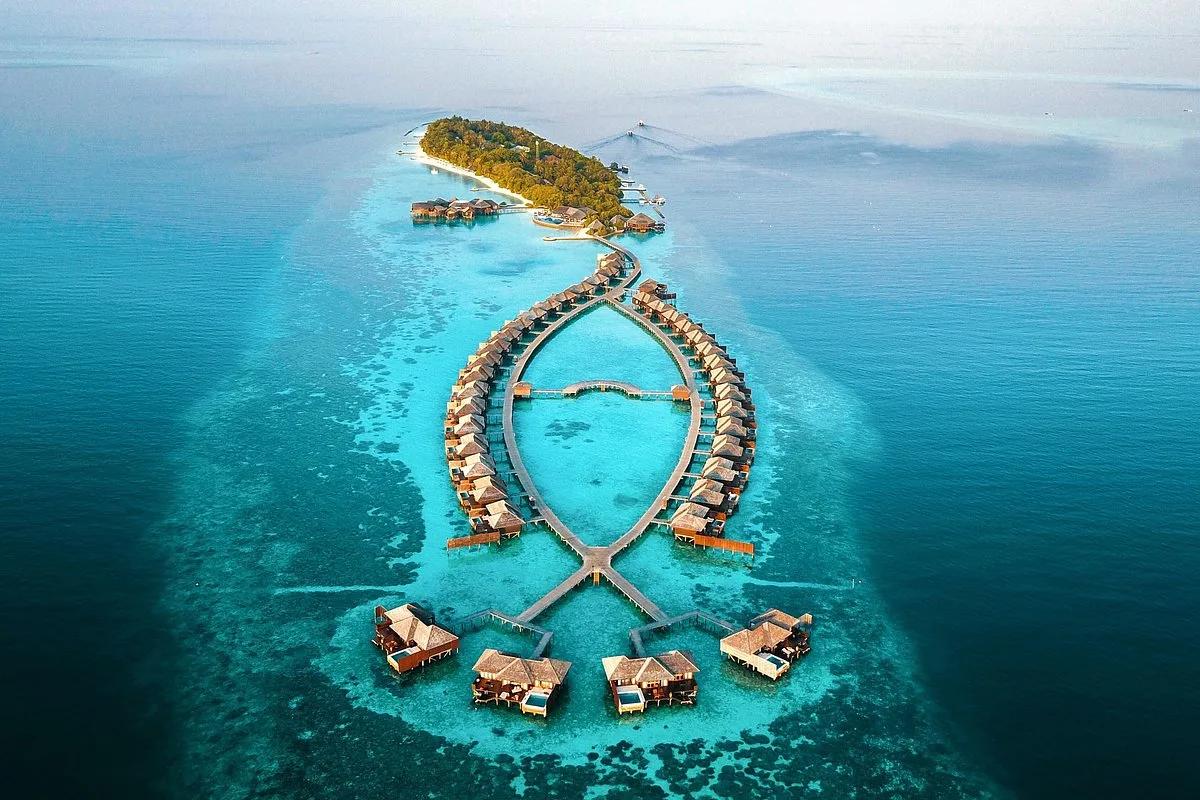
Few places on earth look quite like the Maldives: 26 coral atolls scattered across the Indian Ocean like a handful of jewels, ringed by water so clear it barely seems real. This is the home of the overwater villa, of powder-white sandbanks that appear at low tide, and of reefs alive with manta rays, whale sharks and turtles.
Our Maldives tour packages range from barefoot-luxury honeymoons and private-island escapes to family holidays, diving adventures and authentic stays on local islands. Whether you want to do nothing at all or snorkel a new reef every morning, every Maldives holiday we create is built around your idea of paradise, with seaplane transfers, handpicked resorts and every detail quietly taken care of.
Maldives Travel Guide and Tips
The Maldives is one of the easiest destinations in the world to enjoy — once you understand how it works. Almost everything revolves around one simple idea: one island, one resort.
Getting there and around
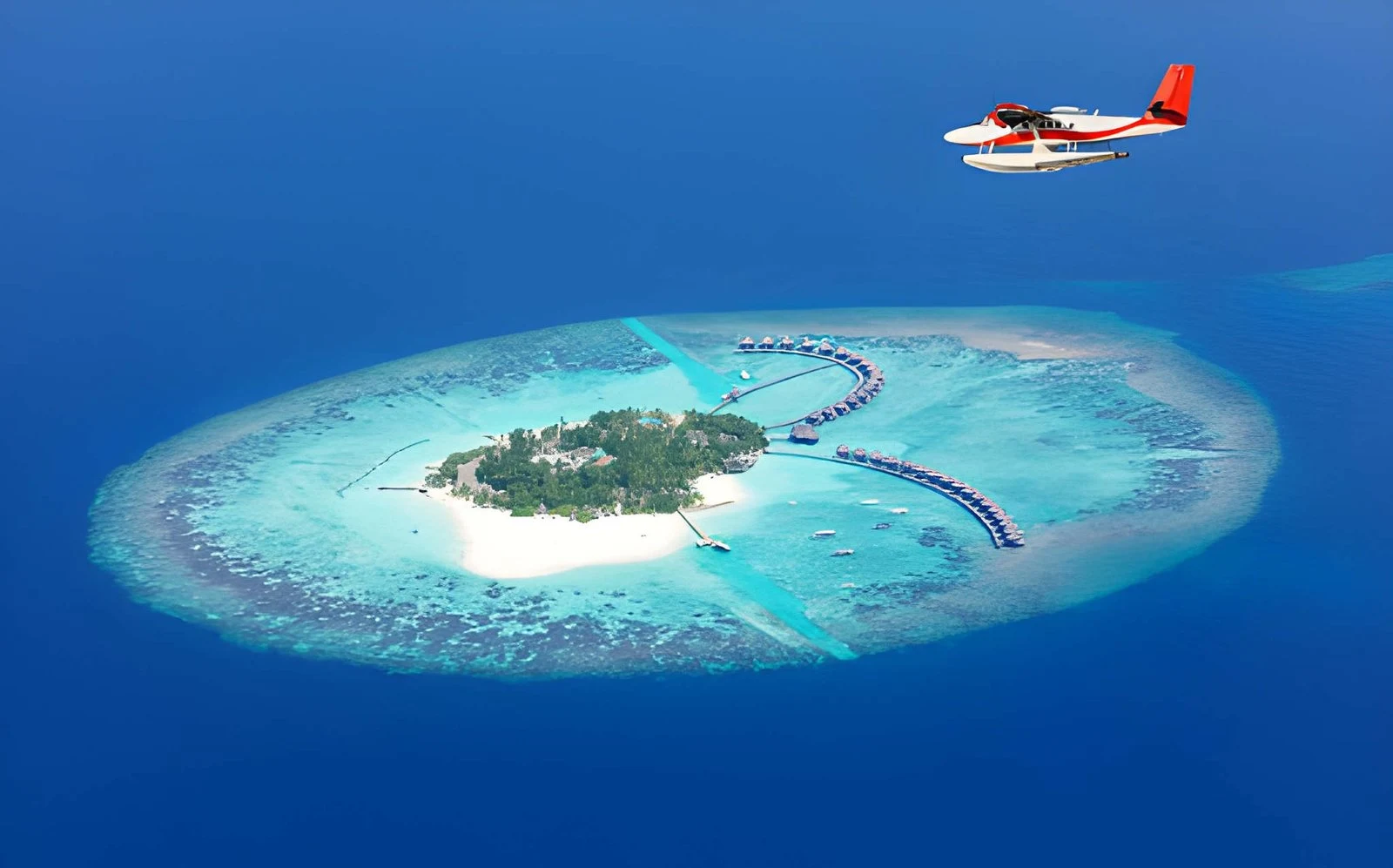
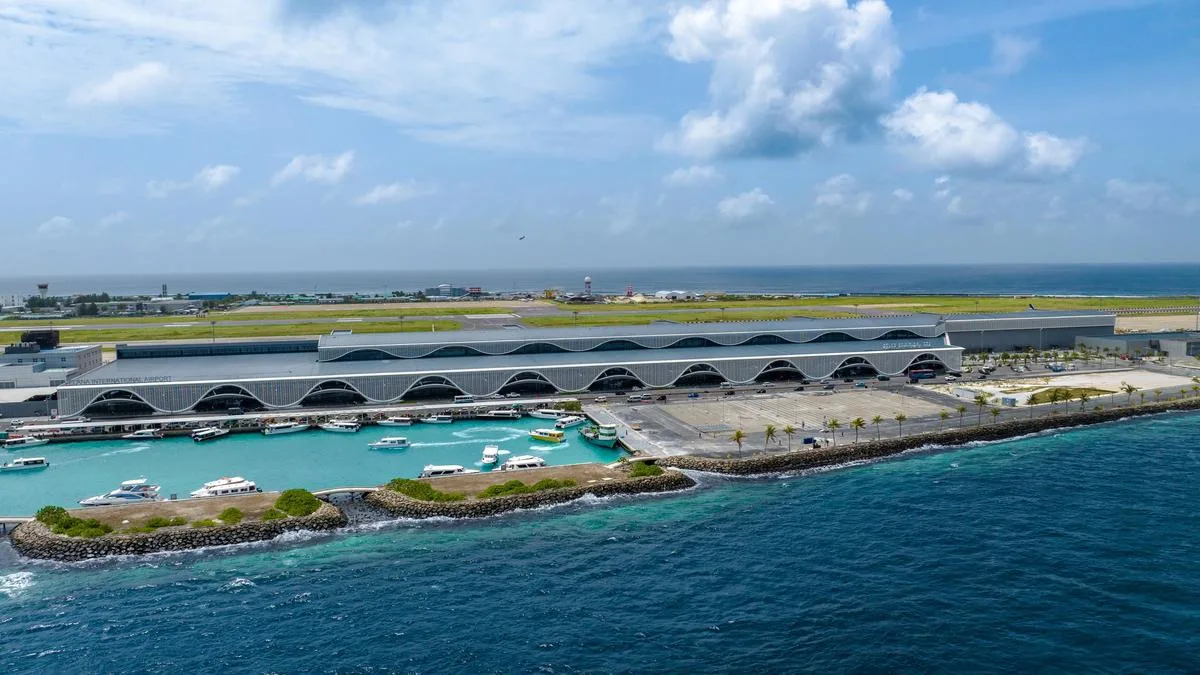
All international flights land at Velana International Airport (MLE) near the capital, Male. From there you transfer to your island by:
- Speedboat — for resorts in the nearby atolls (20 to 90 minutes).
- Seaplane — for further atolls; a spectacular flight in itself, but daylight-only.
- Domestic flight + speedboat — for the far northern and southern atolls.
Transfer type and cost depend entirely on which island you choose, so it is worth planning your flights and your resort together. We always match your arrival time to the transfer window.
Money
The currency is the Maldivian Rufiyaa (MVR), but resorts price and bill everything in US dollars, and cards are accepted everywhere. You will rarely need cash unless you are visiting local islands.
Practical tips
- Choose your board basis carefully — resorts are isolated, so half board or all-inclusive usually works out far better than paying per meal.
- Pack reef-safe sunscreen, a rash guard and your own snorkel mask if you are fussy about fit.
- Bring light, breathable clothing — and something modest to wear if you visit a local island or Male.
- Wi-Fi is available at almost all resorts; a local eSIM is useful for the ferry and local islands.
- Power is 230V, and plugs are usually the UK-style three-pin (Type D/G).
Geography of Maldives
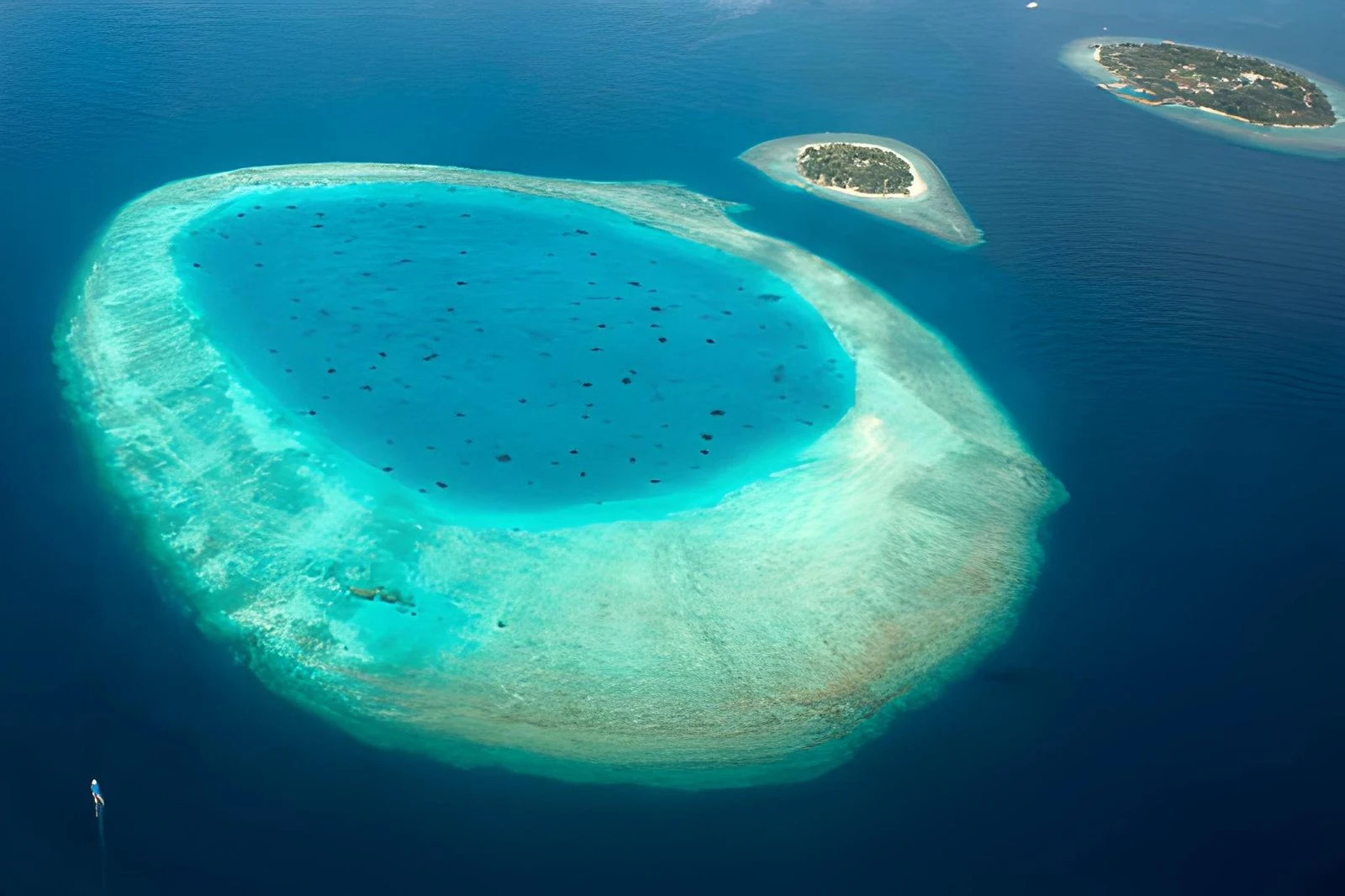
The Maldives lies in the Indian Ocean, roughly 750 kilometres southwest of Sri Lanka and India, strung out along a north-south chain that the equator passes straight through. It is a nation made almost entirely of water: of nearly 90,000 square kilometres of territory, only about 300 square kilometres is dry land.
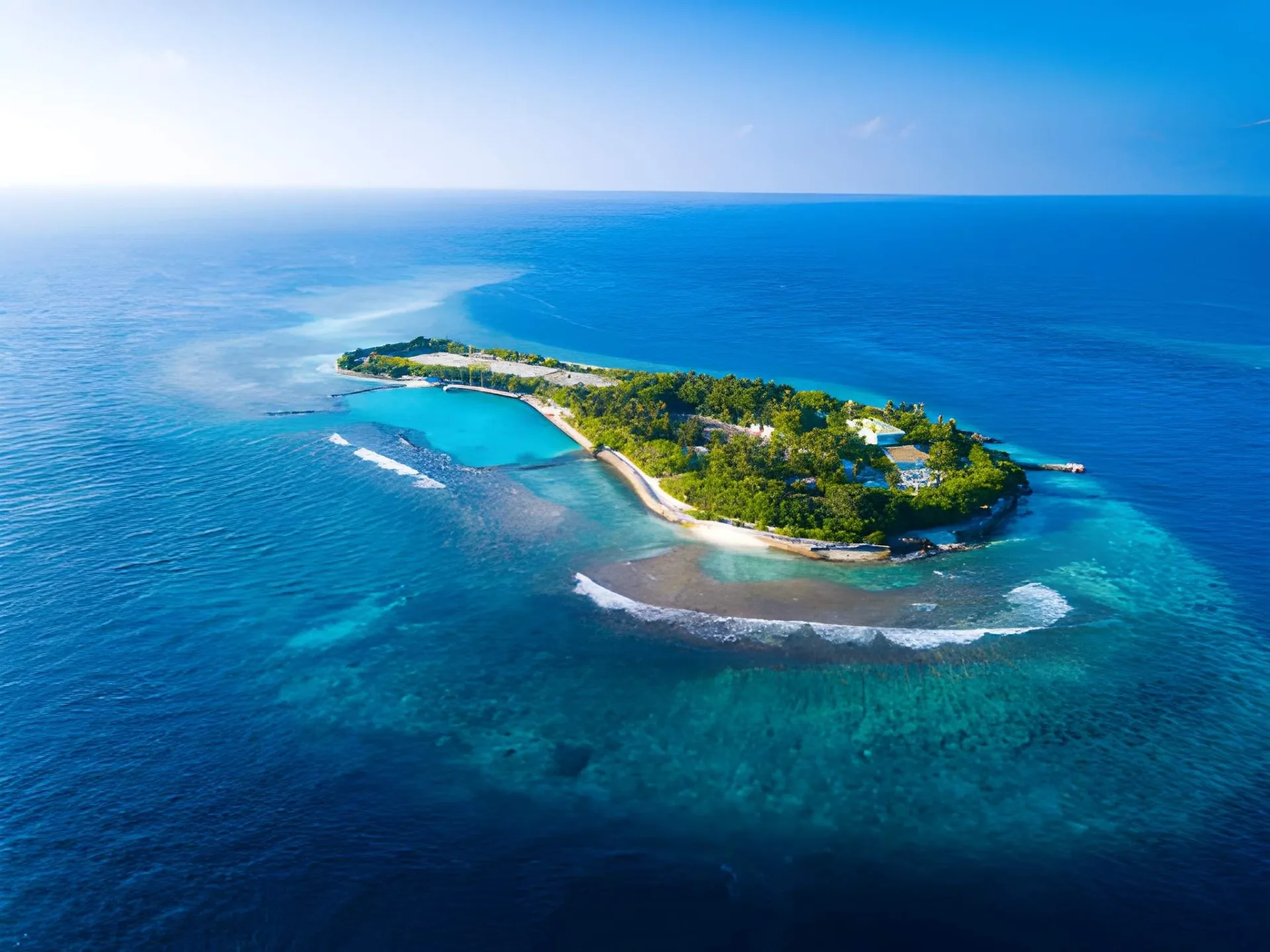
That land is made up of around 1,190 coral islands grouped into 26 natural atolls — ring-shaped reefs enclosing shallow, luminous lagoons. Roughly 187 islands are inhabited, and more than 150 others are given over entirely to resorts.
What makes it unique
- It is the flattest country on earth. The average island sits barely 1.5 metres above sea level, and the highest natural point is under 2.5 metres.
- Every island is small. Many resort islands can be walked around in fifteen minutes.
- The reefs are the foundation. Each island is the crown of a living coral reef, which is why the snorkelling begins the moment you step off the beach.
- Male, the capital, is one of the most densely populated cities in the world — a compact, busy contrast to the silence of the atolls.
Climate of Maldives
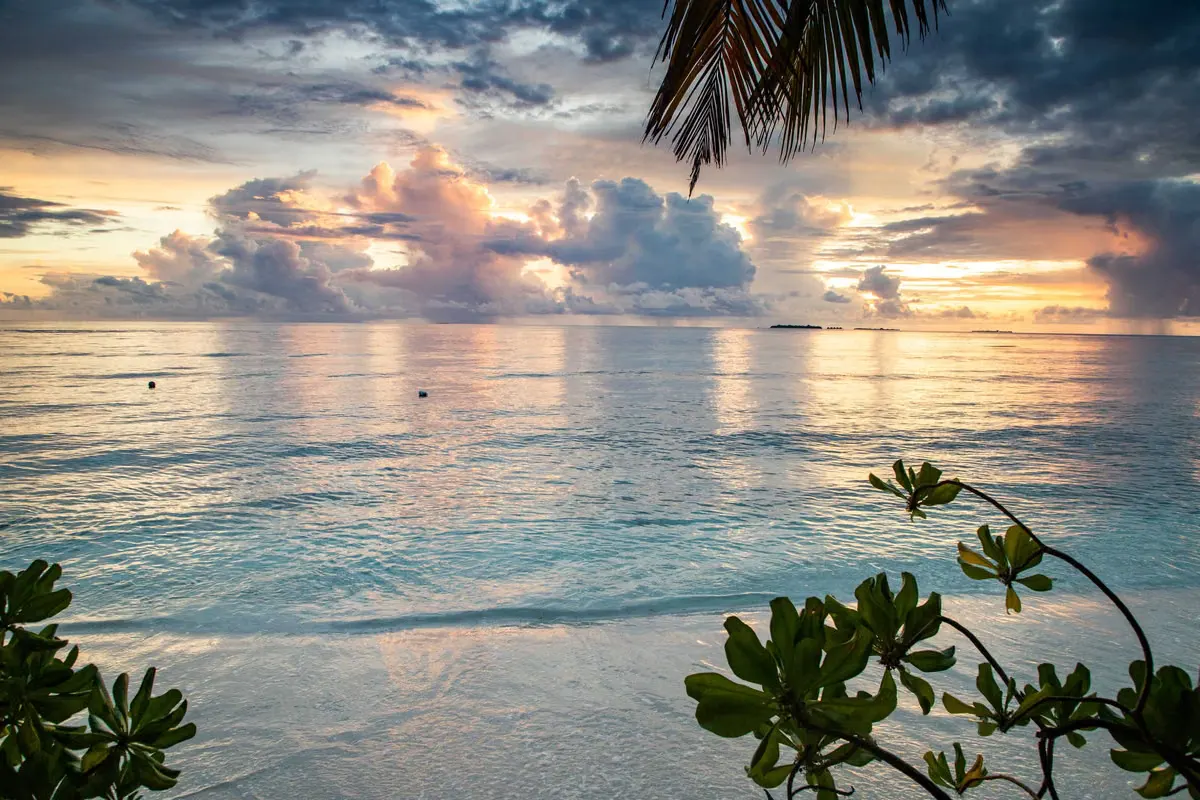
The Maldives is warm, tropical and beautifully consistent all year. Daytime temperatures sit between 25°C and 31°C almost every day, and the sea hovers around a bath-like 27 to 29°C.
Rather than summer and winter, the islands have two monsoons:
Iruvai — the dry season (November to April)
The northeast monsoon brings the classic postcard weather: blue skies, calm, glassy lagoons, low humidity and excellent underwater visibility. This is peak season, and the most reliable time for sun.
Hulhangu — the wet season (May to October)
The southwest monsoon brings more cloud, occasional squalls and short, heavy downpours — usually passing rather than persistent. Seas can be choppier and visibility more variable, but the islands are greener, the resorts quieter and the rates noticeably lower. It is also the best window for surfing and for manta ray gatherings.
In short: come between November and April for guaranteed sunshine, and between May and October for value, waves and big marine life.
Culture of Maldives
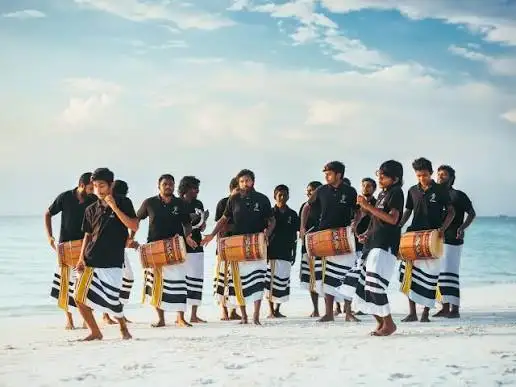
Behind the resort brochures is a proud island nation with a culture shaped by the sea, by trade and by Islam. Maldivians have lived on these atolls for well over two thousand years, and Arab, Indian, Sri Lankan and East African influences all run through the language, the food and the music.
The Maldives is an Islamic country, and Islam is central to daily life. The language is Dhivehi, written in the beautiful, right-to-left Thaana script, though English is widely spoken in resorts and in Male.
What you will encounter
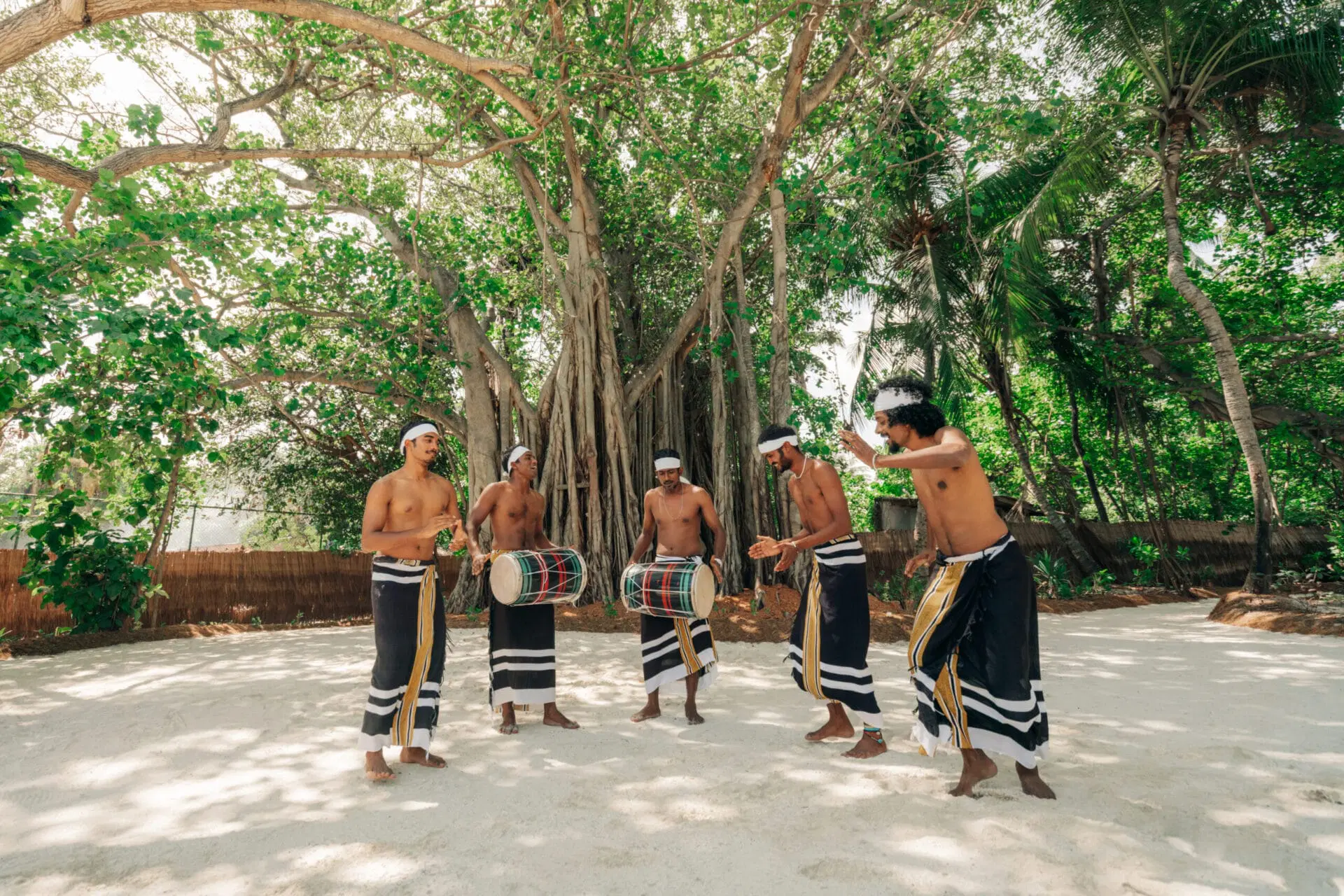
- Bodu beru — "big drum": the hypnotic drumming, singing and dancing that builds through the evening. Most resorts host a performance, and it is genuinely worth staying up for.
- A fishing nation — pole-and-line tuna fishing is both the traditional livelihood and a point of national pride.
- Craft traditions — lacquered woodwork, coir rope-making and the intricate thundu kunaa woven mats.
- Two very different worlds — resort islands are relaxed and international; inhabited local islands are conservative, alcohol-free, and follow local custom. Both are worth experiencing, and we can combine them in one trip.
Maldives Tourism
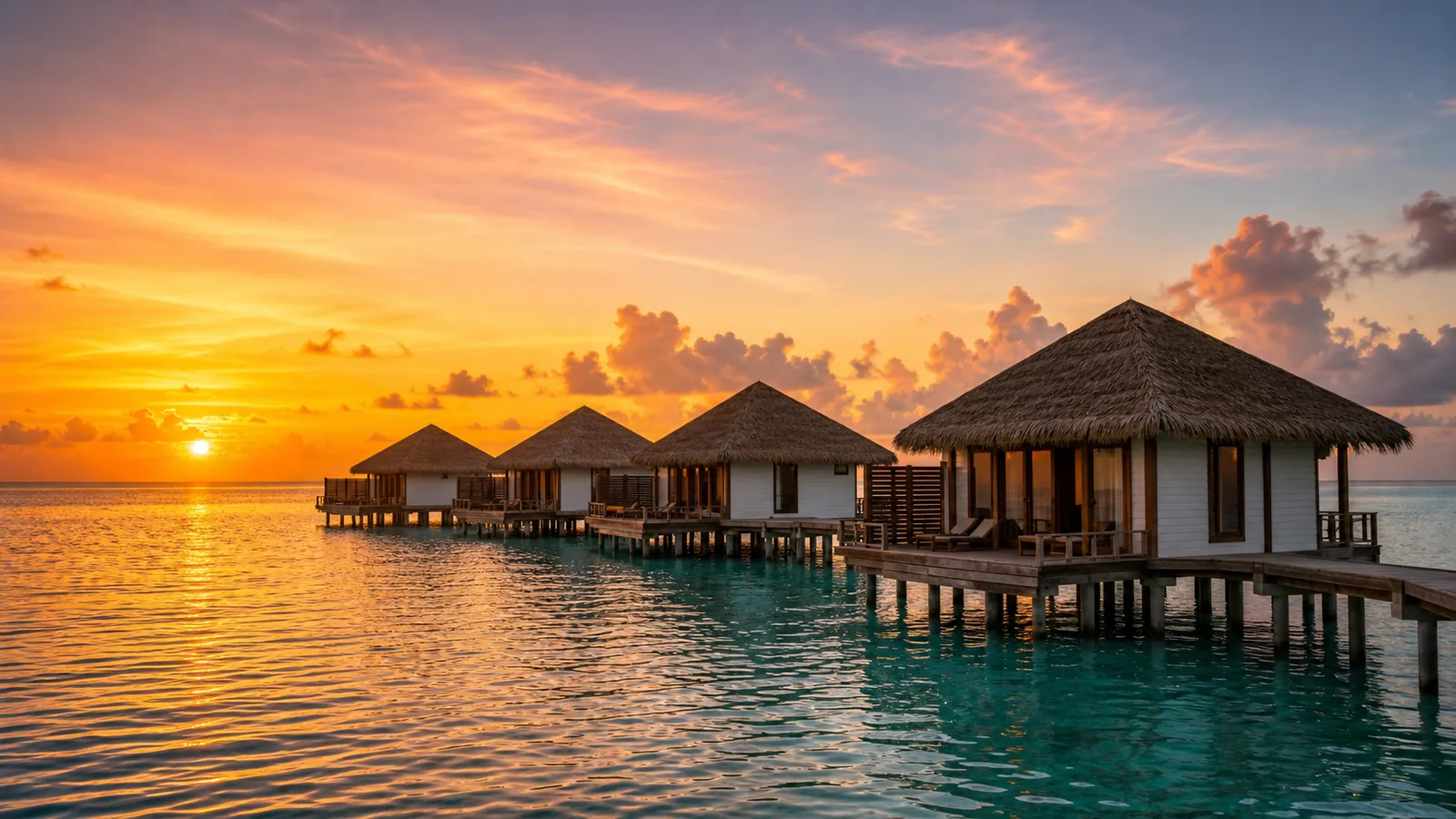
The Maldives has spent fifty years perfecting one very good idea: give a guest an entire island. That "one island, one resort" model is why a Maldives holiday feels so private and so effortless — your resort is the island, and the lagoon around it is essentially your own.
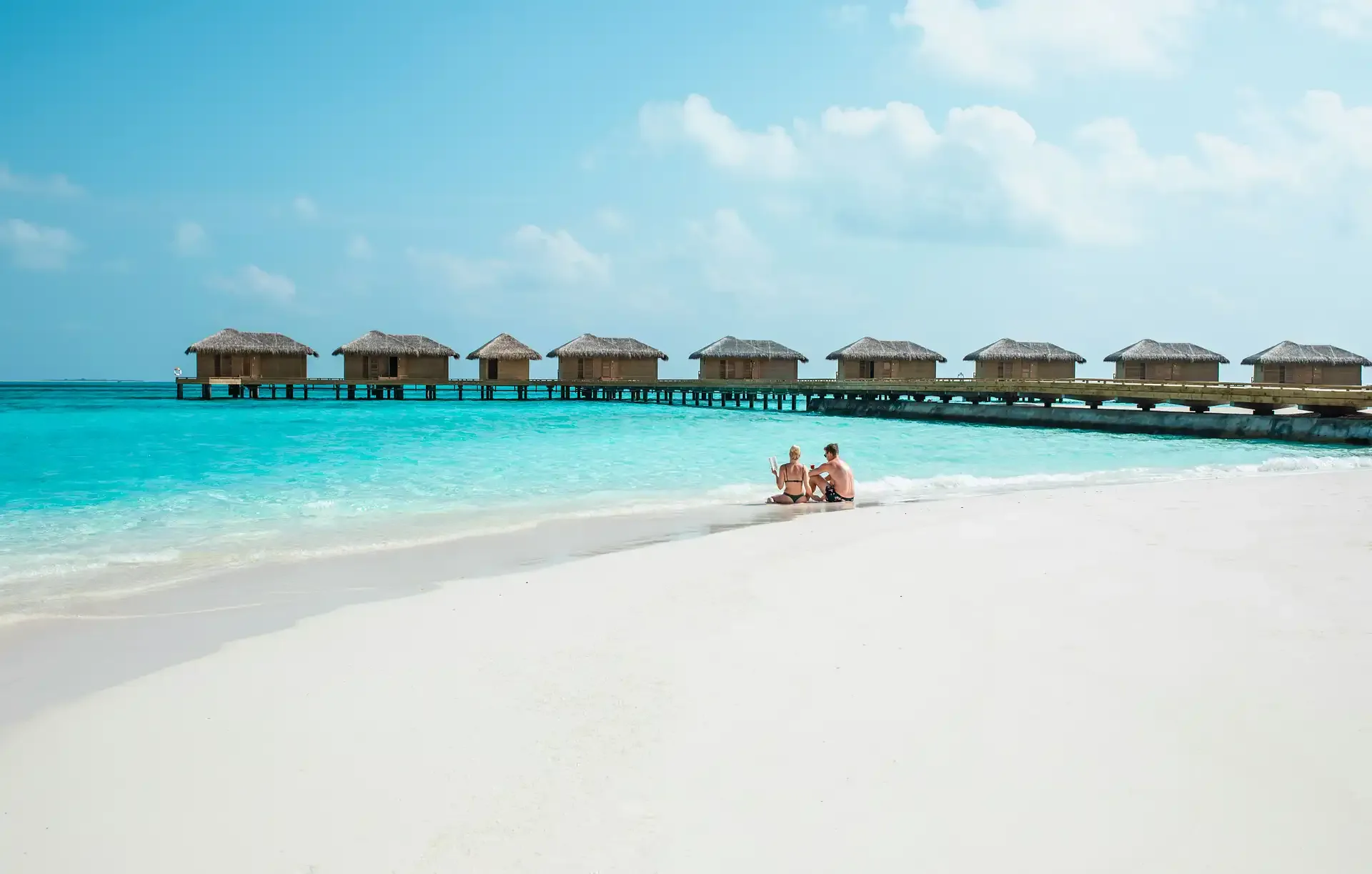
Today there are more than 150 resort islands, ranging from intimate barefoot hideaways to some of the most celebrated luxury hotels on earth. The Maldives is where the overwater villa was born, and where the underwater restaurant, the private sandbank dinner and the island spa were perfected.
Beyond the resorts
Since guesthouses were permitted on inhabited islands, a second, far more affordable Maldives has opened up — staying in a village, eating local food, and taking day trips out to the reefs. It is a wonderful way to see the country beyond the infinity pool.
Underwater
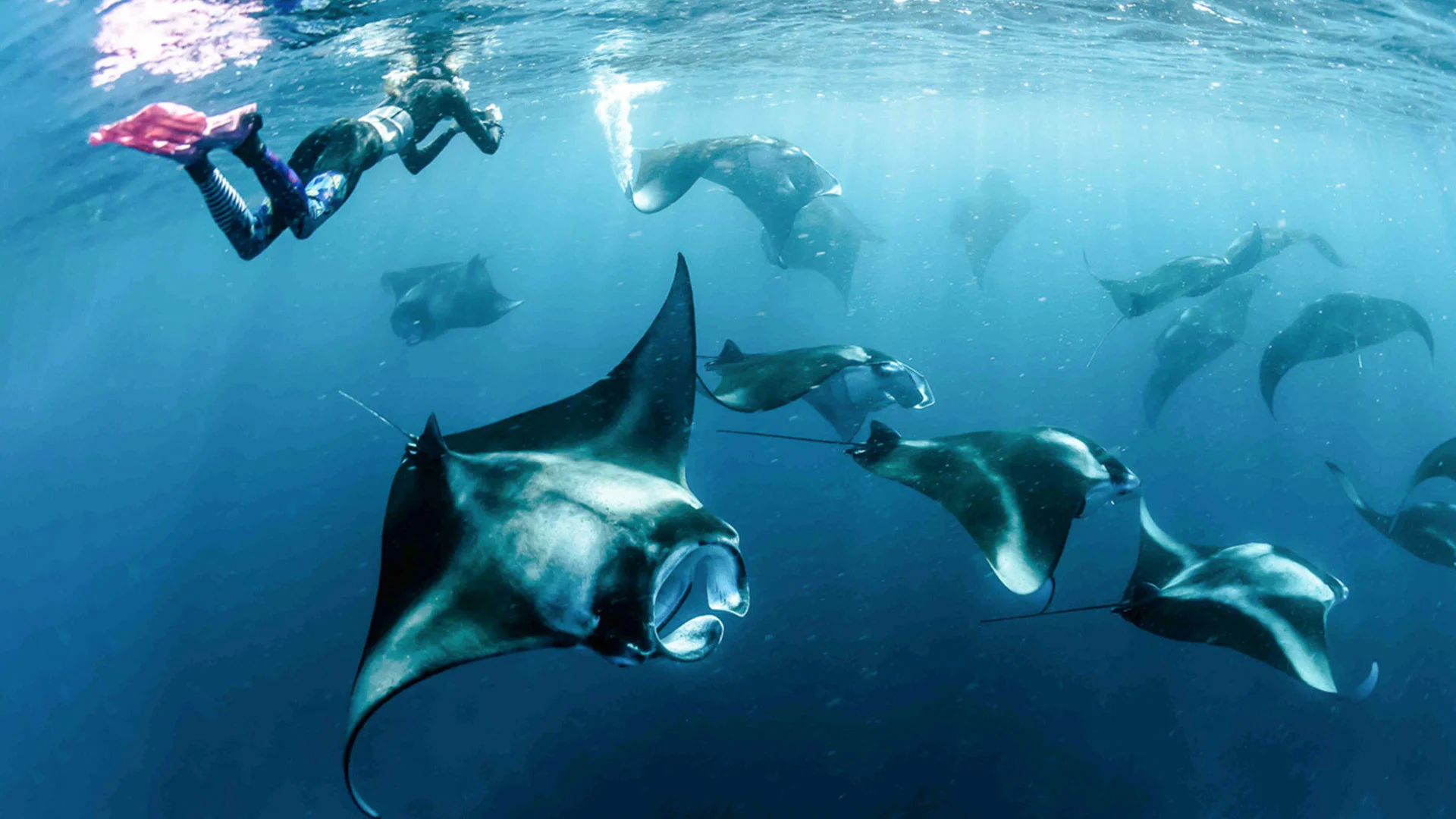
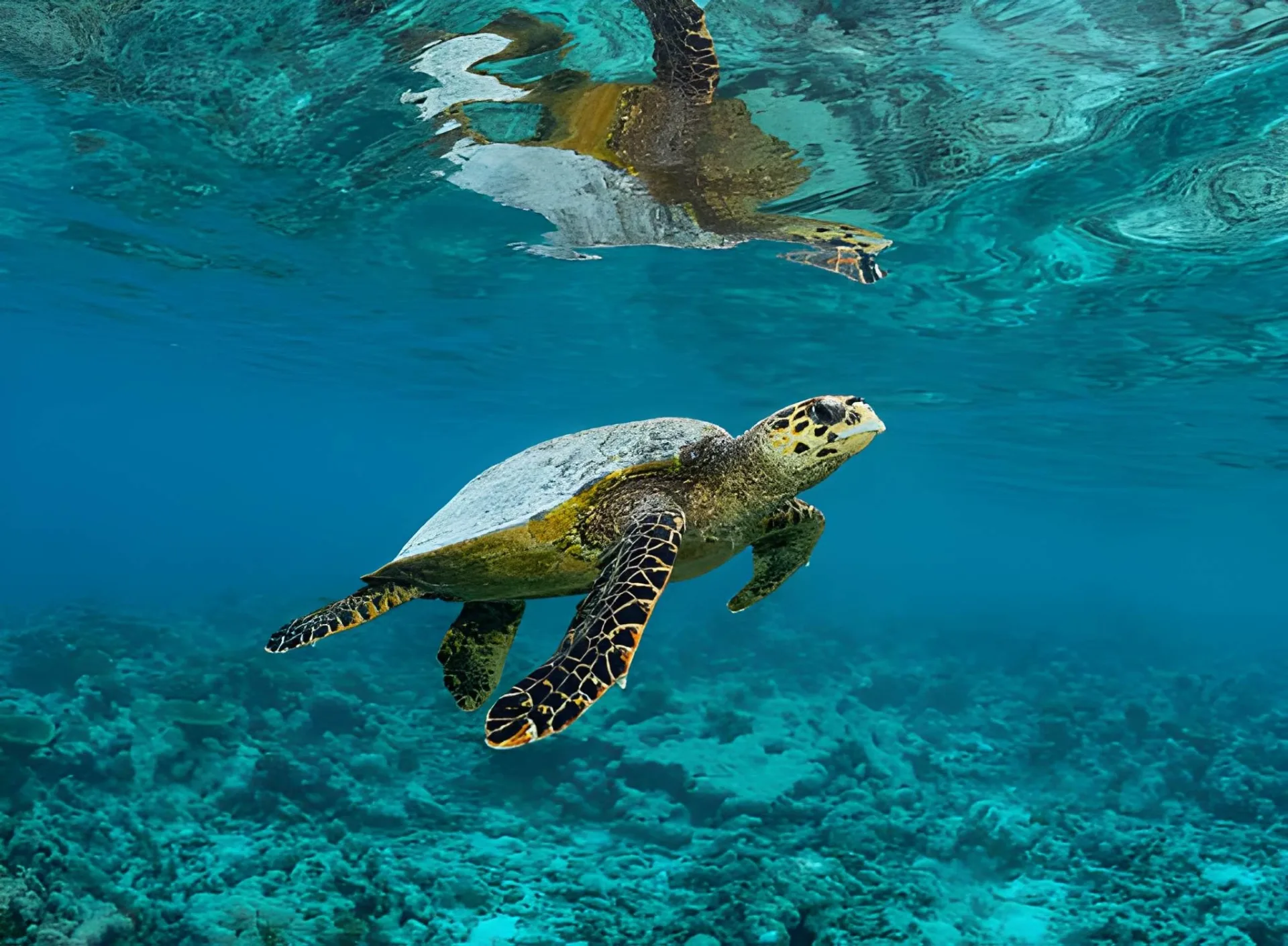
The Maldives is one of the world's great diving and snorkelling destinations, with warm, clear water, healthy reefs, and reliable encounters with manta rays, whale sharks, reef sharks and turtles. Baa Atoll is a UNESCO Biosphere Reserve, and its Hanifaru Bay draws one of the largest manta aggregations on the planet.
Things to Do in Maldives
Doing nothing is a perfectly respectable Maldives itinerary. But when you feel like moving, the ocean has plenty to offer.
- Sleep in an overwater villa and slip straight from your deck into the lagoon.
- Snorkel the house reef — on most islands the coral drop-off is a short swim from the sand.
- Dive world-class sites — channels, wrecks and thilas alive with reef sharks, eagle rays and napoleon wrasse.
- Snorkel with manta rays in Baa Atoll's Hanifaru Bay, or with whale sharks in South Ari Atoll.
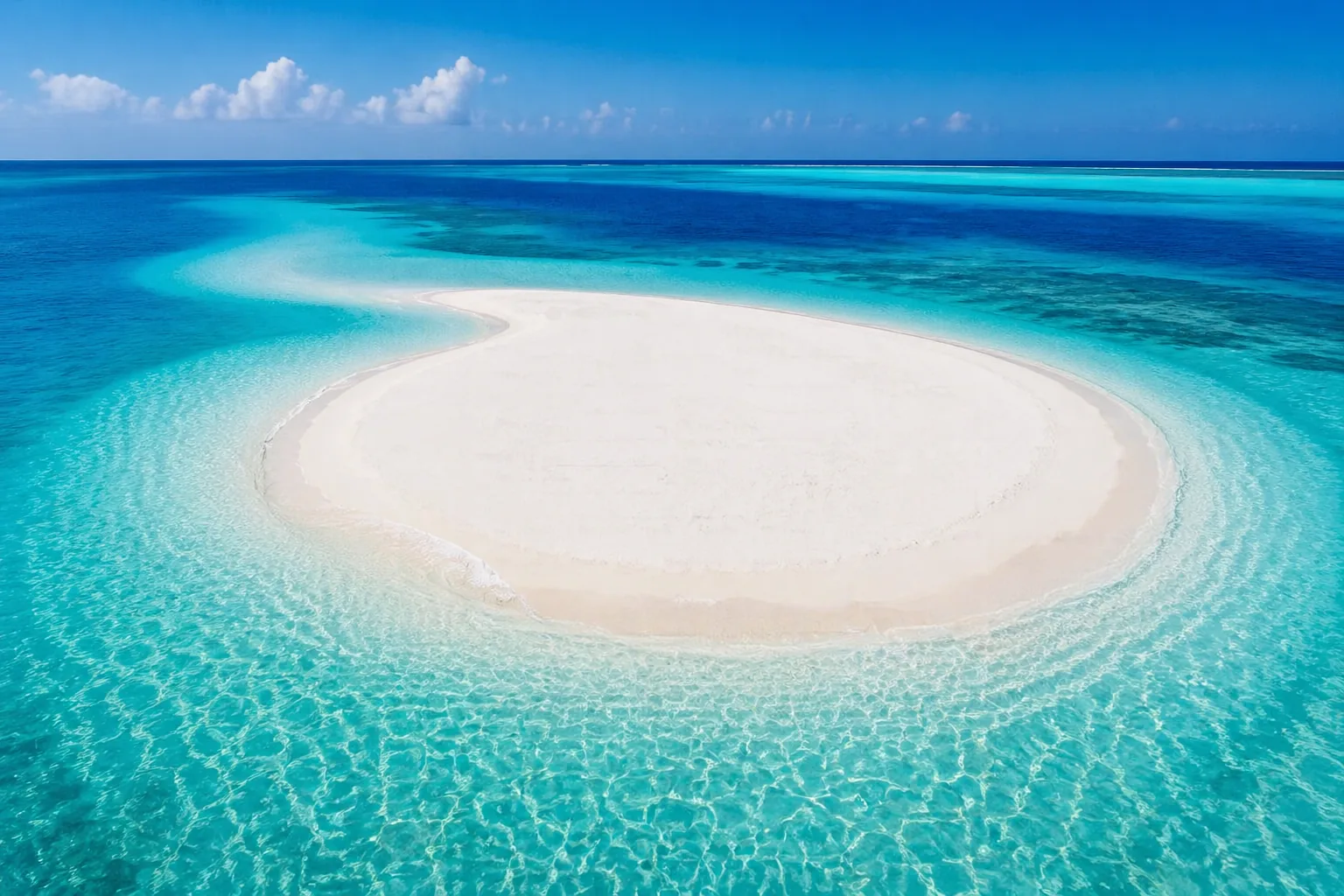
- Have a picnic on a sandbank — a strip of white sand in the middle of the ocean, just for you.
- Take a sunset dolphin cruise on a traditional dhoni.
- See the "Sea of Stars" — bioluminescent plankton lighting the shoreline blue after dark.
- Surf the reef breaks of the Male atolls between May and October.
- Book an overwater spa treatment with a glass floor and fish drifting beneath you.
- Visit a local island such as Maafushi to see everyday Maldivian life.
- Try night fishing, then have the chef grill your catch on the beach.
- Take a seaplane scenic flight — the atolls from above are unforgettable.
Best Time to Visit Maldives
The Maldives is a year-round destination — it is warm and swimmable every single day. What changes is the sunshine, the price and what is happening underwater.
November to April — the dry season (best weather)
Blue skies, calm seas, low humidity and superb visibility. This is peak season, and December to March is the busiest and most expensive stretch, especially over Christmas and New Year. If you want guaranteed sun for a honeymoon or a special occasion, book this window well in advance.
May to October — the wet season (best value)
Expect more cloud and short, heavy showers, but also plenty of sunshine between them. Resorts are quieter and rates can be dramatically lower. This is the season for surfing, and the best time for manta rays — the Hanifaru Bay aggregation typically runs from around May to November.
Quick guide
- Honeymoon or guaranteed sun: January to April.
- Best value: May to October.
- Whale sharks: possible year-round in South Ari Atoll.
- Manta rays: around May to November in Baa Atoll.
Places to Visit in Maldives
In the Maldives you choose an atoll rather than a city. Each has its own character, its own marine life and its own transfer time from Male.
- North & South Male Atoll — closest to the airport, reached by a short speedboat. Great value, excellent reefs and a huge choice of resorts. Ideal for shorter stays.
- Baa Atoll — a UNESCO Biosphere Reserve, and home to Hanifaru Bay, where manta rays gather in extraordinary numbers. Beautiful luxury resorts.
- Ari Atoll (Alifu) — the diving heartland, and the most reliable place in the country to snorkel with whale sharks.
- Lhaviyani & Noonu Atolls — quieter, pristine reefs and some of the finest high-end island resorts.
- Addu Atoll — the far south: a British wartime history, a sunken wreck dive, and a very different, greener feel.
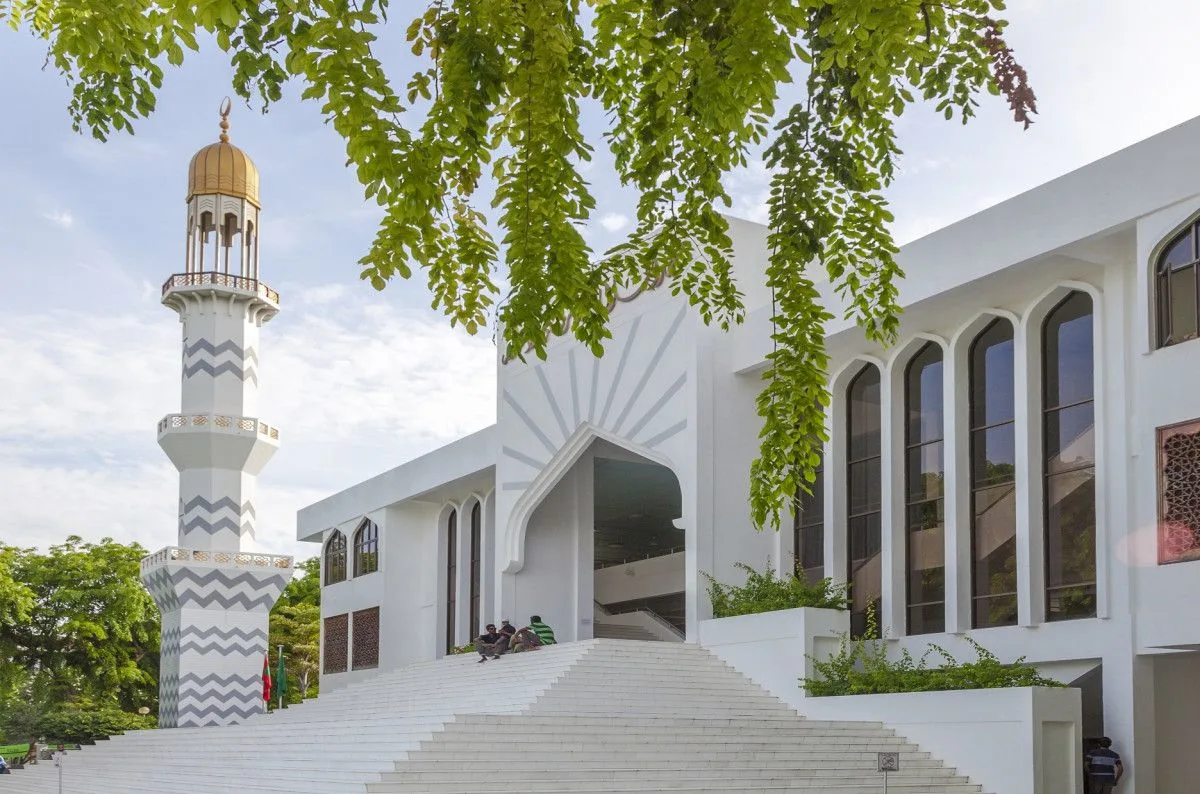
- Male — the capital: the Grand Friday Mosque, the fish market and the buzz of city life, worth a half day on the way through.
- Maafushi & other local islands — affordable guesthouses, local food, "bikini beaches" and a genuine sense of Maldivian life.
- Vaadhoo — famous for its glowing, bioluminescent shoreline.
Not sure which atoll suits you? Tell us what matters most — reef, romance, budget or big fish — and we will match you to the right island.
Food and Restaurants in Maldives
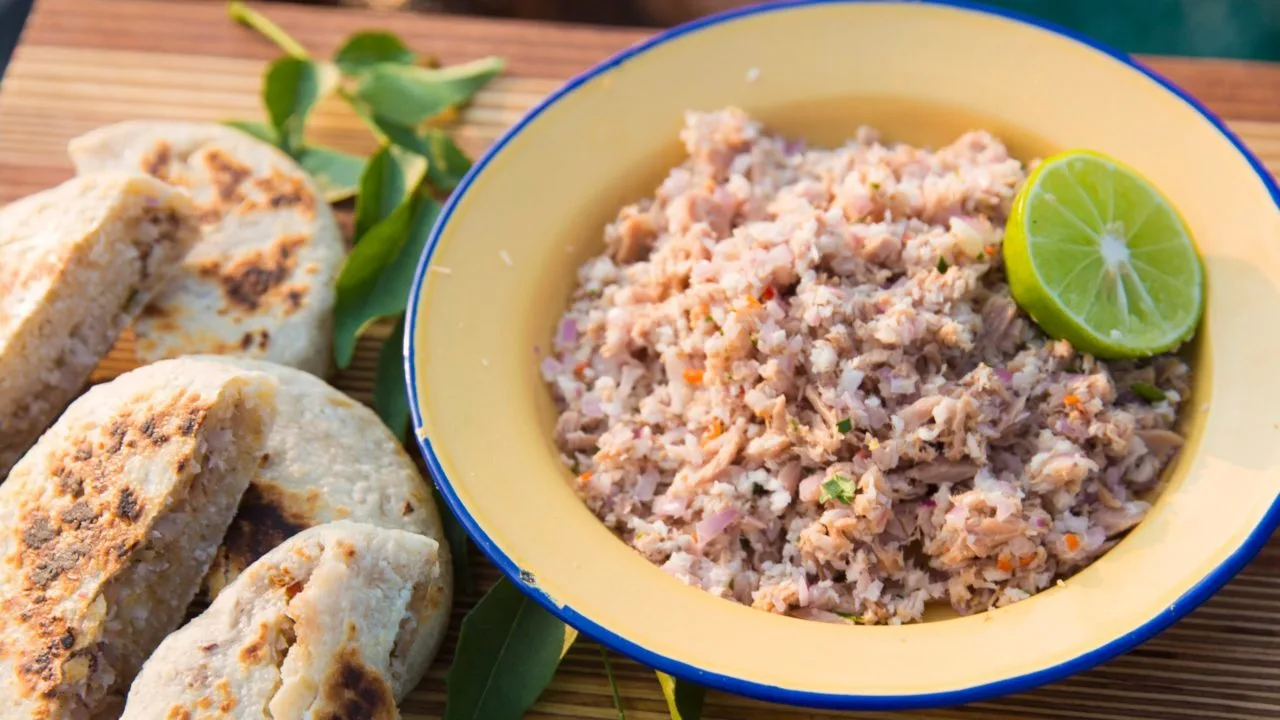
Maldivian cooking is built on three things the islands have always had: tuna, coconut and rice — usually with a generous kick of chilli. It is simple, fresh and far more interesting than most visitors expect.
Dishes to try
- Mas huni — the national breakfast: shredded smoked tuna with grated coconut, onion, chilli and lime, scooped up with warm roshi flatbread.
- Garudhiya — a clear, fragrant fish broth served with rice, lime and chilli.
- Fihunu mas — whole reef fish rubbed with chilli paste and grilled over coals.
- Rihaakuru — a rich, dark tuna paste, deeply savoury and eaten with rice.
- Hedhikaa — the beloved "short eats": bajiya, gulha, bis keemiya and other fried snacks taken with sweet black tea.
- Saagu bondibai — a sweet sago and coconut milk pudding.
Where to eat
Resorts offer superb international dining — often several restaurants, a private beach or sandbank dinner, and in some cases an underwater restaurant. Nearly all resorts serve alcohol; inhabited local islands do not, as the Maldives is a Muslim country. To taste the real thing, eat at a guesthouse or a Male tea shop, and ask for the day's catch. We are happy to arrange private dining and chef's-table experiences as part of your stay.
Festivals and Events in Maldives
Maldivian celebrations follow the Islamic lunar calendar, so their dates shift by roughly ten days each year. Resorts mark them gently; on local islands they are a much bigger affair.
- Ramadan — the holy month of fasting. On inhabited islands, cafes close during daylight and life slows down; resorts continue as normal, but it is a time to be especially respectful.
- Eid al-Fitr (Kuda Eid) — the joyful end of Ramadan, celebrated with feasting, family visits, music and bodu beru drumming.
- Eid al-Adha (Bodu Eid) — the "big Eid", with the largest public celebrations, games and island-wide feasts.
- Independence Day (26 July) — parades and ceremonies marking independence in 1965.
- Republic Day (11 November) — a national celebration with performances and displays.
- National Day — commemorating the defeat of Portuguese occupation, celebrated on a lunar date.
- Bodu beru evenings — not a festival as such, but most resorts host regular drumming and dance performances that are a highlight of any stay.
Tell us when you plan to travel and we will let you know what will be happening while you are there.
Maldives Visa
The Maldives has one of the simplest entry policies in the world, and for most travellers there is no visa to arrange in advance.
Free visa on arrival
Citizens of all nationalities are granted a free 30-day tourist visa on arrival at Velana International Airport. There is no application form to submit to an embassy and no visa fee.
What you need on arrival
- A passport valid for at least one month beyond your stay (six months is strongly recommended, and required by some airlines).
- A confirmed hotel, resort or guesthouse booking.
- A return or onward ticket.
- Proof of sufficient funds for your stay (a confirmed pre-paid booking usually satisfies this).
Traveller Declaration
All arriving and departing passengers must complete an online Traveller Declaration (IMUGA) form, typically within 96 hours before travel. It takes a few minutes and produces a QR code to show at immigration.
Extensions beyond 30 days are possible but must be applied for locally before your visa expires.
Important: entry requirements can change. Always check the official Maldives Immigration website before you fly. If you travel with us, we will confirm the current requirements and send you the Traveller Declaration link ahead of departure.
Do's and Don'ts in Maldives
The Maldives has two sets of rules, and knowing which one applies is the key to a relaxed trip. Resort islands are private and liberal. Inhabited local islands are conservative and Muslim. Behave accordingly and you will be warmly welcomed everywhere.
Do
- Wear what you like on a resort island — swimwear is entirely normal around the beach and pool.
- Dress modestly on local islands and in Male — cover shoulders and knees. Swim in a bikini only on designated "bikini beaches".
- Use reef-safe sunscreen. Standard sunscreens damage coral, and some resorts ask you not to use them.
- Ask before photographing local people, particularly women.
- Look where you step in the water — reef shoes protect both your feet and the coral.
- Book excursions through your resort or a licensed operator, especially for diving.
Don't
- Don't take alcohol into the country. It is confiscated at customs. Alcohol is served only on resort islands and licensed vessels, never on inhabited islands.
- Don't bring pork products, or anything that could be considered offensive to Islam.
- Don't touch or stand on coral, and don't chase, touch or ride marine life — including turtles and manta rays.
- Don't collect coral, shells or sand — exporting them is prohibited.
- Don't show public affection on local islands, and avoid it in Male.
- Don't eat, drink or smoke in public during daylight hours on local islands during Ramadan.
- Don't drink the tap water — resorts provide filtered or bottled water.
Our Maldives Holiday Packages
Handpicked Maldives holidays, ready to book or tailor entirely to you.
 Beach
Customizable
Beach
Customizable
Maldives Island Escape: Turquoise Lagoons & White Sands
Maldives Island Escape: Turquoise Lagoons & White Sands
Maldives
 Honeymoon
Customizable
Honeymoon
Customizable
Maldives Honeymoon: Overwater Villas & Ocean Romance
Maldives Honeymoon: Overwater Villas & Ocean Romance
Maldives
 Honeymoon
Customizable
Honeymoon
Customizable
Luxury Maldives: The Ultimate Island Paradise
Luxury Maldives: The Ultimate Island Paradise
Maldives
 Adventure
Customizable
Adventure
Customizable
Maldives Diving & Snorkelling: Reefs, Mantas & Sharks
Maldives Diving & Snorkelling: Reefs, Mantas & Sharks
Maldives
 Beach
Customizable
Beach
Customizable
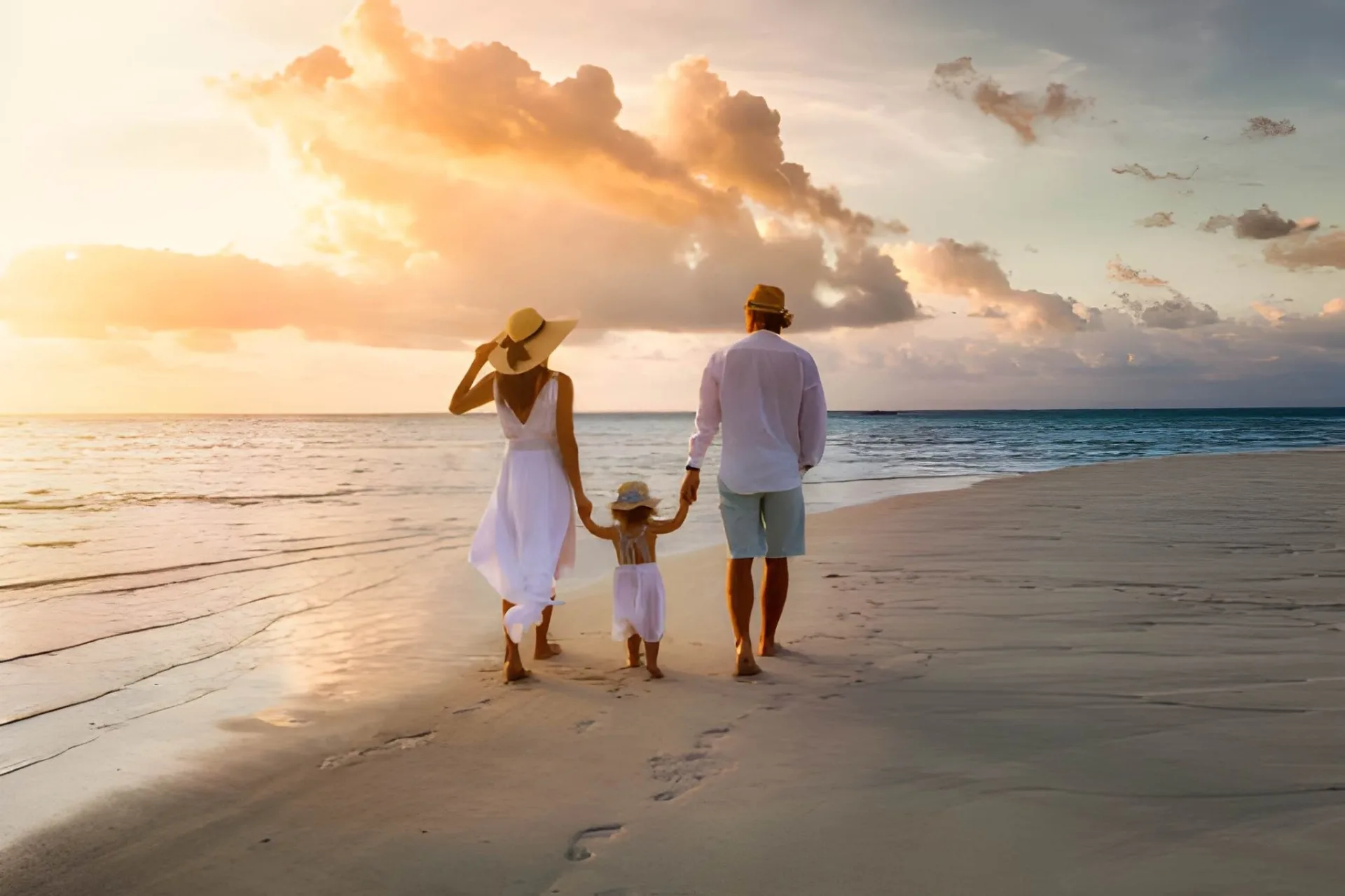
Maldives Family Holiday: Lagoons, Reefs & Island Fun
Maldives Family Holiday: Lagoons, Reefs & Island Fun
Maldives
 Beach
Customizable
Beach
Customizable
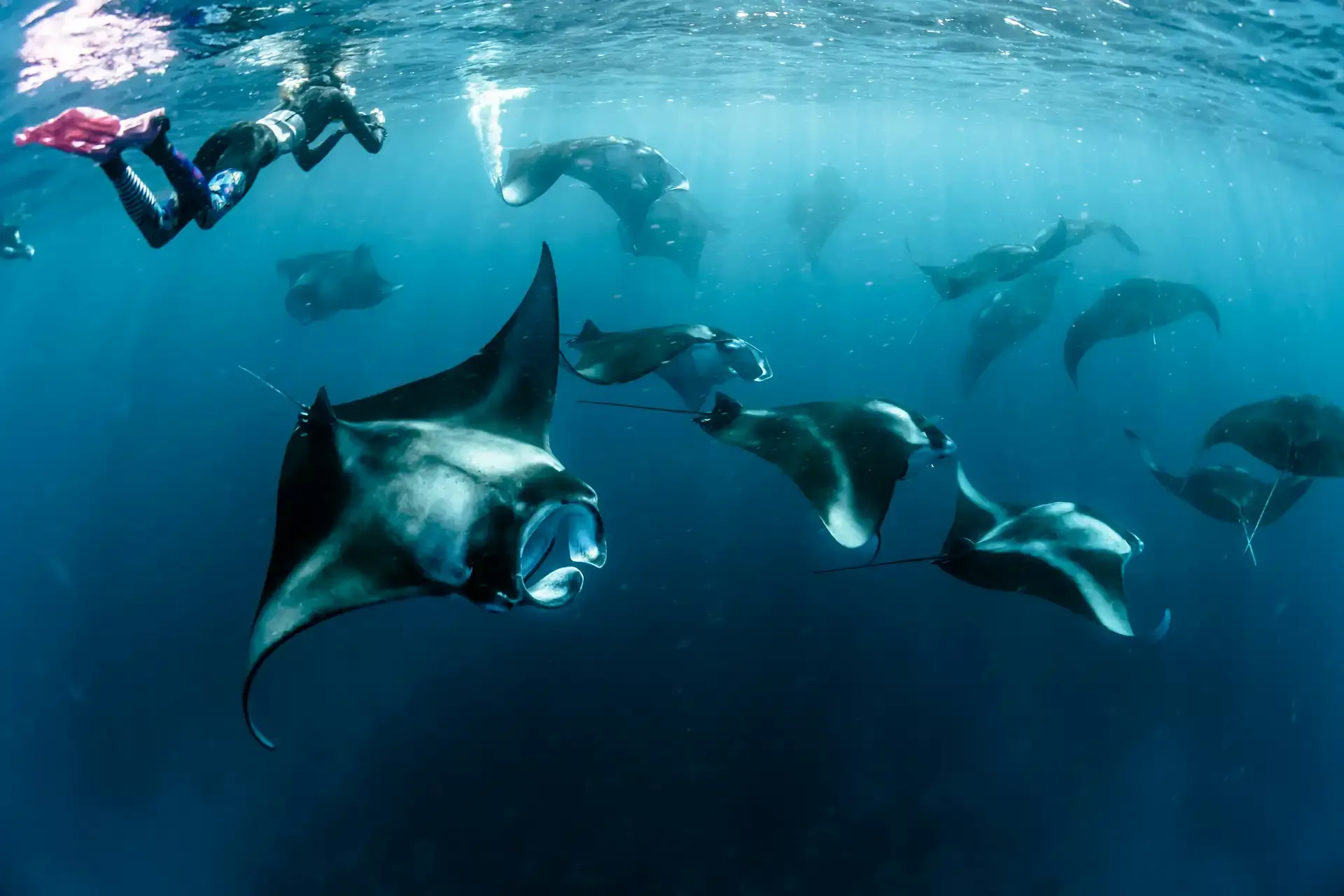
Maldives Local Islands: Authentic Island Life & Guesthouses
Maldives Local Islands: Authentic Island Life & Guesthouses
Maldives
 Beach
Customizable
Beach
Customizable
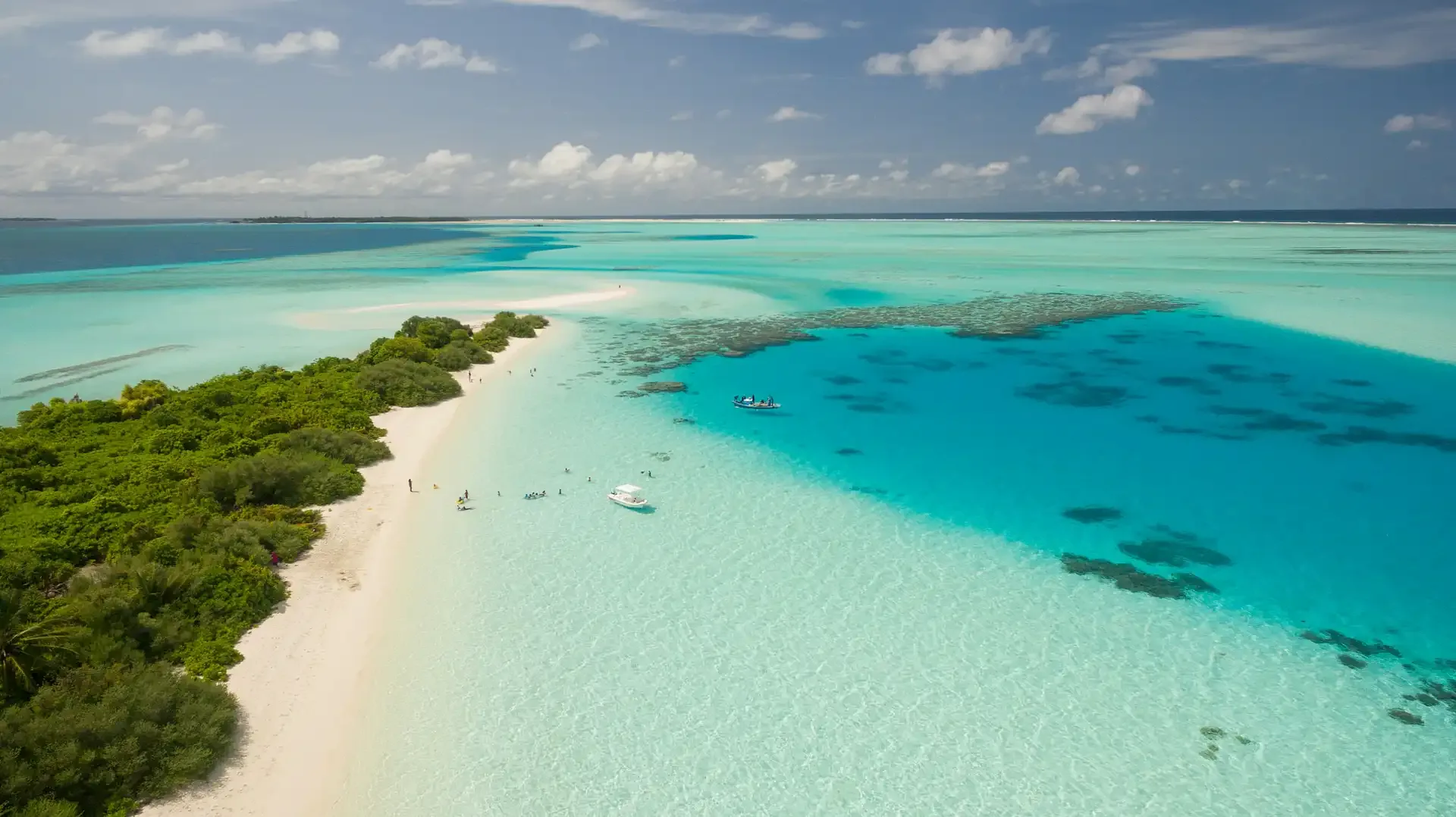
Maldives Manta & Whale Shark Safari
Maldives Manta & Whale Shark Safari
Maldives
 Adventure
Customizable
Adventure
Customizable
Maldives Surf: Perfect Warm-Water Waves
Maldives Surf: Perfect Warm-Water Waves
Maldives
 Adventure
Customizable
Adventure
Customizable
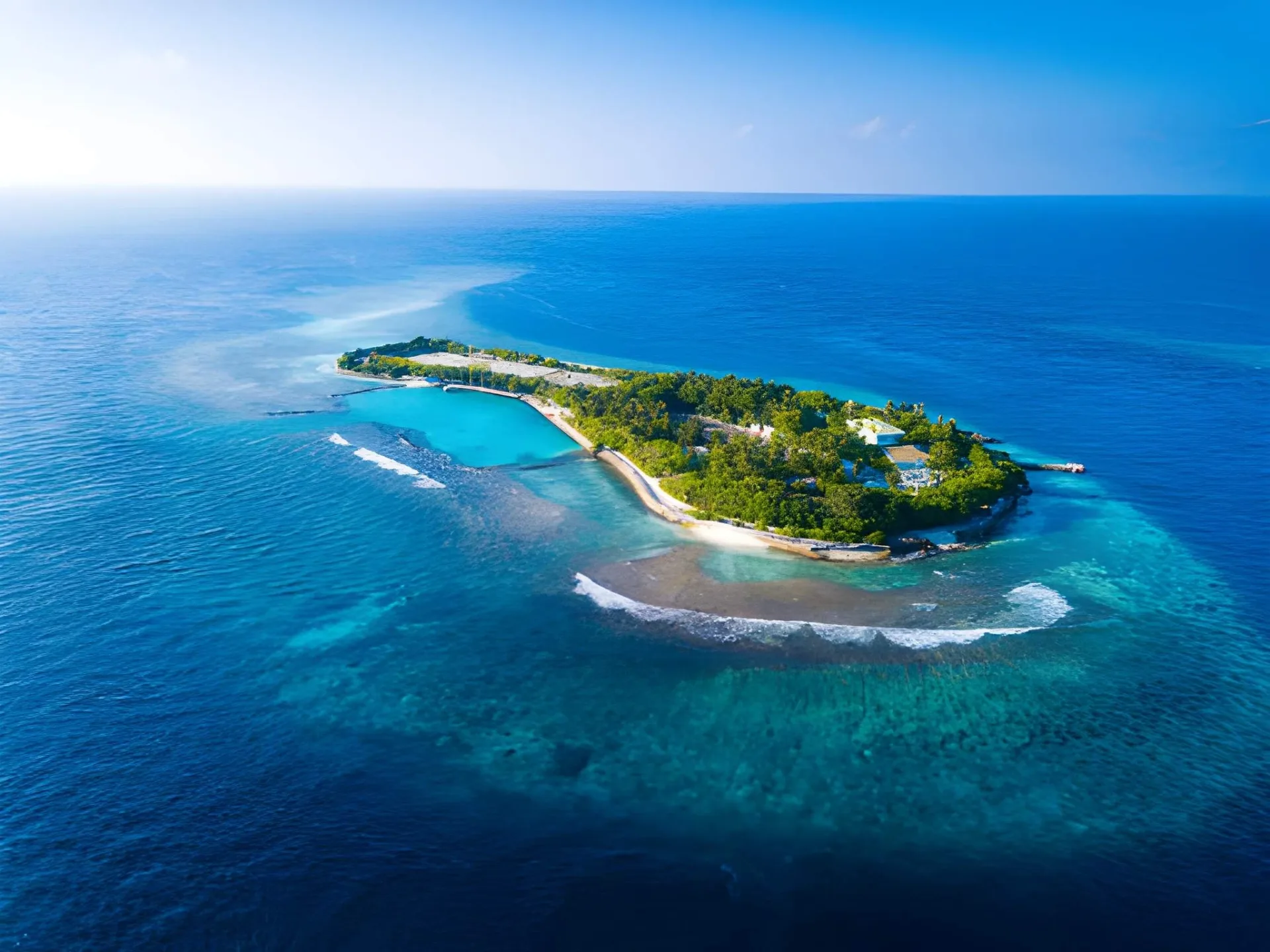
Maldives Liveaboard Cruise: Atolls, Reefs & Marine Life
Maldives Liveaboard Cruise: Atolls, Reefs & Marine Life
Maldives
 Beach
Customizable
Beach
Customizable
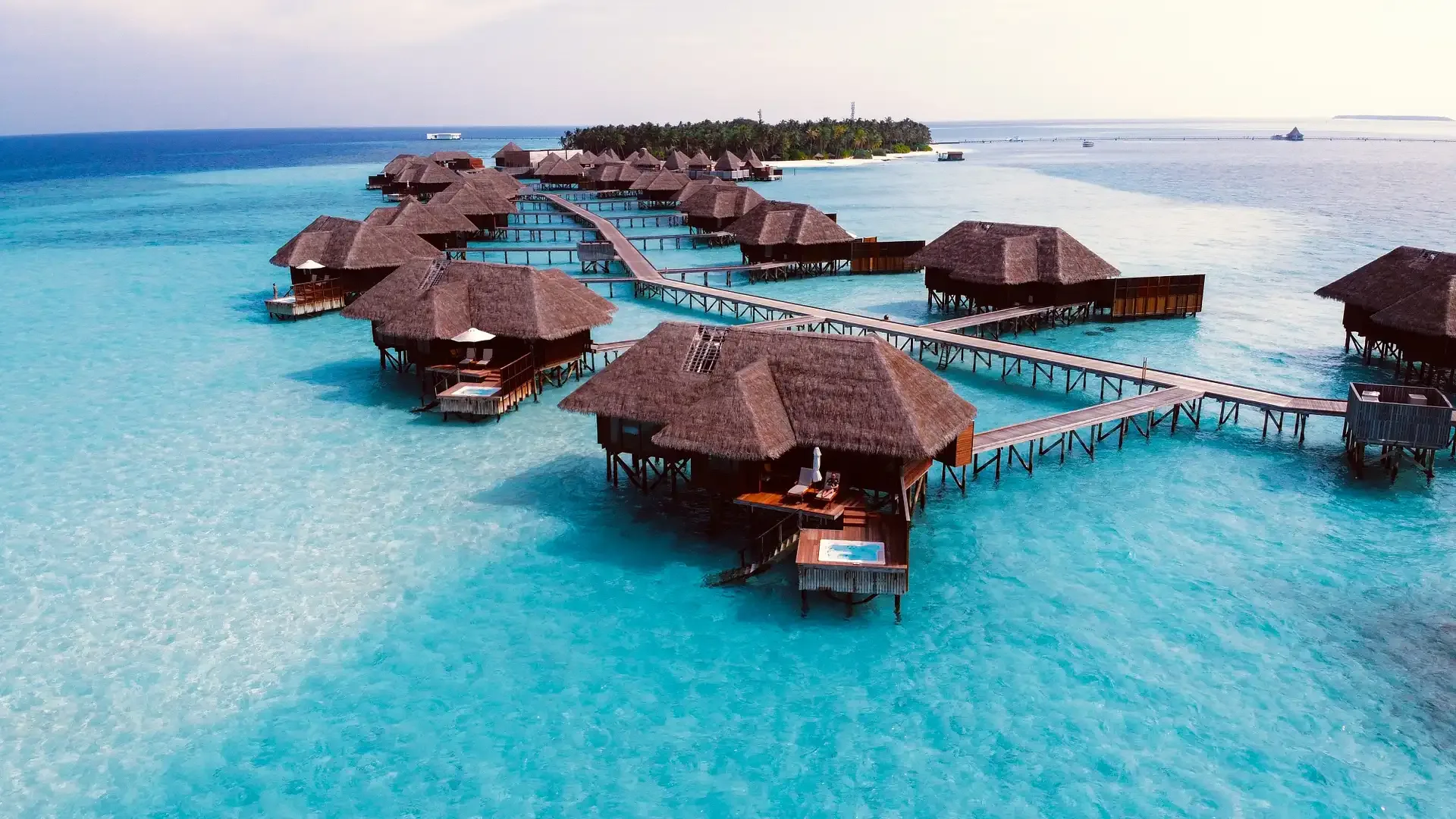
Grand Maldives: A Two-Island Escape
Grand Maldives: A Two-Island Escape
Maldives
 Beach
Customizable
Beach
Customizable
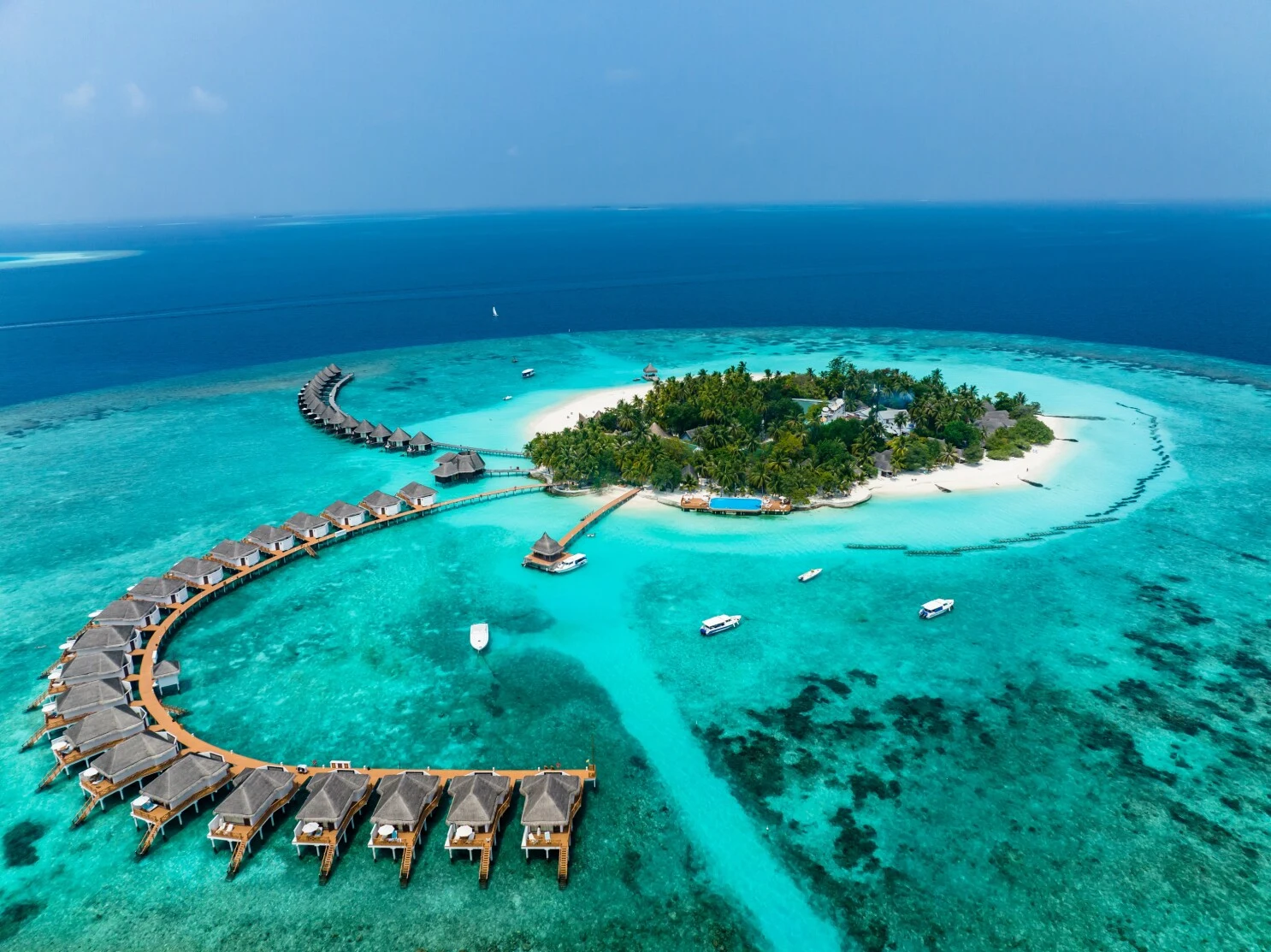
Maldives Overwater Retreat
Maldives Overwater Retreat
Male, Maldives
Recently Booked Itineraries
Real journeys booked by travellers this week. Get inspired and plan your own unforgettable trip.
Grand Scandinavian Explorer
$3,349 /person
Enchanting Bali & Java
$1,759 /person
Classic Italy Discovery
$2,535 /person
Thailand Island Hopper
$1,190 /person
Dubai & Abu Dhabi Luxe
$1,590 /person
Kenya Safari Adventure
$3,075 /person
Swiss Alps & Paris Romance
$4,099 /person
Australia East Coast Escape
$4,640 /person
Maldives Travel FAQs
Everything travellers usually ask us before booking a Maldives holiday.
When is the best time to visit the Maldives?
How many days should I spend in the Maldives?
Do I need a visa for the Maldives?
Is the Maldives only for honeymooners?
What is the difference between a water villa and a beach villa?
How do I get from Male airport to my resort?
Is alcohol available in the Maldives?
What should I pack for the Maldives?
Is snorkelling good in the Maldives?
Are Maldives resorts all-inclusive?
How much does a Maldives holiday cost?
Is the Maldives safe?
Can I visit more than one island?
What is there to do besides the beach?
Do you offer honeymoon extras in the Maldives?
Plan Your Maldives Trip
Tell us what you have in mind and our experts will craft a Maldives itinerary around you.