Bhutan Tour Packages
Your complete Bhutan travel guide, plus handpicked holidays crafted by our experts.
Bhutan Travel Guide
There is nowhere else quite like Bhutan. The last Buddhist kingdom in the Himalayas measures its success in Gross National Happiness rather than GDP, guards more than seventy percent forest cover by constitutional law, and remains the world's only carbon-negative country. It opened to visitors only in 1974 and still limits tourism by design — you cannot simply turn up and wander. That deliberate exclusivity is exactly why Bhutan feels untouched: prayer flags fluttering over pine-forested valleys, fortress-monasteries called dzongs presiding over river confluences, and the famous Tiger's Nest clinging to a sheer cliff nine hundred metres above the valley floor. Our Bhutan tour packages handle every detail this remarkable country requires — the visa, the Sustainable Development Fee, a licensed guide and driver throughout — so that all you have to do is arrive and be changed by the place.
Bhutan Travel Guide and Tips
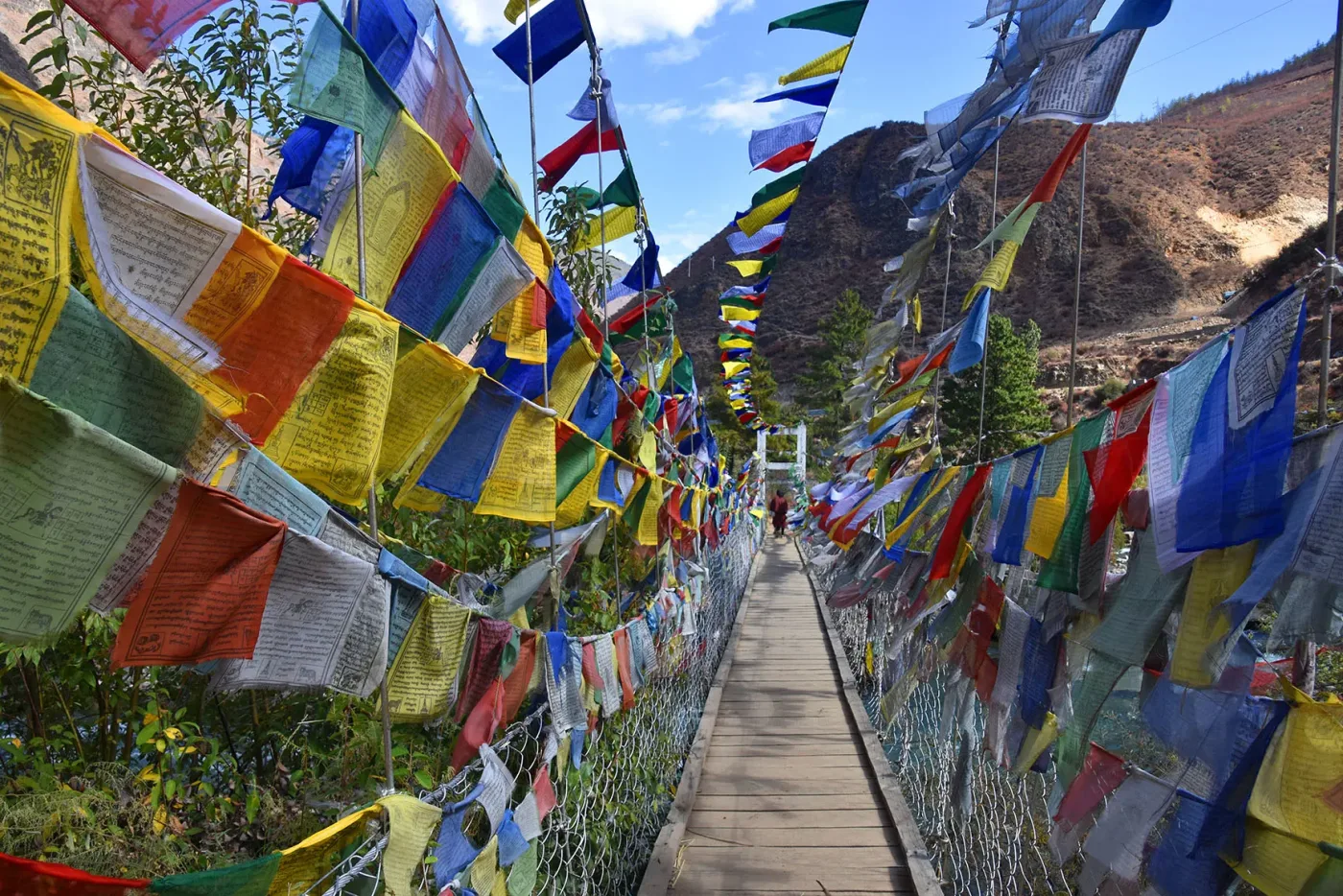
Bhutan is unlike any trip you have taken, and a little preparation makes all the difference. The single most important thing to understand is that independent backpacking is not permitted: every visitor (except those from India, Bangladesh and the Maldives) must travel on a pre-arranged itinerary through a licensed operator, pay a Sustainable Development Fee for each night of the stay, and be accompanied by a guide. This sounds restrictive and is in fact liberating — the logistics simply vanish.
A few practical pointers set you up well. Bhutan sits at altitude: Paro is around 2,200 metres and Thimphu 2,300, while mountain passes climb well past 3,000, so build in a gentle first day and drink plenty of water. The road network is winding and slow — distances that look short on a map take hours, and this is part of the rhythm rather than a flaw. Pack layers for genuinely cold mornings and warm afternoons, sturdy shoes for the Tiger's Nest hike, and modest clothing that covers shoulders and knees for the many temples and dzongs you will visit.
Bring some cash in US dollars to exchange for the local ngultrum; cards are accepted in larger hotels and shops in Thimphu and Paro but far less so elsewhere. And come with an open, unhurried mind. Bhutan rewards travellers who slow down.
Geography of Bhutan
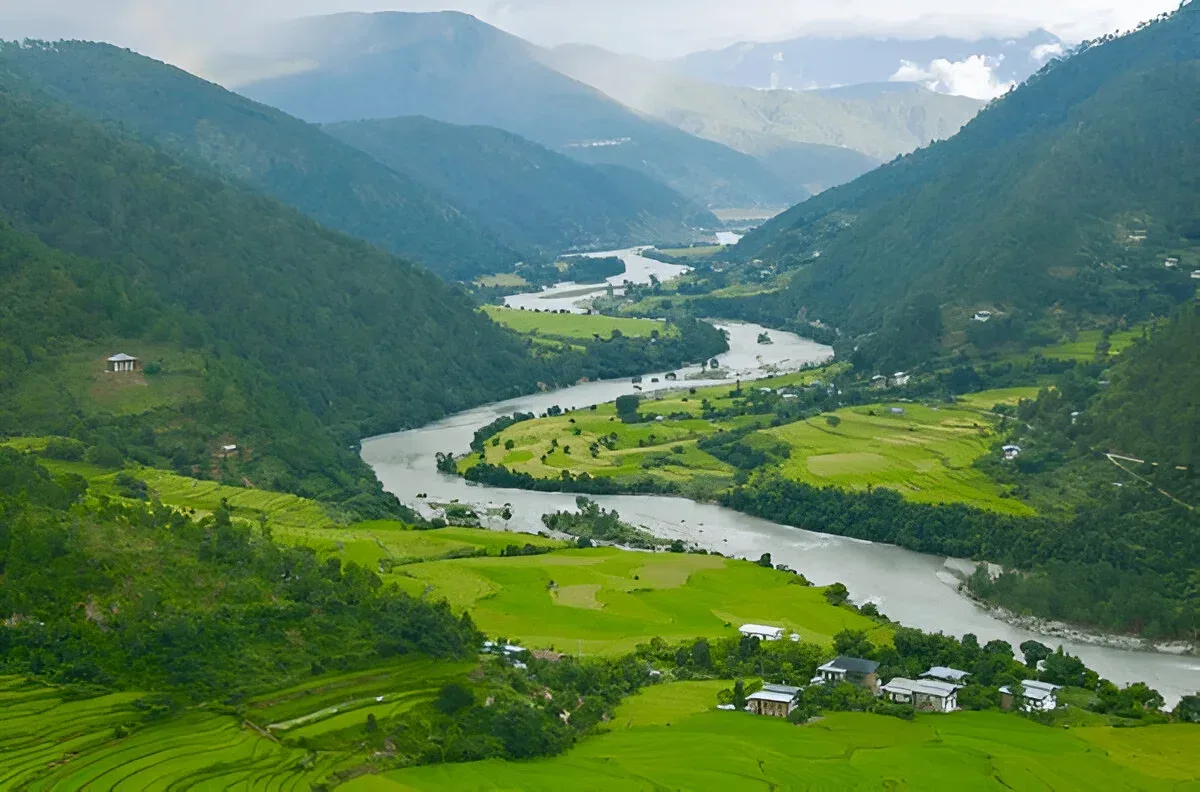
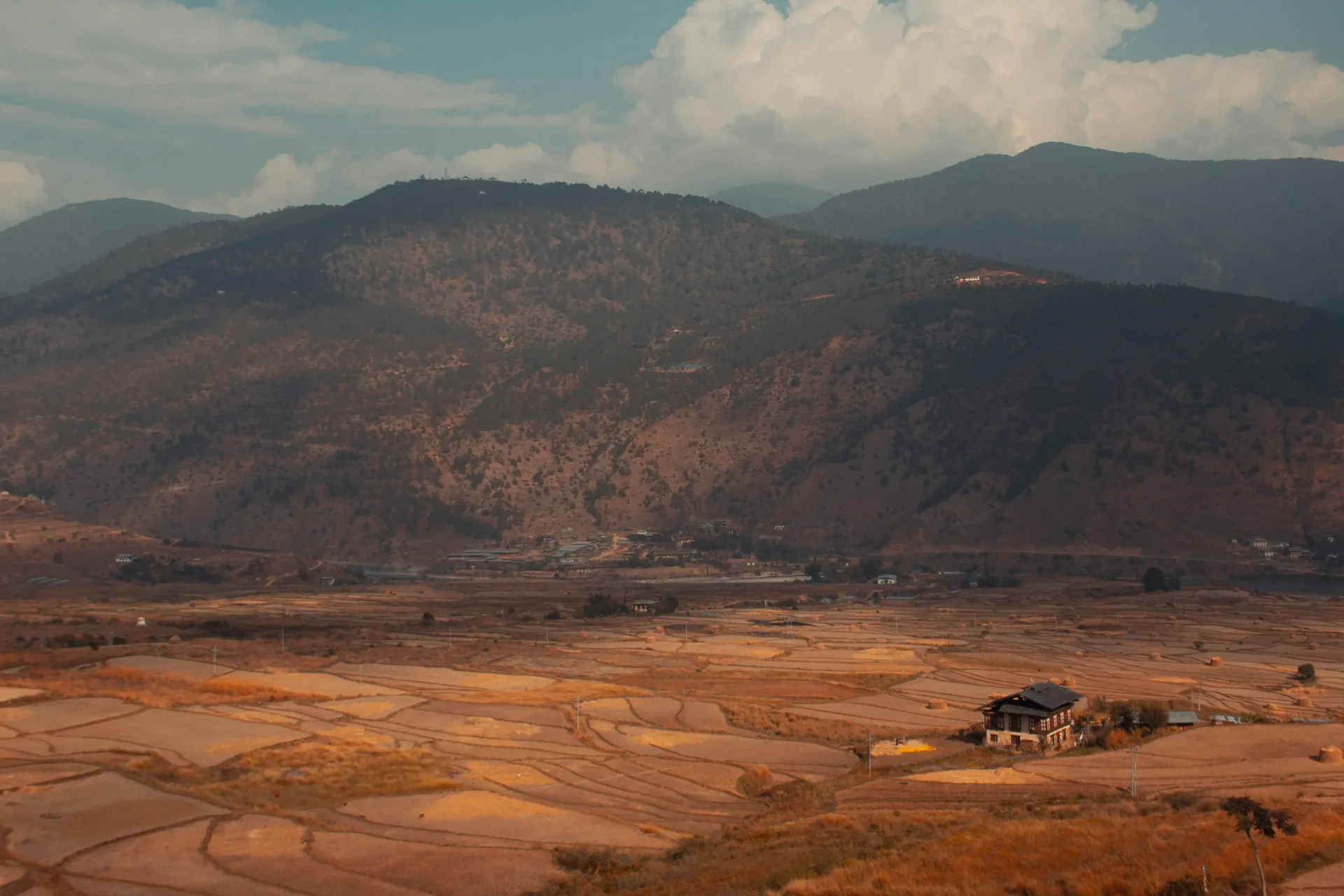
Bhutan is a small, landlocked country of roughly 38,000 square kilometres, wedged between two giants — India to the south and the Tibetan plateau of China to the north. What it lacks in size it makes up for in vertical drama: within a hundred kilometres the land rises from subtropical plains at barely 100 metres above sea level to Himalayan peaks above 7,000 metres.
The country divides neatly into three bands. The southern belt is a strip of hot, humid lowland and dense jungle bordering the Indian plains. The central band — where nearly all travellers spend their time — is a series of fertile, temperate valleys separated by forested ridges: Paro, Thimphu, Punakha, Phobjikha, Bumthang. The northern band is high Himalaya, a realm of glaciers, alpine meadows and remote yak-herding communities, home to sacred unclimbed peaks such as Gangkhar Puensum, the highest mountain in the world never to have been summited.
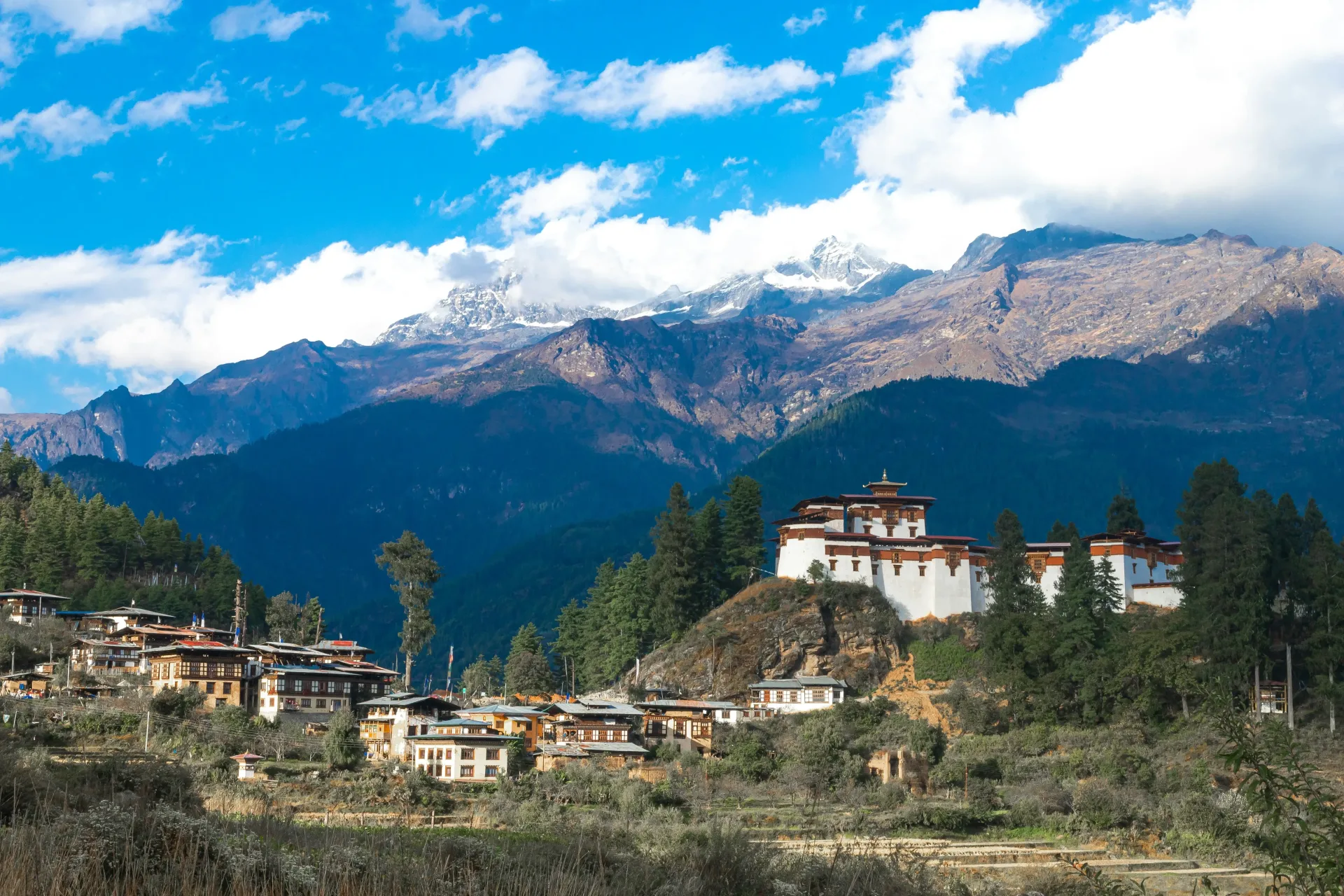
Rivers born in the northern snows carve south through the valleys, and their confluences are traditionally where the great dzongs were built. More than seventy percent of the country remains under forest, protected by a constitution that mandates at least sixty percent forest cover for all time.
Climate of Bhutan
Bhutan's climate follows its geography, so there is no single national weather — it depends entirely on altitude. The central valleys where you will spend most of your trip enjoy a pleasant temperate climate: warm days and cool-to-cold nights for much of the year.
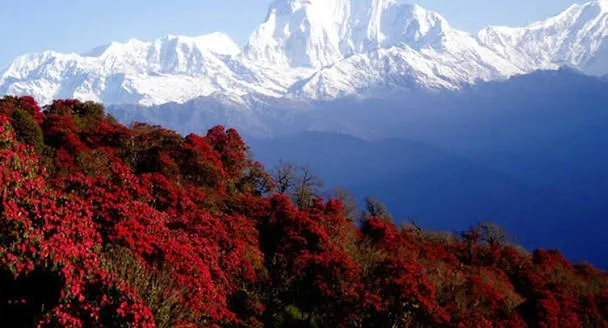
Spring (March to May) is warm, clear and alive with rhododendron and jacaranda blossom. Summer (June to August) brings the monsoon, with afternoon rain, low cloud that can hide the mountains, and lush green landscapes — the quietest and greenest season. Autumn (September to November) is the golden window: crisp, dry, brilliantly clear skies with the Himalaya at their most visible, and the harvest season in full colour. Winter (December to February) is cold and often bright, with frosty mornings, occasional snow at altitude, and the clearest mountain views of all, though high passes can close.
Whatever the season, the temperature swing between morning and afternoon is dramatic. Dressing in layers is not optional advice — it is essential.
Culture of Bhutan
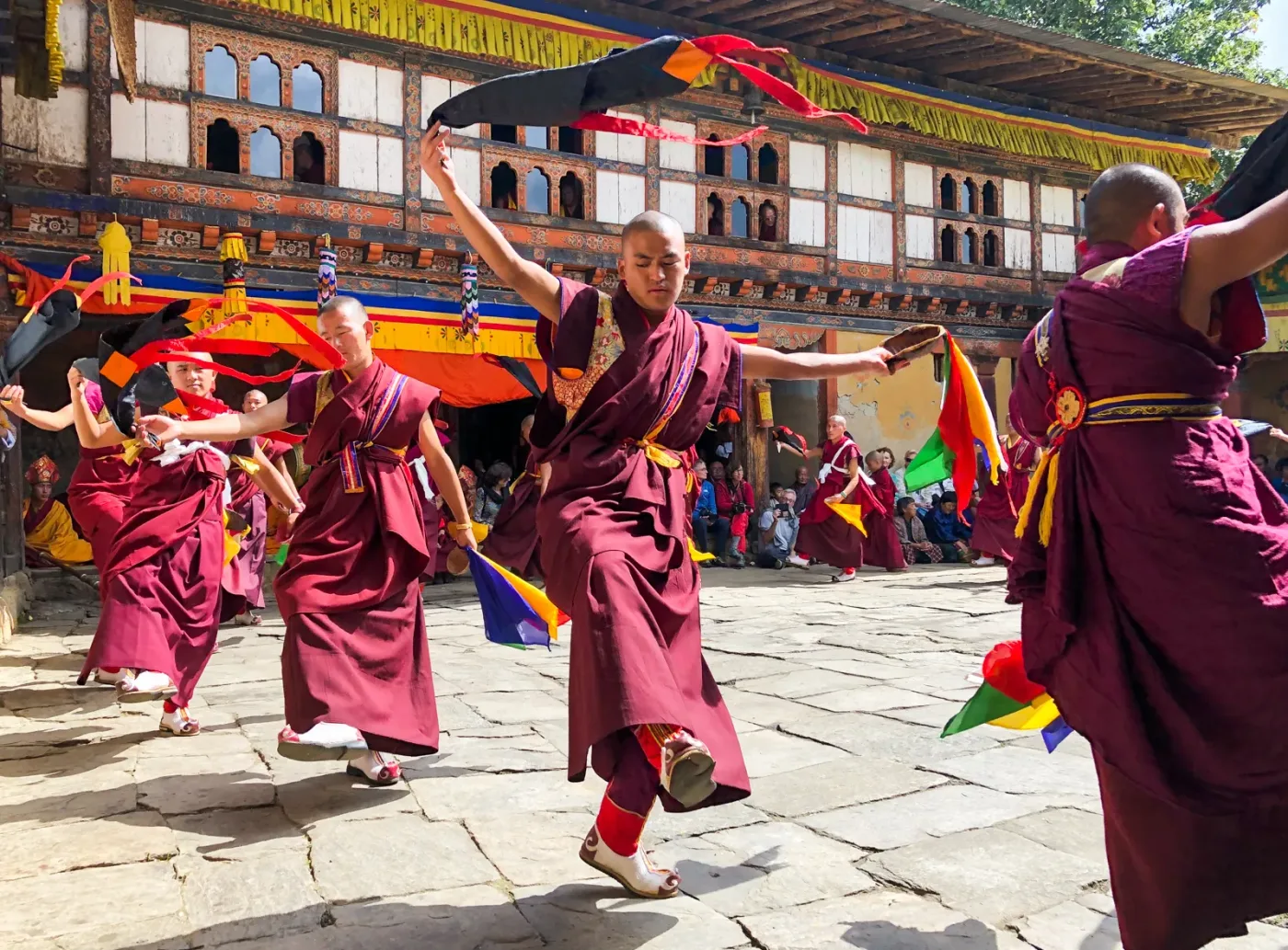
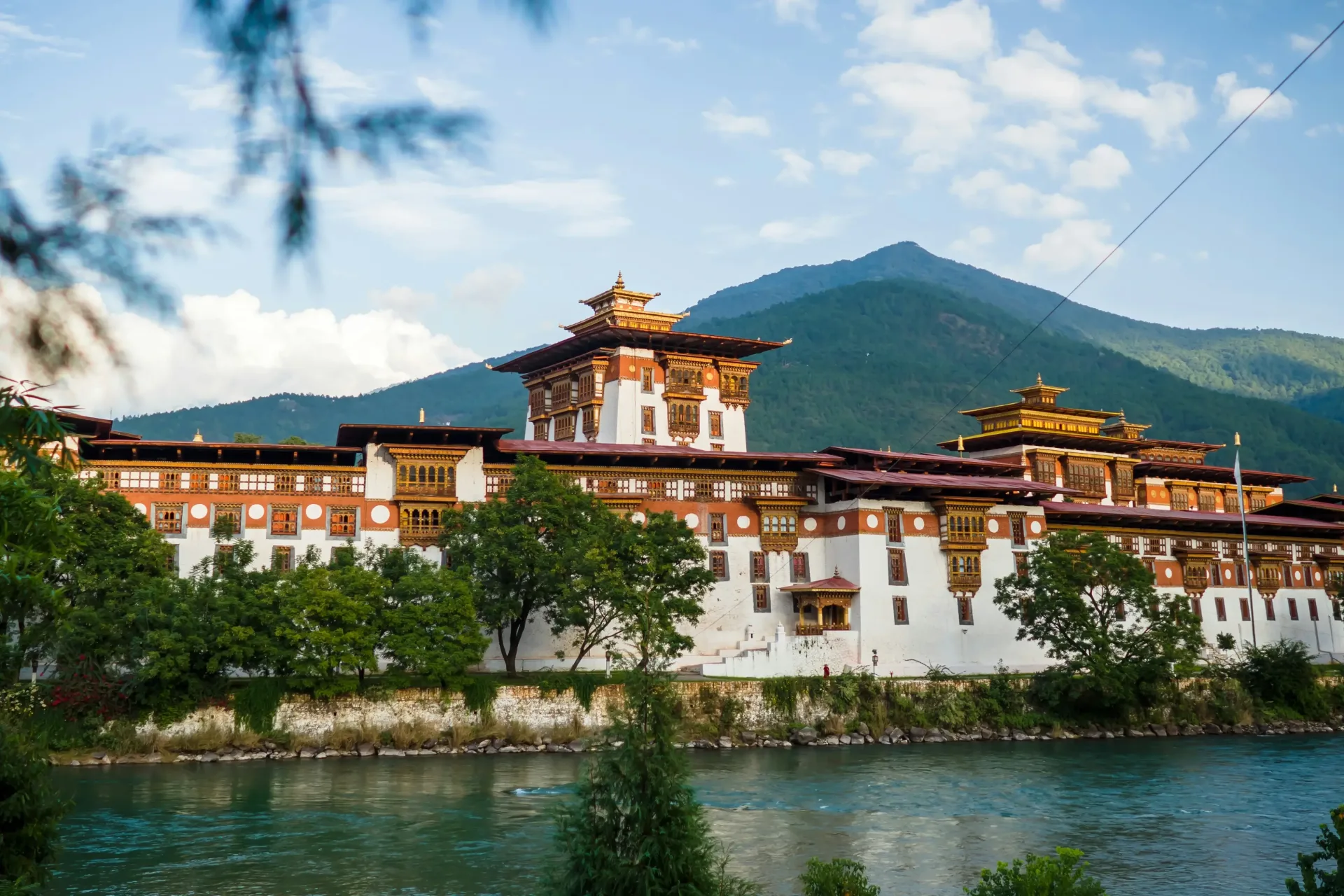
Culture is not a museum piece in Bhutan; it is lived, daily and everywhere. This is a deeply Buddhist society whose Vajrayana faith shapes the calendar, the architecture, the art and the pace of life. Prayer flags carry blessings on the wind, prayer wheels turn at every threshold, and the white-walled, gold-roofed dzongs that dominate each valley are simultaneously monastery, fortress and seat of government.
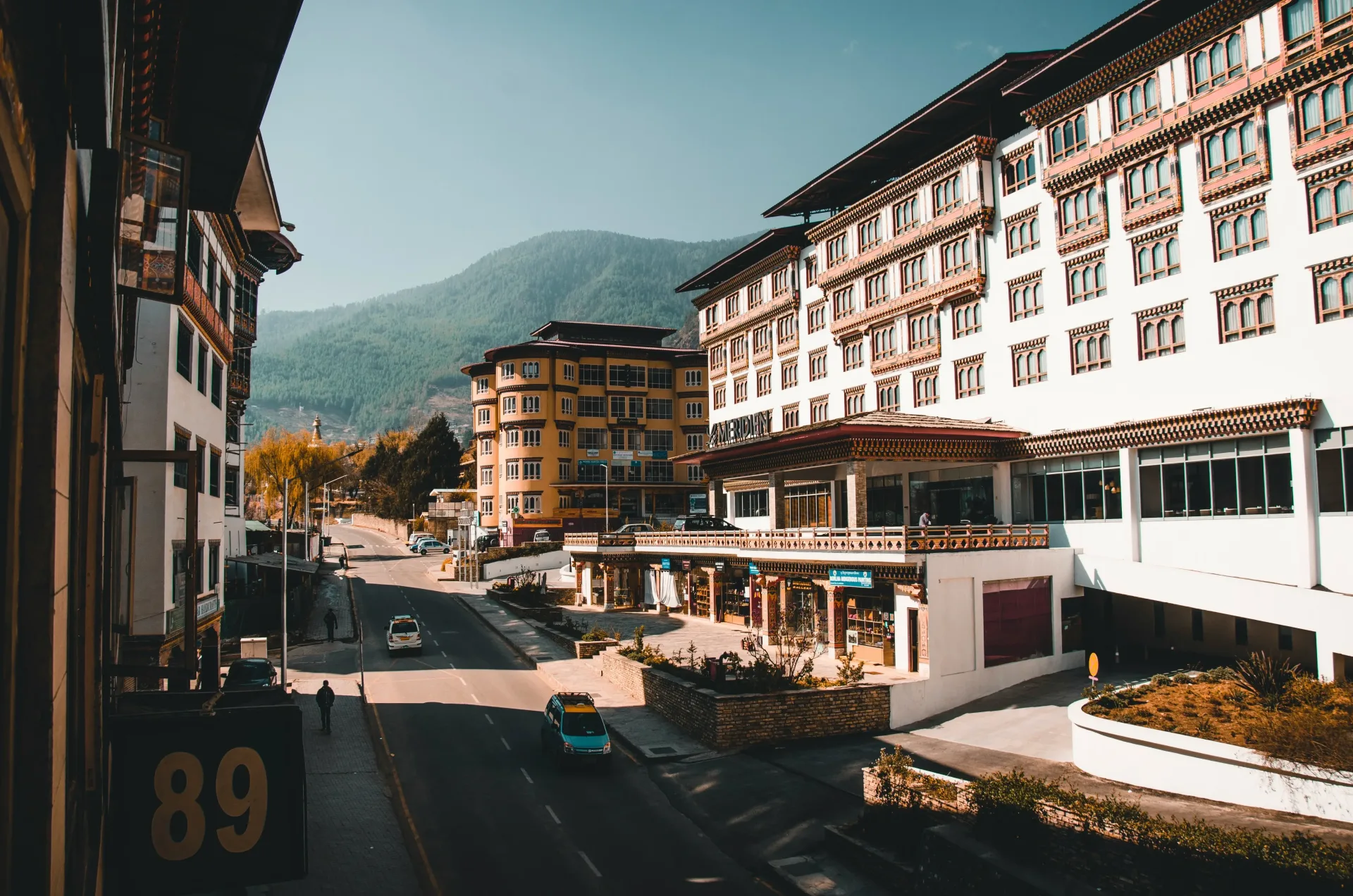
Bhutan is also the guardian of a distinctive national identity it has chosen, consciously, to protect. Traditional dress is worn daily and required in official and religious settings — the knee-length robe called the gho for men, the elegant ankle-length kira for women. Architecture follows time-honoured forms, and even modern buildings carry traditional windows and painted motifs. Archery is the national sport, and a village tournament — full of teasing, dancing and celebration — is one of the most joyful things a visitor can stumble upon.
Underpinning it all is the philosophy of Gross National Happiness, Bhutan's guiding measure of progress, which weighs cultural preservation, environmental protection and psychological wellbeing alongside economic growth. It is not a slogan for tourists — it is genuinely how the country governs itself.
Bhutan Tourism
Bhutan's approach to tourism is unique in the world and worth understanding, because it defines your whole trip. The guiding policy is "High Value, Low Impact" — the country deliberately limits visitor numbers to protect its environment and culture, choosing quality of experience over quantity of arrivals.
In practice this means all international tourists (other than those from India, Bangladesh and the Maldives) pay a Sustainable Development Fee of US$100 per person per night, which funds free healthcare and education for Bhutanese citizens, environmental conservation and cultural preservation. It also means you travel on a planned itinerary with a licensed guide rather than independently. The upside is profound: no crowds, no tourist traps, no touts, and a country that feels like a genuine discovery rather than a checklist.
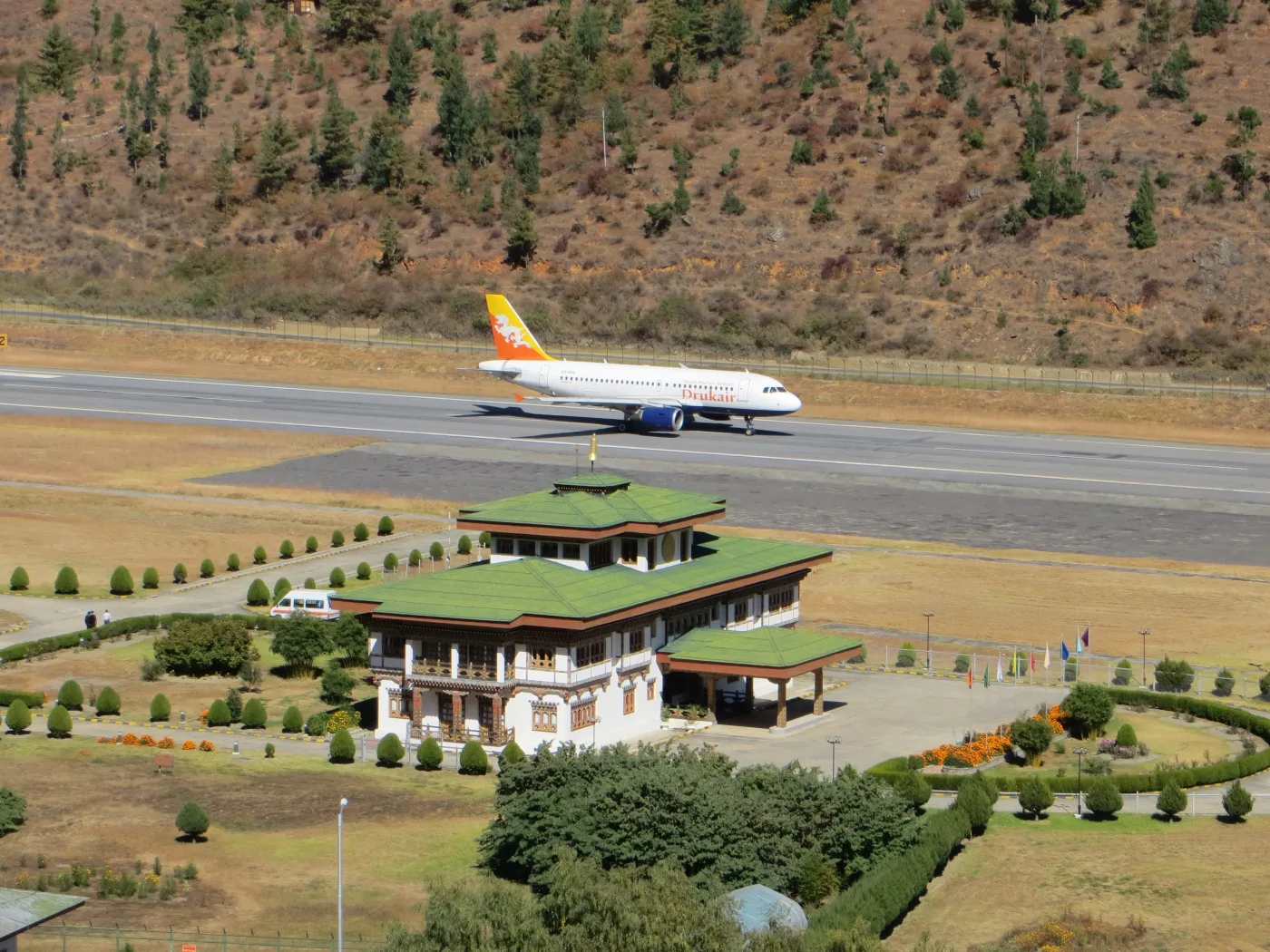
Most journeys begin in Paro, home to the country's only international airport — the landing itself, threading between Himalayan peaks, is famously one of the most spectacular in aviation. From there the classic route runs through the capital Thimphu, over the Dochula pass to subtropical Punakha, and back to Paro for the pilgrimage to the Tiger's Nest. Longer trips push east into the Bumthang valleys, Bhutan's spiritual heartland.
Things to Do in Bhutan
Bhutan is a place of experiences rather than attractions, and the best of them stay with you long after you leave.
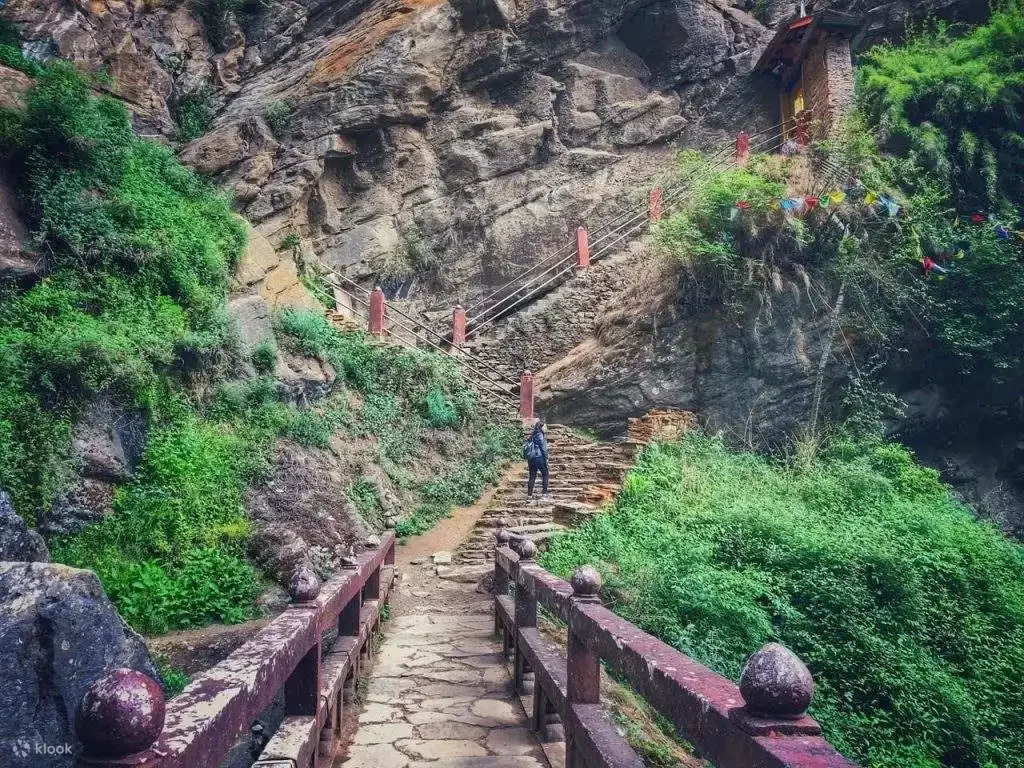
- Hike to the Tiger's Nest. The pilgrimage to Paro Taktsang, a monastery impossibly perched on a cliff, is the defining Bhutan experience — a rewarding two-to-three hour climb through pine forest and prayer flags.
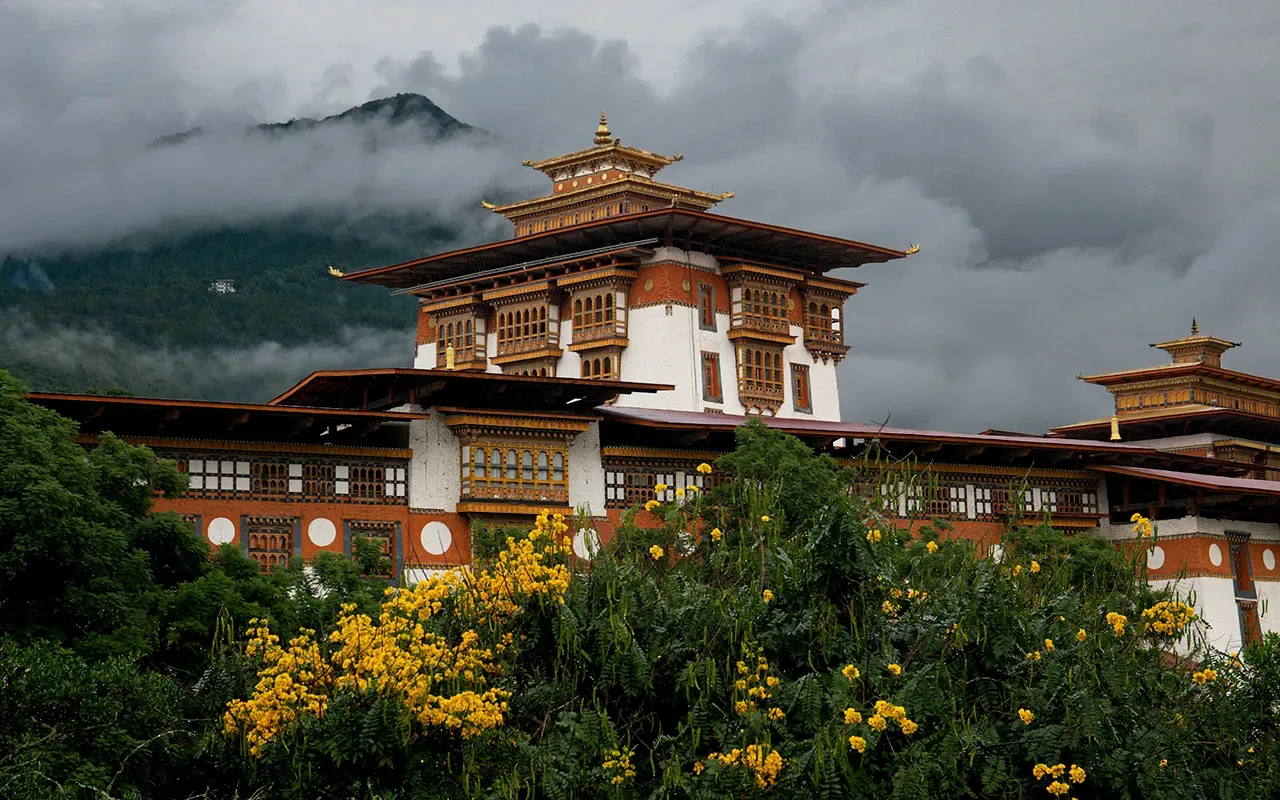
- Walk through a working dzong. The great fortress-monasteries at Paro, Thimphu and above all Punakha are architectural masterpieces still buzzing with monastic and government life.
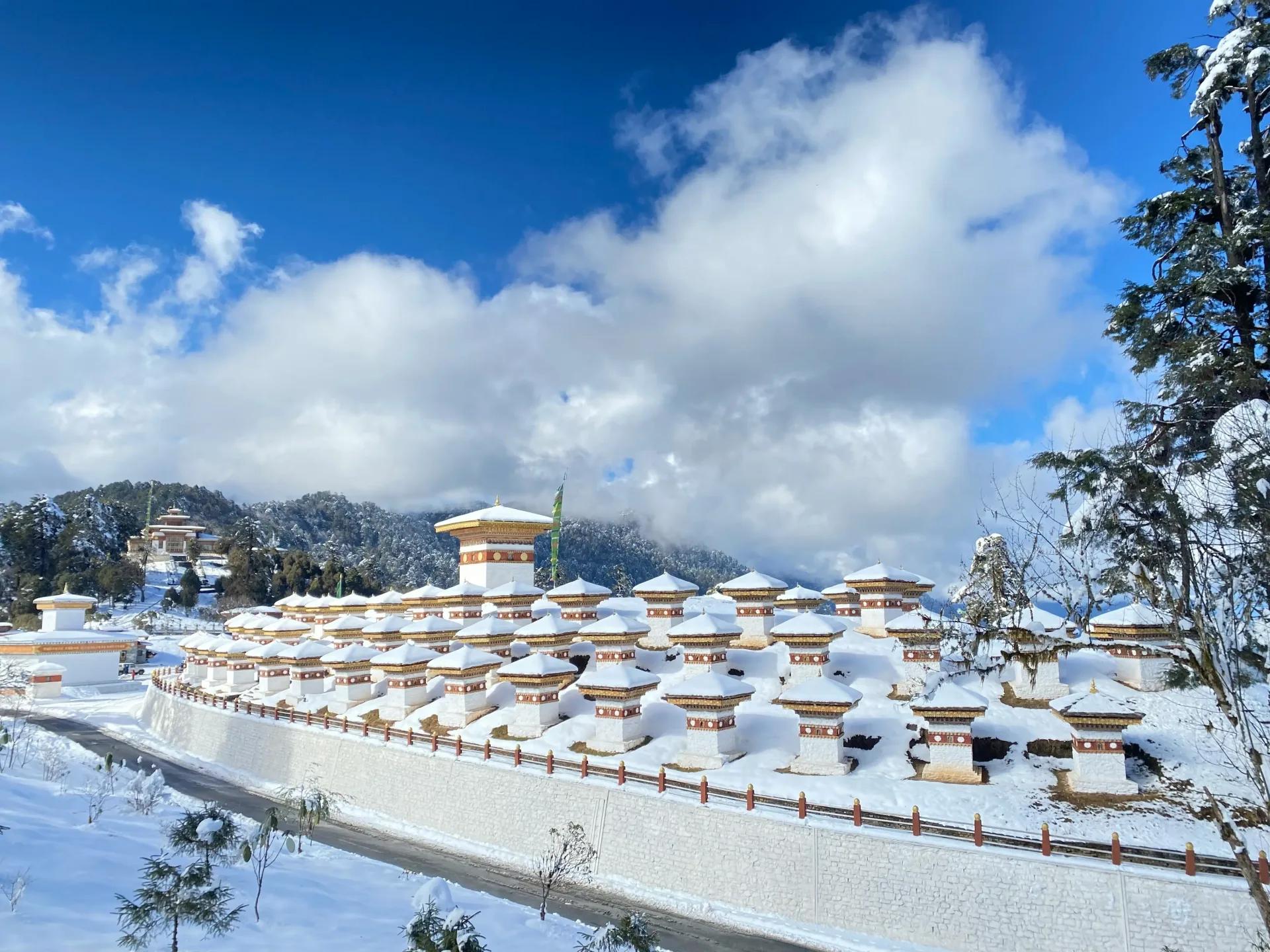
- Cross the Dochula Pass. On a clear day the 108 memorial chortens frame a panorama of the eastern Himalaya.
- Spot black-necked cranes in Phobjikha. The glacial valley hosts these rare, revered birds each winter.
- Try a traditional hot stone bath. River stones heated in a fire and dropped into wooden tubs of herb-infused water — the classic Bhutanese unwind after a hike.
- Take part in an archery match, or a village festival. Nothing reveals the Bhutanese spirit faster.
- Spin prayer wheels and light butter lamps alongside pilgrims at Thimphu's great memorial chorten.
Best Time to Visit Bhutan
The best times to visit Bhutan are spring (March to May) and autumn (September to November), and they offer subtly different rewards.
Autumn is the classic choice: dry, stable weather, crisp air and the clearest Himalayan views of the year, coinciding with the harvest and several of the country's most spectacular festivals. It is peak season, so book well ahead. Spring is nearly as good — warm, clear and famous for rhododendron and wildflower blooms carpeting the hillsides, plus the important Paro Tshechu festival.
Winter (December to February) is underrated: cold but often brilliantly sunny, with the sharpest mountain views, far fewer visitors and the black-necked cranes in Phobjikha. Some high passes may close, but the central valleys remain very accessible. Summer (June to August) is the monsoon — green, quiet and lush, but with cloud that often veils the peaks and rain that can affect hiking. It is the best-value season if you do not mind the wet.
Because the Sustainable Development Fee is the same year-round, the main saving in low season comes from hotels and flights rather than the fee itself.
Places to Visit in Bhutan
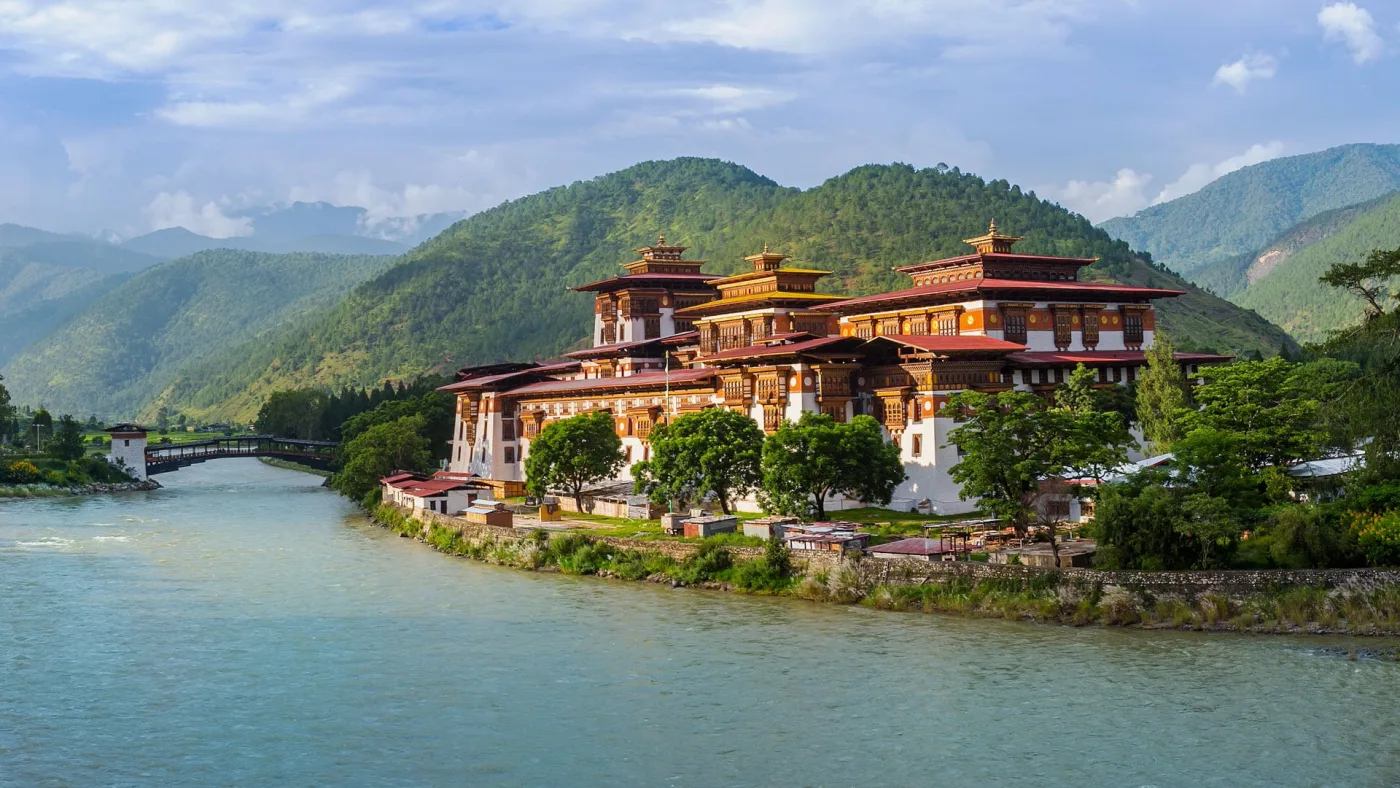
Paro — the gateway valley, home to the international airport, the Tiger's Nest, the beautiful Rinpung Dzong and the National Museum. Most trips begin and end here.
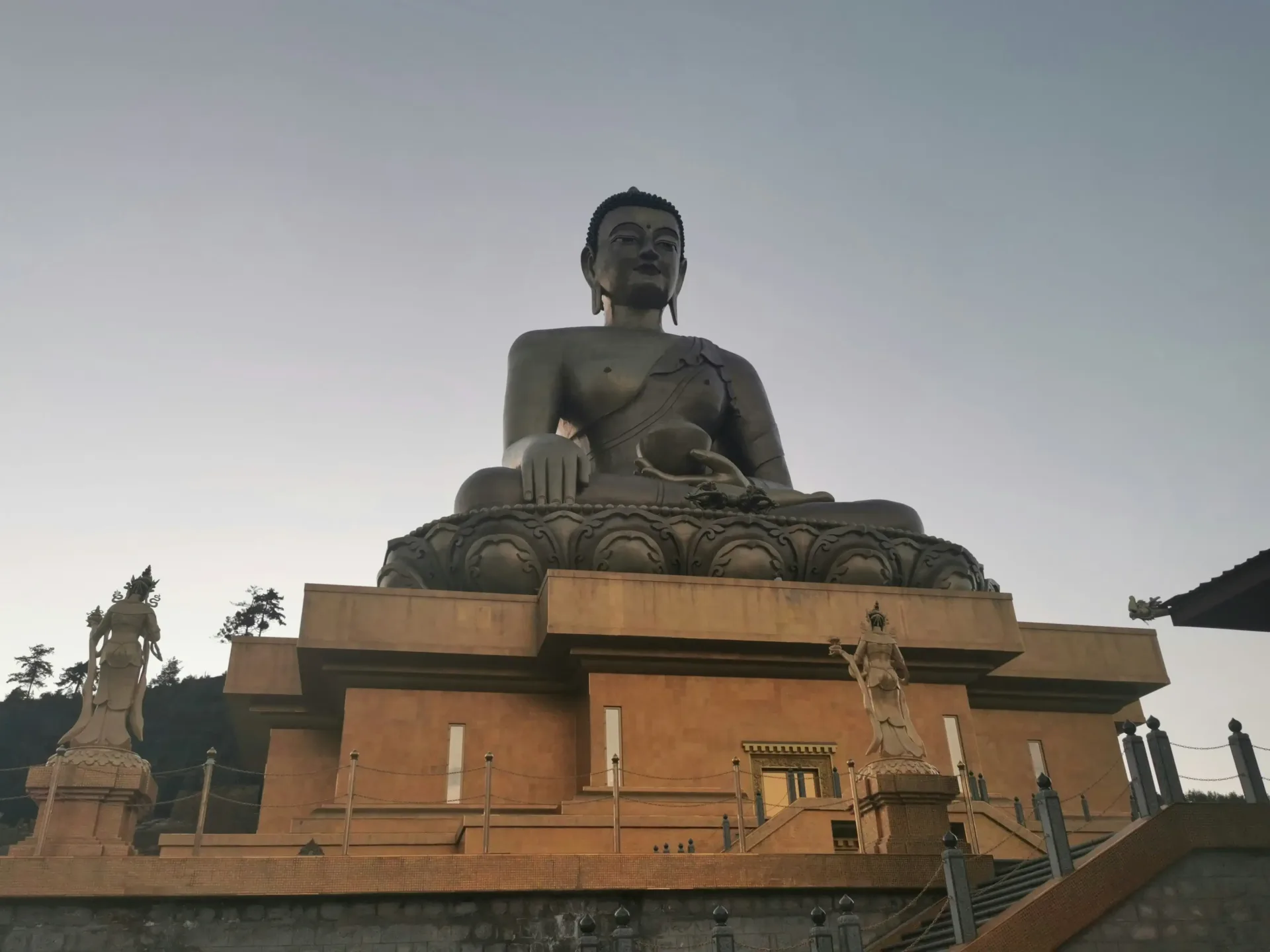
Thimphu — the capital and the only one in the world without a single traffic light. A fascinating blend of the traditional and the modern: the giant Buddha Dordenma statue overlooking the valley, the memorial chorten, weekend markets, and the takin preserve, home to Bhutan's peculiar national animal.
Punakha — reached over the Dochula pass and dropping into a warm, subtropical valley. Its dzong, set at the confluence of two rivers, is widely considered the most beautiful building in the country. The valley also holds the fertility temple of Chimi Lhakhang.
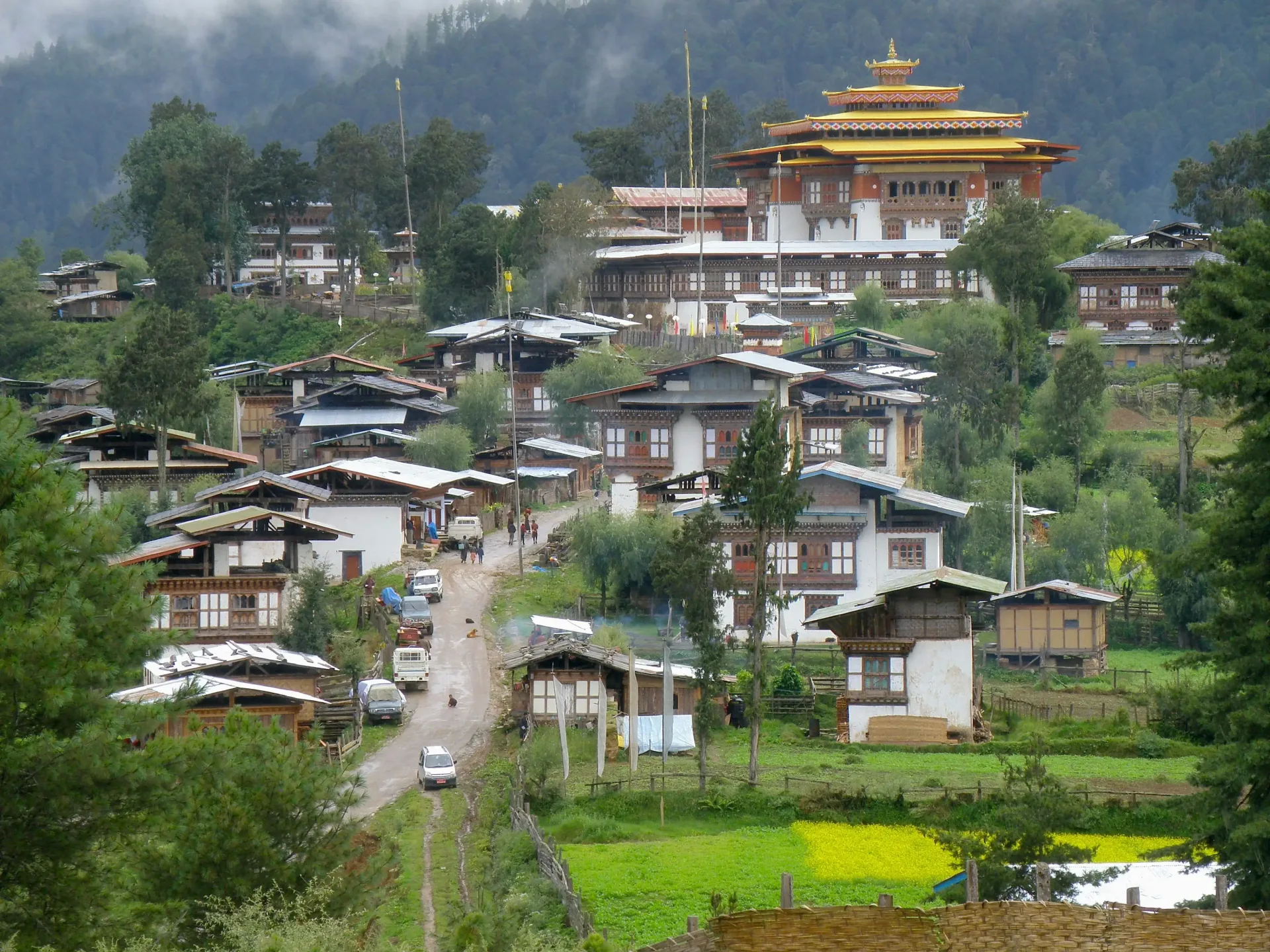
Phobjikha (Gangtey) — a wide, glacial U-shaped valley of exceptional beauty, winter home of the black-necked cranes and a wonderful place for gentle walking.
Bumthang — a cluster of four valleys in the centre-east, the spiritual heart of Bhutan, dense with ancient temples and monasteries, and well off the standard short-trip route.
Trongsa and beyond — for travellers with more time, the road east unlocks a wilder, less-visited Bhutan.
Food and Restaurants in Bhutan
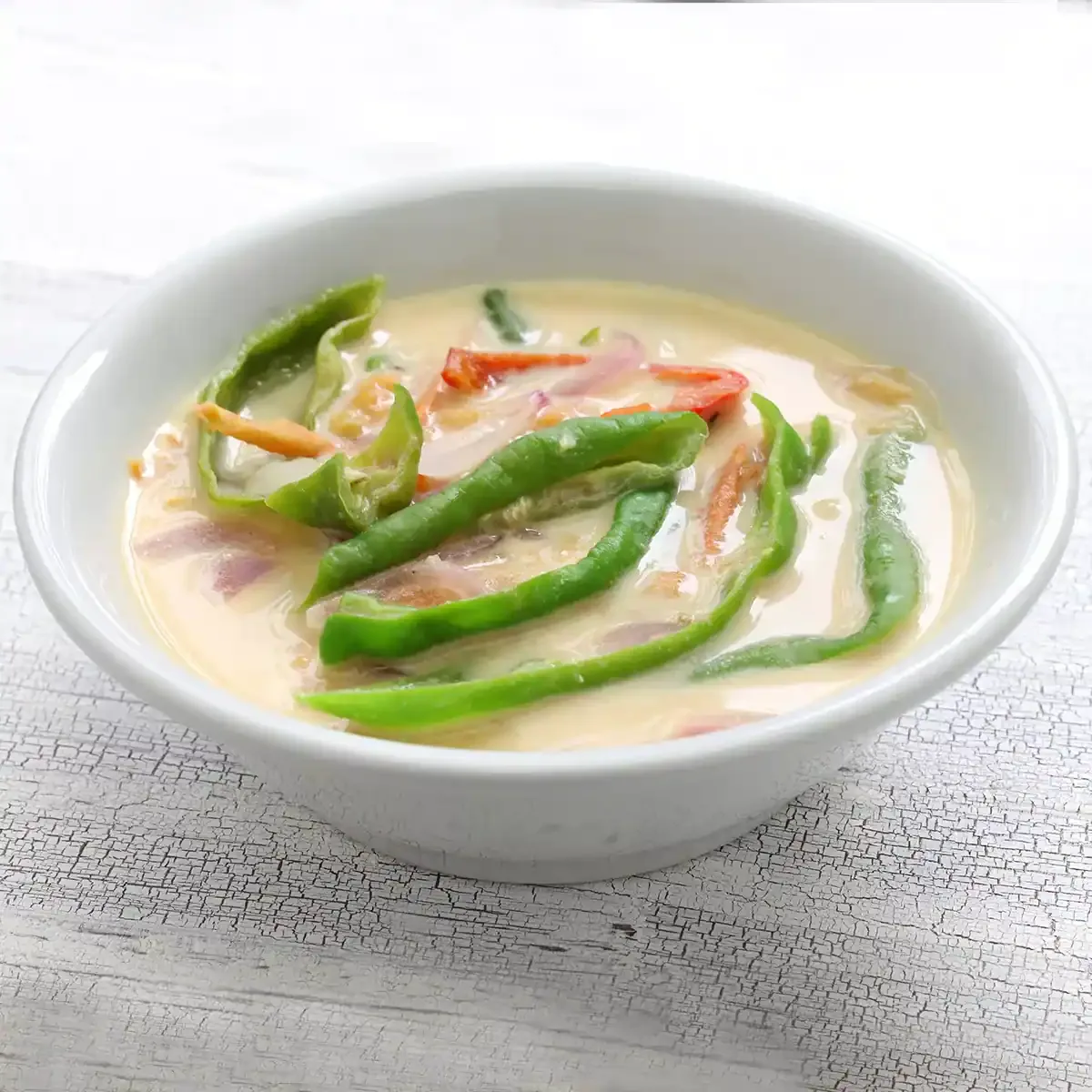
Bhutanese food is defined by one thing above all: chilli. Here the chilli is treated not as a spice but as a vegetable, and the national dish makes no apology for it. Ema datshi — whole chillies stewed in a rich, melting cheese sauce — is eaten at almost every meal and is genuinely delicious, if fierce. Its cousins, kewa datshi (potato and cheese) and shamu datshi (mushroom and cheese), are gentler introductions.
The staple is red rice, a nutty, slightly sticky Himalayan grain grown in the valley terraces. Alongside it you will find momos (steamed dumplings), buckwheat noodles and pancakes in Bumthang, dried yak and pork dishes, and suja, the salty butter tea that warms cold mornings. Vegetarians are well catered for — much traditional food is naturally meat-free, given Buddhist sensibilities around killing.
On a standard tour package, most meals are included and served buffet-style at hotels, generally toned down for visitors — so if you want the real, blistering thing, ask your guide to arrange it. Thimphu and Paro have a growing scene of good independent restaurants and cafés for those who want to venture beyond the hotel table.
Festivals and Events in Bhutan
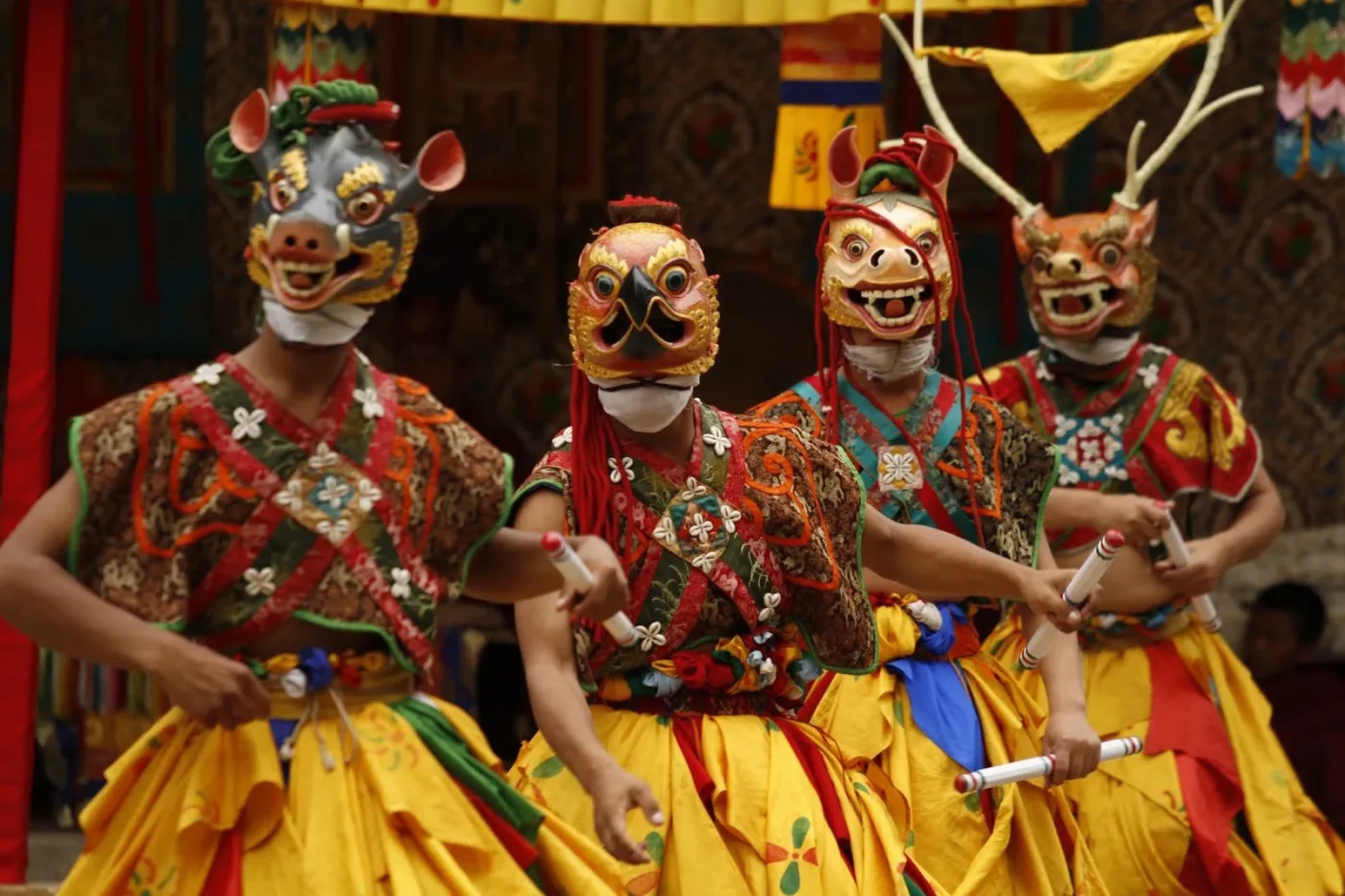
Bhutan's festivals, or tshechus, are the beating heart of its culture and, for many travellers, the highlight of the trip. Held in the courtyards of dzongs and monasteries across the year, they are vivid, days-long celebrations of masked dance, music and devotion, drawing entire communities dressed in their finest.
The masked dances — performed by monks in elaborate costumes and fierce, beautiful masks — enact Buddhist teachings and legends, and are believed to bless all who watch. Some festivals culminate in the unfurling of a giant applique religious scroll, a thongdrel, so large it covers an entire building wall, displayed only at dawn and believed to cleanse the sins of anyone who sees it.
The most famous include the Paro Tshechu (spring) and the Thimphu Tshechu (autumn), both huge and spectacular. Smaller regional festivals such as the Punakha Drubchen, the Jambay Lhakhang Drup in Bumthang, and the crane festival in Phobjikha offer a more intimate experience. Festival dates follow the lunar calendar and shift each year, so if seeing one matters to you, plan the trip around it — and book early, as they are popular.
Bhutan Visa
Bhutan's visa system is unlike anywhere else, and understanding it is the key to planning a trip. With the exception of citizens of India, Bangladesh and the Maldives, every visitor needs a visa arranged in advance — and, crucially, you cannot get one independently. It must be arranged as part of a trip booked through a licensed Bhutanese tour operator (which is exactly what we handle for you).
There are two separate charges. First, a one-time visa fee of US$40 per person, non-refundable. Second, and more significant, the Sustainable Development Fee (SDF) of US$100 per person, per night of your stay — the daily levy that funds Bhutan's free healthcare, education and conservation. Children aged 6 to 12 receive a 50% discount on the SDF, and children aged 5 and under are exempt. This US$100 nightly rate is currently locked in until 31 August 2027.
Once your trip and fees are confirmed, the visa is applied for online and issued as a letter you carry (or show on your phone) and which is stamped on arrival. You will need a passport valid for at least six months beyond your travel dates. Because rules and fees can change, we confirm the current position for you at the time of booking — but it is always worth verifying independently before you travel.
Do's and Don'ts in Bhutan
Bhutan is a deeply respectful society, and a little cultural awareness goes a long way.
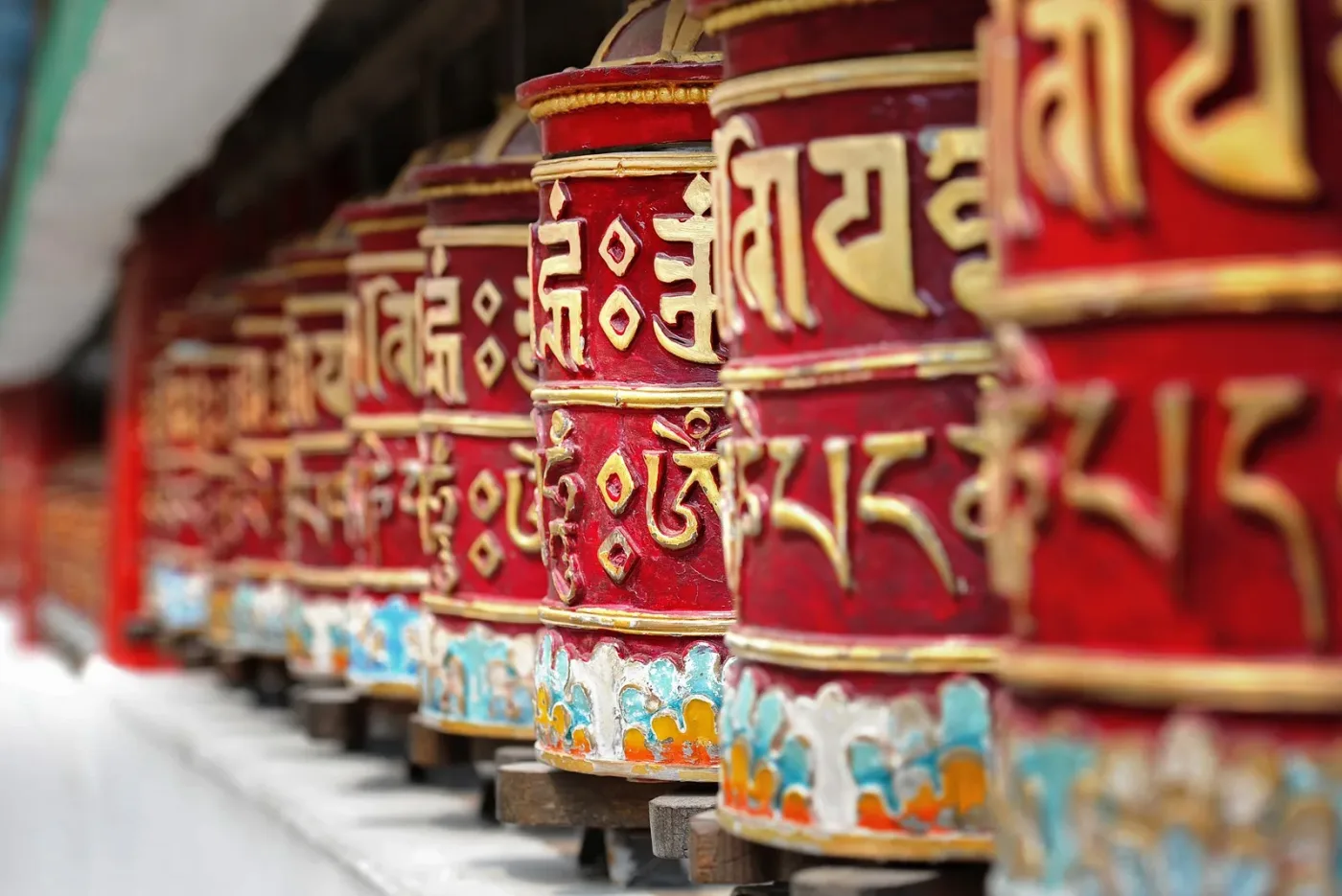
Do dress modestly, covering shoulders and knees, especially at temples and dzongs, where you will also be asked to remove hats and shoes before entering inner sanctums. Do walk clockwise around chortens, prayer wheels and monasteries, following the pilgrims. Do ask before photographing people, and accept that photography is often forbidden inside temples — your guide will tell you where. Do carry small denominations for butter-lamp offerings and local markets.
Don't point your feet at altars or religious images, or step over anyone seated on the floor. Don't touch religious objects, statues or wall paintings. Don't smoke in public — Bhutan has strict tobacco laws, and public smoking is prohibited. Don't climb on chortens or sit on altars for photographs. And don't expect to buy or use recreational drugs — penalties are severe.
Above all, travel gently and gratefully. Bhutan has opened its doors on its own careful terms, and visitors who honour that are met with genuine, unforgettable warmth.
Our Bhutan Holiday Packages
Handpicked Bhutan holidays, ready to book or tailor entirely to you.
 Adventure
Customizable
Adventure
Customizable
Highlights of Bhutan: Paro, Thimphu, Punakha & Phobjikha
Highlights of Bhutan: Paro, Thimphu, Punakha & Phobjikha
Bhutan
 Cultural
Customizable
Cultural
Customizable
Bhutan Cultural & Festivals: Tshechu Masked Dances of the Dragon Kingdom
Bhutan Cultural & Festivals: Tshechu Masked Dances of the Dragon Kingdom
Bhutan
 Adventure
Customizable
Adventure
Customizable
Tiger's Nest & Western Bhutan: A Short Himalayan Escape
Tiger's Nest & Western Bhutan: A Short Himalayan Escape
Bhutan
 Adventure
Customizable
Adventure
Customizable
Bhutan Himalayan Trek: The Druk Path & Western Valleys
Bhutan Himalayan Trek: The Druk Path & Western Valleys
Bhutan
 Honeymoon
Customizable
Honeymoon
Customizable
Luxury Bhutan: Private Journey through the Kingdom of the Thunder Dragon
Luxury Bhutan: Private Journey through the Kingdom of the Thunder Dragon
Bhutan
 City Tour
Customizable
City Tour
Customizable
Breathtaking Bhutan
Breathtaking Bhutan
Thimphu, Punakha & Paro, Bhutan
 Cultural
Customizable
Cultural
Customizable
Instagrammable Bhutan | Couple Special
Instagrammable Bhutan | Couple Special
Phuentsholing, Thimphu & Paro, Bhutan
 City Tour
Customizable
City Tour
Customizable
Best of Bhutan
Best of Bhutan
Phuentsholing, Thimphu, Punakha & Paro, Bhutan
 City Tour
Customizable
City Tour
Customizable
Fascinating Bhutan
Fascinating Bhutan
Thimphu, Punakha, Trongsa, Bumthang, Phobjikha & Paro, Bhutan
 Cultural
Customizable
Cultural
Customizable
8-Day Amankora Luxury Journey
8-Day Amankora Luxury Journey
Thimphu, Punakha & Paro, Bhutan
Recently Booked Itineraries
Real journeys booked by travellers this week. Get inspired and plan your own unforgettable trip.
Grand Scandinavian Explorer
$3,349 /person
Enchanting Bali & Java
$1,759 /person
Classic Italy Discovery
$2,535 /person
Thailand Island Hopper
$1,190 /person
Dubai & Abu Dhabi Luxe
$1,590 /person
Kenya Safari Adventure
$3,075 /person
Swiss Alps & Paris Romance
$4,099 /person
Australia East Coast Escape
$4,640 /person
Bhutan Travel FAQs
Everything travellers usually ask us before booking a Bhutan holiday.
Do I need a visa to visit Bhutan?
What is the Sustainable Development Fee (SDF)?
How much does a Bhutan trip cost?
Are there discounts for children?
What is the best time to visit Bhutan?
Can I travel independently in Bhutan?
How difficult is the hike to the Tiger's Nest?
Do I need to worry about altitude sickness?
How do I get to Bhutan?
What language is spoken in Bhutan?
What should I pack for Bhutan?
Is Bhutan safe for tourists?
What food will I eat in Bhutan?
How many days do I need in Bhutan?
Can you build a custom Bhutan itinerary?
Plan Your Bhutan Trip
Tell us what you have in mind and our experts will craft a Bhutan itinerary around you.