9 Days • 8 Nights
Bhutan Cultural & Festivals: Tshechu Masked Dances of the Dragon Kingdom
Tour Includes
About the Trip
Trip Highlights
- A vibrant tshechu festival, with its masked cham dances and giant thangka, is the colourful and unforgettable heart of this journey. A tshechu is a multi-day Buddhist festival held in a dzong courtyard, and attending one is the most vivid way to experience Bhutan's living culture. You sit among Bhutanese families dressed in their finest hand-woven gho and kira, watching masked monks in brilliant brocade whirl through the sacred cham dances that dramatise Buddhist teachings and drive away evil, to the sound of horns, cymbals and drums. Mischievous atsara clowns tease the crowd, and on the culminating day a vast appliqued thangka is unfurled at dawn for blessings.
- The mighty dzongs of Bhutan, fortress-monasteries of whitewashed walls and golden roofs, are a beautiful highlight of this journey. The dzong is the defining building of Bhutan, a towering fortress-monastery that combines a district's government offices with a community of monks, all within massive sloping whitewashed walls crowned by golden roofs. You explore the majestic Tashichho Dzong in Thimphu, seat of the throne and central monk body; the magnificent Punakha Dzong at the meeting of two rivers, the loveliest in the land; and Paro's imposing Rinpung Dzong, reached across a covered wooden bridge. Inside, vast courtyards, exquisite murals and golden assembly halls glow with butter lamps and devotion.
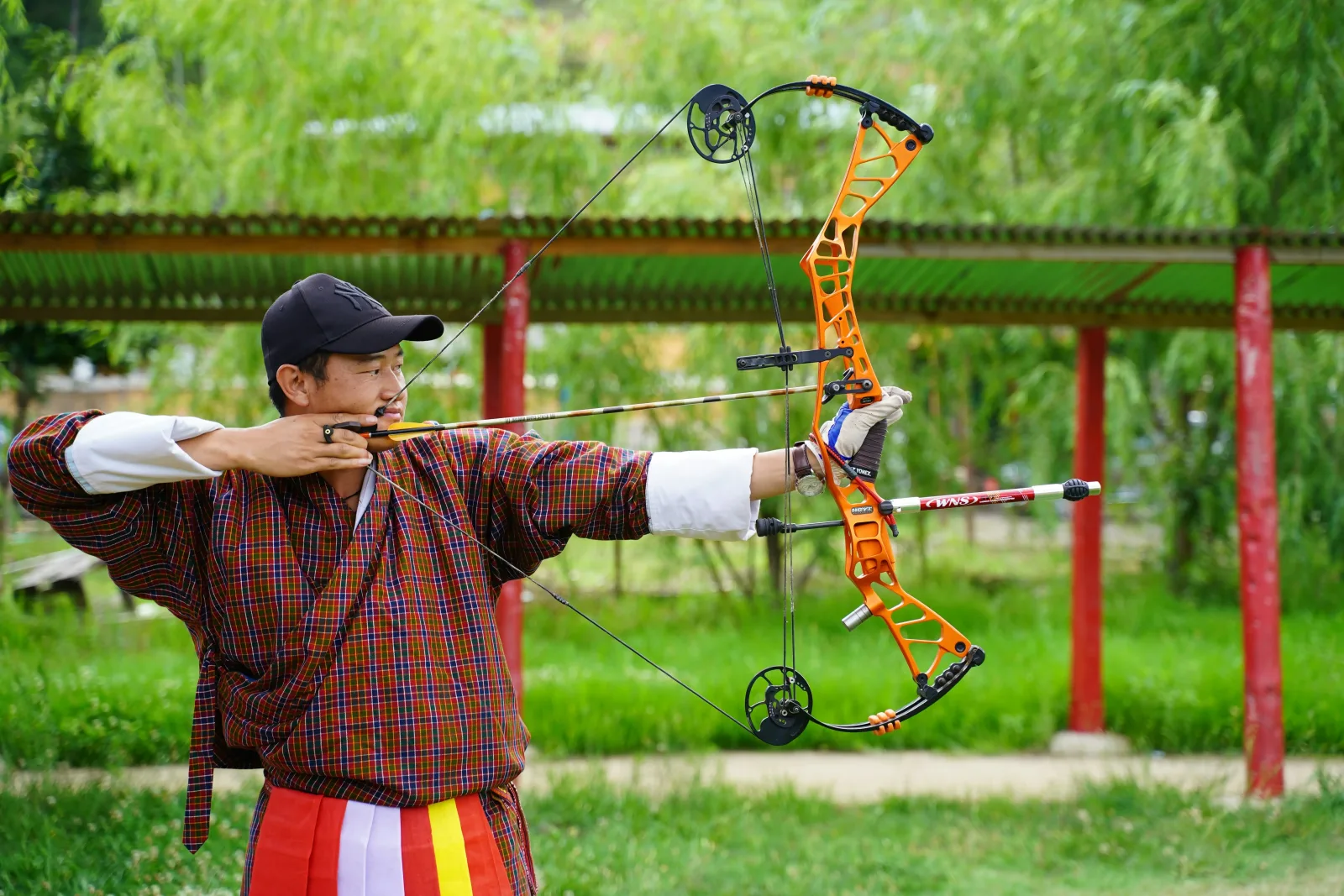
- Thimphu, the gentle capital with its giant Buddha, markets and craft museums, is a characterful highlight of this journey. Thimphu, the world's only capital without a single traffic light, is a relaxed, low-rise Himalayan town where tradition and modern life sit easily together. You visit the vast golden Buddha Dordenma gazing over the valley, browse the lively weekend market piled with red rice, chillies and fresh cheese, and watch archers in traditional dress loosing arrows at distant targets in the noisy, joyful national sport. You explore the fascinating textile museum, celebrating Bhutan's extraordinary weaving, the folk-heritage house and the charming postal museum.
- The philosophy of Gross National Happiness, woven through Bhutanese life, gives this journey a rare depth and meaning. Bhutan famously measures its progress not only in economic growth but in Gross National Happiness, a guiding philosophy that balances sustainable development, cultural preservation, environmental conservation and good governance. You see it everywhere: in a country that is carbon negative and constitutionally committed to keeping most of its land under forest, in the pride with which people wear their traditional dress, and in the gentle, contented rhythm of daily life. Conversations with your guide bring these ideas alive, and lend the whole journey a thoughtful, uplifting spirit.
- The climb to the Tiger's Nest, Taktsang, clinging to a sheer cliff, is the iconic and unforgettable highlight of this journey. Taktsang, the Tiger's Nest, is the most sacred and famous site in Bhutan, a cluster of golden-roofed temples clinging impossibly to a granite cliff 900 metres above the Paro valley, where the great master Guru Rinpoche is said to have meditated after arriving on the back of a flying tigress. You climb a beautiful forest trail of blue pine strung with prayer flags, pausing at a teahouse viewpoint where the monastery hangs across a deep chasm.
- Above all, this journey offers the living Buddhist culture and gentle warmth of Bhutan, a rich and deeply rewarding immersion. Bhutan's culture is not preserved behind glass but lived every day, in its festivals, dzongs, dress and devotions, and this journey plunges you into the heart of it. Over nine days you attend a vibrant tshechu festival of masked dances, explore the great dzongs of Thimphu, Punakha and Paro, browse markets and craft museums, cross the Himalayan Dochula Pass, and climb to the cliff-clinging Tiger's Nest, all guided by an expert local guide and warmed by gentle hospitality.
Day by Day
A detailed day-by-day plan for this 9-day journey.
Your cultural journey begins with the spectacular flight into Paro, banking between forested Himalayan peaks to land in the broad green valley. You are met by your guide and driver and, after settling into your hotel, ease gently into Bhutan with a first afternoon of sightseeing. You visit the beautiful riverside Kyichu Lhakhang, one of the oldest and most sacred temples in the kingdom, its inner sanctum fragrant with incense and butter lamps, and stroll Paro's charming main street of painted timber shopfronts, lined with handicrafts and small cafes. Your guide introduces the customs, dress and devotions you will encounter, and the meaning of the festival ahead. As the light softens over the rice fields and the great dzong, the calm beauty of Bhutan begins to work its magic. This evening, a welcome dinner introduces you to hearty Bhutanese flavours. Rest well, ready to begin.
Today you immerse yourself in a vibrant tshechu, the colourful religious festival that is the beating heart of Bhutanese culture (exact dates and location are set by the lunar calendar, and we time your tour to attend). You take your reserved place in a dzong courtyard packed with Bhutanese families dressed in their finest hand-woven gho and kira, and watch masked monks in brilliant brocade whirl through the sacred cham dances that dramatise Buddhist teachings and banish evil, to the sound of horns, cymbals and drums. Mischievous atsara clowns tease the crowd between dances, and the atmosphere is joyful and deeply devout. You share a picnic lunch amid the festivities and soak up the colour, music and community spirit. The devotion and joy are extraordinary. Return to your hotel this evening, moved by an unforgettable day. Rest well.
This morning you visit Paro's imposing Rinpung Dzong, the 'fortress on a heap of jewels', crossing its beautiful traditional covered wooden bridge and stepping into courtyards alive with monks; during festival season the dzong itself may host dances. You climb briefly to the ancient watchtower above, home to the National Museum, with its wonderful collection of thangkas, festival masks, textiles and artefacts that deepen your understanding of what you have seen. You then drive over the hills to Thimphu, the gentle capital, arriving in time to explore. You visit the National Memorial Chorten, circled all day by pilgrims spinning prayer wheels, and settle into your hotel. This evening you might wander Thimphu's relaxed streets and sample its cafes. As the mountain dusk falls over the capital, you reflect on the festival. Rest well, ready to explore Thimphu tomorrow.
Today you explore Thimphu, the world's only capital without a traffic light. You climb to the vast golden Buddha Dordenma, one of the largest seated Buddhas anywhere, gazing serenely over the valley, and visit the majestic Tashichho Dzong, seat of the throne and central monk body, glowing gold in the afternoon light. You meet the curious takin, Bhutan's national animal, at its forest preserve, and browse the fascinating textile museum celebrating the kingdom's extraordinary weaving, the folk-heritage house, and the charming postal museum where you can print a stamp of your own face. If it is a weekend, you wander the lively market piled with red rice, chillies and fresh cheese, and may catch a boisterous archery match. The character and warmth are delightful. Return to your hotel to savour the relaxed capital. Rest well, ready for the Dochula Pass tomorrow.
Today you journey to the warm, fertile valley of Punakha, climbing first to the beautiful Dochula Pass at over 3,000 metres, where 108 white memorial chortens rise in tiers on a hilltop strung with prayer flags. On a clear morning a breathtaking wall of snow-capped Himalayan peaks fills the horizon; you pause for butter tea and photographs. Descending through forests of rhododendron and fern, you reach the Punakha valley, far warmer and greener than the capital. You walk through rice paddies to the charming Chimi Lhakhang, the hillside fertility temple of the beloved 'Divine Madman', passing a village famous for its playful painted murals, and receive a traditional blessing. You then settle into your riverside hotel as the valley glows in the late light. This evening, savour a warming Bhutanese dinner by the river. Rest well amid the beauty of Punakha.
Today you explore the beautiful Punakha valley, the ancient winter seat of Bhutan's kings. You visit the magnificent Punakha Dzong, widely held to be the loveliest fortress-monastery in the country, set gracefully where the father and mother rivers meet; you cross a traditional wooden bridge to its whitewashed walls and step into vast courtyards where a great bodhi tree grows and jacaranda blooms lilac in spring, past exquisite painted galleries and a golden assembly hall. You then walk out to one of the longest suspension bridges in Bhutan, swaying high above the clear river amid a river of fluttering prayer flags. In the afternoon you might take a gentle hike up to the hilltop Khamsum Yulley temple, with wide valley views, or stroll the terraced fields. Return to your riverside hotel at dusk. Rest well beside the beautiful Mo Chhu.
This morning you make the scenic drive back west to Paro, recrossing the Dochula Pass with another chance at the great Himalayan panorama, and continuing through Thimphu to the broad Paro valley, arriving by early afternoon. Paro is one of the most beautiful valleys in Bhutan, a wide sweep of emerald rice fields, traditional farmhouses and the winding river, watched over by its great dzong. You settle into your hotel and enjoy a gentle afternoon, perhaps a stroll among the fields, a visit to a traditional farmhouse for butter tea, or a soak in a restorative hot-stone bath, a beloved Bhutanese ritual. Your guide helps you prepare for tomorrow's climb to the Tiger's Nest. As the light fades over the valley, you savour the calm. This evening, enjoy a relaxed dinner. Rest well, gathering your strength for the pilgrimage ahead.
Today you make the iconic pilgrimage to Taktsang, the Tiger's Nest, the most sacred and famous site in Bhutan. You set out early and climb a beautiful forest trail of blue pine hung with fluttering prayer flags, gaining height steadily (a pony can be arranged for part of the ascent). At a teahouse viewpoint the golden-roofed temples appear across a deep chasm, clinging impossibly to a sheer granite cliff 900 metres above the valley, where Guru Rinpoche is said to have meditated. The final stretch descends past a waterfall and climbs stone steps into the monastery itself, its shrines fragrant with butter lamps and profoundly peaceful. The setting is breathtaking and deeply moving. You descend in the afternoon, tired and elated, and this evening celebrate with a farewell dinner, perhaps reflecting on the festival, the dzongs and the mountains you have seen. Rest well after an unforgettable day.
After a relaxed final breakfast in the beautiful Paro valley, you gather your impressions of an extraordinary journey. There may be time for a last stroll along Paro's charming main street for handicrafts and gifts, or a final quiet moment at Kyichu Lhakhang, before you are transferred to Paro airport for your onward departure, taking off amid the peaks on another spectacular flight. You leave having lived Bhutan's culture from the inside, the whirling masked dances of the tshechu, the great dzongs of Thimphu, Punakha and Paro, the giant Buddha and busy markets, the Himalayan pass and the cliff-clinging Tiger's Nest, all warmed by the kingdom's gentle spirit of Gross National Happiness. The colour, devotion and profound calm of Bhutan stay with you long after you land. You depart already dreaming of a return to the Dragon Kingdom.
Where You Will Travel
What's inside the package?
Inclusions
- 8 nights accommodation on a full-board basis, with a welcome dinner and a festival-day picnic lunch
- All meals on a full-board basis as is standard in Bhutan (breakfast, lunch and dinner)
- Private licensed English-speaking Bhutanese guide throughout
- Private vehicle with driver for all transfers and touring
- Bhutan Sustainable Development Fee, visa processing and all government royalties and taxes
- Private touring with an expert licensed Bhutanese guide, reserved seating and entry at the tshechu festival, city and dzong tours of Thimphu, Punakha and Paro, a Dochula Pass crossing, the guided hike to the Tiger's Nest, and all entrance and monument fees
Exclusions
- International airfare
- Visa or tourist card fees where applicable
- Travel insurance (strongly recommended)
- A hand-woven gho or kira outfit if you wish to buy one for the festival
- Tips for guides and drivers, and any alcoholic drinks
- Meals not mentioned in the itinerary or inclusions
- Drinks unless specifically stated
- Optional excursions and experiences
- Personal expenses and gratuities
- Anything not specifically mentioned under Package Inclusions
Know when to go.
- Visa & entry: All visitors except nationals of India, Bangladesh and the Maldives require a visa for Bhutan, which cannot be obtained independently on arrival; it is arranged in advance through a licensed Bhutanese tour operator as part of a pre-paid, guided tour. We handle the entire visa application and approval for you, and a passport valid for at least six months is required. You simply arrive with your visa clearance letter
- Sustainable Development Fee & how visits work: Bhutan follows a 'High Value, Low Impact' tourism policy, and every visitor pays a government Sustainable Development Fee (a daily levy that funds free healthcare, education and conservation) on top of tour costs. Independent backpacking is not permitted: all visits are on guided, pre-arranged tours with a licensed guide, private driver and vehicle, which we organise end to end
- Currency: The currency is the Bhutanese Ngultrum (BTN), pegged one-to-one to the Indian Rupee, which is also widely accepted. Cash is essential for markets, small shops, tips and handicrafts; cards are accepted only in some hotels and larger shops in Thimphu and Paro, and ATMs are limited, so we advise bringing sufficient cash and changing money in the capital
- Language & etiquette: The national language is Dzongkha, and English is very widely spoken and is the medium of education, so communication is easy. Bhutan is a deeply Buddhist country: dress modestly at dzongs and temples (cover shoulders and knees, remove hats and shoes where asked), walk clockwise around chortens and prayer wheels, ask before photographing people or altars, and never point feet at religious images
- Getting around: Touring is by private vehicle with your guide and driver along winding, scenic mountain roads; distances are short in kilometres but slow in time, so drives between valleys such as Paro, Thimphu and Punakha take several hours over high passes like Dochula. Internal flights and the dramatic landing at Paro airport add to the adventure; bring motion-sickness remedies if you are sensitive
- Health, altitude & safety: Bhutan is one of the safest countries in the world, with very low crime and famously warm, gentle people. Most sightseeing sits between 2,200m and 3,100m, and passes exceed 3,000m, so allow time to acclimatise, walk slowly (the climb to Tiger's Nest is strenuous) and stay hydrated. No vaccinations are mandatory from most countries, but travel insurance covering trekking and evacuation is strongly advised
- Culture & festivals: Bhutan's living Buddhist culture is its greatest treasure, expressed in towering fortress-monasteries (dzongs), fluttering prayer flags, giant thangka paintings and vibrant tshechu festivals, where masked monks perform sacred cham dances over several days. Archery is the national sport and a joyful, noisy spectacle. We can time your visit to a tshechu such as those at Paro, Thimphu or Punakha where possible
- Best time & power: Spring (March to May) and autumn (late September to November) offer the clearest skies, mild days and the biggest festivals, and are ideal for trekking and Himalayan views; the summer monsoon (June to August) is green but wet, and winter is cold but crisp and quiet. Power is 230V with mainly Indian-style type D and type F sockets, so bring a universal adapter
Frequently Asked Questions
Can you guarantee we will see a tshechu festival?
We build this itinerary around the festival calendar and time your tour to coincide with a major tshechu such as those at Paro, Thimphu, Punakha or Wangdue wherever possible, so festival attendance is central to the trip. Exact dates follow the Bhutanese lunar calendar and are confirmed in advance, and we choose your departure accordingly. Festivals do get busy, so we arrange your visit, seating and timings with your guide to give you the best possible experience of the dances, thangka unfurling and colourful crowds.
What should we wear to a festival and the dzongs?
Modest, respectful dress is important at festivals, dzongs and temples: cover your shoulders and knees, and remove hats indoors and shoes where asked. Bhutanese attend in their finest hand-woven gho and kira, and many visitors enjoy buying a scarf or even an outfit to join in the spirit; your guide can help. Long trousers or a long skirt and a top with sleeves are ideal. It is a joyful, family occasion, and dressing thoughtfully is warmly appreciated and lets you blend respectfully into the celebrations.
What meals are included?
All meals, breakfast, lunch and dinner, are included on a full-board basis throughout, as is standard for tours in Bhutan, so your daily costs are largely covered. Bhutanese cuisine is hearty and distinctive, built around red rice, buckwheat and the national dish ema datshi (chillies cooked with local cheese), alongside momos (dumplings), stews and butter tea. Hotels and restaurants also offer milder Indian, Chinese and continental dishes, and we are happy to note any dietary needs in advance.
Are the tours private or in a group?
Your journey is private by default, with your own licensed English-speaking Bhutanese guide, private driver and vehicle throughout, giving you flexibility, depth and a pace tailored to you; small-group departures can also be arranged. All visits to Bhutan are on guided, pre-arranged tours (independent travel is not permitted), and a knowledgeable local guide brings the dzongs, temples, festivals and Buddhist culture vividly and respectfully to life at every stage.
Do I need a visa for Bhutan?
Yes, almost all visitors require a visa, which cannot be bought independently on arrival and must be arranged in advance through a licensed Bhutanese operator as part of a pre-paid tour. We handle the entire process for you, submitting your application and securing the visa clearance letter before you travel; a passport valid for at least six months is required. Indian, Bangladeshi and Maldivian nationals follow a separate, simpler entry procedure.
Is Bhutan safe to visit?
Bhutan is one of the safest, most peaceful and most welcoming countries in the world, with very low crime and famously gentle, hospitable people, and travel here is exceptionally smooth. You are accompanied throughout by a licensed guide and private driver, and we continuously monitor conditions and follow official guidance. The main practical considerations are altitude and winding mountain roads, for which we build in a sensible, comfortable pace and good vehicles.
When is the best time to visit?
Spring (March to May) and autumn (late September to November) are ideal, with clear skies, mild days, blossom or golden light, the finest Himalayan views and the greatest tshechu festivals, making them perfect for sightseeing and trekking. The summer monsoon (June to August) is lush and green but wet, with some cloud, while winter is cold, crisp, quiet and beautifully clear at lower elevations. We advise on the best timing for your interests and any festivals.
Can the itinerary be customised?
Absolutely. We can adjust the balance of Paro, Thimphu, Punakha and the Phobjikha valley, add days for the climb to Tiger's Nest, a Himalayan trek, a specific tshechu festival, or eastern and central Bhutan, and tailor the standard of hotels from cosy heritage lodges to the finest luxury. Every itinerary is a flexible starting point, and we shape the pace, comfort and focus around exactly what you wish to experience in Bhutan.
More Cultural Journeys
 Cultural
Customizable
Cultural
Customizable
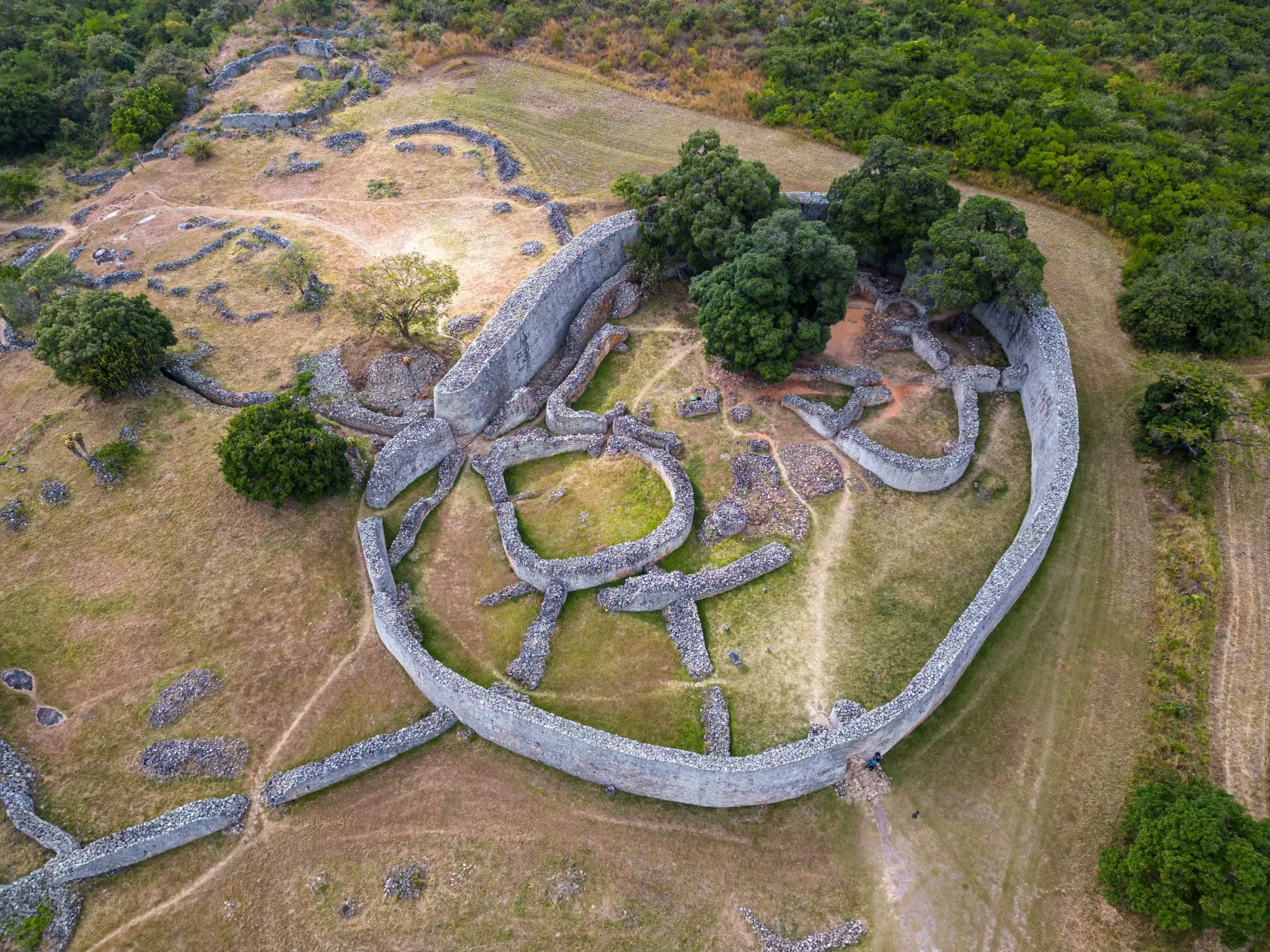
Great Zimbabwe & Matobo: Culture, Rock Art & Rhino
Great Zimbabwe & Matobo: Culture, Rock Art & Rhino
Zimbabwe
 Cultural
Customizable
Cultural
Customizable
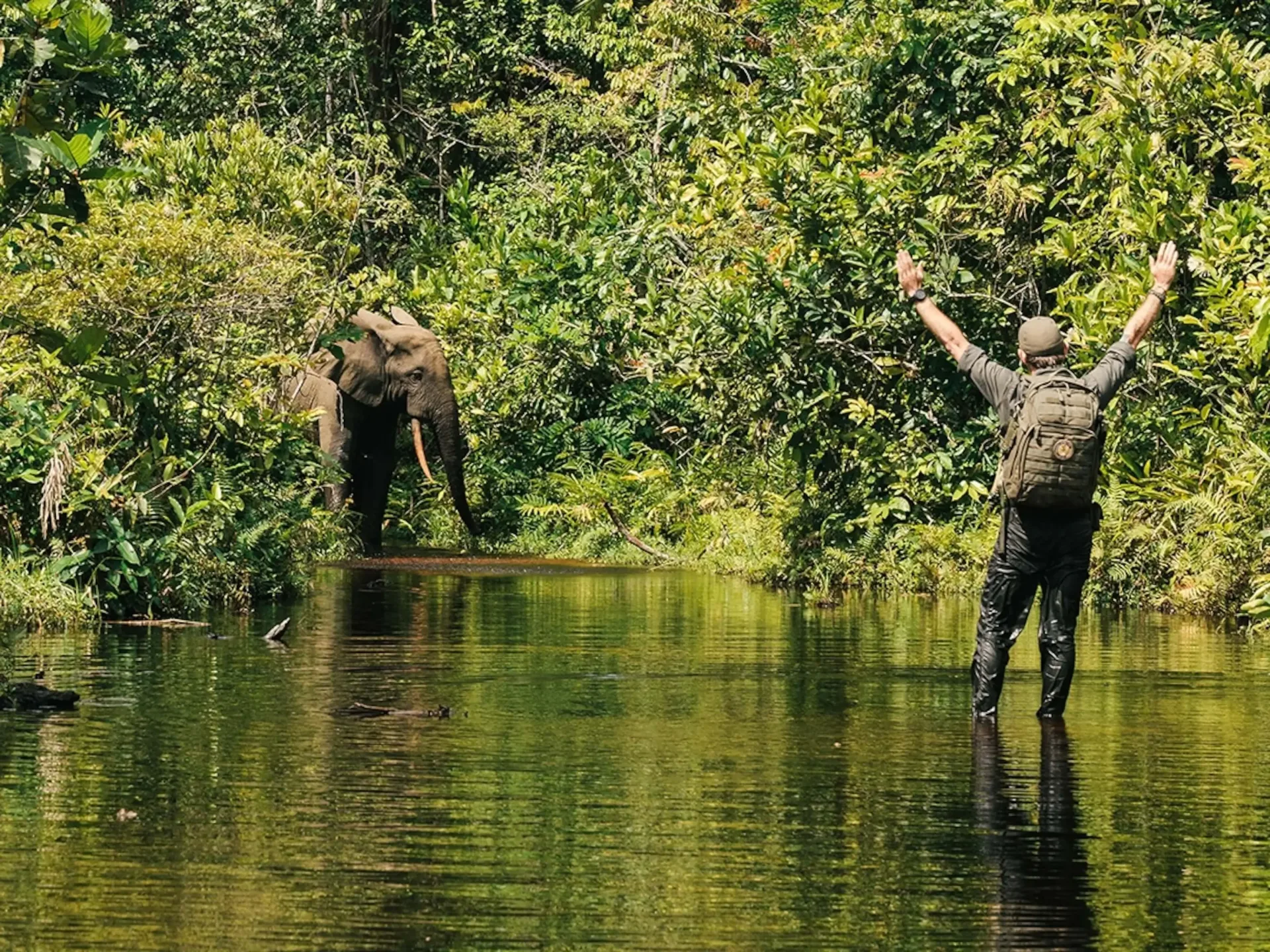
Grand Zimbabwe: The Complete Safari Journey
Grand Zimbabwe: The Complete Safari Journey
Zimbabwe
 Cultural
Customizable
Cultural
Customizable
Victoria Falls & Safari: Livingstone and the Luangwa
Victoria Falls & Safari: Livingstone and the Luangwa
Zambia