
12 Days • 11 Nights
Highlights of Madagascar: RN7, Lemurs & Landscapes
Tour Includes
About the Trip
Trip Highlights
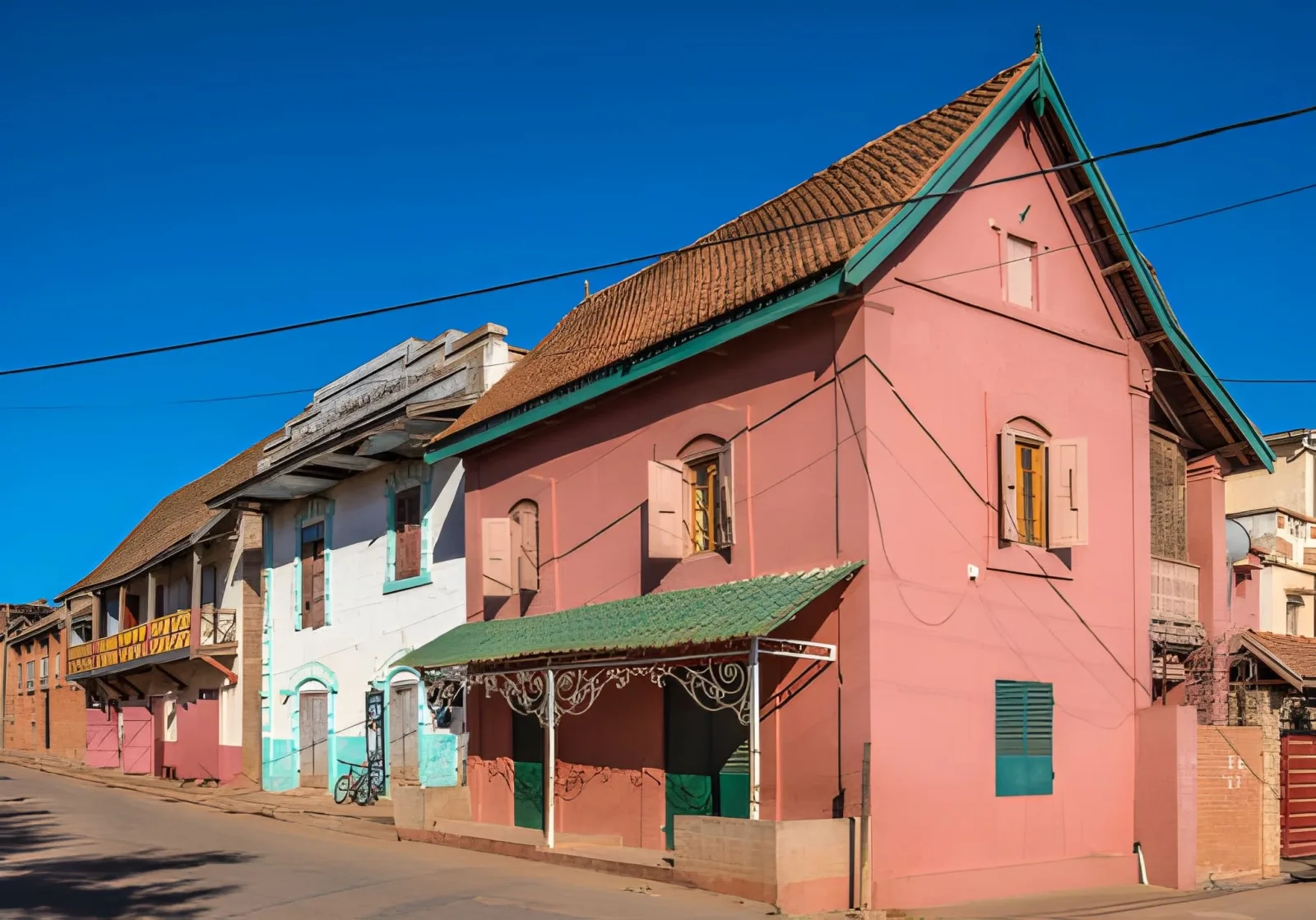
- The legendary RN7 road trip is the spine of this journey and one of the world's great overland adventures. This single southern highway threads Madagascar from the highland capital down to the coast, and travelling it slowly, as the island demands, is the finest way to feel the country change around you. You roll past emerald rice terraces and red-earth villages, brick-built highland towns, herds of humped zebu cattle and roadside markets piled with fruit and handicrafts, the scenery shifting from cool green highlands to golden savannah and finally to the strange, arid southwest.
- Tracking lemurs in the misty rainforest of Ranomafana is a magical highlight of this journey. Ranomafana National Park protects a steep, dripping expanse of montane rainforest where waterfalls tumble through dense green and mist drifts among the trees. With your sharp-eyed local guide you follow narrow forest trails in search of its famous residents, the golden bamboo lemur, discovered here and found almost nowhere else, along with red-bellied lemurs, Milne-Edwards' sifaka and troops of playful brown lemurs leaping overhead. Chameleons cling to branches, brilliant frogs hide in the leaf litter, and unique birds call from the canopy.
- Walking among ring-tailed lemurs at Anja Reserve, beneath dramatic granite cliffs, is a delightful highlight. Anja Community Reserve, a small park run by the local village near Ambalavao, shelters one of the most accessible and charming lemur populations in Madagascar. Here, at the foot of towering granite domes and among giant boulders, tumbled ancestral tombs and strangler figs, lives a thriving population of ring-tailed lemurs, the black-and-white striped-tailed icon of the island. They lounge in the sun, groom in family troops and clamber through the rocks at close range, wonderfully relaxed and endlessly photogenic. The reserve is a proud community conservation success.
- Hiking the sandstone canyons and natural pools of Isalo National Park is a spectacular highlight. Isalo is a vast, sculpted massif of eroded Jurassic sandstone, its ochre cliffs, ravines and rock formations rising dramatically from the surrounding plains like a lost world. With your guide you hike into hidden canyons where palms and pandanus cluster around cool, clear natural swimming pools fed by waterfalls, a blissful reward after the trail. You cross open plateaus with sweeping views, spot ring-tailed and sifaka lemurs among the rocks, and admire strange endemic plants clinging to the cliffs. At day's end the sandstone glows crimson and gold at a famous sunset viewpoint.
- Giant baobabs and the eerie spiny forest of the southwest are an unforgettable highlight. As the RN7 nears the coast, the land turns arid and utterly strange. You pass through Zombitse forest and into the spiny forest, a bizarre, prehistoric-looking landscape found only in southern Madagascar, where octopus-armed didierea, thorny bushes and swollen baobabs form a dense, otherworldly thicket alive with unique birds, reptiles and lemurs. Near Ifaty you walk among ancient baobabs, some many centuries old, their vast bottle-shaped trunks glowing in the light. Nowhere else on Earth looks quite like this.
- Above all, this journey offers the astonishing variety and gentle warmth of Madagascar, a spectacular introduction. In twelve days you travel the length of the fabled RN7, from the hillside capital through terraced highlands to the arid southwest and the reef, meeting lemurs in rainforest, on granite cliffs and in canyons, and walking among baobabs and spiny forest found nowhere else. Along the way you meet the gentle, courteous Malagasy people, sample fresh island cuisine, browse craft markets and watch daily life unfold in the villages. The sheer strangeness and beauty of this island continent, its wildlife, its landscapes and its warm-hearted people, make it endlessly captivating.
Day by Day
A detailed day-by-day plan for this 12-day journey.
Your Madagascar adventure begins as your flight lands at Antananarivo's Ivato International Airport, where you are met and transferred to your hotel in the capital, known affectionately as Tana. Sprawling over a series of steep hills, Tana is a tumble of tall brick houses, cobbled lanes, staircases and busy markets, unlike any other African capital, with a distinctive highland character all its own. Spend the rest of the day settling in and recovering from your journey, perhaps enjoying a first view over the city's rooftops and rice paddies from your hotel. This evening a welcome dinner introduces you to fresh Malagasy cuisine and to the remarkable journey that lies ahead down the legendary RN7. Your guide outlines the days to come, the lemurs, canyons, baobabs and reef. Rest well, ready to explore captivating Tana tomorrow.
Today you explore Antananarivo, a fascinating introduction to highland Madagascar. You wind up through the old upper town to the royal hill, taking in the great Rova palace complex and the views over a city that spills across a dozen hills above a patchwork of rice paddies. You wander lively markets fragrant with vanilla and spices, browse Malagasy handicrafts, and visit a craft workshop or the excellent Andasibe-style lemur park on the city fringe if time allows, learning about the island's extraordinary natural heritage. Colonial-era churches, steep staircases and bustling street life give Tana a character quite its own. Your guide brings the city's layered history, from the Merina kingdom to independence, vividly to life. As the day ends, you return to your hotel with a first feel for Malagasy culture. Rest well, for tomorrow the great RN7 road trip begins in earnest.
Today the RN7 road trip begins as you head south into the highlands towards Antsirabe. The drive is a feast of scenery, winding through emerald rice terraces, red-earth villages of tall brick houses, and hills dotted with grazing zebu, with plenty of stops for photographs and roadside markets. You pause in craft villages known for wood carving, embroidery and miniature model-making, and perhaps at a local workshop to see artisans at work. By afternoon you reach Antsirabe, a genial highland town founded as a spa resort, famous for its faded colonial grandeur, thermal springs and countless colourful pousse-pousse rickshaws that throng the streets. You settle into your hotel and perhaps take a rickshaw ride through the wide avenues. As the day ends, you relax in the cool highland air. Rest well, for tomorrow you explore Antsirabe and its lakes and crafts.
Today you explore Antsirabe and the beautiful volcanic country around it. You visit the workshops for which the town is famous, watching artisans transform recycled zebu horn into jewellery, forge miniature bicycles and rickshaws from scrap, cut precious and semi-precious stones, and embroider fine textiles, a wonderful window on Malagasy ingenuity. You drive out to the crater lakes of the region, such as beautiful Lake Tritriva and Lake Andraikiba, ringed by hills and steeped in local legend, where you can walk the rim and take in the peaceful scenery. Along the way you pass through farming villages and terraced fields, meeting the gentle, industrious highland people. A ride by pousse-pousse through the town's broad avenues is a classic Antsirabe experience. As the day ends, you return to your hotel amid the cool highlands. Rest well, for tomorrow you descend towards the rainforest of Ranomafana.
Today you leave the highlands and journey southeast towards the rainforest of Ranomafana. The road descends through more spectacular highland scenery, terraced valleys, brick villages and busy market towns such as Ambositra, the centre of Madagascar's celebrated Zafimaniry woodcarving tradition, where you can browse beautifully carved boxes and marquetry. Gradually the cool, cultivated highlands give way to greener, wetter, forested country as you drop towards the escarpment. By late afternoon you arrive at Ranomafana, where thick rainforest cloaks steep hills and the air turns humid and alive with birdsong. You settle into your lodge near the park, perhaps enjoying the sound of the forest at dusk. If time and energy allow, an optional night walk along the forest edge may reveal mouse lemurs, sleeping chameleons and nocturnal creatures by torchlight. As the day ends, you rest amid the rainforest. Sleep well, for tomorrow you enter the park.
Today is devoted to Ranomafana National Park, one of the richest wildlife reserves in Madagascar. Setting out early with your local park guide, you follow forest trails that climb and dip through dense, dripping montane rainforest laced with streams and waterfalls. Your guide's trained eyes pick out the park's celebrated lemurs, the rare golden bamboo lemur discovered here, red-bellied lemurs, graceful Milne-Edwards' sifaka and lively troops of brown lemurs moving through the canopy. You also look for colourful chameleons, tiny frogs, unique birds and the strange plants of this ancient forest. The walking can be steep and muddy but is endlessly rewarding, and your guide explains the fragile ecology and the conservation work protecting it. Afterwards you may soak in the thermal springs that give the town its name. As the day ends, you return to your lodge, thrilled by the day's sightings. Rest well, for tomorrow you continue south to Anja.
Today you journey on down the RN7 to Ambalavao, pausing at the wonderful Anja Community Reserve. The drive climbs back into open highland country of granite domes and golden hills, and you pass through the pretty town of Fianarantsoa, the intellectual heart of the highlands, wrapped around its old upper town. Near Ambalavao you stop at Anja Reserve, a small park run by the local village where ring-tailed lemurs thrive among giant granite boulders, strangler figs and ancestral tombs at the foot of soaring cliffs; you walk among these charming, striped-tailed lemurs at close range. In Ambalavao itself you visit the famous Antaimoro paper workshop, where handmade paper is embedded with pressed flowers, and perhaps the region's renowned zebu market. As the day ends, you settle into your accommodation. Rest well, for tomorrow you cross to the dramatic sandstone country of Isalo.
Today you drive southwest into a changing landscape as the highlands fall away to golden savannah and the dramatic massif of Isalo. Crossing the wide plains of the Horombe plateau, you watch the scenery grow steadily wider and more arid, with grasslands stretching to distant blue hills and herds of zebu moving across them. By afternoon the eroded sandstone ramparts of Isalo rise on the horizon, sculpted by wind and water into cliffs, canyons and strange formations. You settle into your lodge on the edge of the park, many of them beautifully designed to blend into the landscape, and perhaps drive to a famous viewpoint to watch the sandstone glow crimson and gold at sunset over the plains. As the day ends, you relax under enormous skies at the gateway to one of Madagascar's most beautiful parks. Rest well, for tomorrow you hike into Isalo's canyons.
Today you hike into the spectacular canyons of Isalo National Park. With your local guide you set out among the eroded sandstone massif, following trails that wind through ravines, across open plateaus with sweeping views, and into hidden gorges where palms and pandanus cluster around cool, clear natural swimming pools fed by waterfalls, an idyllic place to swim and picnic. You look for ring-tailed lemurs, Verreaux's sifaka and brown lemurs among the rocks and shady canyons, and admire the endemic plants clinging to the cliffs, including the strange elephant's foot. The rock formations, sculpted over millions of years, take on extraordinary shapes and colours, and your guide explains the sacred sites and burial places of the Bara people hidden among them. As the day ends, you return to your lodge, perhaps pausing again for the glorious sunset over the sandstone. Rest well, for tomorrow you continue to the coast.
Today you complete the RN7 to the coast, passing through the strangest landscapes of all. Leaving Isalo, you drive southwest through the transitional forest of Zombitse-Vohibasia National Park, a good place to stop for endemic birds and lemurs, before the land turns truly arid. You enter the spiny forest, a bizarre, prehistoric-looking thicket of octopus-armed didierea, thorny scrub and swollen baobabs found only in southern Madagascar and alive with unique creatures. Reaching the coast near Tulear, you turn north along a sandy track to Ifaty, a laid-back fishing area strung along a lagoon behind a coral reef. You settle into your beachside lodge, the pace slowing to the rhythm of the sea and the sails of the Vezo fishermen. As the day ends, you relax by the Indian Ocean after the long journey down the island. Rest well, for tomorrow you explore the reef and baobabs.
Today you enjoy the coast and the extraordinary dry country around Ifaty. In the morning you may take a boat out to the coral reef offshore to snorkel over gardens of coral and colourful fish, or simply relax on the beach and watch the graceful Vezo pirogues sail by. Inland you visit a private spiny forest reserve, walking with a local guide among ancient baobabs, some many centuries old and vast in girth, and the weird, thorny endemic plants of the region, on the lookout for chameleons, tortoises and unique birds found nowhere else. You may also visit a Vezo fishing village to glimpse the seafaring way of life of this coastal people. As the day ends, you savour a final sunset over the Mozambique Channel, reflecting on the astonishing journey down the RN7. Rest well, for tomorrow you begin your journey home.
After a final morning by the coast, perhaps a last walk on the beach or among the baobabs, you are transferred to Tulear for your domestic flight back to Antananarivo and your onward international departure. You leave having travelled the length of the legendary RN7, from the hillside capital and terraced highlands through the misty rainforest of Ranomafana, the ring-tailed lemurs of Anja, the sandstone canyons of Isalo, and finally the baobabs, spiny forest and reef of the southwest, all warmed by gentle Malagasy hospitality. The images stay vivid long after you land, the golden bamboo lemur in the mist, the striped tails at Anja, the natural pools of Isalo, and the giant baobabs glowing at sunset. Madagascar offers wildlife, adventure and beauty found nowhere else on Earth, and you depart already dreaming of a return to this extraordinary island.
Where You Will Travel
What's inside the package?
Inclusions
- 11 nights accommodation, a welcome dinner in Antananarivo and half board at remote park and Isalo lodges
- Daily breakfast
- Airport and land transfers with private driver-guides in comfortable 4x4 vehicles
- Touring, national park visits and guided nature walks as per itinerary with expert local guides
- National park entrance fees and mandatory local park guides as per itinerary
- , private touring the length of the RN7 with an expert driver-guide and 4x4, guided walks in Ranomafana, Anja, Isalo and the Ifaty area with local park guides, all national park fees, and a farewell dinner
Exclusions
- International airfare
- Visa or tourist card fees where applicable
- Travel insurance (strongly recommended)
- Domestic flight from Tulear to Antananarivo on departure
- Optional night walks, reef snorkelling and tips for guides and drivers
- Meals not mentioned in the itinerary or inclusions
- Drinks unless specifically stated
- Optional excursions and experiences
- Personal expenses and gratuities
- Anything not specifically mentioned under Package Inclusions
Know when to go.
- Visa & entry: Most nationalities need a visa for Madagascar, which is issued on arrival at Antananarivo (Ivato) International Airport and at other entry points, or in advance as an eVisa online; short stays are typically straightforward and a passport valid for at least six months with blank pages is required. Requirements can change, so we confirm the exact current process for your nationality and help you prepare the paperwork before you travel
- Currency: The currency is the Malagasy Ariary (MGA), and it is largely a cash economy; carry enough cash for meals, tips, crafts, park guides and rural areas where cards are not accepted. Cards work in some hotels and larger establishments in Antananarivo and Nosy Be, and ATMs are found in cities and larger towns but are scarce in remote areas, so we advise drawing cash before long overland stretches
- Best time to visit: The dry season from April to November is the best and most popular time, with pleasant, sunny weather ideal for wildlife, parks and the RN7 road trip; October and November are superb for active lemurs and newborns. Humpback whales gather off Ile Sainte-Marie and the coast from July to September. The hot, wet season from December to March brings rain and a cyclone risk on the coasts, and some parks and roads can become difficult
- Language & etiquette: Malagasy is the national language and French is widely spoken, while English is growing in tourism; a few words of greeting are always welcomed. Malagasy culture is gentle, courteous and rich in tradition, with local customs known as fady (taboos) that vary from place to place; your guide explains them, and following their advice at sacred sites, tombs and villages is important and appreciated
- Getting around: Madagascar is a vast island with long, often rough and slow roads, so distances take far longer than the map suggests; touring is by private 4x4 with an expert driver-guide, and we build in realistic, comfortable pacing with scenic stops. Domestic flights link far-flung regions such as Nosy Be, Morondava and the south, saving long drives, and we arrange these where they make your journey smoother and more enjoyable
- Health & safety: Consult your doctor about recommended vaccinations and antimalarial medication, as malaria is present especially in coastal and lowland areas; bring insect repellent, sun protection and any personal medication, and drink bottled or purified water. Madagascar is generally welcoming and rewarding to travel in; we use trusted guides and drivers, advise sensible precautions in cities, and monitor conditions so your journey is smooth and safe
- Wildlife & nature: Madagascar is one of the world's great wildlife destinations, with over ninety percent of its species found nowhere else, from lemurs and chameleons to extraordinary plants; sightings are wild and never guaranteed, but our expert guides and well-chosen lodges give superb chances. Please keep a respectful distance, never feed animals, follow park rules, and bring binoculars, a torch for night walks, sturdy shoes and layers for cool highland and early mornings
- Power & practicalities: Power is 220V with European-style round two-pin plugs (types C and E), so bring an adapter, and note that electricity in remote lodges may run on generators or solar with limited hours; a torch and power bank are useful. Internet and phone coverage are good in cities but patchy in the wilds. Pack light, breathable clothing, a warm layer, a rain layer, and modest attire for towns and villages
Frequently Asked Questions
Is the RN7 road trip comfortable, given Madagascar's roads?
The RN7 is the best paved road in the country and the classic overland route, but Madagascar's distances are long and progress is slow, so we pace the drive realistically with a comfortable 4x4, an expert driver-guide and frequent scenic stops, turning the journey into part of the adventure. Driving days are broken by walks, markets and wildlife, and we never overload a day. If you prefer, we can add a domestic flight to shorten a leg.
Will I definitely see lemurs on this trip?
Sightings are wild and never guaranteed, but this route is designed around Madagascar's best lemur-watching, and the chances are excellent. Ranomafana, Anja and Isalo all hold thriving, well-habituated populations, and with expert local guides most travellers enjoy wonderful encounters with several species, from golden bamboo lemurs and sifaka to the famous ring-tailed lemurs of Anja. Optional night walks add nocturnal species such as mouse lemurs and chameleons.
What meals are included?
Daily breakfast is included, along with any meals named in the itinerary, which typically means dinners and some lunches at remote lodges and in the national parks where few other options exist. Malagasy cuisine is fresh and flavourful, built around rice, zebu beef, seafood on the coast, tropical fruit and fragrant vanilla, and we usually leave other meals free so you can sample local restaurants, recommending the best places at every stage of your journey.
Are the tours private or in a group?
Your journey is private by default, with your own expert English-speaking driver-guide and comfortable 4x4 vehicle, giving you flexibility, depth and a pace tailored to you and to Madagascar's long, scenic roads; small-group and self-drive alternatives can be arranged if you prefer. In the national parks you are also accompanied by a mandatory local park guide whose sharp eyes and knowledge greatly enrich every walk and wildlife sighting.
Do I need a visa for Madagascar?
Most nationalities need a visa, which is issued on arrival at the airport or obtained in advance as an eVisa online; short tourist stays are typically straightforward. We confirm the exact, current requirements for your nationality, advise on the best option, and help you prepare the paperwork so entry is smooth. A passport valid for at least six months with blank pages is required.
Is Madagascar safe to visit?
Madagascar is generally a welcoming and rewarding country to travel in, and the vast majority of visits are trouble-free. We use trusted local guides and drivers, choose well-run lodges, advise sensible precautions in Antananarivo and other cities, and continuously monitor conditions and official guidance. The greatest challenges are practical, long rough roads and remoteness, which we plan around with realistic pacing, reliable vehicles and, where helpful, domestic flights.
When is the best time to visit?
The dry season from April to November is the best and most popular time, with pleasant, sunny weather ideal for wildlife, the parks and the RN7 road trip, while October and November are wonderful for active lemurs and their young. Humpback whales gather off Ile Sainte-Marie and the coast from July to September. We advise on the ideal timing for your chosen regions and interests, from rainforests and Tsingy to the beaches of Nosy Be.
Can the itinerary be customised?
Absolutely. We can adjust the balance of rainforests, the RN7 route, the western Tsingy and Baobabs, the southern deserts and the island beaches, add domestic flights to save long drives, include whale watching off Ile Sainte-Marie or the reserve at Berenty, extend your time on Nosy Be, and tailor the comfort, pace and focus to you. Every itinerary is a flexible starting point for your ideal journey through beautiful Madagascar.
More Cultural Journeys
 Cultural
Customizable
Cultural
Customizable
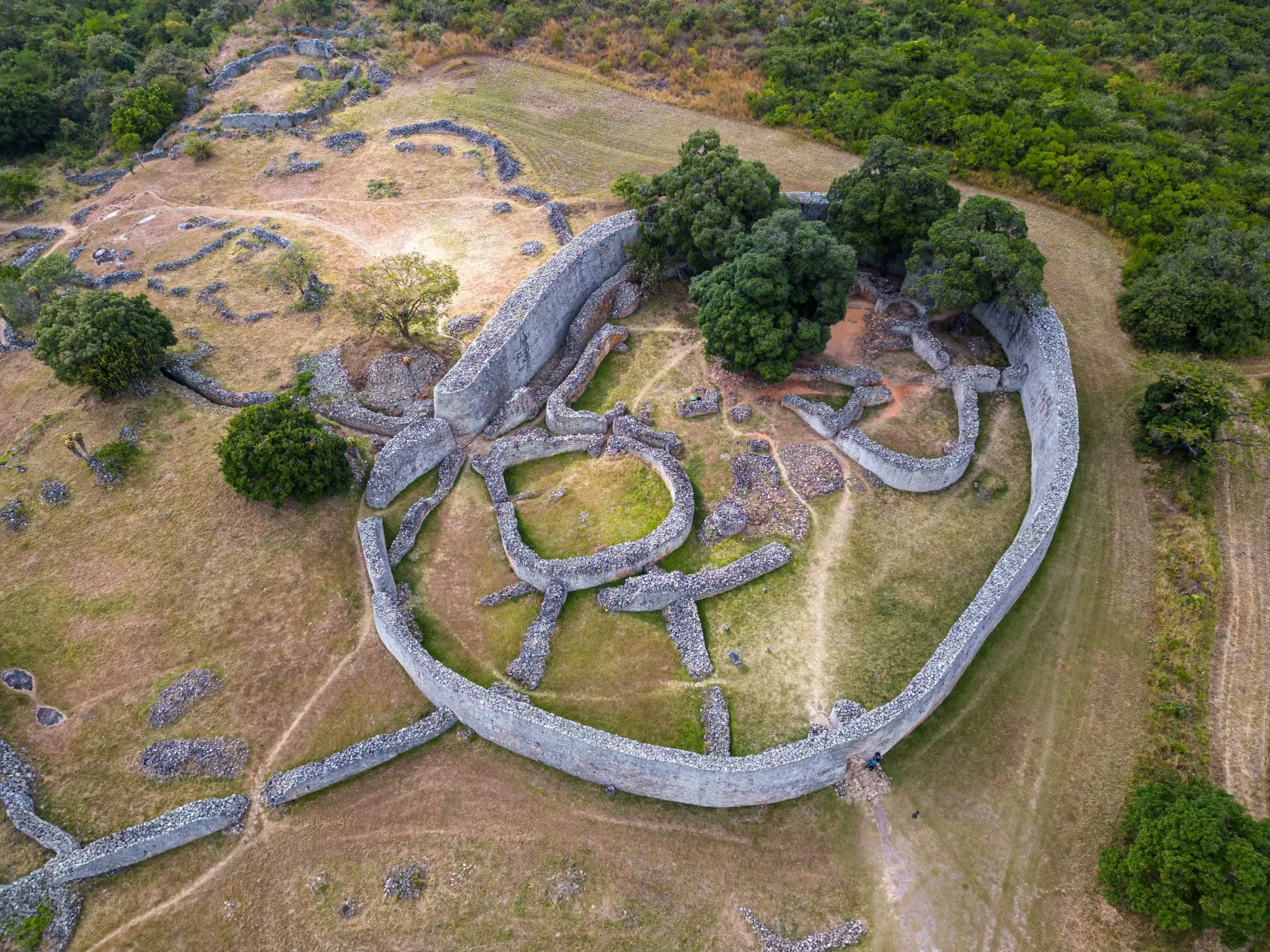
Great Zimbabwe & Matobo: Culture, Rock Art & Rhino
Great Zimbabwe & Matobo: Culture, Rock Art & Rhino
Zimbabwe
 Cultural
Customizable
Cultural
Customizable
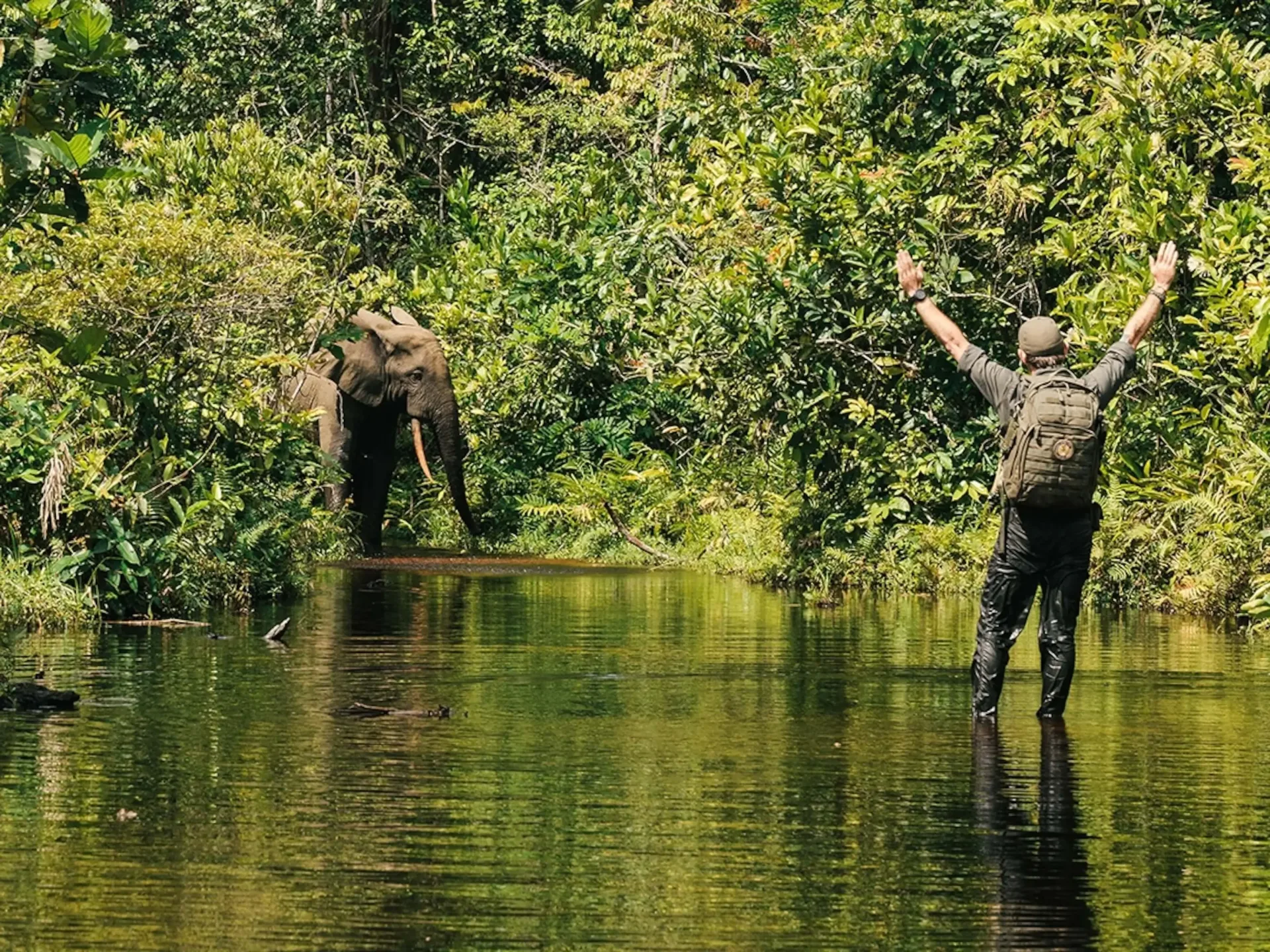
Grand Zimbabwe: The Complete Safari Journey
Grand Zimbabwe: The Complete Safari Journey
Zimbabwe
 Cultural
Customizable
Cultural
Customizable
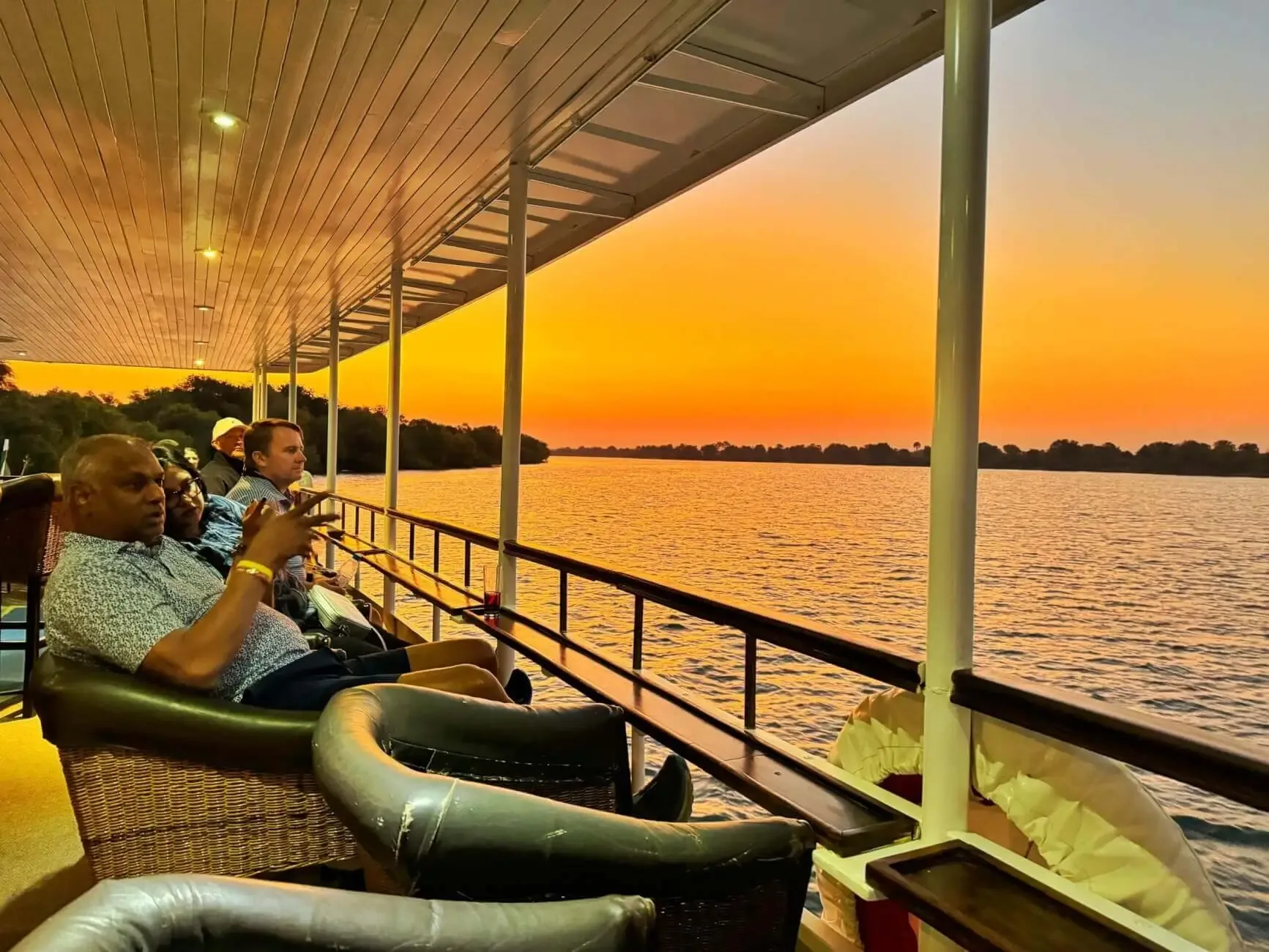
Victoria Falls & Safari: Livingstone and the Luangwa
Victoria Falls & Safari: Livingstone and the Luangwa
Zambia