8 Days • 7 Nights
Highlights of Zimbabwe: Victoria Falls & Hwange
Tour Includes
About the Trip
Trip Highlights
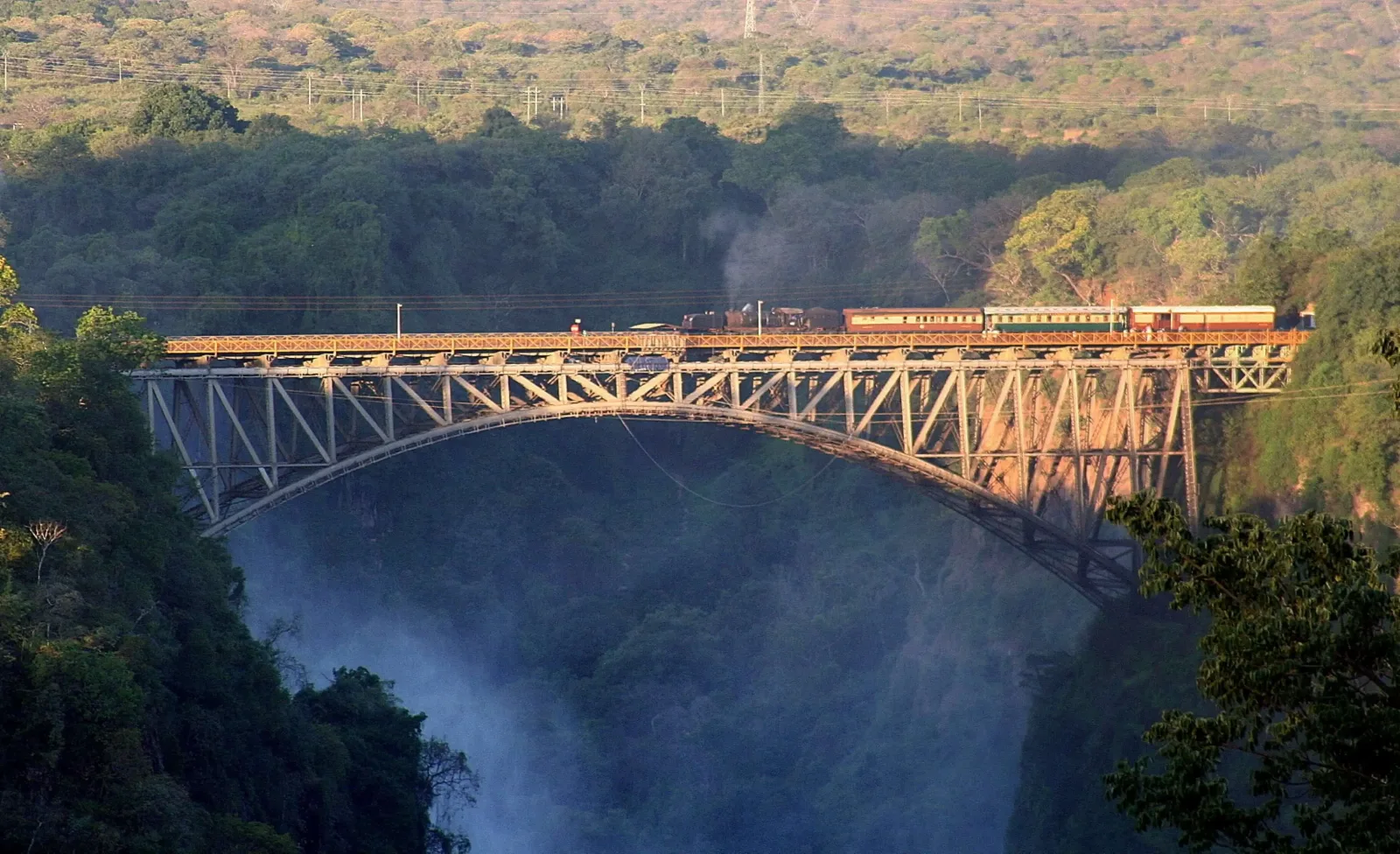
- Victoria Falls seen from the Zimbabwe side, the most expansive and front-on view of this world wonder, is a breathtaking highlight. The Zimbabwe bank runs along the full face of the falls, and a rainforest path leads to a series of viewpoints looking directly across the chasm at curtains of water thundering more than a hundred metres into the gorge. Local people call it Mosi-oa-Tunya, the Smoke that Thunders, and in high water the spray rises hundreds of metres and drenches the forest, while in low water the individual cataracts and the sheer rock face stand out in sharp, dramatic detail.
- The huge elephant herds of Hwange gathering at the waterholes are a magnificent highlight. Hwange is Zimbabwe's largest national park and home to one of Africa's greatest elephant populations, and in the dry season the sight of the herds is extraordinary: dozens, sometimes hundreds, of elephants converging on the pumped waterholes to drink, bathe, spray dust and jostle, calves splashing between the legs of their mothers. You sit quietly at a waterhole or in a hide as family after family emerges from the teak woodland, and the sounds, the rumbles, trumpets and the suck of trunks, fill the air.
- A sunset cruise on the Zambezi River above the falls is a magical, quintessentially African highlight. In the golden light of late afternoon, you glide along the broad, palm-fringed upper Zambezi, drink in hand, watching hippos surface and yawn, crocodiles bask on sandbars, elephants come down to drink, and birds settle in the riverine trees. As the sun sinks, the sky flares orange and crimson and the river turns to molten light, a scene of pure, unhurried beauty. It is the perfect, relaxed complement to the drama of the falls, a chance to see the Zambezi that feeds the great cataract in its gentle, upstream mood.
- Hwange's big cats and predators, tracked on expert-led game drives, are a thrilling highlight. Beyond its elephants, Hwange is superb big-cat country: prides of lion patrol the pans and grasslands, leopard slip through the woodland, and the park is a stronghold for the endangered painted dog, Africa's most efficient and charismatic pack hunter. On morning and afternoon drives, and on optional night drives in the private concessions, your guide reads tracks, alarm calls and the behaviour of the plains game to find them, and the dry-season concentrations around the water make sightings rewarding. Cheetah, spotted hyena, jackal and honey badger add to the cast.
- The renowned skill of Zimbabwe's professional guides is a quiet but defining highlight of this journey. Zimbabwe is famous throughout Africa for producing some of the most rigorously trained, knowledgeable and experienced safari guides on the continent, and their expertise transforms every drive, walk and sighting. They read the bush like a book, interpreting tracks, dung, birdsong and behaviour, anticipating what animals will do, and sharing a deep understanding of ecology, history and conservation with warmth and humour. Their passion and safety-first professionalism let you get close to the wilderness with complete confidence.
- Above all, this journey offers a perfectly balanced first taste of Zimbabwe, a world wonder and a genuinely wild safari. Over eight days you stand before the thunder of Victoria Falls from its most expansive side, cruise the golden Zambezi at sunset, and immerse yourself in the elephant-rich, cat-filled wilderness of Hwange, the country's largest park. You combine one of the planet's greatest natural spectacles with classic waterhole game viewing, all guided by Zimbabwe's celebrated professionals and warmed by the country's genuine hospitality. The pairing of the falls and Hwange is the essential Zimbabwe, spectacular, varied and authentic.
Day by Day
A detailed day-by-day plan for this 8-day journey.
Your Zimbabwe journey begins as you arrive at Victoria Falls Airport and are met and transferred to your hotel in the relaxed, leafy town of Victoria Falls. The town sits beside one of the natural wonders of the world, and even from a distance you may see the towering column of spray, the Smoke that Thunders, rising above the trees. Spend the rest of the day settling in and relaxing after your journey, perhaps taking a first stroll to the historic Victoria Falls Hotel for high tea with a view of the bridge and gorge, or watching for elephants and warthogs that wander the town's edges. This evening, over dinner, your guide outlines the days ahead, the falls, the Zambezi and the great wilderness of Hwange. Rest well, ready to stand before Victoria Falls tomorrow.
This morning you visit Victoria Falls itself, entering the rainforest that clings to the chasm rim on the Zimbabwe side, the bank that offers the most expansive, front-on views of the cataract. With your guide you follow the path from viewpoint to viewpoint, looking directly across the gorge at vast curtains of water thundering into the abyss, feeling the ground tremble and, in high water, being drenched by the drifting spray while rainbows arc through the mist. Your guide explains the geology, history and ecology of this extraordinary place, and there is time to linger, photograph and simply absorb the scale. The afternoon is free to explore the town, browse craft markets, or relax at your hotel. Perhaps end the day watching the sun set over the gorge. Rest well after a day before a world wonder.
Today is yours to enjoy the many pleasures of Victoria Falls at your own pace. You might take an optional adventure, a heart-stopping bungee jump or zipline from the historic bridge, white-water rafting through the churning rapids of the Batoka Gorge, a helicopter or microlight Flight of Angels over the falls, or a guided walk down into the gorge. Alternatively, relax with a visit to a village or the crocodile farm, browse the markets for stone carvings and baskets, or simply unwind by the pool. In the late afternoon, the highlight is a sunset cruise on the broad upper Zambezi, gliding past hippos, crocodiles and drinking elephants as the sky blazes orange and the river turns to molten gold, drink in hand. It is a magical, quintessentially African evening. Rest well, for tomorrow you head into the wild.
After breakfast you travel south into Hwange National Park, Zimbabwe's largest protected area, by light aircraft to a bush airstrip or by scenic road transfer. As you arrive in this vast wilderness of teak forest, open grassland and mineral-rich pans, the change is immediate: the bustle of the falls gives way to the deep silence and wide horizons of the bush. You are welcomed at your safari camp, settle into your tent or chalet, and enjoy lunch and a briefing. In the cool of the late afternoon you head out on your first game drive, the golden light picking out giraffe, zebra, kudu and, very likely, your first elephants ambling to a waterhole. As dusk falls you pause for sundowners in the bush before returning to camp for dinner under a canopy of stars. Rest well, deep in wild Zimbabwe.
Today you immerse yourself fully in Hwange's rhythm, with game drives in the cool of the morning and again in the golden afternoon, and a leisurely brunch and rest through the heat of the day. Hwange is famous above all for its elephants, and in the dry season the waterholes become stages for extraordinary gatherings: family after family emerging from the woodland to drink, bathe, spray dust and jostle, calves splashing at their mothers' feet. You may sit quietly at a hide as the herds stream in, so close you can hear them breathe. Between the pans, huge herds of buffalo, zebra, wildebeest, giraffe and antelope move across the grasslands, watched by lion and other predators. Your expert guide reads the bush and finds the action. Return to camp for dinner and the sounds of the African night. Rest well.
Another full day in Hwange lets you go deeper into its wildlife, with the flexibility to follow whatever the bush offers. Morning and afternoon game drives focus on the park's predators: prides of lion resting near the pans, leopard draped in a tree at dawn, and, if you are fortunate, a pack of endangered painted dogs on the hunt, for Hwange is one of their last strongholds. Your guide tracks fresh spoor, listens for alarm calls, and reads the behaviour of the plains game to find them. In private concessions you may enjoy a night drive, sweeping the darkness with a spotlight to reveal nocturnal creatures, genet, civet, spring hare and hunting cats. There may also be a chance for a guided bush walk, learning to read tracks and signs on foot. Return to camp for dinner and stories around the fire. Rest well.
On your final full day in Hwange you savour the wilderness at a relaxed pace, with a full choice of activities. You might take a long, leisurely morning drive to a distant pan, spend time in a waterhole hide watching the endless procession of animals, join a guided walk with your professional guide, or simply relax in camp between drives, watching game come to the camp waterhole. The dry-season concentrations mean there is always something to see, and this is the day to slow down, to notice the smaller wonders, birds, dung beetles, the play of light on the grass, and to let the peace of the bush settle over you. As the sun sets on your last evening, you gather for sundowners and a farewell dinner under the stars, reflecting on the great herds and predators of Hwange. Rest well amid the wild.
After a final early morning game drive or a relaxed breakfast in camp, you bid farewell to Hwange and are transferred by light aircraft or road to Victoria Falls Airport for your onward international departure. You leave having experienced the very best of Zimbabwe in perfect balance: the thunder and expansive views of Victoria Falls from its finest side, a golden sunset cruise on the mighty Zambezi, and days among the great elephant herds, big cats and huge plains-game concentrations of Hwange, all guided by the country's celebrated professionals. The images stay vivid long after you land, the curtains of falling water and drifting rainbows, the elephants crowding the waterholes at dusk, and the deep silence of the bush at night. Zimbabwe offers spectacle, genuine wilderness and warm hospitality in abundance, and you depart already dreaming of a return.
Where You Will Travel
What's inside the package?
Inclusions
- 7 nights accommodation, with full-board on safari at Hwange and daily breakfast at Victoria Falls
- Light-aircraft flights and road transfers between camps and destinations as per itinerary
- Game drives, guided walks and boat or canoe activities with expert professional guides as per itinerary
- National park, reserve and conservation fees as per itinerary
- Bottled water, soft drinks and most beverages in camp as stated
- a guided tour of the falls, a Zambezi sunset cruise, twice-daily game drives at Hwange, park and conservation fees, and light-aircraft or road transfers between destinations
Exclusions
- International airfare
- Visa or tourist card fees where applicable
- Travel insurance (strongly recommended)
- Some lunches and dinners in Victoria Falls town
- Optional adventure activities at the falls and tips for guides and drivers
- Meals not mentioned in the itinerary or inclusions
- Drinks unless specifically stated
- Optional excursions and experiences
- Personal expenses and gratuities
- Anything not specifically mentioned under Package Inclusions
Know when to go.
- Visa & entry: Most nationalities can obtain a Zimbabwe visa on arrival or as an eVisa online, and many visitors combining Victoria Falls with Zambia use the convenient KAZA UniVisa, which covers both countries plus day trips to Botswana's Chobe; a passport valid for at least six months with two or more blank pages is required. Requirements change, so we confirm the exact, current process for your nationality before you travel
- Currency: Zimbabwe's tourism sector runs largely on the US dollar, which is the practical currency for visitors; a local currency (the ZiG) is also in use, but prices for lodges, parks, activities and tips are quoted and best paid in US dollars. Bring clean US dollar notes in small denominations for gratuities, curios and drinks, as change and card facilities can be limited in the bush
- Best time to visit: The dry winter season (May to October) is prime for game viewing, as wildlife concentrates around shrinking water and the bush thins out, with September and October hottest and superb; the green summer season (November to April) brings lush scenery, newborn animals and wonderful birdlife. Victoria Falls is at its most thunderous from February to May and at its clearest, best for swimming, from September to December
- Language & etiquette: English is the official language and is very widely spoken, alongside Shona and Ndebele; a friendly greeting is always appreciated, and Zimbabweans are famously warm, courteous and hospitable. Tipping guides, trackers and camp staff is customary and welcomed, and it is polite to ask before photographing people, especially in villages and at cultural sites
- Getting around: Fly-in safaris link remote camps by light aircraft from Victoria Falls, Harare and bush airstrips, with strict soft-sided luggage limits, typically around 15 to 20kg (33 to 44lb) per person including hand luggage; road transfers, game-drive 4x4s, motorboats and canoes handle travel on the ground and water. Roads between the main sites are generally good, and Victoria Falls town is compact and walkable
- Health & safety: Zimbabwe's safari regions and the Zambezi valley are malaria areas, so consult your doctor about antimalarial medication and bring repellent and long sleeves for dusk; a yellow fever certificate is required only if arriving from a risk country. Camps are typically unfenced and wildlife moves freely, so you are escorted after dark and must follow all guide and camp safety briefings
- Culture & conservation: Zimbabwe holds extraordinary heritage, from the medieval stone city of Great Zimbabwe and the ancient San rock art of the Matobo Hills to pioneering rhino and elephant conservation; the country is also renowned for producing some of Africa's best-trained and most experienced professional safari guides. Respect wildlife distances, take only photographs, and support the community and conservation projects linked to the camps and reserves
- Power & packing: Power is 230V, with British-style type G and type D plugs in use, so bring a universal adapter; remote camps often run on solar with limited or scheduled charging, so carry spare batteries. Pack neutral-coloured, layered clothing (warm layers for cold winter mornings and evening game drives), a hat, sunglasses, high-factor sunscreen, binoculars, a good camera and a waterproof for the spray at the falls
Frequently Asked Questions
Why see Victoria Falls from the Zimbabwe side?
The Zimbabwe bank runs along the entire face of the falls and offers the most expansive, front-on views, with a rainforest walk leading to a series of viewpoints looking directly across the chasm at the full width of the cataract, some three-quarters of the falls' length. The Zambian side offers closer, more vertiginous perspectives and the famous Devil's Pool, but for the classic panoramic sweep of the whole falls, Zimbabwe is unmatched. Many visitors on the KAZA UniVisa cross to see both; we can arrange this easily.
How good is the game viewing in Hwange?
Excellent, especially in the dry season (roughly July to October), when animals concentrate around the pumped waterholes and the thinning bush makes them easy to see. Hwange holds one of Africa's largest elephant populations, along with lion, leopard, buffalo, giraffe, the endangered painted dog and huge herds of plains game. The waterhole gatherings are a signature spectacle. In the green season the park is lush and quieter, with superb birding and newborn animals, though wildlife is more dispersed. We advise on timing for your priorities.
What meals are included?
On safari almost everything is included: camps and lodges are generally full-board, with all meals plus most drinks, and the day is built around them, an early light breakfast before the morning activity, brunch or lunch on return, high tea before the afternoon game drive, and dinner back in camp, often around a fire under the stars. Zimbabwe's camps are known for excellent, generous food in remote settings, and dietary needs are easily catered for with advance notice. In Victoria Falls town, some meals are left free so you can enjoy its lively restaurants.
Are the safaris private or in a group?
Most Zimbabwe camps run shared game drives, walks and boat or canoe activities in small groups (typically a handful of guests per vehicle or boat) with an expert professional guide, which is sociable and superb value; the camps themselves are small and intimate. Zimbabwe is famous for the quality of its guiding, and private vehicles and guiding can be arranged at many camps for a supplement, ideal for families, photographers or those wanting full flexibility. Several packages here can be run as fully private, tailor-made journeys.
Do I need a visa for Zimbabwe?
Most nationalities can obtain a Zimbabwe visa on arrival at the airport or land borders, or in advance as an eVisa, and many visitors combining Victoria Falls with Zambia use the KAZA UniVisa, which covers both countries plus day trips to Botswana's Chobe. A passport valid for at least six months with two or more blank pages is required. We confirm the exact, current requirements for your nationality and the best visa option for your route before you travel.
Is Zimbabwe safe to visit?
Zimbabwe is a warm, welcoming and rewarding safari destination, and the tourism areas, Victoria Falls, Hwange, Mana Pools, Matobo, Great Zimbabwe and Lake Kariba, are well set up for visitors and generally very safe. The main considerations are natural: camps are often unfenced and wildlife is wild, so you follow your guide's instructions and are escorted after dark, and the safari regions are malaria areas, so we advise on precautions. We monitor conditions, use trusted local guides, and follow official guidance throughout.
When is the best time to visit?
The dry winter months (May to October) are prime for classic game viewing, as wildlife gathers around dwindling water and the thinning bush makes animals easier to spot, with September and October the hottest and most spectacular for big game at Hwange and in the Zambezi valley. The green season (November to April) brings lush landscapes, newborn animals and superb birdlife. Victoria Falls thunders at its fullest from February to May and is clearest, best for swimming at the edge, from September to December. We advise on the best timing for your interests.
Can the itinerary be customised?
Absolutely. Every Zimbabwe journey here is a flexible starting point: we can adjust the mix of Victoria Falls, Hwange, Mana Pools, Matobo, Great Zimbabwe and Lake Kariba, raise or lower the level of luxury, add or drop nights, arrange private guiding, and combine Zimbabwe with Botswana, Zambia or a beach in Mozambique or Zanzibar. We tailor the pace, comfort, budget and focus entirely to you, from adventurous walking and canoe safaris to fly-in luxury and family-friendly journeys.
More Adventure Journeys
 Adventure
Customizable
Adventure
Customizable
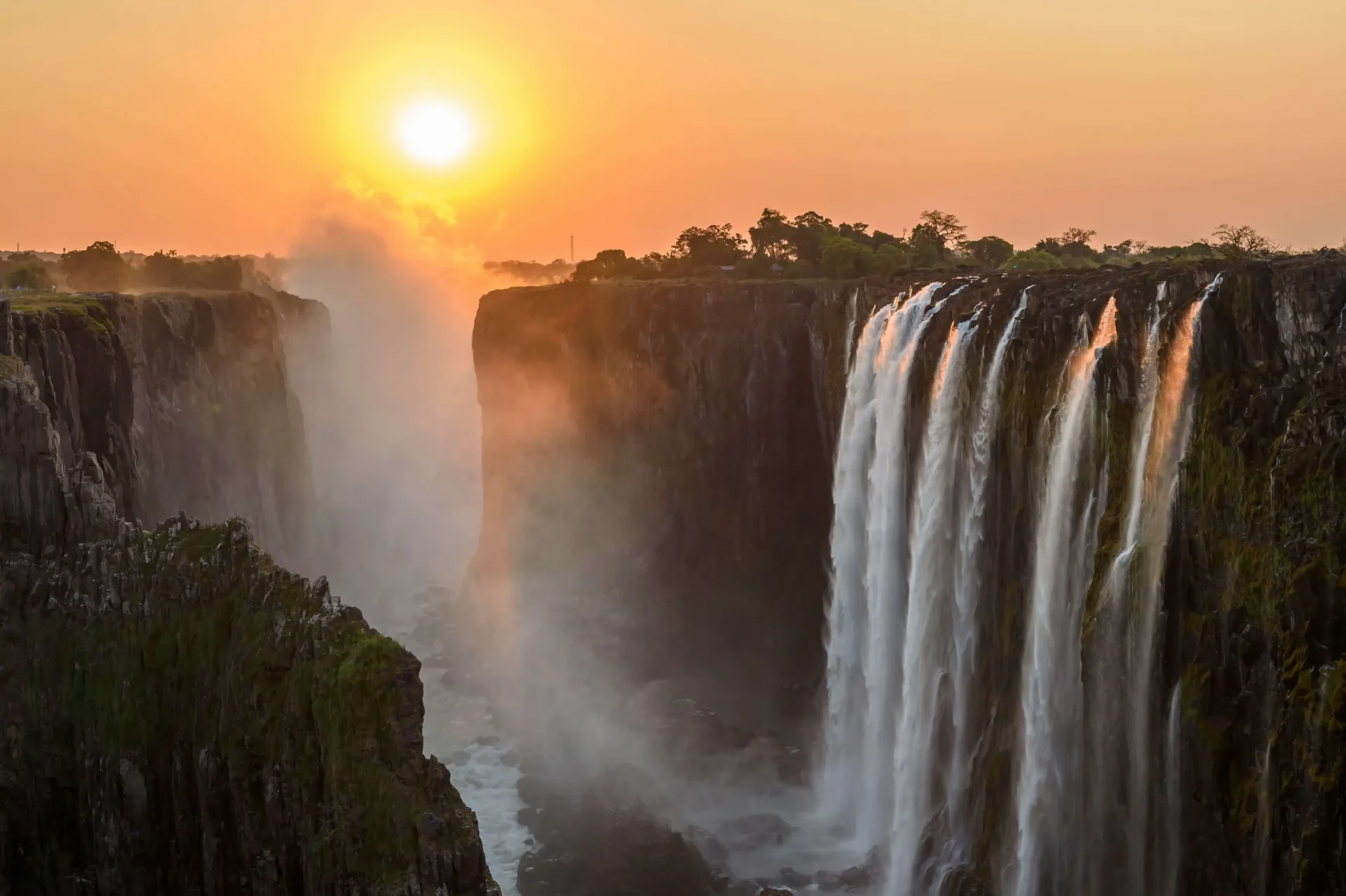
Victoria Falls Adventure: The Smoke that Thunders
Victoria Falls Adventure: The Smoke that Thunders
Zimbabwe
 Adventure
Customizable
Adventure
Customizable
Hwange & Mana Pools: A Great Zimbabwe Safari
Hwange & Mana Pools: A Great Zimbabwe Safari
Zimbabwe
 Adventure
Customizable
Adventure
Customizable
Mana Pools Walking & Canoe Safari
Mana Pools Walking & Canoe Safari
Zimbabwe