
7 Days • 6 Nights
Roman Tunisia: El Jem, Dougga & Carthage
Tour Includes
About the Trip
Trip Highlights

- The superb hilltop city of Dougga, the best-preserved Roman town in North Africa, is a magnificent highlight. Set on a green hillside amid rolling countryside and olive groves, Dougga is a UNESCO World Heritage Site and one of the most complete and beautiful Roman cities anywhere. You wander its remarkably intact streets and monuments, the elegant Capitol with its towering columns, the great theatre with sweeping views over the valley, the forum, temples, baths, market and the extraordinary tunnels and houses, even a Roman public latrine. The scale, preservation and beautiful setting are captivating, and you often have this astonishing site almost to yourself.
- The colossal Roman amphitheatre of El Jem is one of the greatest in the world, a spectacular highlight. Rising astonishingly from a small country town, the amphitheatre of El Jem is one of the largest and best-preserved in the Roman Empire, rivalling the Colosseum of Rome, and a UNESCO World Heritage Site. Built in the third century, its mighty tiers of golden stone arches once seated tens of thousands of spectators for gladiatorial games. You climb its towering walls for sweeping views, walk the arena floor, and descend into the underground passages where gladiators and wild animals once waited. The scale and grandeur are breathtaking.
- The Bardo Museum, with the world's finest Roman mosaics, is a cultural highlight of this journey. Housed in a magnificent former beylical palace in Tunis, the Bardo Museum holds one of the greatest collections of Roman mosaics on earth, an astonishing treasury recovered from Carthage, El Jem, Dougga and cities across the province. Room after room is carpeted with brilliant scenes of gods and myths, the seasons, hunting, fishing, farming and daily Roman life, including the famous portrait said to be of the poet Virgil. Alongside the mosaics are Punic, Roman and Islamic treasures. The richness and beauty are captivating.
- The evocative ruins of Carthage, the great Punic and Roman capital, are a magnificent highlight. Once the rival of Rome, Carthage was destroyed and rebuilt as one of the grandest cities of the Roman world, and its ruins spread across a beautiful headland above the sea near Tunis. You walk among the Antonine Baths, among the largest in the Empire, with columns rising against the blue Mediterranean, explore the Punic ports and the Byrsa hill, and take in the Roman theatre, villas and vast cisterns. The layered history, from Hannibal's Carthage to Roman splendour, and the beauty of the coastal setting are captivating.
- Thuburbo Majus, Sousse and Kairouan layer Roman glory with Islamic heritage on this journey. Beyond the great highlights you also explore the elegant Roman ruins of Thuburbo Majus, with its Capitol and columns set amid quiet countryside, and the coastal city of Sousse, with its UNESCO medina, mighty ribat fortress and fine archaeological museum of mosaics. You reach Kairouan, the fourth holiest city in Islam, with its magnificent Great Mosque and walled medina. This blend of Roman, Byzantine and Islamic heritage tells the whole story of Tunisia. The depth and variety are captivating.
- Above all, this journey offers the greatest Roman ruins in North Africa amid beautiful landscapes. Tunisia was one of the richest provinces of Rome, and this journey is a feast for lovers of antiquity. Over seven days you explore Carthage above the sea, the peerless mosaics of the Bardo, the superb hilltop city of Dougga, the elegant ruins of Thuburbo Majus, the colossal amphitheatre of El Jem and the medina and ribat of Sousse, ending in holy Kairouan. The combination of extraordinary Roman monuments, world-class mosaics and beautiful Mediterranean and countryside settings, layered with Islamic heritage, makes this journey utterly captivating.
Day by Day
A detailed day-by-day plan for this 7-day journey.
Your journey through Roman Tunisia begins as your flight arrives at Tunis-Carthage International Airport, where you are met and transferred to your hotel in Tunis, the lively Mediterranean capital that grew up beside ancient Carthage. Tunisia holds some of the greatest Roman ruins in the world, and the adventure of exploring them lies ahead. Spend the rest of the day settling in and relaxing after your journey, perhaps taking a first stroll along Avenue Habib Bourguiba or to the gates of the old medina. This evening, a welcome dinner introduces you to the delicious flavours of Tunisian cuisine and to the spectacular journey ahead through Carthage, Dougga, El Jem and beyond. As you settle in, the sense of history begins to work its magic. Rest well, ready to explore ancient Carthage and the Bardo tomorrow.
Today you immerse yourself in the ancient capital. You begin at the evocative ruins of Carthage, the legendary Punic and Roman city spread across a beautiful headland above the sea, walking among the vast Antonine Baths with their columns against the Mediterranean, the Punic ports, the Byrsa hill and museum, and the Roman theatre and villas. In the afternoon you visit the world-class Bardo Museum, home to the finest collection of Roman mosaics on earth, room after room carpeted with brilliant scenes of gods, seasons and daily Roman life in a magnificent former palace. The history and art are captivating. You may also glimpse Sidi Bou Said nearby. As the day ends, you return to your hotel in Tunis. This evening, savour Tunisian cuisine. Rest well, ready for Dougga tomorrow.
Today is a superb full-day excursion into the Roman countryside west of Tunis. You drive through rolling hills and olive groves to Dougga, the best-preserved Roman town in North Africa and a UNESCO site, spending time among its remarkably intact monuments, the towering Capitol, the great theatre with valley views, the forum, temples, baths and streets set on a beautiful green hillside. On the way back you visit Thuburbo Majus, another elegant Roman city with its Capitol and columns rising amid quiet countryside. The scale, preservation and beautiful settings are captivating, and you often have these astonishing sites almost to yourself. As the day ends, you return to Tunis. This evening, savour the capital's lively atmosphere and reflect on the day's ruins. Rest well, for tomorrow you journey south to Kairouan.
This morning you journey south from Tunis across the plains to Kairouan, the fourth holiest city in Islam and the oldest Arab-Muslim city in North Africa. On arrival you explore its magnificent Great Mosque, founded in the seventh century, with its vast arcaded courtyard, forest of ancient Roman and Byzantine columns and mighty square minaret. You wander the atmospheric walled medina, famous throughout Tunisia for its carpets, visit the elegant Aghlabid basins and the beautifully decorated shrine of Sidi Sahbi. The spirituality, history and craftsmanship are captivating, and Kairouan shows how the Roman world gave way to the Islamic. As the day ends, you settle into your accommodation in Kairouan. This evening, savour the peace of the holy city. Rest well, for tomorrow you visit El Jem and continue to the coast at Sousse.
Today you marvel at one of the greatest Roman monuments in the world. You drive to El Jem, where a colossal amphitheatre rises astonishingly from a small country town, one of the largest and best-preserved in the Roman Empire and a UNESCO site. You climb its mighty tiers of golden arches for sweeping views, walk the arena floor and descend into the underground passages where gladiators once waited, and visit the excellent local museum of mosaics. You then continue to the Mediterranean coast at Sousse, a lively port city. The grandeur of El Jem is breathtaking. As the day ends, you settle into your hotel in Sousse by the sea. This evening, savour the coastal atmosphere and fresh seafood. Rest well, ready to explore the medina and ribat of Sousse tomorrow.
Today you explore Sousse, a lively coastal city with a UNESCO-listed medina. You wander its walled old town, climbing the mighty ribat, a fortified monastery whose watchtower gives sweeping views over the medina and sea, and taking in the great kasbah and the Grand Mosque. You visit the Sousse Archaeological Museum, home to a superb collection of Roman mosaics second only to the Bardo, and browse the souks. The afternoon is yours to relax on the beach and swim in the warm Mediterranean, or take an optional excursion to nearby Monastir with its beautiful ribat and mausoleum. The blend of history and seaside pleasure is delightful. As the day ends, you savour the coast. This evening, enjoy fresh seafood by the sea, reflecting on the Roman journey. Rest well ahead of your departure tomorrow.
After a final morning by the sea in Sousse, you are transferred (via Tunis) to Tunis-Carthage International Airport for your onward international departure. You leave having experienced the greatest Roman ruins in North Africa, the evocative ruins of Carthage above the sea, the peerless mosaics of the Bardo, the superb hilltop city of Dougga, the elegant columns of Thuburbo Majus, the colossal amphitheatre of El Jem and the medina and ribat of Sousse, all layered with the Islamic heritage of holy Kairouan. The images stay vivid long after you land, the Capitol of Dougga on its green hill, the golden arches of El Jem, and the mosaic scenes of the Bardo. Tunisia offers ancient history and beauty in abundance, and you depart already dreaming of a return to this remarkable land.
Where You Will Travel
What's inside the package?
Inclusions
- 6 nights accommodation, a welcome dinner in Tunis
- Daily breakfast
- Airport and land transfers in air-conditioned vehicles
- Touring and sightseeing as per itinerary with expert local guides
- Entrance fees to sites, museums and monuments as per itinerary
- Private touring with an expert local guide, a Carthage and Bardo tour, a full-day excursion to Dougga and Thuburbo Majus, visits to El Jem and Sousse, a Kairouan tour, and all entrance fees to archaeological sites and museums
Exclusions
- International airfare
- Visa or tourist card fees where applicable
- Travel insurance (strongly recommended)
- Some lunches and dinners not specified
- Optional guided archaeology talks and tips for guides and drivers
- Meals not mentioned in the itinerary or inclusions
- Drinks unless specifically stated
- Optional excursions and experiences
- Personal expenses and gratuities
- Anything not specifically mentioned under Package Inclusions
Know when to go.
- Visa & entry: Many nationalities (including the EU, UK, US, Canada and Australia) can enter Tunisia visa-free for tourist stays of up to 90 days, receiving a stamp on arrival; a passport valid for at least three to six months beyond your stay is required. Requirements can change, so we confirm the exact rules for your nationality and advise on any documents needed before you travel
- Currency: The currency is the Tunisian Dinar (TND), a closed currency you exchange on arrival (not beforehand) and convert back before you leave; cards are accepted in hotels, larger restaurants and shops in Tunis and the resorts, but carry cash for souks, taxis, cafes, tips and rural areas, where ATMs are common in towns
- Best time to visit: Spring (March to May) and autumn (September to November) are ideal, with warm, sunny, comfortable days perfect for Roman sites, the medinas, the coast and the desert; summer (June to August) is hot and best for the beaches, while the Sahara is most comfortable from October to April, when desert days are pleasant and nights cool
- Language & etiquette: Arabic is the official language, French is very widely spoken, and English is understood in tourism; Tunisia is a relaxed, moderate Muslim country, and modest dress is appreciated, especially at mosques and religious sites (cover shoulders and knees), while beach resorts are relaxed. A little French or Arabic and a friendly manner are always warmly received
- Getting around: Touring is by private air-conditioned vehicle with your driver-guide, with some long but scenic drives across a compact country, from the northern coast to the Sahara; internal flights (Tunis to Djerba or Tozeur) can shorten longer journeys, and we plan the most comfortable routing, with 4x4 vehicles used for desert stretches such as Ksar Ghilane
- Health & safety: Tunisia is a welcoming destination and travel is generally smooth; we monitor conditions and follow official advice. Drink bottled water, use sun protection in the strong North African sun, and bring any personal medication. No special vaccinations are usually required, though we recommend routine vaccinations are up to date; travel insurance is strongly advised
- Culture & history: Tunisia layers Punic Carthage, superb Roman cities (El Jem, Dougga, Carthage), the holy Islamic city of Kairouan, atmospheric medinas, Berber villages and Saharan oases; dress respectfully at the Great Mosque of Kairouan and other religious sites, ask before photographing people, and bargaining is normal and good-humoured in the souks
- Power & practicalities: Power is 230V with European-style type C and E plugs, so bring an adapter; tipping (a few dinars) is customary for guides, drivers and in restaurants. Friday is the main prayer day and some sites adjust hours; we build the itinerary around opening times so you see each place at its best
Frequently Asked Questions
Why are Tunisia's Roman ruins so impressive?
Tunisia was one of the richest provinces of the Roman Empire, the granary of Rome, and its prosperity left behind extraordinary monuments. El Jem's amphitheatre rivals the Colosseum, Dougga is the best-preserved Roman town in North Africa, and the Bardo holds the finest collection of Roman mosaics on earth. Many sites are remarkably intact and gloriously uncrowded, so you can wander a whole Roman city almost alone, an experience that lovers of history and archaeology find deeply rewarding.
Is this journey suitable for keen history and archaeology lovers?
Absolutely, it is designed for them. You spend real time at each major site with an expert guide who brings the Punic, Roman, Byzantine and Islamic layers vividly to life, and the pace allows for unhurried exploration of Carthage, Dougga, Thuburbo Majus, El Jem and the Bardo. We can add specialist guiding, more remote Roman sites, or extra time in the medinas, tailoring the depth and focus to your interests, whether you are a passionate scholar or a curious first-time visitor.
What meals are included?
Daily breakfast is included, along with any meals named in the itinerary (typically dinners at desert camps and some half-board or remote stays). Tunisian cuisine is delicious and varied, from couscous, brik and grilled fish to harissa, fresh salads, olives, dates and mint tea, and we usually leave lunches and some dinners free so you can explore, recommending the best local restaurants at every stage of your journey.
Are the tours private or in a group?
Your journey is private by default, with your own expert local driver-guide and air-conditioned vehicle, giving you flexibility, depth and a pace tailored to you; small-group options can be arranged if you prefer. Tunisia's knowledgeable guides bring the Roman cities, medinas, mosques, Berber villages and Saharan oases vividly to life, greatly enriching every visit, with 4x4 vehicles used for the desert stretches of the journey.
Do I need a visa for Tunisia?
Many nationalities, including the EU, UK, US, Canada and Australia, can enter Tunisia visa-free for tourist stays of up to 90 days, receiving a stamp on arrival, and a passport valid for at least three to six months beyond your stay is required. We confirm the exact, current requirements for your nationality and advise on any documents needed, so entry is smooth and straightforward.
Is Tunisia safe to visit?
Tunisia is a warm and welcoming country and the main tourist regions, from Tunis, Carthage and the coast to Kairouan, the Roman sites and the Saharan oases, are well set up for visitors and travel there is generally smooth. We continuously monitor conditions, use trusted local guides and drivers, and follow official guidance at all times, planning routes and timings so your journey is comfortable, rewarding and reassuring throughout.
When is the best time to visit?
Spring (March to May) and autumn (September to November) are ideal, with warm, sunny, comfortable days perfect for the Roman sites, medinas, coast and desert. Summer is hot and best suited to the beaches, while the Sahara is most comfortable from October to April. We advise on the best timing for your interests and the regions you wish to see, and tailor the itinerary to the season.
Can the itinerary be customised?
Absolutely. We can adjust the balance of Tunis and Carthage, the Roman cities, Kairouan, the Sahara and oases, the Berber south and the Mediterranean coast, add nights at a desert camp or a beach resort, include Djerba or extra Roman ruins, and tailor the pace, comfort and focus to you. Every itinerary is a flexible starting point for your ideal journey through beautiful and varied Tunisia.
More Cultural Journeys
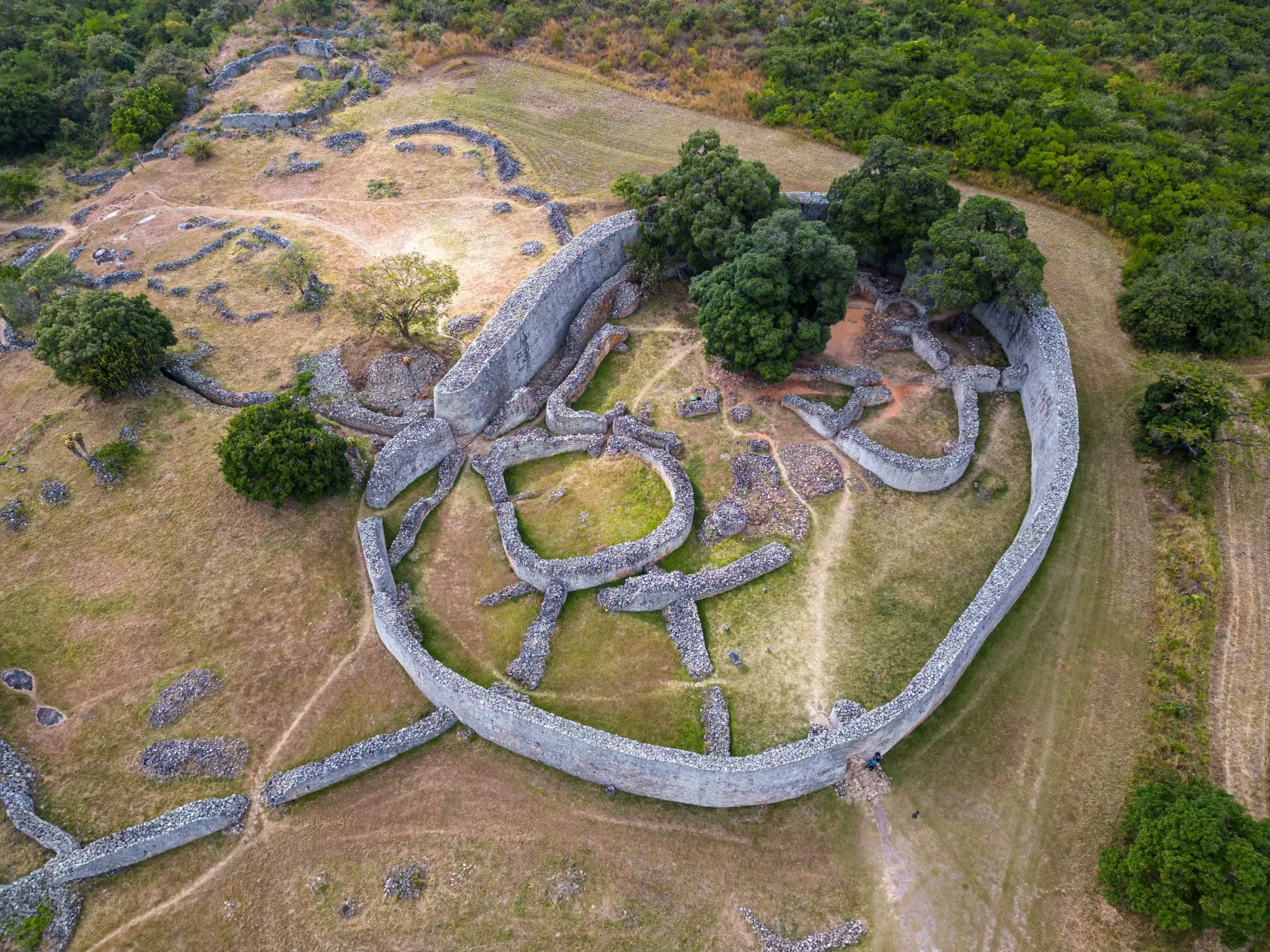 Cultural
Customizable
Cultural
Customizable
Great Zimbabwe & Matobo: Culture, Rock Art & Rhino
Great Zimbabwe & Matobo: Culture, Rock Art & Rhino
Zimbabwe
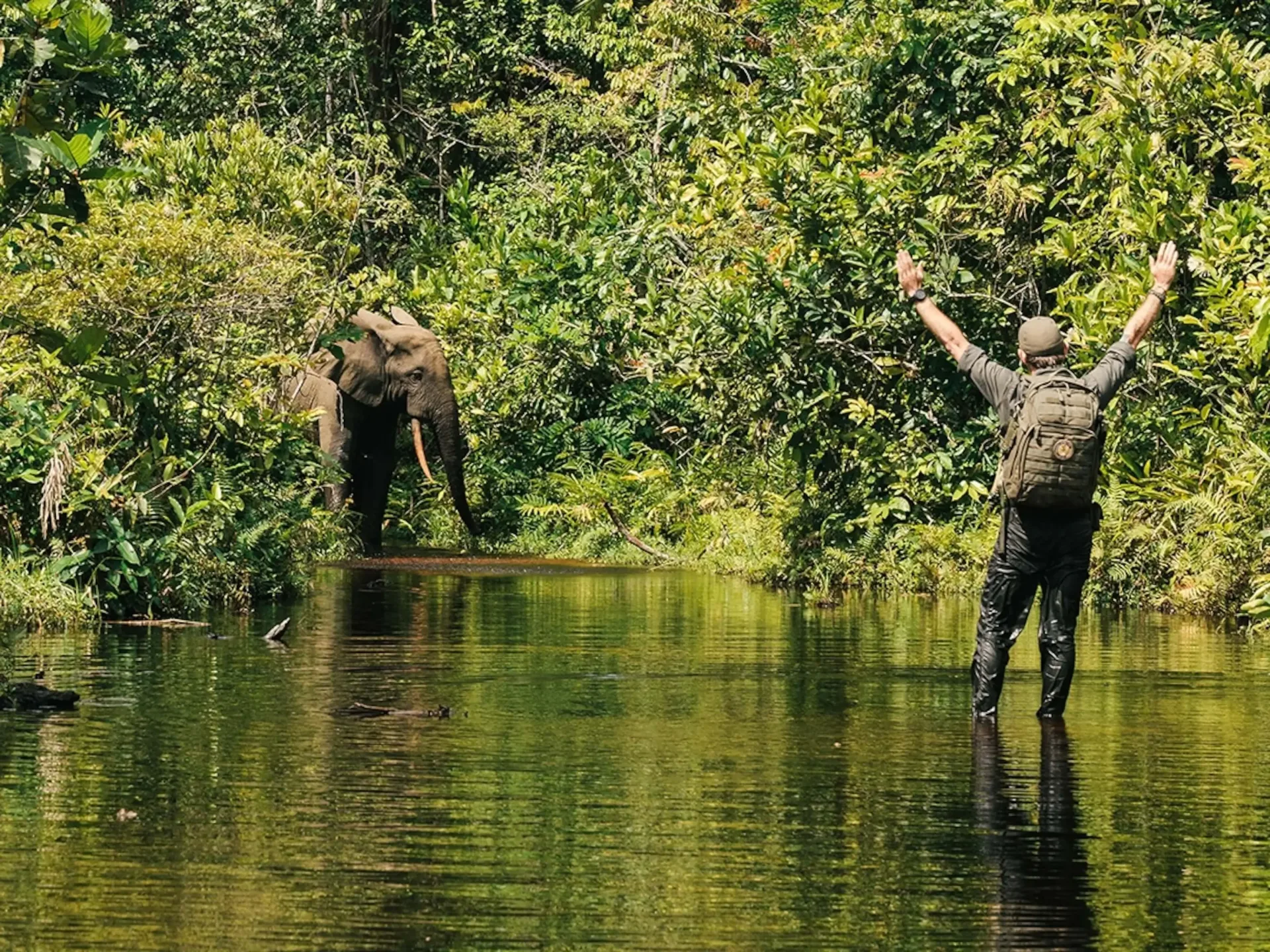 Cultural
Customizable
Cultural
Customizable
Grand Zimbabwe: The Complete Safari Journey
Grand Zimbabwe: The Complete Safari Journey
Zimbabwe
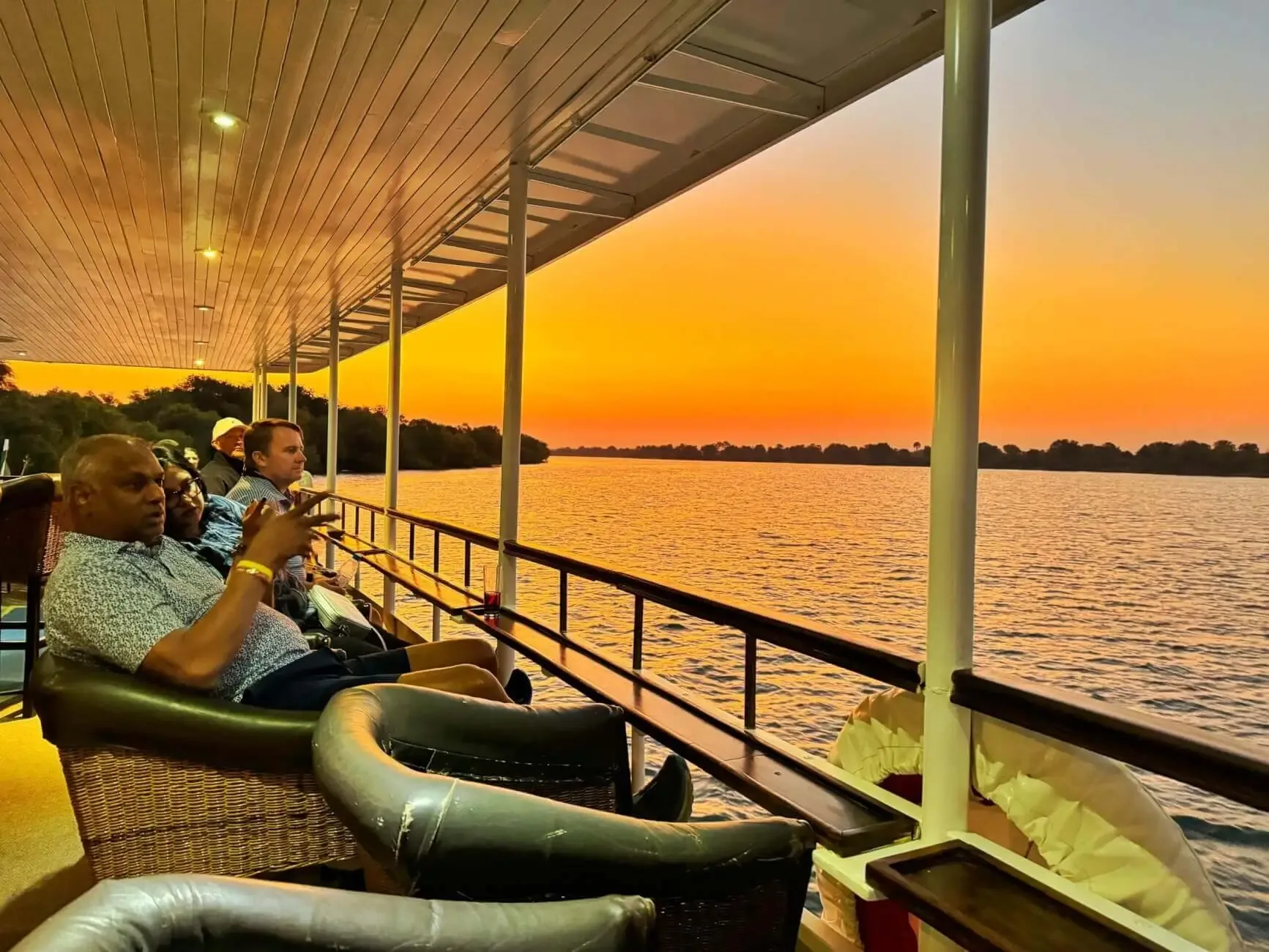 Cultural
Customizable
Cultural
Customizable
Victoria Falls & Safari: Livingstone and the Luangwa
Victoria Falls & Safari: Livingstone and the Luangwa
Zambia