
8 Days • 7 Nights
Great Migration Safari: The Serengeti & Ngorongoro
Tour Includes
About the Trip
Trip Highlights
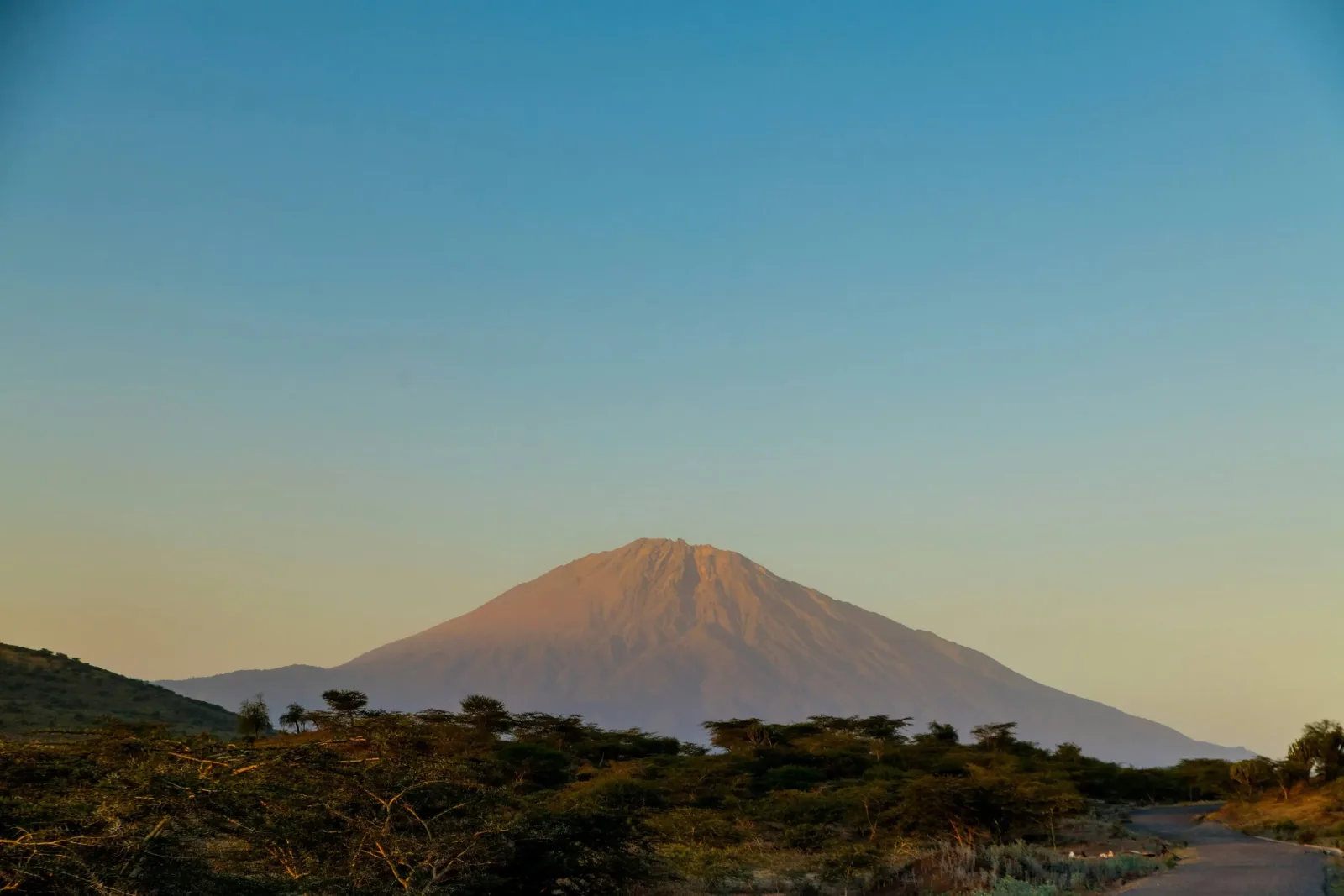
- Witnessing the Great Migration is the greatest wildlife spectacle on earth. In a vast, year-round circle across the Serengeti and into Kenya's Masai Mara, over a million wildebeest and hundreds of thousands of zebra and gazelle move endlessly in search of fresh grazing, following the rains. The plains fill with immense, restless, bellowing herds stretching to the horizon, shadowed at every turn by lions, cheetahs, hyenas and other predators. Where and when to find the herds changes through the year, from the calving grounds of the southern plains around January and February to the dramatic river crossings of the north in the dry months.
- The dramatic river crossings are the heart-stopping climax of the migration. In the dry months, roughly July to October, the migrating herds reach the crocodile-infested Grumeti and Mara rivers, gathering in their thousands on the banks, milling and hesitating, tension building, until one animal plunges in and the rest follow in a chaotic, thundering torrent, braving strong currents and the huge crocodiles that lie in wait. It is raw, unpredictable and utterly gripping, one of the most dramatic events in the natural world. With patient, expert guiding and immersive time in the northern Serengeti, you position yourself at the crossing points and wait for the moment.
- Four immersive nights in the Serengeti give superb big-cat and wildlife viewing. The Serengeti, a vast ocean of golden grassland dotted with acacias and dramatic granite kopjes, offers some of the finest big-cat viewing on earth. With four full nights here, you enjoy unhurried, immersive game drives at dawn and dusk, seeking out the Serengeti's powerful lion prides, cheetahs hunting on the open plains, elusive leopard draped in the riverine trees, and elephant, buffalo, giraffe, hippo and immense herds of plains game. The depth of time lets you follow the migrating herds, return to favourite sightings, explore different areas of this immense park.
- The giant baobabs and huge elephant herds of Tarangire add variety at the start of the journey. Tarangire National Park, a rolling landscape of golden grassland studded with ancient, swollen baobab trees and threaded by the Tarangire River, is one of the most atmospheric parks in Africa. In the dry season it draws some of the largest elephant herds in Tanzania, and you watch great families move across the plains, dig for water in the riverbed and shelter beneath the enormous baobabs. Alongside the elephants you find lion, leopard, buffalo, giraffe, zebra, the tall fringe-eared oryx, and over five hundred species of birds.
- The wildlife-filled Ngorongoro Crater, a natural amphitheatre of the Big Five, is an unforgettable highlight. The Ngorongoro Crater is the world's largest intact volcanic caldera, a vast, unbroken bowl some twenty kilometres across, its walls rising six hundred metres above a floor of grassland, swamp, soda lake and forest. Within this natural amphitheatre lives one of the densest concentrations of wildlife in Africa, and descending into it feels like entering a lost world. Here you can see all of the Big Five in a single day, with an excellent chance of the endangered black rhino, alongside great lion prides.
- Above all, this journey is a thrilling, immersive pursuit of the Great Migration in wild Tanzania. The Great Migration is the greatest wildlife spectacle on earth, and this journey is built around witnessing it. Over eight days, with four immersive nights in the legendary Serengeti, you follow the vast migrating herds across the golden plains, wait at the rivers for the dramatic crossings in season, and enjoy superb viewing of lions, cheetahs, leopards and elephants, framed by the baobabs and elephant herds of Tarangire and completed by the Big Five wildlife of the Ngorongoro Crater.
Day by Day
A detailed day-by-day plan for this 8-day journey.
Your migration safari begins as your flight arrives at Kilimanjaro International Airport, where you are met and transferred to your lodge in or near Arusha, the green safari town that is the gateway to Tanzania's northern circuit. Tanzania holds the greatest concentration of wildlife on earth, and the warmth of the Tanzanian welcome is felt from the moment you arrive. Spend the rest of the day settling in and relaxing after your journey, perhaps enjoying the gardens, pool or coffee-farm setting of your lodge beneath Mount Meru. This evening you meet your guide for a briefing on the thrilling journey ahead, in pursuit of the Great Migration across the Serengeti, with Tarangire and the Ngorongoro Crater along the way. As you settle in, the anticipation of the vast herds and the plains begins to build. Rest well, ready to head to Tarangire tomorrow.
This morning you leave Arusha and drive south-west to Tarangire National Park, arriving in time for lunch before an afternoon game drive. Tarangire is one of the most atmospheric parks in Africa, a rolling landscape of golden grassland studded with ancient, swollen baobab trees and threaded by the Tarangire River, which draws wildlife from far around in the dry season. You set out among the giant baobabs in search of the park's famous elephant herds, some of the largest in Tanzania, watching great families feed, dig for water in the riverbed and shelter beneath the enormous trees. You also look for lion, leopard, buffalo, giraffe, zebra and the tall fringe-eared oryx, amid an extraordinary richness of birdlife. As the golden light softens over the baobabs and herds, the scene is unforgettable. Rest well at your Tarangire camp.
This morning you begin the scenic journey to the Serengeti, climbing the Rift Valley escarpment and crossing the highlands past the Ngorongoro Conservation Area, with sweeping views, before descending onto the endless plains of the Serengeti National Park. This vast ocean of golden grassland, dotted with flat-topped acacias and dramatic granite kopjes, is the stage for the Great Migration. You arrive to begin game viewing as you make your way to your camp, positioned in the best region for the season, and may already encounter the vanguard of the migrating herds, great columns of wildebeest and zebra streaming across the plains, shadowed by predators. Your expert guide reads the savannah brilliantly, seeking out lions, cheetahs and leopards among the herds. As the sun sets over the immense plains, the sense of space and anticipation is extraordinary. Rest well in the heart of the Serengeti.
Today is a full, immersive day among the migrating herds of the Serengeti. You set out at dawn, when the plains are cool and the predators are active, following the vast columns of wildebeest and zebra as they move across the grasslands, bellowing and restless, in one of nature's most primal rhythms. Depending on the season, you may be among the calving herds of the southern plains, where thousands of newborns and their predators create constant drama, or in the north near the great rivers. You seek out the lions, cheetahs and hyenas that shadow the migration, and the leopards, elephants, giraffes and hippos of the wider ecosystem. You may picnic in the bush and drive until the golden evening light floods the savannah, the herds silhouetted against the sky. As the sun sets over the endless plains, the abundance is overwhelming. Rest well beneath the Serengeti stars.
Another immersive day in the Serengeti lets you go deeper in pursuit of the migration and its predators. In the dry-season months you focus on the crocodile-infested Grumeti and Mara rivers, where the herds mass on the banks before plunging across in dramatic, heart-stopping crossings, and you position yourself patiently at the crossing points, camera ready, for this unpredictable spectacle. In other seasons you follow the herds across the plains and concentrate on the Serengeti's superb big cats, seeking out lion prides on their kills, cheetahs hunting gazelle on the open grass, and leopards resting in the riverine trees. You explore different areas of this immense park, from open plains to wooded rivers and granite kopjes where lions like to rest. As the day ends in golden light, you savour the drama. Rest well in the wild heart of the Serengeti.
You have a final, full day to savour the Serengeti and its wildlife, with time to return to favourite areas, follow the migrating herds once more, or seek out any species you have yet to see. An optional dawn balloon safari drifts silently over the plains as the sun rises, the herds and predators far below, followed by a champagne bush breakfast, an unforgettable way to experience the vastness of the Serengeti. On your game drives you continue to enjoy superb sightings of lions, cheetahs, leopards, elephants and the great herds, guided by your expert who brings the ecosystem vividly to life. The depth of time here means you leave the Serengeti with a rich, unhurried experience of its rhythms and drama. As the sun sets on your last Serengeti evening, you reflect on the spectacle you have witnessed. Rest well beneath the vast plains sky.
This morning you enjoy a final game drive in the Serengeti before beginning the journey east towards the Ngorongoro highlands. On the way you may stop at Olduvai Gorge, the celebrated Cradle of Mankind, where the Leakeys uncovered some of the earliest known human remains, with its small museum overlooking the gorge. You climb into the cool, green highlands of the Ngorongoro Conservation Area, where Maasai graze their cattle alongside the wildlife, and arrive at your lodge perched on the crater rim, with breathtaking views down into the vast caldera far below. As the afternoon light plays across the crater floor, the anticipation of tomorrow's descent builds. This evening, enjoy the cool highland air and the extraordinary panorama over one of the great wonders of Africa. Rest well on the rim of the Ngorongoro Crater.
This morning you descend into the Ngorongoro Crater, the world's largest intact volcanic caldera and one of the great wonders of Africa. You wind down onto the crater floor, entering a vast natural amphitheatre some twenty kilometres across, where one of the densest concentrations of wildlife in Africa awaits. You may see all of the Big Five, with an excellent chance of the endangered black rhino, alongside great lion prides, elephants with enormous tusks, buffalo, hippos, flamingos on the soda lake and countless plains game, all beneath the towering rim. After this extraordinary finale you climb back to the rim and drive to Arusha for your onward international departure (a light-aircraft flight can be arranged). You leave having witnessed the Great Migration and the Big Five, the vast herds, the river crossings, the big cats and the crater teeming with life. Tanzania offers spectacular wildlife in abundance, and you depart already dreaming of a return.
Where You Will Travel
What's inside the package?
Inclusions
- 7 nights accommodation and full-board on safari with all meals at lodges and camps
- Game drives in custom 4x4 safari vehicles with pop-up roofs
- All national park, reserve and conservation area fees as per itinerary
- Airport and land transfers, and internal light-aircraft flights where specified
- Touring and game viewing with expert English-speaking driver-guides
- Bottled water in the safari vehicle and unlimited game drives as per itinerary
- Private touring with an expert driver-guide and custom 4x4 safari vehicle, all game drives, a Ngorongoro Crater descent, safaris in Tarangire, the Serengeti and Ngorongoro positioned for the migration, and all park and conservation area fees
Exclusions
- International airfare
- Visa or tourist card fees where applicable
- Travel insurance (strongly recommended)
- Balloon safari over the Serengeti (optional)
- International and internal flights unless specified, and tips for guides and camp staff
- Meals not mentioned in the itinerary or inclusions
- Drinks unless specifically stated
- Optional excursions and experiences
- Personal expenses and gratuities
- Anything not specifically mentioned under Package Inclusions
Know when to go.
- Visa & entry: Most visitors need a visa for Tanzania, which can be obtained as an eVisa online before travel or, for many nationalities, on arrival at the main airports; a passport valid for at least six months with blank pages is required. Requirements can change, so we confirm the exact current process for your nationality and help you secure the eVisa in good time
- Currency: The currency is the Tanzanian Shilling (TZS); US dollars are widely accepted at lodges, camps and for park fees (bring notes issued after 2009), and cards work at hotels and larger establishments in Arusha, Dar es Salaam and Zanzibar, but carry cash for tips, curios and remote areas. ATMs are common in towns but scarce on safari
- Best time to visit: The long dry season from late June to October is superb for wildlife and for the Serengeti river crossings, while the calving season of the southern Serengeti in January and February is spectacular; the long rains fall roughly March to May and short rains in November, when the parks are green, lush and quieter with fewer visitors and lower prices
- Language & etiquette: Swahili and English are the official languages, and English is widely spoken in tourism, making travel easy; a friendly Jambo goes a long way. Ask permission before photographing people, especially Maasai communities, dress modestly in towns and, particularly, on the Muslim island of Zanzibar, and respect local customs everywhere
- Getting around: Safaris are by custom 4x4 vehicle with a pop-up roof and expert driver-guide, with some long but scenic drives on the northern circuit; light-aircraft flights link the Serengeti, the southern parks, Zanzibar and the coast quickly and comfortably on fly-in itineraries. Roads can be rough and dusty in the parks, so bring a light scarf and a small daypack
- Health & safety: A yellow fever certificate is required if you are arriving from or transiting an endemic country; malaria prophylaxis is recommended for most safari and coastal areas, so consult a travel clinic well before departure, and bring insect repellent, sun protection and personal medication. Tanzania is a rewarding, well-established safari destination, and we use trusted guides and follow official guidance
- Culture & tipping: Tanzania is a warm, diverse country of many peoples, from the Maasai of the northern plains to the Swahili culture of Zanzibar; a village or community visit is a genuine highlight. Tipping is customary and appreciated, for driver-guides, camp and lodge staff, porters and mountain crews, and we advise on suggested amounts. Photography of airports and official buildings is best avoided
- Power & practicalities: Power is 240V with UK-style type G three-pin plugs (type D is also found), so bring an adapter; camps and lodges often run on generators or solar with limited hours and charging points, so a power bank is useful. Pack neutral-coloured, lightweight clothing, warm layers for cool early game drives and the crater rim, a hat, binoculars and a good camera with a zoom lens
Frequently Asked Questions
When and where can I see the Great Migration in the Serengeti?
The migration is a year-round circle, so it can be seen in the Serengeti at any time, but the location changes with the seasons. Roughly December to March the herds are on the southern plains for the calving season, wonderful for newborns and predators; from around June the herds move north-west through the Grumeti; and roughly July to October they reach the northern rivers for the dramatic crossings. We plan your itinerary and choose your camps to position you in the best region for your travel dates.
Are the river crossings guaranteed?
No; the Great Migration follows the rains, not a calendar, so the exact timing and location of the river crossings vary year to year and even day to day, and the crossings themselves are famously unpredictable, with herds sometimes massing for hours before plunging in. We maximise your chances by travelling in the crossing season (roughly July to October), staying near the northern rivers, and giving you immersive time and patient, expert guiding, but the wild, unscripted nature of the spectacle is part of its magic.
What meals are included?
Meals as specified in each itinerary are included; on safari, most lodges and camps operate on a full-board basis, so breakfast, lunch and dinner are typically included while you are in the parks and reserves, along with bottled water in the vehicle. In Arusha, Dar es Salaam and on Zanzibar, breakfast is usually included and other meals may be free for you to explore. Tanzanian cuisine is hearty and varied, from nyama choma (grilled meat) and ugali to fragrant Swahili coast seafood, coconut curries and tropical fruit, and we detail exactly what is included at each stage.
Are the tours private or in a group?
Your safari is private by default, with your own expert English-speaking driver-guide and custom 4x4 vehicle with a pop-up roof, giving you flexibility, unhurried game viewing and a pace tailored to you; small-group and fly-in options can be arranged if you prefer. Tanzania's knowledgeable guides are superb at finding and interpreting wildlife, from the big cats of the Serengeti to the elephants of Tarangire, and greatly enrich every game drive, cultural visit and journey through this beautiful country.
Do I need a visa for Tanzania?
Most visitors need a visa, which can be obtained as an eVisa online before travel or, for many nationalities, on arrival at the main airports, and a passport valid for at least six months with blank pages is required. We confirm the exact, current requirements for your nationality, advise on the best approach, and help you secure the eVisa in good time so your entry is smooth and stress-free.
Is Tanzania safe to visit?
Tanzania is one of Africa's most established and rewarding safari destinations, welcoming visitors for decades, and travel on a well-planned itinerary is smooth and rewarding. We use trusted lodges, camps, guides and drivers, and follow official guidance at all times, taking sensible precautions in cities as anywhere. On safari, on Kilimanjaro and on Zanzibar you are in expert, experienced hands, and the warmth of the Tanzanian welcome is one of the great joys of a visit.
When is the best time to visit?
The long dry season from late June to October is superb for wildlife and for the Serengeti river crossings, while the calving season in the southern Serengeti in January and February is spectacular for predators and newborns. The green seasons of the long rains (roughly March to May) and short rains (November) bring lush landscapes, wonderful birdlife and fewer visitors at lower prices. We advise on the best timing for your interests, whether the migration, big cats, birds, Kilimanjaro or the beaches of Zanzibar.
Can the itinerary be customised?
Absolutely. We can adjust the balance of parks and reserves, add the Serengeti, Ngorongoro, Tarangire, Lake Manyara, the southern Ruaha and Nyerere or a Kilimanjaro trek, combine safari with the beaches of Zanzibar or Mafia Island, switch between driving and fly-in safaris, and tailor the standard of camps and lodges from classic to ultra-luxury. Every itinerary is a flexible starting point that we shape around your interests, pace, budget and dream journey through beautiful Tanzania.
More Adventure Journeys
 Adventure
Customizable
Adventure
Customizable
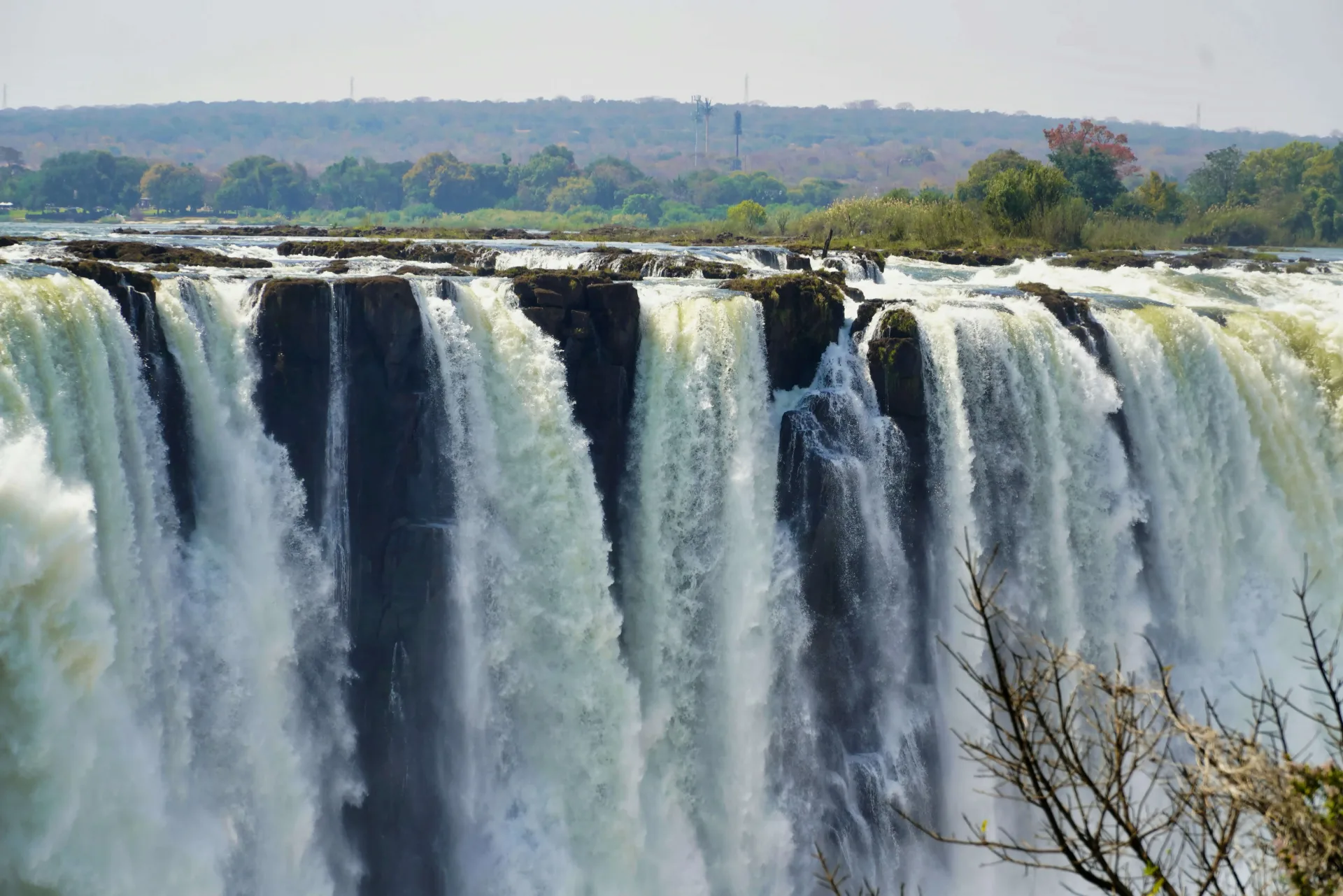
Highlights of Zimbabwe: Victoria Falls & Hwange
Highlights of Zimbabwe: Victoria Falls & Hwange
Zimbabwe
 Adventure
Customizable
Adventure
Customizable
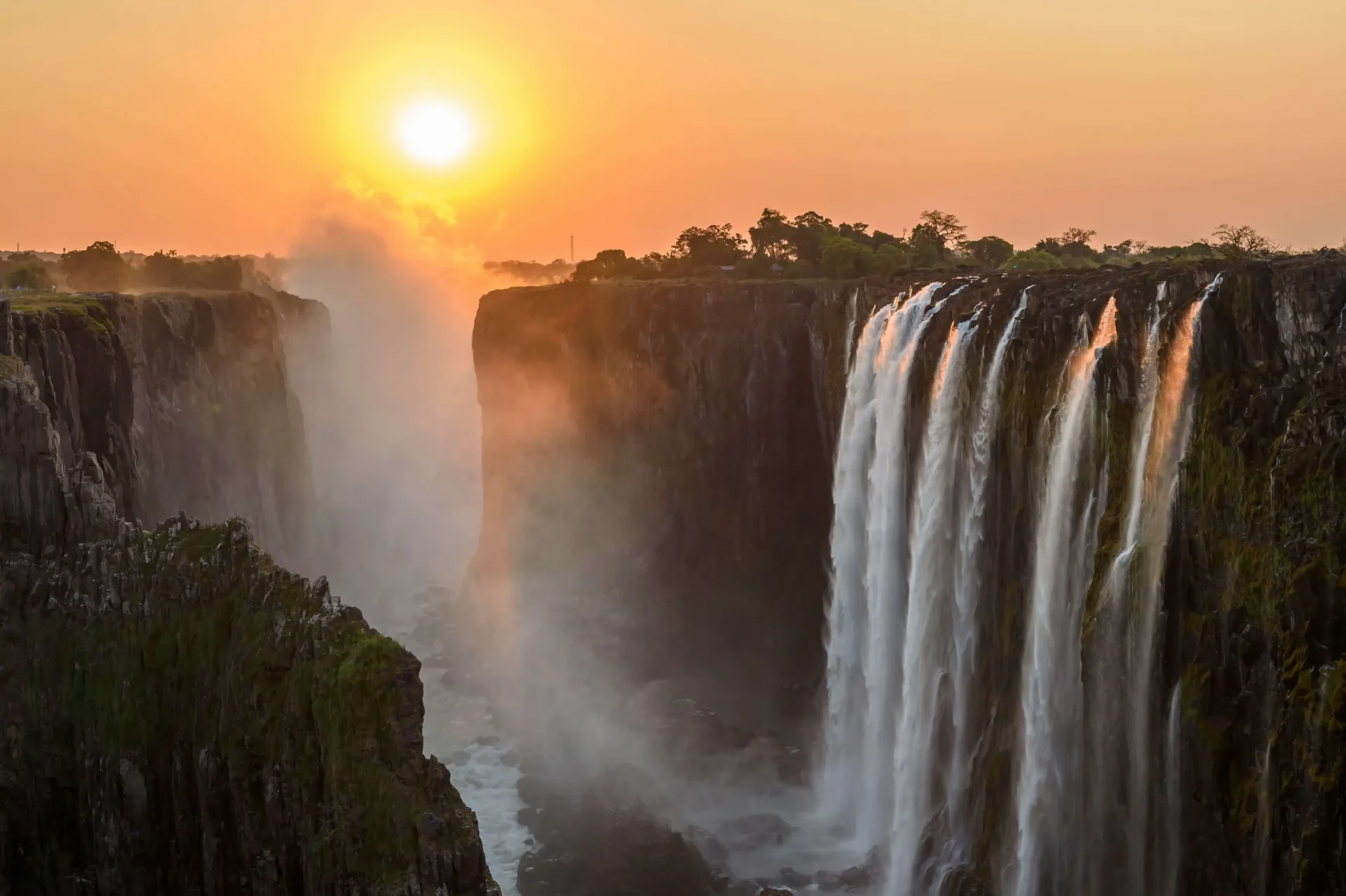
Victoria Falls Adventure: The Smoke that Thunders
Victoria Falls Adventure: The Smoke that Thunders
Zimbabwe
 Adventure
Customizable
Adventure
Customizable
Hwange & Mana Pools: A Great Zimbabwe Safari
Hwange & Mana Pools: A Great Zimbabwe Safari
Zimbabwe