
9 Days • 8 Nights
Highlands of Malawi: Nyika, Zomba & Mount Mulanje Trek
Tour Includes
About the Trip
Trip Highlights
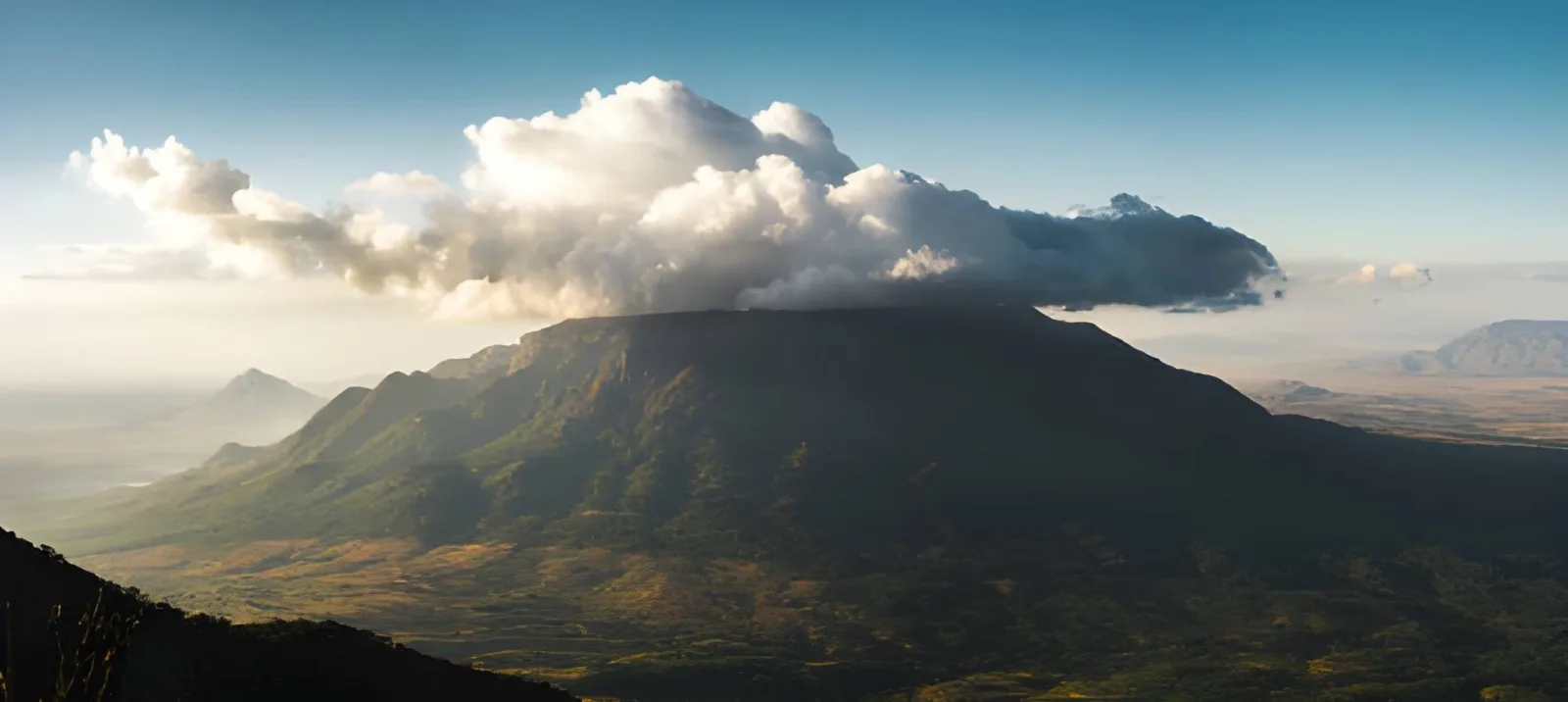
- The rolling grasslands and wildflowers of the Nyika Plateau are a spectacular highlight of this trek. Nyika, Malawi's largest national park, is a vast, high plateau of rolling montane grassland unlike anywhere else in Africa, its endless green hills more reminiscent of the Scottish Highlands, scattered with wildflowers and dotted with pockets of evergreen forest. Herds of antelope, roan, eland, reedbuck and zebra, graze the open slopes, leopard prowl the woodlands, and the birdlife and orchids are extraordinary. The air is cool and clean, the views immense, and the sense of space total. You explore on foot and on horseback, crossing landscapes of rare and haunting beauty.
- Horse riding and walking safaris on Nyika are a magical highlight of this trek. There are few finer ways to explore the wide-open Nyika Plateau than on horseback, riding out across the rolling grassland among herds of antelope that barely lift their heads as you pass, or on foot with an expert guide, drinking in the space and silence of this high wilderness. On horseback you can cover ground and approach wildlife closely, cantering over green hills beneath vast skies; on foot you learn to read the land, spotting orchids, birds and the tracks of leopard.
- The granite peaks and forests of Mount Mulanje are a magnificent highlight of this trek. Rising abruptly some three thousand metres from the surrounding plains, Mount Mulanje is one of Africa's great massifs, a vast island of granite domes, sheer cliffs, plunging gorges and cascading rivers, cloaked in cedar forest and often wreathed in cloud. Trekking here is exhilarating, following paths up through the forest to the high plateau, crossing clear streams and rock slabs, and sleeping in a simple mountain hut beneath the peaks. The scale and grandeur are breathtaking, and the sense of achievement immense. This is trekking of the finest kind, wild, dramatic and uncrowded.
- The forested Zomba Plateau, with its streams and waterfalls, is a beautiful highlight of this trek. Rising steeply above the historic old town of Zomba, the Zomba Plateau is a high tableland of pine and evergreen forest, tumbling streams, waterfalls and flower-filled meadows, wrapped in cool mountain air. You walk its forest trails to viewpoints where the land falls away in every direction, taking in the Shire valley, Lake Chilwa and the distant blue mass of Mount Mulanje, pause beside a trout dam or waterfall, and breathe in the scent of pine and eucalyptus.
- Historic Livingstonia and the great escarpment above Lake Malawi are a fascinating highlight. Perched high on the escarpment above the northern lakeshore, Livingstonia is a historic Scottish mission founded in the late nineteenth century, its old stone church, university and manse still standing amid the hills with breathtaking views down to Lake Malawi far below. The dramatic road up the escarpment, with its many hairpin bends, is an adventure in itself, and the mission tells a fascinating story of the missionaries and explorers who shaped the region. Nearby waterfalls, forest and viewpoints add to the appeal of this cool, historic outpost.
- Above all, this journey offers a varied, exhilarating highland adventure in one of Africa's best-kept secrets. In nine active days you walk and ride across the rolling grasslands and wildflowers of the Nyika Plateau, descend the dramatic escarpment to historic Livingstonia, trek the forested Zomba Plateau, and climax with a magnificent trek among the granite peaks of Mount Mulanje. The scenery is astonishingly varied, the trails uncrowded, and the mountain air a tonic after lowland heat, while the genuine warmth of the Malawian people gives the whole adventure its heart. This is the Malawi few travellers ever see, a hidden world of soaring highlands made for walkers.
Day by Day
A detailed day-by-day plan for this 9-day journey.
Your highland adventure begins as your flight arrives at Kamuzu International Airport in Lilongwe, where you are met and transferred to your comfortable hotel. Depending on your arrival time, you may rest, enjoy the gardens, or take a first gentle look at Malawi's relaxed capital. This evening your guide joins you for a welcome briefing, outlining the trekking adventure ahead across the Nyika Plateau, Zomba and Mount Mulanje, checking your gear and answering questions about the days to come. Malawi's famous warmth is felt from the moment you land, and the friendly welcome sets the tone for the journey. This is a good evening to organise your equipment, enjoy a hearty dinner and get a solid night's rest, as tomorrow you head north into the highlands and the cool, wide-open spaces of the Nyika Plateau, one of the most beautiful upland wildernesses in all of Africa.
Today you travel north to the vast Nyika Plateau, Malawi's largest and highest national park, reached by a scenic light-aircraft flight or a long, spectacular drive into the northern highlands. As you climb onto the plateau, the landscape opens into endless rolling grassland, more Scottish highland than tropical Africa, scattered with wildflowers and grazed by antelope. You settle into your lodge amid this high, cool wilderness, the air fresh and the views immense. In the afternoon you set out on a first walk or game drive across the open hills, watching for roan, eland, reedbuck and zebra grazing the slopes, and drinking in the space and silence. As the sun sets over the endless green hills, the temperature drops sharply and a fire is lit. Enjoy dinner in the cosy lodge, wrapped in the peace of one of Africa's most beautiful and least-known upland parks.
A full day on the Nyika Plateau lets you explore this magnificent wilderness on foot and on horseback. This morning you might ride out across the rolling grassland among herds of antelope that barely lift their heads as you pass, cantering over green hills beneath vast skies, or set out on a guided walk to read the land, spot orchids and birds, and search for the tracks of leopard. You explore pockets of evergreen forest, follow clear streams, and pause at viewpoints where the plateau rolls away to the horizon. The cool air and haunting beauty feel a world away from lowland Africa. After a picnic in the hills, you continue exploring before returning to the lodge as the light softens. As night falls, the temperature drops and the stars blaze; gather by the fire for dinner and stories after a wonderful day in the high wilderness.
This morning you leave the Nyika Plateau and make the dramatic descent towards Lake Malawi, travelling to the historic mission of Livingstonia, perched high on the escarpment above the northern lakeshore. The road down, with its many hairpin bends, is an adventure in itself, opening onto breathtaking views of the lake far below. At Livingstonia, a Scottish mission founded in the late nineteenth century, you explore the old stone church, university and manse still standing amid the hills, and hear the fascinating story of the missionaries and explorers who shaped the region. Nearby you can visit a spectacular waterfall or walk to a viewpoint gazing out over the vast, shimmering expanse of Lake Malawi. You settle into a characterful lodge high on the escarpment, the air cool and the views immense. Enjoy dinner tonight with the lake glinting far below in the fading light.
Today is a longer travelling day as you journey south through the heart of Malawi to the forested Zomba Plateau, rising steeply above the historic old town of Zomba. Winding up the escarpment, the air grows fresh and the scenery changes to pine and evergreen forest, tumbling streams and flower-filled meadows. You settle into your lodge on the plateau, then set out on a first walk to explore its viewpoints, where the land falls away to reveal the Shire valley, Lake Chilwa and, on a clear day, the distant blue mass of Mount Mulanje that you will soon climb. You might pause beside a trout dam or a waterfall and breathe in the scent of pine after the warmth of the lowlands. This evening, enjoy the cool mountain air and the quiet green beauty of the highlands, resting well before the trek to come.
Today the great challenge and highlight of the journey begins as you travel to the foot of Mount Mulanje, a vast island of granite rising abruptly some three thousand metres from the surrounding plains. Meeting your mountain guide and porters, you set off on foot, climbing steadily through cedar forest and up rock slabs, crossing clear streams and pausing at viewpoints where the plains fall away far below. The air cools as you climb, and the granite domes and cliffs of the massif rise ever more magnificently around you. By afternoon you reach a simple mountain hut on the high plateau, your base for the night, where you rest weary legs and warm up by the fire. As the sun sets over the peaks and the stars emerge in a vast, clear sky, you savour a hearty dinner and the deep silence of the high mountain, far from the world below.
A full day high on Mount Mulanje lets you explore this magnificent massif of granite domes, plunging gorges and cascading rivers. With your guide you trek across the high plateau, perhaps ascending a peak for breathtaking views over a sea of cloud and the plains far below, following clear mountain streams to natural pools and cascades, and crossing wild, rocky terrain cloaked in cedar and grassland. The scale and grandeur are astonishing, and the trails are gloriously uncrowded, so you may have the mountain almost to yourselves. Your guide shares the legends of Mulanje, long held sacred by local people, and points out the endemic cedar and the birds of the heights. After a rewarding day on the mountain, you return to the hut as the light softens. Enjoy a well-earned dinner and another peaceful night high on the granite massif beneath a blaze of mountain stars.
This morning you make your descent from Mount Mulanje, trekking back down through the cedar forest and rock slabs, crossing streams and pausing for final views out over the plains, your legs weary but your spirits high after conquering the mountain. Reaching the trailhead, you bid farewell to your porters and guide and transfer to Blantyre, Malawi's lively commercial capital, set amid green hills. After the wildness of the highlands, you settle into a comfortable hotel, with time to rest, shower and reflect on the extraordinary trekking of the past week. You might explore a little of Blantyre, one of the oldest towns in the region, browse a craft market for souvenirs, or simply relax. This evening, enjoy a celebratory dinner marking the completion of your highland adventure across the Nyika Plateau, Zomba and mighty Mount Mulanje, and rest well in comfort.
After a final leisurely morning in Blantyre, perhaps a last look around the town or some souvenir shopping, you are transferred to the airport for your onward international flight. You leave having trekked across three of Malawi's magnificent highlands: the rolling grasslands and wildflowers of the Nyika Plateau, the forested slopes and waterfalls of the Zomba Plateau, and the soaring granite peaks of mighty Mount Mulanje, with the historic mission of Livingstonia and its grand views of Lake Malawi along the way. Above all, you carry with you the genuine warmth of the Malawian people who guided and welcomed you throughout. The memory of vast highland skies, cool mountain air and the granite domes of Mulanje stays vivid long after you land, and you depart already dreaming of a return to the hidden highlands of the Warm Heart of Africa.
Where You Will Travel
What's inside the package?
Inclusions
- 8 nights accommodation, full board in the highlands and on the mountain, plus breakfast in Lilongwe and Blantyre
- Airport and park transfers by road and light aircraft as per itinerary
- Game drives, boat safaris and guided activities as per itinerary with expert local guides
- Park and reserve conservation fees as per itinerary
- Bottled water and refreshments on safari activities
- Guided treks and walks on Nyika, Zomba and Mount Mulanje, horse riding on the Nyika Plateau, a Livingstonia mission visit, porters and a mountain hut on Mulanje, and all park and reserve fees
Exclusions
- International airfare
- Visa or tourist card fees where applicable
- Travel insurance (strongly recommended)
- Personal trekking gear and boots
- Additional porters beyond those included, and tips for guides, porters and drivers
- Meals not mentioned in the itinerary or inclusions
- Drinks unless specifically stated
- Optional excursions and experiences
- Personal expenses and gratuities
- Anything not specifically mentioned under Package Inclusions
Know when to go.
- Visa & entry: Many nationalities can obtain a visa on arrival or an eVisa online for Malawi, and some enjoy visa-free entry; a passport valid for at least six months with blank pages is required. Requirements change from time to time, so we confirm the exact process for your nationality and help arrange the eVisa where it is needed before you travel
- Currency: The currency is the Malawian Kwacha (MWK); US dollars in good condition are widely accepted at lodges and for park fees, and are useful to carry. Cards are accepted at some lodges and city hotels but not in rural areas, so carry cash for tips, curios, markets and small purchases. ATMs are found in Lilongwe, Blantyre and larger towns only
- Best time to visit: The dry season from May to October is ideal for wildlife, as animals gather at the Shire River and waterholes and the bush thins out; September and October are hot but superb for game viewing. The green season from November to April brings lush landscapes, birdlife and calving, with warm days and afternoon rains, while the lake is beautiful year round
- Language & etiquette: English is an official language and widely spoken, alongside Chichewa; a friendly greeting is always appreciated. Malawi is known as the Warm Heart of Africa for its genuinely welcoming people, and courtesy, patience and a smile go a long way. Dress is casual and modest in villages and towns, and it is polite to ask before photographing people
- Getting around: Distances are covered by a mix of road transfers in comfortable 4x4 vehicles and short scheduled or charter light-aircraft flights between the parks and the lake, which save long drives and offer wonderful aerial views. Roads between the main centres are reasonable, though rural and park tracks are rough; all touring is with experienced local guides and drivers
- Health & safety: Malawi lies in a malaria area, so antimalarial precautions, repellent and covering up at dusk are recommended, and we advise consulting a travel clinic about vaccinations before you go. Bilharzia can occur in parts of the lake, so we swim at recommended lodge locations; tap water is best avoided in favour of bottled or filtered water. Malawi is welcoming and generally safe with sensible precautions
- Culture & conservation: Malawi's parks have been transformed by conservation partnerships, notably African Parks in Liwonde and Majete, bringing back elephants, rhino, lions and cheetahs; your visit supports this remarkable recovery and the communities around the parks. Lakeside villages, colourful markets, music and dance reflect a rich, gentle culture that rewards curious and respectful travellers
- Power & practicalities: Power is 230V using UK-style three-pin type G plugs, so bring an adapter; power can be intermittent, though lodges use solar and generators. Bring neutral-coloured clothing for safari, warm layers for cool mornings and highland nights, swimwear for the lake, a hat, sunscreen, binoculars and insect repellent. Tipping guides and lodge staff is customary and appreciated
Frequently Asked Questions
How difficult is the trekking on this journey?
This is an active adventure suited to reasonably fit walkers who enjoy multi-day hiking. The Nyika and Zomba walks are moderate, on rolling grassland and forest trails, while the Mount Mulanje trek is more demanding, with steep ascents, rock slabs and a night in a simple mountain hut. No technical climbing skills are needed, but good fitness, sturdy boots and a head for heights on the mountain are important. Porters carry the main loads on Mulanje, and expert local guides set a comfortable pace. We are happy to advise on preparation and can adjust the itinerary for different fitness levels.
What are the mountain huts and highland lodges like?
On the Nyika and Zomba plateaus and at Livingstonia you stay in comfortable, characterful lodges with cosy rooms, hearty food and warming fires, welcome after a day in the cool highlands. On Mount Mulanje you spend a night in a simple mountain hut, a basic but atmospheric shelter with bunks or mattresses and a fireplace, where meals are prepared for you; this rustic night high on the mountain is very much part of the adventure. Bring a warm sleeping bag layer and a torch. Everywhere you go, the famous Malawian warmth ensures a genuine welcome.
What meals are included?
Most safari lodges and lakeshore stays are run on a full-board or all-inclusive basis, so breakfast, lunch and dinner are typically included once you are in the parks and at the lake, along with safari activities; the exact meal plan is listed for each night in your itinerary. Malawian cooking is fresh and flavourful, from lake fish such as chambo and grilled tilapia to nsima, stews and tropical fruit, and we are happy to cater for dietary needs with advance notice.
Are the tours private or in a group?
Your safari is private by default, with your own expert local guide and vehicle for game drives and activities, giving you flexibility and an unhurried pace; at some lodges, game drives and boat safaris may be shared with a few other guests in the classic safari style. Light-aircraft flights between the parks and the lake are on scheduled or shared charters. Malawi's warm, knowledgeable guides bring the wildlife, birds, landscapes and culture vividly to life.
Do I need a visa for Malawi?
Many nationalities can obtain a visa on arrival or apply for an eVisa online before travel, while some enjoy visa-free entry; a passport valid for at least six months with blank pages is required. We confirm the current, exact requirements for your nationality, advise on the best option and help arrange the eVisa where needed, so that your arrival in the Warm Heart of Africa is smooth and stress-free.
Is Malawi safe to visit?
Malawi is one of Africa's most welcoming and peaceful countries, famously known as the Warm Heart of Africa, and travel here is relaxed and rewarding with sensible precautions. We use trusted lodges, experienced guides and reliable transfers throughout, monitor conditions and follow official guidance. As anywhere, we advise normal care with valuables, malaria precautions and safe swimming at recommended lake locations, and our team is on hand throughout your journey.
When is the best time to visit?
The dry season from May to October is the prime time for wildlife, as animals concentrate along the Shire River and waterholes and the vegetation thins, with September and October outstanding for game viewing. The green season from November to April is lush and excellent for birds and dramatic skies, with warm days and afternoon showers, while Lake Malawi is beautiful all year. We advise on the best timing for your interests.
Can the itinerary be customised?
Absolutely. We can adjust the balance of safari and lake, add nights in Liwonde, Majete, Nyika or on Likoma Island, include Zomba Plateau or a Mount Mulanje trek, upgrade to more luxurious lodges, add a honeymoon or family focus, or combine Malawi with neighbouring Zambia or Zanzibar. Every itinerary is a flexible starting point that we tailor to your interests, pace, comfort and budget for your ideal journey.
More Adventure Journeys
 Adventure
Customizable
Adventure
Customizable
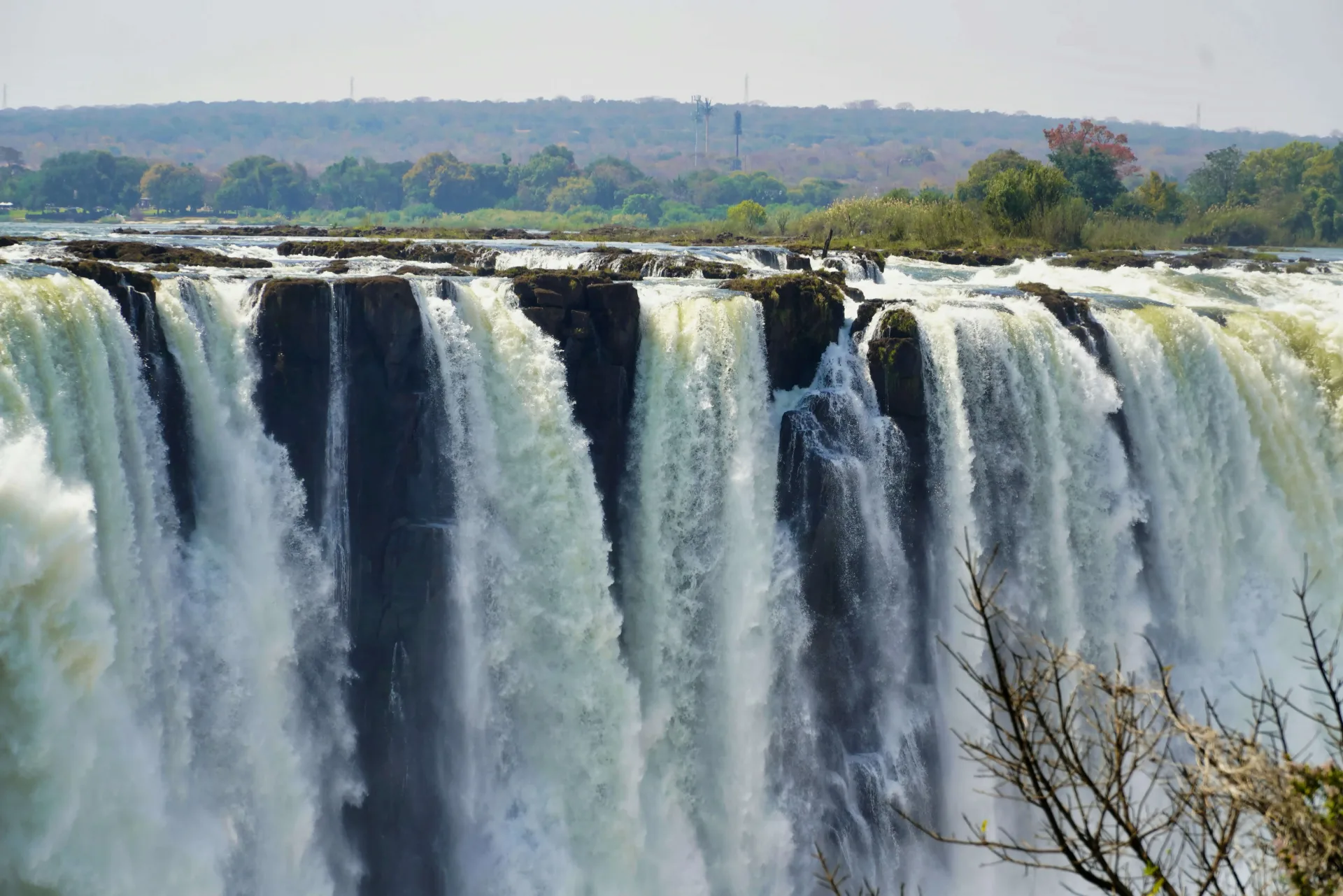
Highlights of Zimbabwe: Victoria Falls & Hwange
Highlights of Zimbabwe: Victoria Falls & Hwange
Zimbabwe
 Adventure
Customizable
Adventure
Customizable
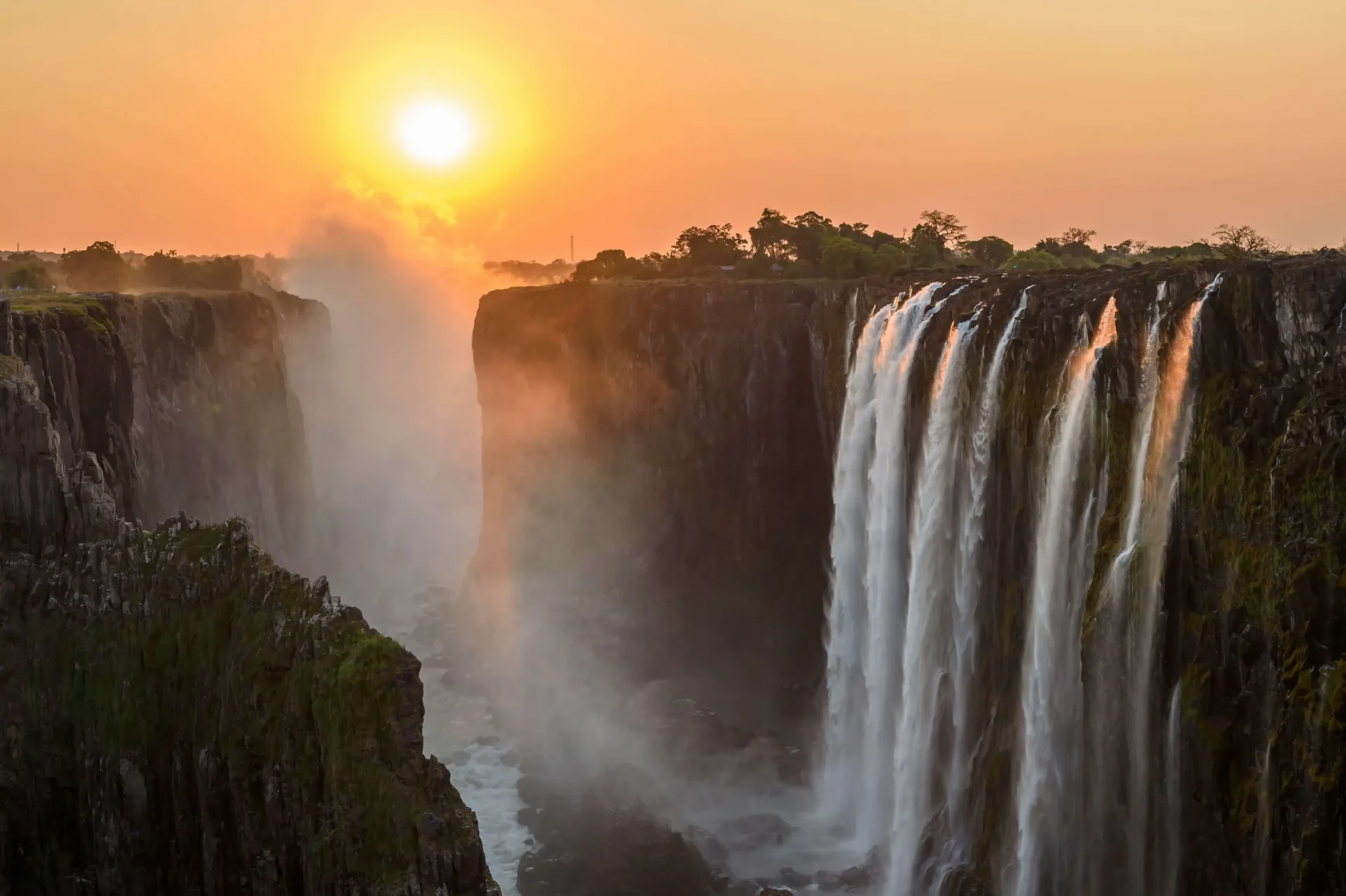
Victoria Falls Adventure: The Smoke that Thunders
Victoria Falls Adventure: The Smoke that Thunders
Zimbabwe
 Adventure
Customizable
Adventure
Customizable
Hwange & Mana Pools: A Great Zimbabwe Safari
Hwange & Mana Pools: A Great Zimbabwe Safari
Zimbabwe