8 Days • 7 Nights
Highlights of Tunisia: Tunis, Carthage & the Sahara
Tour Includes
About the Trip
Trip Highlights
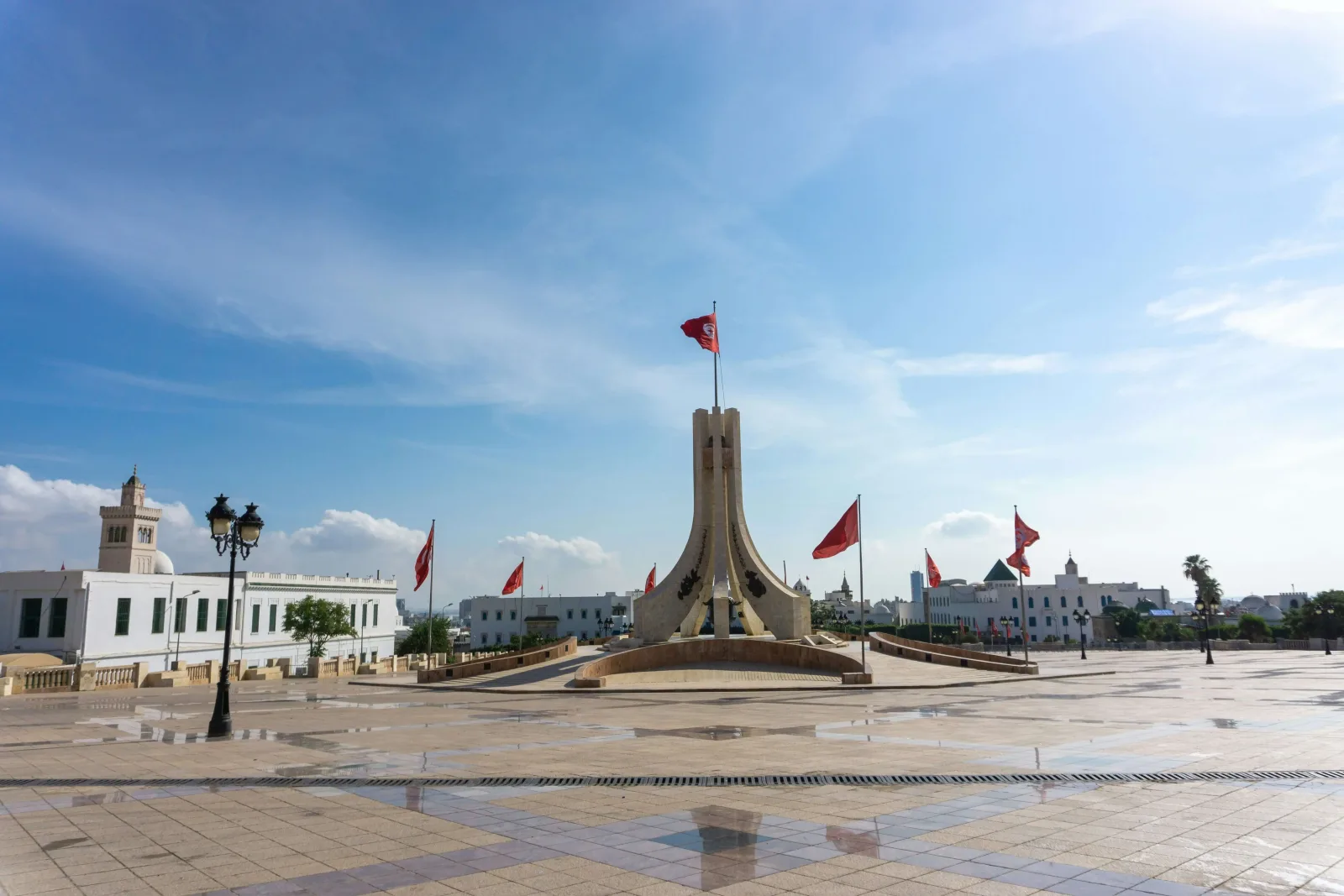
- The evocative ruins of Carthage, the great Punic and Roman capital, are a magnificent highlight of this journey. Once the rival of Rome and the heart of a Mediterranean empire, Carthage was destroyed and rebuilt into one of the grandest cities of the Roman world, and its ruins spread across a beautiful headland above the sea near Tunis. You wander the Antonine Baths, among the largest in the Roman Empire, with columns rising against the blue Mediterranean, explore the Punic ports, the Byrsa hill and the museum, and take in the Roman villas, theatre and cisterns.
- Sidi Bou Said, the blue-and-white clifftop village above the sea, is a beautiful and romantic highlight. Perched on a headland above the Gulf of Tunis, Sidi Bou Said is one of the most picturesque villages in the Mediterranean, a cascade of whitewashed houses with sky-blue doors, wrought-iron windows and bougainvillea spilling over the walls. You climb its cobbled lanes past artists' studios and craft shops, pause at a cafe for sweet mint tea and pine nuts while gazing over the sea, and admire the harbour and marina far below. The light, colour and atmosphere are magical, and the village has enchanted painters and writers for a century.
- The Bardo Museum and the UNESCO medina of Tunis are a cultural highlight of this journey. Tunis, the lively capital, is home to the Bardo Museum, which holds one of the world's greatest collections of Roman mosaics, an astonishing treasury of scenes of gods, hunts, seasons and daily life recovered from Carthage, El Jem, Dougga and beyond, displayed in a former beylical palace. You also lose yourself in the medina of Tunis, a UNESCO World Heritage Site and one of the finest surviving medieval Arab cities, a labyrinth of souks, mosques, madrasas and covered lanes fragrant with spices and perfume.
- The holy city of Kairouan, with its Great Mosque, is a fascinating and sacred highlight. Kairouan, the fourth holiest city in Islam and the oldest Arab-Muslim city in North Africa, is a place of deep atmosphere and history. Its magnificent Great Mosque, founded in the seventh century, is one of the most important in the Islamic world, with a vast arcaded courtyard, a forest of ancient columns in its prayer hall, and a mighty square minaret. You explore the mosque's serene courtyards, wander the walled medina famous for its carpets, visit the elegant Aghlabid basins and the shrine of Sidi Sahbi.
- Riding a camel into the golden dunes of the Sahara at Douz is a magical highlight. Douz, known as the gateway to the Sahara, sits where the palm groves give way to the great sea of sand, and it is here that the desert truly begins. In the golden light of late afternoon you ride a camel out among the dunes with your Berber hosts, the caravan swaying gently across the sand, and climb a high dune to watch a spectacular Saharan sunset set the desert aglow in shades of gold, amber and rose. The silence, scale and beauty of the great desert are unforgettable.
- Above all, this journey offers the beauty, history and variety of Tunisia, a spectacular introduction. Tunisia is one of the most rewarding countries in the Mediterranean, and this journey takes in the very best. Over eight days you explore Tunis and the ruins of Carthage, the blue-and-white village of Sidi Bou Said, the world-class Bardo Museum, the holy city of Kairouan, the vast Roman amphitheatre of El Jem, the golden Sahara at Douz and the palm oases of Tozeur, ending on the Mediterranean coast. The combination of ancient ruins, Islamic culture, golden desert and warm coast, all in one compact country, makes Tunisia utterly captivating.
Day by Day
A detailed day-by-day plan for this 8-day journey.
Your journey through the beauty and history of Tunisia begins as your flight arrives at Tunis-Carthage International Airport, where you are met and transferred to your hotel in Tunis, the lively Mediterranean capital. Tunisia is one of the most varied and welcoming countries in North Africa, and the warmth of the Tunisian welcome is felt from the moment you arrive. Spend the rest of the day settling in and relaxing after your journey, perhaps taking a first stroll along the leafy Avenue Habib Bourguiba or into the edge of the old medina. This evening, a welcome dinner introduces you to the delicious flavours of Tunisian cuisine and to the spectacular journey ahead through Carthage, Kairouan, the Sahara and the coast. Rest well, ready to explore ancient Carthage and Tunis tomorrow.
Today you explore the great highlights around Tunis. You begin at the evocative ruins of Carthage, the legendary Punic and Roman capital spread across a beautiful headland above the sea, walking among the Antonine Baths, the Punic ports, the Byrsa hill and the Roman villas. You continue to Sidi Bou Said, the enchanting blue-and-white clifftop village, climbing its cobbled lanes and pausing at a cafe with sweeping views over the Mediterranean. In the afternoon you visit the world-class Bardo Museum, home to one of the greatest collections of Roman mosaics on earth, displayed in a former palace. The history, art and beauty are captivating. As the day ends, you return to your hotel in Tunis. This evening, savour Tunisian cuisine and the lively atmosphere. Rest well, for tomorrow you journey south to Kairouan.
This morning you explore the UNESCO-listed medina of Tunis, one of the finest medieval Arab cities in the world, a labyrinth of covered souks, mosques and madrasas fragrant with spices and perfume, centred on the great Zitouna Mosque. Then you journey south across the plains to Kairouan, the fourth holiest city in Islam and the oldest Arab-Muslim city in North Africa. On arrival you begin to explore, visiting the elegant Aghlabid basins and taking in the atmosphere of this deeply historic town. The history and spirituality are captivating. As the day ends, you settle into your accommodation in Kairouan, immersed in one of the most sacred and atmospheric cities in the Islamic world. This evening, savour the peace of the holy city. Rest well, ready to explore Kairouan and El Jem tomorrow.
Today is a spectacular journey to the desert. You begin in Kairouan with its magnificent Great Mosque, founded in the seventh century, with its vast arcaded courtyard, forest of ancient columns and mighty square minaret, and wander the walled medina famous for its carpets. You then drive south, stopping at El Jem to marvel at its colossal Roman amphitheatre, one of the greatest in the world and a UNESCO site, before continuing to Douz, gateway to the Sahara. In the golden late-afternoon light you ride a camel into the dunes with your Berber hosts and watch a spectacular desert sunset. As night falls, you dine and sleep at a Sahara desert camp beneath brilliant stars. Rest well amid the silence and beauty of the great desert of Tunisia.
You wake to a beautiful dawn over the dunes of the Sahara, then journey west across the desert towards Tozeur. Your route crosses the vast Chott el Jerid, a shimmering salt lake that stretches to the horizon in a mirage of white, pink and blue, one of the most surreal and beautiful landscapes in Tunisia. You arrive in Tozeur, a historic oasis town famous for its distinctive patterned brickwork and its immense palm grove of hundreds of thousands of date palms fed by desert springs. You explore the old quarter of Ouled el Hadef and the edge of the great palmeraie. The desert light and oasis greenery are magical. As the day ends, you settle into Tozeur. This evening, savour the peace of the oasis. Rest well, ready to explore the mountain oases tomorrow.
This morning you take a beautiful 4x4 excursion into the mountains near Tozeur to the spectacular oases of Chebika and Tamerza, tucked into the folds of the desert hills where springs, waterfalls and palm groves hide amid dramatic rock, and abandoned villages cling to the cliffs. These hidden oases are among the most beautiful sights in Tunisia. You then begin the long, scenic drive north-east towards the Mediterranean coast and the resort town of Hammamet, arriving in the late afternoon or evening. The contrast between desert and sea is striking. As the day ends, you settle into your hotel in Hammamet, with its beautiful beaches and old medina. This evening, relax by the sea and savour the coastal atmosphere. Rest well, ready for a relaxed day by the Mediterranean tomorrow.
Today you enjoy a relaxed day in Hammamet, one of Tunisia's most attractive Mediterranean resorts. You might relax on its long sandy beaches and swim in the warm, clear sea, explore its whitewashed old medina with its walls, souks and little kasbah overlooking the water, or stroll the marina at Yasmine Hammamet. You could visit the beautiful gardens of Dar Sebastian, a striking villa set among orange groves and cypresses, or simply enjoy the relaxed pace after your journey through the interior. This flexible day lets you unwind and reflect on the beautiful and varied journey you have made across Tunisia. As the day ends, you savour the Mediterranean atmosphere. This evening, enjoy a final dinner by the sea, reflecting on Carthage, Kairouan, the Sahara and the oases. Rest well ahead of your departure tomorrow.
After a final morning by the sea in Hammamet, you are transferred to Tunis-Carthage International Airport for your onward international departure. You leave having experienced the very best of Tunisia, the evocative ruins of Carthage, the blue-and-white village of Sidi Bou Said, the world-class Bardo Museum, the UNESCO medina of Tunis, the holy city of Kairouan and its Great Mosque, the colossal amphitheatre of El Jem, the golden dunes and starry skies of the Sahara at Douz, and the palm oases of Tozeur, all warmed by genuine Tunisian hospitality. The images stay vivid long after you land, the columns of Carthage above the sea, the blue doors of Sidi Bou Said, the great minaret of Kairouan, and the camel caravan against a Saharan sunset. Tunisia offers history, beauty and adventure in abundance, and you depart already dreaming of a return.
Where You Will Travel
What's inside the package?
Inclusions
- 7 nights accommodation, a welcome dinner in Tunis and dinner at the Sahara desert camp near Douz
- Daily breakfast
- Airport and land transfers in air-conditioned vehicles
- Touring and sightseeing as per itinerary with expert local guides
- Entrance fees to sites, museums and monuments as per itinerary
- Private touring with an expert local guide, a Tunis and Carthage city tour, a visit to the Bardo Museum and Sidi Bou Said, a Kairouan tour, the El Jem amphitheatre, a Sahara camel ride at Douz, the Tozeur oases, and all entrance fees
Exclusions
- International airfare
- Visa or tourist card fees where applicable
- Travel insurance (strongly recommended)
- Some lunches and dinners not specified
- Optional 4x4 desert excursions and tips for guides and drivers
- Meals not mentioned in the itinerary or inclusions
- Drinks unless specifically stated
- Optional excursions and experiences
- Personal expenses and gratuities
- Anything not specifically mentioned under Package Inclusions
Know when to go.
- Visa & entry: Many nationalities (including the EU, UK, US, Canada and Australia) can enter Tunisia visa-free for tourist stays of up to 90 days, receiving a stamp on arrival; a passport valid for at least three to six months beyond your stay is required. Requirements can change, so we confirm the exact rules for your nationality and advise on any documents needed before you travel
- Currency: The currency is the Tunisian Dinar (TND), a closed currency you exchange on arrival (not beforehand) and convert back before you leave; cards are accepted in hotels, larger restaurants and shops in Tunis and the resorts, but carry cash for souks, taxis, cafes, tips and rural areas, where ATMs are common in towns
- Best time to visit: Spring (March to May) and autumn (September to November) are ideal, with warm, sunny, comfortable days perfect for Roman sites, the medinas, the coast and the desert; summer (June to August) is hot and best for the beaches, while the Sahara is most comfortable from October to April, when desert days are pleasant and nights cool
- Language & etiquette: Arabic is the official language, French is very widely spoken, and English is understood in tourism; Tunisia is a relaxed, moderate Muslim country, and modest dress is appreciated, especially at mosques and religious sites (cover shoulders and knees), while beach resorts are relaxed. A little French or Arabic and a friendly manner are always warmly received
- Getting around: Touring is by private air-conditioned vehicle with your driver-guide, with some long but scenic drives across a compact country, from the northern coast to the Sahara; internal flights (Tunis to Djerba or Tozeur) can shorten longer journeys, and we plan the most comfortable routing, with 4x4 vehicles used for desert stretches such as Ksar Ghilane
- Health & safety: Tunisia is a welcoming destination and travel is generally smooth; we monitor conditions and follow official advice. Drink bottled water, use sun protection in the strong North African sun, and bring any personal medication. No special vaccinations are usually required, though we recommend routine vaccinations are up to date; travel insurance is strongly advised
- Culture & history: Tunisia layers Punic Carthage, superb Roman cities (El Jem, Dougga, Carthage), the holy Islamic city of Kairouan, atmospheric medinas, Berber villages and Saharan oases; dress respectfully at the Great Mosque of Kairouan and other religious sites, ask before photographing people, and bargaining is normal and good-humoured in the souks
- Power & practicalities: Power is 230V with European-style type C and E plugs, so bring an adapter; tipping (a few dinars) is customary for guides, drivers and in restaurants. Friday is the main prayer day and some sites adjust hours; we build the itinerary around opening times so you see each place at its best
Frequently Asked Questions
What makes Tunisia such a rewarding destination?
Tunisia packs extraordinary variety into one compact, welcoming country, from ancient Carthage and superb Roman cities to the holy city of Kairouan, atmospheric medinas, Berber villages, the golden Sahara and warm Mediterranean beaches. You can stand in a Roman amphitheatre, wander a medieval souk, ride a camel into the dunes and swim in the sea within a single short trip. Add genuine hospitality, delicious cuisine and easy distances, and Tunisia is one of the most rewarding destinations in the Mediterranean.
What is a night in the Sahara at Douz like?
Magical. From Douz, the gateway to the Sahara, you ride a camel out among the golden dunes with Berber hosts in the soft late-afternoon light, and climb a high dune to watch a spectacular desert sunset. You then dine and sleep at a desert camp beneath a canopy of brilliant stars, enjoying the profound silence and beauty of the great desert, and waking to a beautiful dawn over the sand. Nights can be cool, so we advise bringing layers. It is unforgettable.
What meals are included?
Daily breakfast is included, along with any meals named in the itinerary (typically dinners at desert camps and some half-board or remote stays). Tunisian cuisine is delicious and varied, from couscous, brik and grilled fish to harissa, fresh salads, olives, dates and mint tea, and we usually leave lunches and some dinners free so you can explore, recommending the best local restaurants at every stage of your journey.
Are the tours private or in a group?
Your journey is private by default, with your own expert local driver-guide and air-conditioned vehicle, giving you flexibility, depth and a pace tailored to you; small-group options can be arranged if you prefer. Tunisia's knowledgeable guides bring the Roman cities, medinas, mosques, Berber villages and Saharan oases vividly to life, greatly enriching every visit, with 4x4 vehicles used for the desert stretches of the journey.
Do I need a visa for Tunisia?
Many nationalities, including the EU, UK, US, Canada and Australia, can enter Tunisia visa-free for tourist stays of up to 90 days, receiving a stamp on arrival, and a passport valid for at least three to six months beyond your stay is required. We confirm the exact, current requirements for your nationality and advise on any documents needed, so entry is smooth and straightforward.
Is Tunisia safe to visit?
Tunisia is a warm and welcoming country and the main tourist regions, from Tunis, Carthage and the coast to Kairouan, the Roman sites and the Saharan oases, are well set up for visitors and travel there is generally smooth. We continuously monitor conditions, use trusted local guides and drivers, and follow official guidance at all times, planning routes and timings so your journey is comfortable, rewarding and reassuring throughout.
When is the best time to visit?
Spring (March to May) and autumn (September to November) are ideal, with warm, sunny, comfortable days perfect for the Roman sites, medinas, coast and desert. Summer is hot and best suited to the beaches, while the Sahara is most comfortable from October to April. We advise on the best timing for your interests and the regions you wish to see, and tailor the itinerary to the season.
Can the itinerary be customised?
Absolutely. We can adjust the balance of Tunis and Carthage, the Roman cities, Kairouan, the Sahara and oases, the Berber south and the Mediterranean coast, add nights at a desert camp or a beach resort, include Djerba or extra Roman ruins, and tailor the pace, comfort and focus to you. Every itinerary is a flexible starting point for your ideal journey through beautiful and varied Tunisia.
More Adventure Journeys
 Adventure
Customizable
Adventure
Customizable
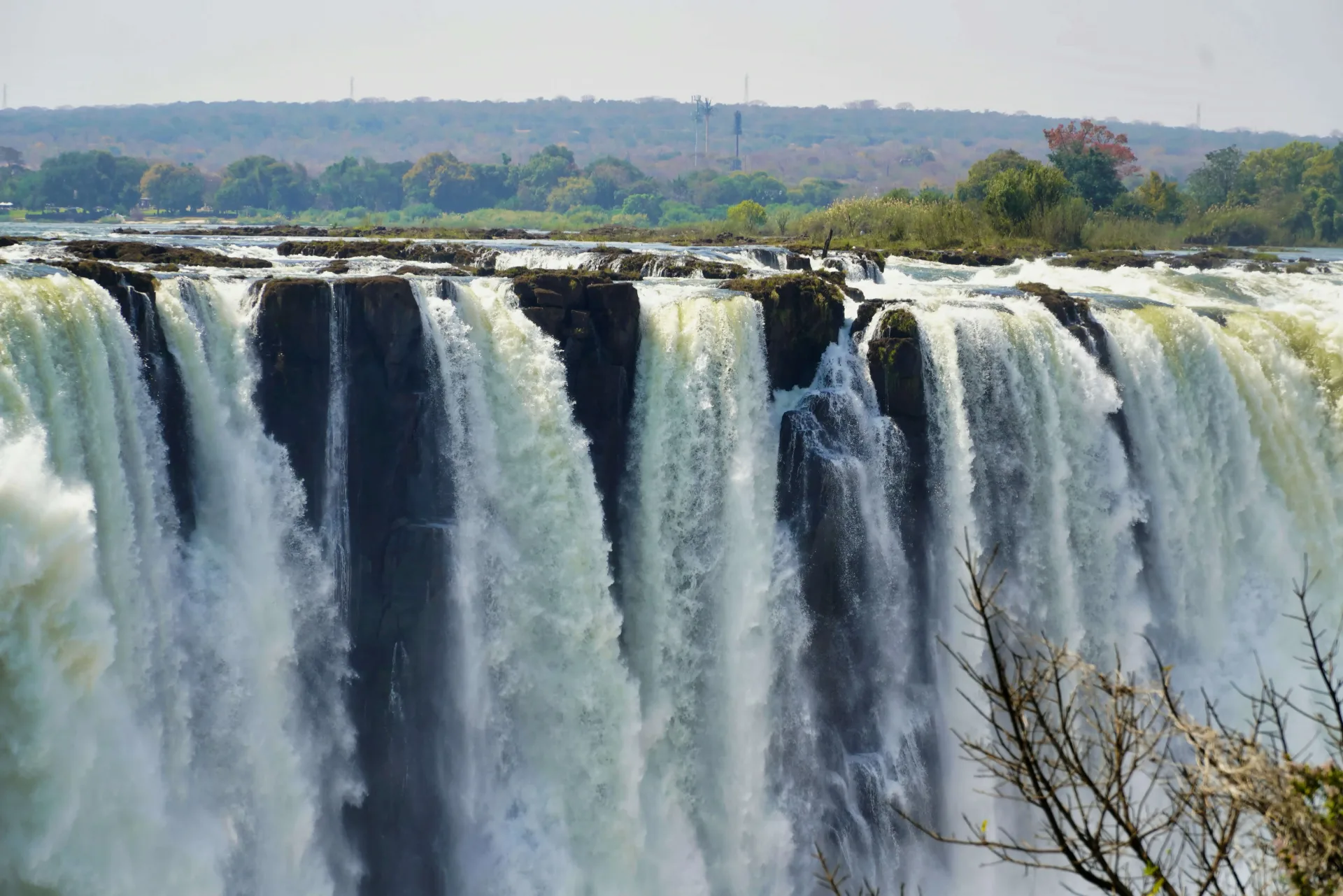
Highlights of Zimbabwe: Victoria Falls & Hwange
Highlights of Zimbabwe: Victoria Falls & Hwange
Zimbabwe
 Adventure
Customizable
Adventure
Customizable
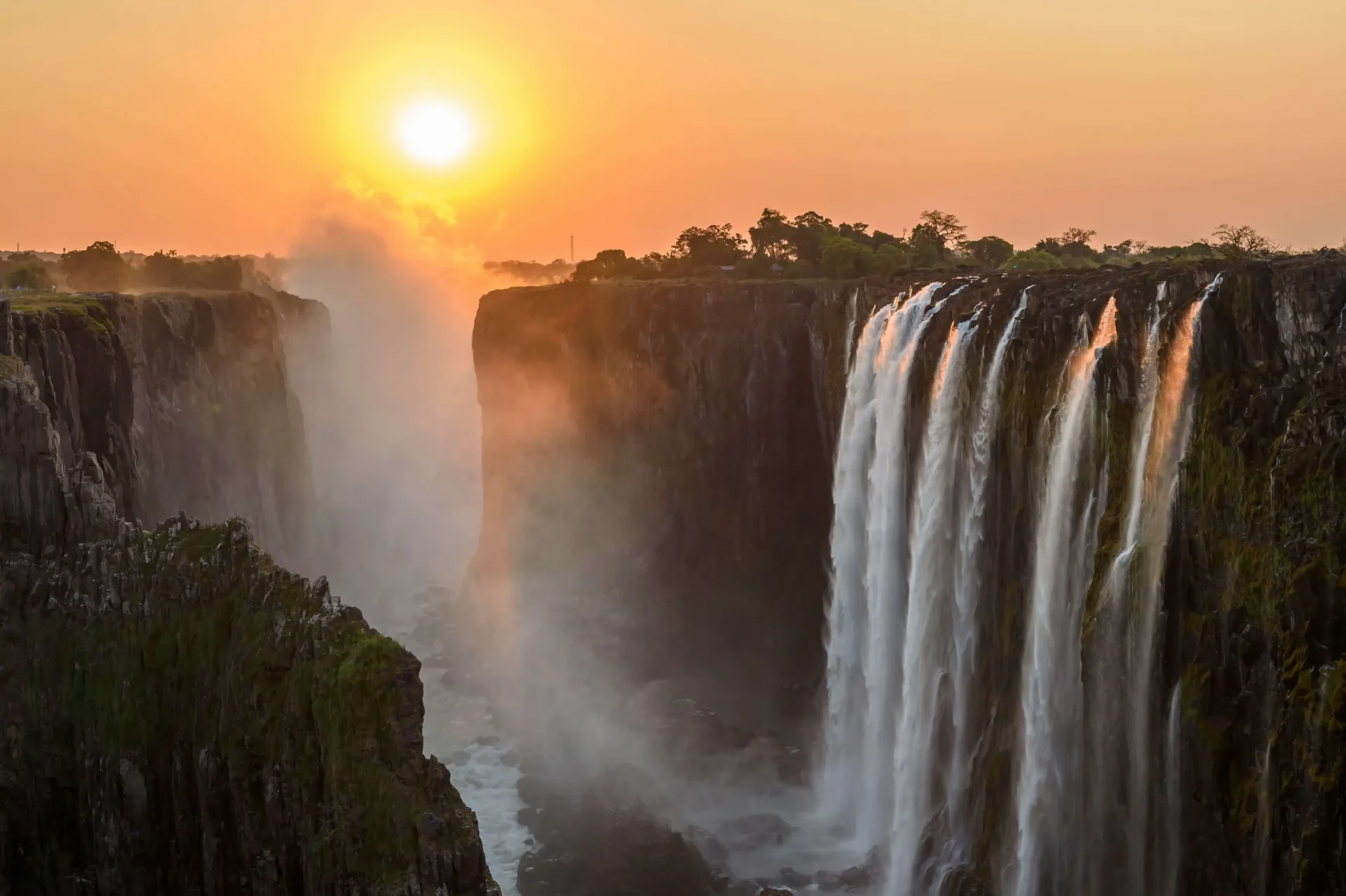
Victoria Falls Adventure: The Smoke that Thunders
Victoria Falls Adventure: The Smoke that Thunders
Zimbabwe
 Adventure
Customizable
Adventure
Customizable
Hwange & Mana Pools: A Great Zimbabwe Safari
Hwange & Mana Pools: A Great Zimbabwe Safari
Zimbabwe