
7 Days • 6 Nights
Kalahari & Salt Pans: Meerkats, Baobabs & Desert Lions
Tour Includes
About the Trip
Trip Highlights
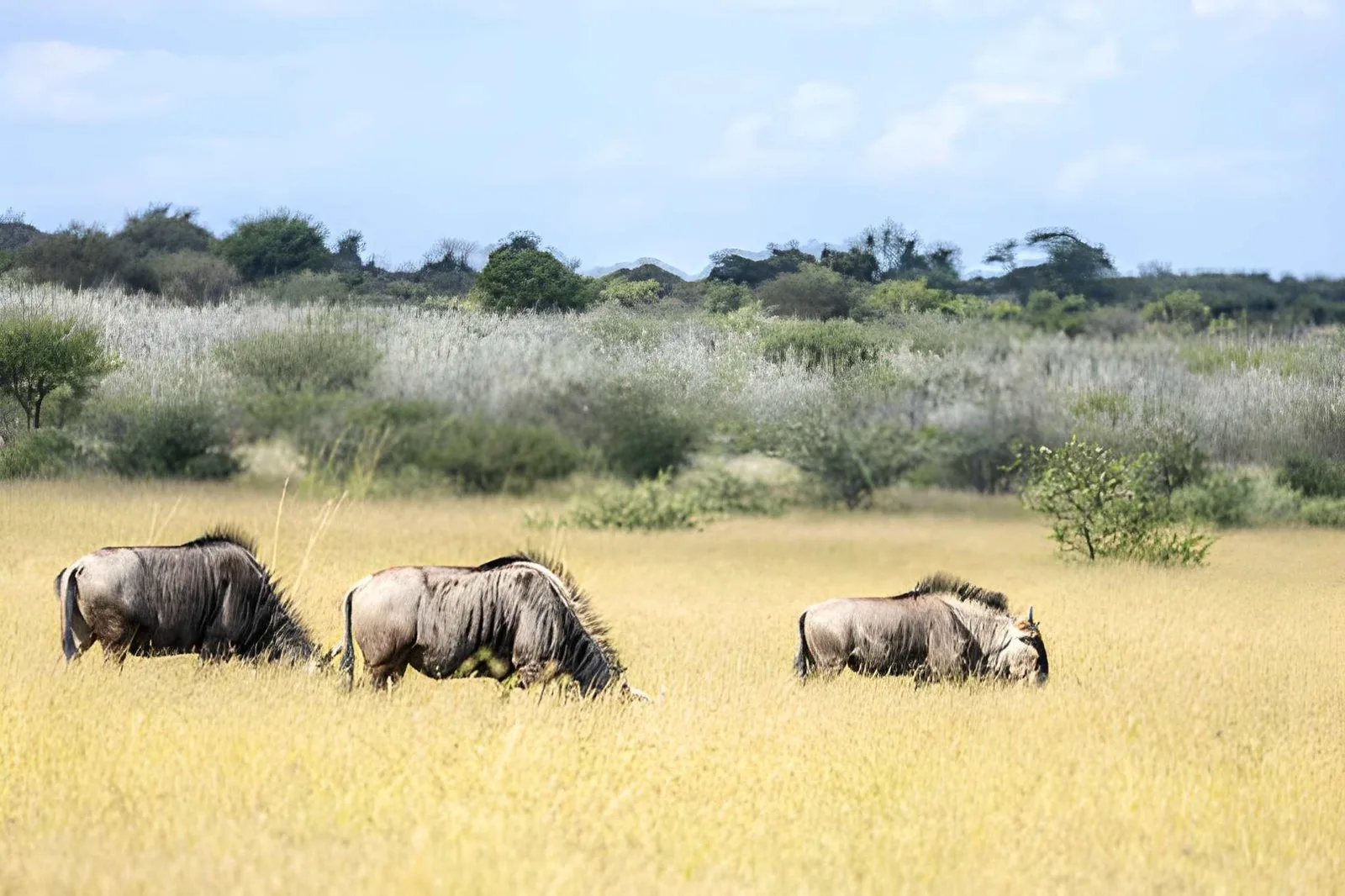
- Tracking the famous black-maned lions of the Central Kalahari is a thrilling highlight of this journey. The Central Kalahari Game Reserve is one of the largest and most remote protected areas on earth, a vast wilderness of golden grasslands, fossil river valleys and endless skies. Here you track the Kalahari's celebrated black-maned lions, magnificent desert-adapted predators, across the shimmering plains, alongside cheetah, leopard, brown hyena, and great herds of oryx, springbok, hartebeest and wildebeest that gather on the pans after rain. The desert's surprising abundance and the drama of its predators, set against immense horizons, are unforgettable. The wildness and space are profound.
- Walking with San Bushmen and learning their ancient desert skills is a moving, fascinating highlight of this journey. The San, or Bushmen, are among the oldest cultures on earth, master survivors of the Kalahari for tens of thousands of years, and here you walk with them through the desert on a guided bush walk. They share their extraordinary knowledge, how to find water in the driest land, identify medicinal plants, set traps, make fire by hand and read the signs of the desert, offering a rare and humbling window into a way of life of astonishing skill and deep harmony with the land.
- Meeting habituated meerkats at eye level on the Makgadikgadi Pans is a delightful, unforgettable highlight of this journey. On the edge of the great salt pans, colonies of wild meerkats have grown accustomed to human visitors, and in the early morning you sit quietly among them as they emerge from their burrows to warm up in the first sun. Standing sentinel on their hind legs, scanning the sky, and sometimes using a still visitor as a lookout post, these endearing, comical creatures offer one of Africa's most charming and intimate wildlife encounters, at eye level and utterly wild. The delight and intimacy are unforgettable.
- Quad biking across the shimmering Makgadikgadi salt pans is an exhilarating highlight of this journey. The Makgadikgadi Pans are among the largest salt flats on earth, the ghostly bed of a vast prehistoric lake, and in the dry season their cracked, shimmering white expanse stretches to a horizon that curves with the earth. You ride quad bikes far out across this surreal, empty landscape, the wind in your face and nothing but shimmering white in every direction, to a remoteness few ever experience, then camp out on the pans beneath a sky ablaze with stars, the silence total. The scale, emptiness and starry skies are profound.
- The ancient Baines Baobabs and the zebra migration of Nxai Pan are a spectacular highlight of this journey. At Nxai Pan you stand beneath the Baines Baobabs, a magnificent cluster of ancient baobab trees, thousands of years old, immortalised by the painter Thomas Baines in 1862 and barely changed since, glowing gold at sunset against the vast pan. In the green season Nxai Pan hosts one of Africa's great wildlife spectacles, the zebra migration, when tens of thousands of zebra and wildebeest pour onto the fresh grasslands, drawing lion, cheetah and other predators. The ancient trees and the surging herds are unforgettable.
- Above all, this journey immerses you in the vast, dramatic desert heart of Botswana, a wild and profoundly atmospheric adventure. Beyond the Okavango lies a utterly different Botswana, the immense Kalahari and the great salt pans, and this journey takes you into it. Over seven days you track black-maned lions and walk with San Bushmen in the Central Kalahari, meet meerkats and quad bike the shimmering Makgadikgadi Pans beneath brilliant stars, and stand beneath the ancient Baines Baobabs at Nxai Pan. The combination of desert wildlife, ancient culture, surreal salt flats and immense, star-filled skies makes this a wild and profoundly atmospheric journey.
Day by Day
A detailed day-by-day plan for this 7-day journey.
Your desert adventure begins in Maun, where you are met and briefed before boarding a light aircraft for the flight south into the Central Kalahari Game Reserve, one of the largest and most remote protected areas on earth. From the air the landscape shifts to golden grasslands, fossil river valleys and endless, shimmering horizons. Landing on a remote airstrip, you transfer by open 4x4 to your intimate tented camp, taking in the vastness and silence of the desert. After settling in and a briefing, you set out on an afternoon game drive across the plains in search of the Kalahari's desert-adapted wildlife, oryx, springbok, and the famous black-maned lions, ending with sundowners as the sky flares crimson over the immense horizon. Dinner follows around the fire beneath a dazzling canopy of stars, the desert silence profound. Rest well amid the vast, wild Kalahari.
Today you explore the Central Kalahari fully, combining big-game tracking with a rare cultural encounter. At dawn you set out by 4x4 across the golden grasslands and fossil valleys, tracking the celebrated black-maned Kalahari lions and looking for cheetah, leopard, brown hyena and herds of oryx, springbok and hartebeest, superbly adapted to this arid land. Later you join San Bushmen for a guided bush walk, one of the great privileges of a Kalahari safari, learning how these master survivors find water, identify medicinal plants, set traps, make fire by hand and read the desert, a humbling window into an ancient way of life. After a midday rest through the heat, an afternoon game drive follows the desert wildlife as it stirs, ending with sundowners over the immense plains. Dinner is under the stars, the Kalahari night alive with distant calls. Rest well.
After a final morning game drive in the Central Kalahari, you fly by light aircraft to the Makgadikgadi Pans, among the largest salt flats on earth and the ghostly bed of a vast prehistoric lake. Landing near the pans, you transfer to your atmospheric camp on the grasslands at the edge of the white expanse. After brunch and time to settle in, you set out this afternoon to explore this surreal landscape, perhaps a game drive across the grasslands where zebra, wildebeest and springbok graze, or a first walk out onto the shimmering edge of the pans as the light softens. In the dry season the pans stretch empty and white to a curved horizon; in the green season they draw great herds. You pause for sundowners in this vast, silent place, then return to camp for dinner beneath some of the darkest, starriest skies on earth. Rest well.
Today you savour the unique experiences of the Makgadikgadi. In the golden early morning you visit a colony of habituated wild meerkats, sitting quietly among them at eye level as they emerge from their burrows to bask and stand sentinel, one of Africa's most charming and intimate wildlife encounters. Later, in the dry season, you ride quad bikes far out across the shimmering white expanse of the salt pans, the wind in your face and nothing but blinding white to a horizon that curves with the earth, to a remoteness few ever reach. You might visit Kubu Island, a ghostly granite outcrop studded with ancient baobabs, or learn about the region's archaeology and geology from your guide. As the sun sets over the pans you sip sundowners in the immense silence, then, conditions permitting, sleep out on the pans beneath a sky ablaze with stars. Rest well.
After a final morning on the Makgadikgadi, you fly by light aircraft the short distance north to Nxai Pan, a fossil lake bed and national park famous for its baobabs and, in season, its zebra migration. Landing on a remote airstrip, you transfer by open 4x4 to your camp overlooking the pan and its waterhole, game viewing along the way. After brunch and time to settle in, you set out this afternoon on a game drive across the pan, which in the green season teems with zebra, wildebeest, springbok and the predators that follow them, lion, cheetah and wild dog, drawn to the fresh grasslands and waterholes. You watch the herds and hunters at the waterhole as the light turns golden, then pause for sundowners in this vast, wild place. Dinner follows around the fire beneath brilliant stars. Rest well amid the silence of Nxai Pan, poised for its ancient baobabs tomorrow.
Today you explore the wonders of Nxai Pan. A highlight is the drive out to the Baines Baobabs, a magnificent cluster of ancient baobab trees, thousands of years old, immortalised by the painter Thomas Baines in 1862 and barely changed since, standing sentinel on the edge of a vast, shimmering pan, glowing gold in the morning or evening light. You spend time beneath these extraordinary trees, taking in their scale and antiquity, before continuing your game viewing across the pan, in the green season a stage for one of Africa's great spectacles, the zebra migration, when tens of thousands of zebra and wildebeest pour onto the fresh grass, drawing lions and cheetah. After a midday rest, an afternoon game drive follows the herds and predators around the waterholes as the light softens. You pause for a final desert sundowner, then return to camp for a farewell dinner under the stars. Rest well.
After a final morning game drive at Nxai Pan and breakfast, you fly by light aircraft back to Maun, gazing down at the vast desert landscapes one last time, and connect with your onward flight, or continue to the Okavango, Chobe or Victoria Falls on an extension. You leave having immersed yourself in the vast, dramatic desert heart of Botswana, tracking black-maned lions and walking with San Bushmen in the Central Kalahari, meeting meerkats and quad biking the shimmering Makgadikgadi Pans beneath brilliant stars, and standing beneath the ancient Baines Baobabs at Nxai Pan. The images stay vivid long after you land, the black-maned lion on the golden plains, the meerkats sentinel in the dawn, the endless white pans, and the ancient baobabs glowing at sunset. The Kalahari offers wildness, space, ancient culture and immense skies in abundance, and you depart already dreaming of a return to Botswana's desert heart.
Where You Will Travel
What's inside the package?
Inclusions
- 6 nights accommodation (full board in all camps, with most drinks)
- Scheduled light-aircraft flights and road transfers between camps as per itinerary
- Twice-daily game drives, mokoro and boat activities with expert professional guides
- Park, reserve and conservation fees as per itinerary
- Bottled water, soft drinks and most beverages in camp as stated
- game drives, guided San Bushmen bush walks, a meerkat encounter, a quad-biking excursion on the salt pans (seasonal), scheduled light-aircraft flights, park and reserve fees, and expert professional guides
Exclusions
- International airfare
- Visa or tourist card fees where applicable
- Travel insurance (strongly recommended)
- Premium imported spirits, champagne and select wines
- Gratuities for guides and camp staff, and curio purchases
- Meals not mentioned in the itinerary or inclusions
- Drinks unless specifically stated
- Optional excursions and experiences
- Personal expenses and gratuities
- Anything not specifically mentioned under Package Inclusions
Know when to go.
- Visa & entry: Many nationalities (including UK, EU, US, Canada, Australia and many others) enjoy visa-free entry to Botswana for tourism for up to 90 days, while others need a visa arranged in advance; a passport valid for at least six months with two or more blank facing pages is required. Requirements change, so we confirm the exact process for your nationality before you travel
- Currency: The currency is the Botswana Pula (BWP); most safari costs are prepaid, and camps are effectively cashless, but bring some US dollars or Pula in small notes for staff and guide gratuities and curio purchases. Cards are accepted in Maun, Kasane and towns, and ATMs are available there but not in the bush
- Best time to visit: The dry winter season (May to October) is prime for game viewing, as animals concentrate around shrinking water and the bush thins out; September and October are hottest and superb for wildlife. The green summer season (November to April) brings lush scenery, newborn animals, spectacular birdlife and dramatic skies, with some afternoon rain
- Language & etiquette: English is the official language and is widely spoken, alongside Setswana, the national language; a friendly 'Dumela' (hello) is always appreciated. Botswana is peaceful, courteous and unhurried, tipping guides and camp staff is customary, and always follow your guide's instructions around wildlife and in camp after dark
- Getting around: Botswana safaris run on a network of small bush airstrips, with light aircraft (often single-engine) linking remote camps; strict soft-sided luggage limits apply, typically around 20kg (44lb) per person including hand luggage. Road transfers, game-drive 4x4s, mokoro canoes and motorboats handle travel on the ground and water
- Health & safety: Botswana's safari regions are malaria areas, so consult your doctor about antimalarial medication and bring insect repellent and long sleeves for dusk; a yellow fever certificate is required only if arriving from a risk country. Camps are unfenced and wildlife moves freely, so you are escorted after dark and must follow all guide and camp safety briefings
- Culture & conservation: Botswana pioneered a high-value, low-impact tourism model that keeps visitor numbers low and protects vast wilderness; it is one of Africa's most stable, prosperous and conservation-minded nations and home to the world's largest elephant population. Respect wildlife distances, take only photographs, and support the community and conservation projects linked to the camps
- Power & packing: Power is 230V, with plug types D, G and M in use (bring a universal adapter), and remote camps often run on solar with limited or scheduled charging, so bring spare batteries. Pack neutral-coloured, layered clothing (warm layers for cold winter mornings), a hat, sunglasses, high-factor sunscreen, binoculars and a good camera
Frequently Asked Questions
When is the best time for the salt pans and the zebra migration?
The two seasons offer very different experiences. The dry season (roughly May to October) is best for the surreal, empty white pans, quad biking, sleeping out and the meerkats, and for classic Kalahari game viewing around fossil valleys. The green season (roughly December to April) transforms the pans and Nxai into lush grasslands that draw Africa's second-largest zebra migration, tens of thousands of zebra and wildebeest, with dramatic skies and superb predator action. We tailor your timing to what you most want to see.
Is the meerkat encounter guaranteed, and is it ethical?
The meerkats are wild but habituated to human presence through patient, responsible research and guiding, so they simply go about their day while you sit quietly among them, no feeding or handling is involved. Sightings are very reliable in the right areas and seasons, though as with all wild animals never fully guaranteed. It is a low-impact, respectful encounter widely regarded as one of the most charming and intimate wildlife experiences in Africa, and a firm favourite with our travellers.
What meals are included?
On safari almost everything is included: your camps and lodges are generally full-board, with all meals plus most drinks, and the day is structured around them, an early light breakfast before the morning activity, brunch or lunch on return, high tea before the afternoon game drive, and dinner back in camp, often around a fire under the stars. Botswana camps are known for excellent, generous food in remote settings, and dietary needs are easily catered for with advance notice.
Are the safaris private or in a group?
Most Botswana camps run shared game drives and activities in small groups (typically a handful of guests per 4x4 or mokoro) with an expert professional guide, which is sociable and superb value; the camps themselves are small and intimate. Private vehicles and guiding can be arranged at many camps for a supplement, ideal for families, photographers or those wanting full flexibility, and several packages here can be run as fully private, tailor-made journeys.
Do I need a visa for Botswana?
Many nationalities, including UK, EU, US, Canadian and Australian passport holders, enjoy visa-free tourist entry to Botswana for up to 90 days, while some nationalities must arrange a visa in advance. A passport valid for at least six months with two or more blank facing pages is required, and if you combine Botswana with Victoria Falls you may need a Zambian or Zimbabwean visa or the KAZA UniVisa. We confirm the exact, current requirements for your nationality.
Is Botswana safe to visit?
Botswana is one of the safest, most stable and most welcoming countries in Africa, with a strong economy, low crime and a long tradition of peace and good governance, and safari travel here is smooth and secure. The main considerations are natural: camps are unfenced and wildlife is wild, so you follow your guide's instructions and are escorted after dark, and the safari regions are malaria areas, so we advise on precautions. We monitor conditions and follow official guidance throughout.
When is the best time to visit?
The dry winter months (May to October) are prime for classic game viewing, as wildlife gathers around dwindling water and the thinning bush makes animals easier to spot, with September and October the hottest and most spectacular for big game. The green season (November to April) brings lush landscapes, newborn animals, superb birdlife, lower prices and dramatic skies. We advise on the best timing for your interests, whether big game, birds, the Okavango floods or the zebra migration.
Can the itinerary be customised?
Absolutely. Every Botswana journey here is a flexible starting point: we can adjust the mix of the Okavango Delta, Moremi, Chobe, the Kalahari, the salt pans, Savuti and Linyanti, raise or lower the level of luxury, add or drop nights, arrange private guiding, and extend to Victoria Falls, the Makgadikgadi meerkats or a beach in Mozambique or Zanzibar. We tailor the pace, comfort, budget and focus entirely to you, from adventurous mobile camping to fly-in luxury.
More Adventure Journeys
 Adventure
Customizable
Adventure
Customizable
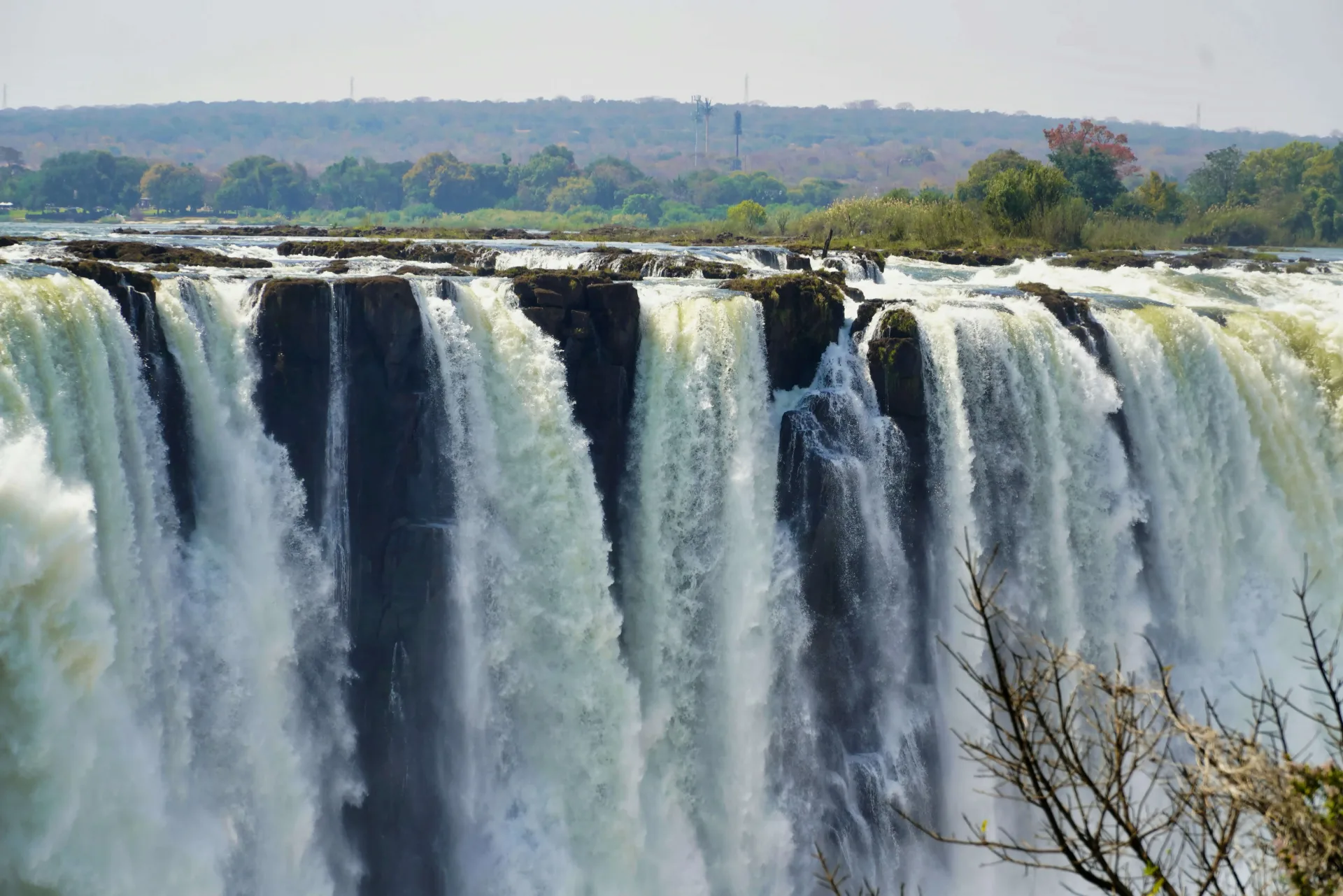
Highlights of Zimbabwe: Victoria Falls & Hwange
Highlights of Zimbabwe: Victoria Falls & Hwange
Zimbabwe
 Adventure
Customizable
Adventure
Customizable
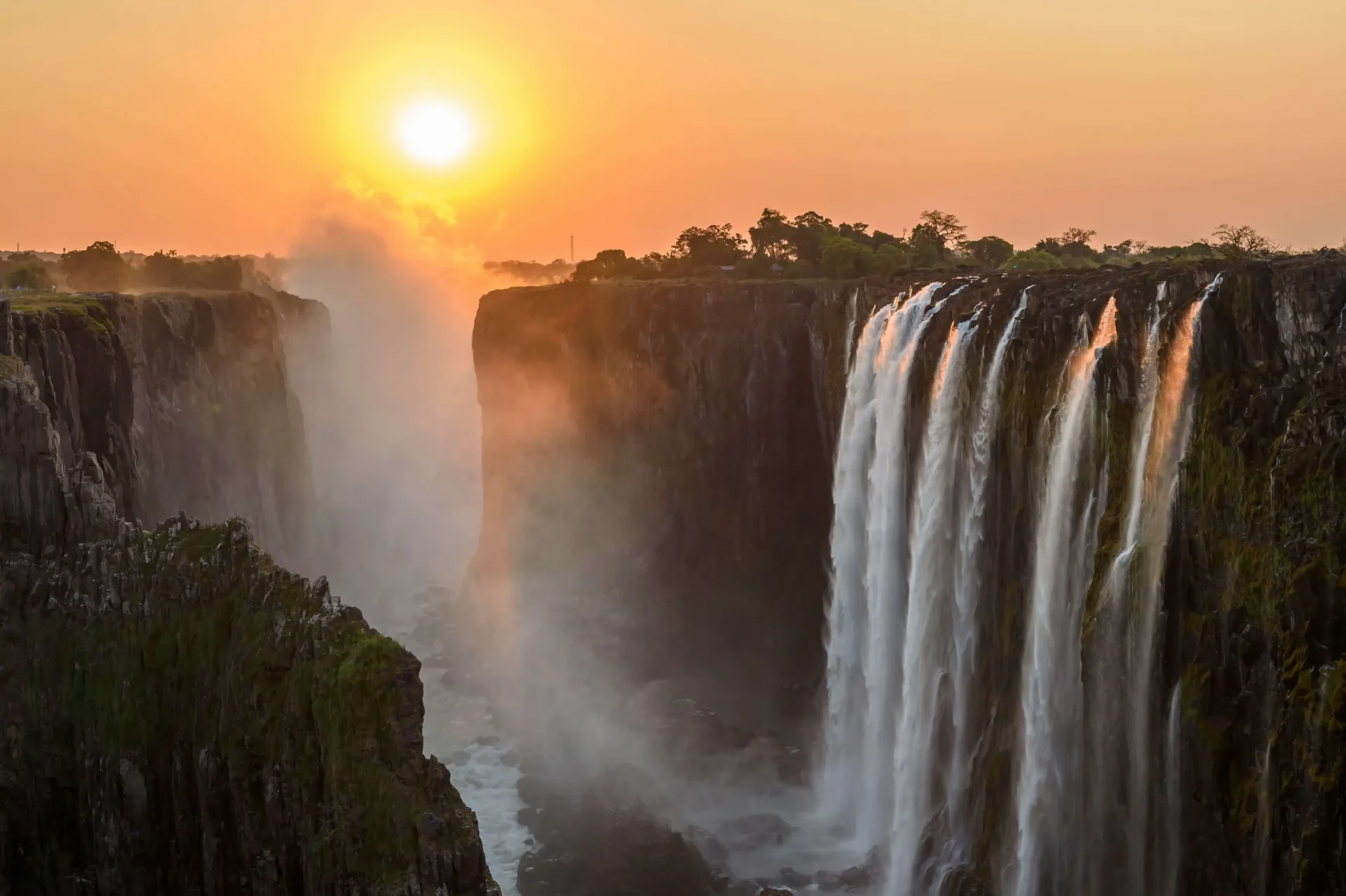
Victoria Falls Adventure: The Smoke that Thunders
Victoria Falls Adventure: The Smoke that Thunders
Zimbabwe
 Adventure
Customizable
Adventure
Customizable
Hwange & Mana Pools: A Great Zimbabwe Safari
Hwange & Mana Pools: A Great Zimbabwe Safari
Zimbabwe