
8 Days • 7 Nights
Kilimanjaro Trek: The Machame Route to Uhuru Peak
Tour Includes
About the Trip
Trip Highlights
- Standing on Uhuru Peak, the Roof of Africa, at dawn is the crowning highlight of this journey. Uhuru Peak, at 5,895 metres, is the highest point on the crater rim of Kilimanjaro and the summit of the entire African continent, and reaching it is an achievement you will treasure for life. After a cold, dark summit night climbing by headlamp, you arrive at the rim as the sky begins to lighten, then walk the final stretch to the summit sign as the sun rises over a sea of cloud far below, flooding the glittering glaciers and the vast African plains with golden light.
- The scenic Machame route, the Whisky Route, is the most beautiful path to the summit. The Machame route is widely considered the most scenic and rewarding way up Kilimanjaro, approaching the mountain from the south-west and traversing it to descend by a different path, so you see far more of the mountain than on shorter routes. It winds through lush, dripping montane rainforest, climbs onto open heath and moorland studded with giant lobelias and groundsels, crosses beneath the dramatic Lava Tower and the great Barranco Wall, and traverses the surreal high-alpine desert of the saddle.
- Trekking through Kilimanjaro's five ecological zones is a fascinating highlight of the climb. Climbing Kilimanjaro is like travelling from the equator to the poles in a matter of days, passing through five distinct ecological zones stacked one above the other. You begin in cultivated farmland, then enter dense, lush montane rainforest alive with birds, monkeys and the calls of the forest; you climb into open heath and moorland, a strange world of giant lobelias, groundsels and everlasting flowers; you cross the cold, stony high-alpine desert of the saddle, sparse and lunar; and finally you reach the arctic summit zone of ice, rock and ancient glaciers.
- The dramatic Barranco Wall and Lava Tower are exhilarating highlights of the Machame route. Among the great set-pieces of the Machame route are the Lava Tower, a striking 300-metre volcanic plug at around 4,600 metres where you pause for acclimatisation, and the Barranco Wall, a steep, rocky rampart that rises above the beautiful Barranco Valley with its giant groundsels. The climb up the Barranco Wall, a fun, hands-on scramble with the guides pointing out the holds, is a highlight in itself, and from the top you enjoy breathtaking views back over the valley and out across the clouds. These dramatic features break up the ascent and aid acclimatisation.
- The dedicated mountain crew who make the climb possible are a moving highlight of the journey. No one climbs Kilimanjaro alone; behind every trekker is a remarkable team of expert guides, cooks and porters who make the ascent possible and safe. Your guides monitor your health and altitude, set the crucial slow pace (pole pole, slowly slowly, in Swahili), and encourage you every step of the way, while the porters carry the camp, tents, food and equipment, race ahead to pitch camp, and greet you with hot drinks, warm meals and, often, song.
- Above all, this journey is a challenging, exhilarating adventure to the highest point in Africa. Kilimanjaro is one of the world's great trekking prizes, and reaching its summit is a life-changing achievement. Over eight days on the scenic Machame route, with a vital extra acclimatisation day, you climb through rainforest, moorland and alpine desert, scramble the Barranco Wall, and, on a cold, starlit summit night, push slowly to Uhuru Peak for a breathtaking dawn above the clouds, supported by an expert crew every step of the way. The challenge, camaraderie, ever-changing landscapes and sheer triumph of standing on the Roof of Africa make it profoundly rewarding.
Day by Day
A detailed day-by-day plan for this 8-day journey.
Your Kilimanjaro adventure begins as your flight arrives at Kilimanjaro International Airport, where you are met and transferred to your lodge in or near Arusha, the green town at the foot of the northern mountains. On a clear day you may glimpse the snow-capped summit of Kilimanjaro itself rising above the plains, a stirring first sight of the challenge ahead. Spend the rest of the day resting after your journey and preparing for the climb. This evening your lead mountain guide holds a detailed briefing, checking your gear, explaining the route, the pace and the vital importance of acclimatisation and hydration, and answering your questions, so you set out fully prepared. A good night's sleep in comfort is precious before the mountain. As you settle in, the anticipation of the Roof of Africa builds. Rest well, ready to begin your trek up the Machame route tomorrow.
After breakfast you drive to the Machame Gate on the forested south-western flank of Kilimanjaro, where you complete park formalities and meet your full crew of guides, cook and porters. Then the trek begins, climbing gently at first and then more steadily on a good path through lush, dripping montane rainforest, alive with birdsong, moss-draped trees and, if you are lucky, blue monkeys and colobus in the canopy. The forest is beautiful and atmospheric, often misty and cool, and your guide sets the crucial slow pace, pole pole, to aid acclimatisation. After around five to seven hours you emerge from the forest into the first heath and reach Machame Camp at about 3,000 metres, where the porters have already pitched your tents and a hot meal awaits. As night falls, the summit may loom above. Rest well at your first mountain camp.
Today you climb out of the forest zone and onto the open moorland, with grander and grander views as you gain height. The path leaves the last trees behind and ascends a rocky ridge through heath and moorland studded with giant heathers and everlasting flowers, steeper in places, with the summit and its glaciers coming into view ahead and the plains falling away far below. Your guide keeps the pace slow and steady to help your body adjust to the altitude, and you pause to rest, drink and take in the expanding views. After around four to six hours you reach Shira Camp at about 3,850 metres, set on the high Shira Plateau, one of the mountain's ancient volcanic remnants, with superb views of Kibo, the main summit cone, and spectacular sunsets. As the cold, clear night falls, the stars are brilliant. Rest well on the Shira Plateau.
Today is a crucial acclimatisation day, climbing high and sleeping low. You trek east across the Shira Plateau and up into the increasingly barren high-alpine desert, the landscape growing rocky and lunar, until you reach the dramatic Lava Tower, a striking 300-metre volcanic plug, at around 4,600 metres, where you pause and lunch to let your body adjust to the altitude. You may feel the thinner air here, but you then descend into the beautiful Barranco Valley, dropping to sleep lower, which greatly aids acclimatisation. The valley is a magical place, filled with strange giant groundsels and lobelias and overlooked by the great Barranco Wall. After around six to seven hours you reach Barranco Camp at about 3,950 metres, beneath the towering wall and with fine views of Kibo. As the sun sets on the glaciers, the scene is unforgettable. Rest well in the Barranco Valley.
This morning you tackle one of the great set-pieces of the route, the Barranco Wall, a steep, rocky rampart that rises above the valley. It looks daunting from below, but it is a fun, hands-on scramble rather than a technical climb, and your guides point out the holds and the route as you make your way up, with breathtaking views opening back over the valley and out across the clouds. From the top of the wall you traverse a striking landscape of ridges and valleys, climbing and descending across the southern flank of the mountain, with the glaciers glittering above. After around four to five hours you reach Karanga Camp at about 3,960 metres, a shorter day that further aids your acclimatisation before the summit push. You rest through the afternoon, eating and hydrating well. As the cold night falls with the summit close above, anticipation builds. Rest well at Karanga Camp.
Today is a shorter but important day, climbing to the high base camp from which you will make your summit attempt tonight. You leave Karanga and ascend steadily across the rocky, barren alpine desert, the air noticeably thinner, following the ridge up to Barafu Camp at about 4,670 metres. Barafu, meaning ice in Swahili, is a stark, windswept camp perched among the rocks with dramatic views of the summit cone above and the plains far below. You arrive around midday, eat an early meal, and then rest and sleep as much as you can through the afternoon and evening, for you will rise around midnight to begin the summit climb. Your guide checks your condition carefully and briefs you on the night ahead. As darkness and cold settle over the high camp, you gather your resolve. Rest well and store your strength for the summit of Kilimanjaro.
You rise around midnight for the summit climb, the hardest and most magnificent part of the trek. By the light of your headlamp, in bitter cold and beneath a canopy of stars, you climb slowly, pole pole, up the steep scree towards the crater rim, your guides setting the pace and encouraging you through the long, dark hours. As dawn breaks you reach Stella Point on the rim, then walk the final gentle stretch along the crater edge, past the great glaciers, to Uhuru Peak at 5,895 metres, the Roof of Africa, as the sun rises over a sea of cloud. After triumphant photos at the summit sign you begin the long descent, dropping back to Barafu for a rest and meal, then continuing down through the moorland to Mweka Camp at about 3,100 metres. Exhausted and elated, you celebrate with your crew. Rest well after the summit of Kilimanjaro.
After a well-earned breakfast and a celebration with your crew, who often send you off with the famous Kilimanjaro song, you make the final descent through the lush montane rainforest to the Mweka Gate, where you receive your summit certificate, a treasured memento of your achievement. You are then transferred back to Arusha, where you can shower, rest and savour your triumph, before continuing to Kilimanjaro International Airport for your onward departure (an extra night in Arusha can easily be added to celebrate and recover). You leave having stood on the Roof of Africa, having climbed through rainforest, moorland and alpine desert, scrambled the Barranco Wall, and watched the sun rise from Uhuru Peak amid ancient glaciers. The memories stay vivid long after you land, the starlit summit night, the dawn above the clouds, and the warmth of your crew. Kilimanjaro is a life-changing adventure, and you depart already proud and dreaming of Africa.
Where You Will Travel
What's inside the package?
Inclusions
- 7 nights accommodation and full-board on the mountain with all meals prepared by your crew, plus dinner and breakfast in Arusha
- Game drives in custom 4x4 safari vehicles with pop-up roofs
- All national park, reserve and conservation area fees as per itinerary
- Airport and land transfers, and internal light-aircraft flights where specified
- Touring and game viewing with expert English-speaking driver-guides
- Bottled water in the safari vehicle and unlimited game drives as per itinerary
- An expert English-speaking mountain guide and assistant guides, a full cook and porter crew, all Kilimanjaro national park and camping fees, quality mountain tents, mattresses and dining and toilet tents, and all transfers between Arusha and the trailheads
Exclusions
- International airfare
- Visa or tourist card fees where applicable
- Travel insurance (strongly recommended)
- Personal trekking gear, sleeping bag hire and walking poles
- Tips for the mountain crew (an important local custom) and personal expenses
- Meals not mentioned in the itinerary or inclusions
- Drinks unless specifically stated
- Optional excursions and experiences
- Personal expenses and gratuities
- Anything not specifically mentioned under Package Inclusions
Know when to go.
- Visa & entry: Most visitors need a visa for Tanzania, which can be obtained as an eVisa online before travel or, for many nationalities, on arrival at the main airports; a passport valid for at least six months with blank pages is required. Requirements can change, so we confirm the exact current process for your nationality and help you secure the eVisa in good time
- Currency: The currency is the Tanzanian Shilling (TZS); US dollars are widely accepted at lodges, camps and for park fees (bring notes issued after 2009), and cards work at hotels and larger establishments in Arusha, Dar es Salaam and Zanzibar, but carry cash for tips, curios and remote areas. ATMs are common in towns but scarce on safari
- Best time to visit: The long dry season from late June to October is superb for wildlife and for the Serengeti river crossings, while the calving season of the southern Serengeti in January and February is spectacular; the long rains fall roughly March to May and short rains in November, when the parks are green, lush and quieter with fewer visitors and lower prices
- Language & etiquette: Swahili and English are the official languages, and English is widely spoken in tourism, making travel easy; a friendly Jambo goes a long way. Ask permission before photographing people, especially Maasai communities, dress modestly in towns and, particularly, on the Muslim island of Zanzibar, and respect local customs everywhere
- Getting around: Safaris are by custom 4x4 vehicle with a pop-up roof and expert driver-guide, with some long but scenic drives on the northern circuit; light-aircraft flights link the Serengeti, the southern parks, Zanzibar and the coast quickly and comfortably on fly-in itineraries. Roads can be rough and dusty in the parks, so bring a light scarf and a small daypack
- Health & safety: A yellow fever certificate is required if you are arriving from or transiting an endemic country; malaria prophylaxis is recommended for most safari and coastal areas, so consult a travel clinic well before departure, and bring insect repellent, sun protection and personal medication. Tanzania is a rewarding, well-established safari destination, and we use trusted guides and follow official guidance
- Culture & tipping: Tanzania is a warm, diverse country of many peoples, from the Maasai of the northern plains to the Swahili culture of Zanzibar; a village or community visit is a genuine highlight. Tipping is customary and appreciated, for driver-guides, camp and lodge staff, porters and mountain crews, and we advise on suggested amounts. Photography of airports and official buildings is best avoided
- Power & practicalities: Power is 240V with UK-style type G three-pin plugs (type D is also found), so bring an adapter; camps and lodges often run on generators or solar with limited hours and charging points, so a power bank is useful. Pack neutral-coloured, lightweight clothing, warm layers for cool early game drives and the crater rim, a hat, binoculars and a good camera with a zoom lens
Frequently Asked Questions
How hard is climbing Kilimanjaro, and do I need technical skills?
Kilimanjaro is a challenging high-altitude trek, but it is a walk rather than a technical climb, requiring no ropes, ice axes or mountaineering skills, only good general fitness, determination and the willingness to go slowly. The main difficulty is the altitude, which is why the Machame route's extra acclimatisation day is so valuable. With good preparation, a sensible slow pace, proper hydration and expert guides, people of a wide range of ages and fitness levels reach the summit. We advise on training and how to give yourself the best chance of success.
What are my chances of reaching the summit?
Summit success depends heavily on acclimatisation, so the extra day on the Machame route significantly improves your odds compared with shorter routes; well-prepared trekkers on this eight-day itinerary have a high success rate. Going pole pole (slowly), drinking plenty of water, and listening to your experienced guides are key. Your guides monitor your health and altitude closely and will always put your safety first. While no summit can ever be guaranteed on a mountain of this height, this route gives you an excellent chance of standing on the Roof of Africa.
What meals are included?
Meals as specified in each itinerary are included; on safari, most lodges and camps operate on a full-board basis, so breakfast, lunch and dinner are typically included while you are in the parks and reserves, along with bottled water in the vehicle. In Arusha, Dar es Salaam and on Zanzibar, breakfast is usually included and other meals may be free for you to explore. Tanzanian cuisine is hearty and varied, from nyama choma (grilled meat) and ugali to fragrant Swahili coast seafood, coconut curries and tropical fruit, and we detail exactly what is included at each stage.
Are the tours private or in a group?
Your safari is private by default, with your own expert English-speaking driver-guide and custom 4x4 vehicle with a pop-up roof, giving you flexibility, unhurried game viewing and a pace tailored to you; small-group and fly-in options can be arranged if you prefer. Tanzania's knowledgeable guides are superb at finding and interpreting wildlife, from the big cats of the Serengeti to the elephants of Tarangire, and greatly enrich every game drive, cultural visit and journey through this beautiful country.
Do I need a visa for Tanzania?
Most visitors need a visa, which can be obtained as an eVisa online before travel or, for many nationalities, on arrival at the main airports, and a passport valid for at least six months with blank pages is required. We confirm the exact, current requirements for your nationality, advise on the best approach, and help you secure the eVisa in good time so your entry is smooth and stress-free.
Is Tanzania safe to visit?
Tanzania is one of Africa's most established and rewarding safari destinations, welcoming visitors for decades, and travel on a well-planned itinerary is smooth and rewarding. We use trusted lodges, camps, guides and drivers, and follow official guidance at all times, taking sensible precautions in cities as anywhere. On safari, on Kilimanjaro and on Zanzibar you are in expert, experienced hands, and the warmth of the Tanzanian welcome is one of the great joys of a visit.
When is the best time to visit?
The long dry season from late June to October is superb for wildlife and for the Serengeti river crossings, while the calving season in the southern Serengeti in January and February is spectacular for predators and newborns. The green seasons of the long rains (roughly March to May) and short rains (November) bring lush landscapes, wonderful birdlife and fewer visitors at lower prices. We advise on the best timing for your interests, whether the migration, big cats, birds, Kilimanjaro or the beaches of Zanzibar.
Can the itinerary be customised?
Absolutely. We can adjust the balance of parks and reserves, add the Serengeti, Ngorongoro, Tarangire, Lake Manyara, the southern Ruaha and Nyerere or a Kilimanjaro trek, combine safari with the beaches of Zanzibar or Mafia Island, switch between driving and fly-in safaris, and tailor the standard of camps and lodges from classic to ultra-luxury. Every itinerary is a flexible starting point that we shape around your interests, pace, budget and dream journey through beautiful Tanzania.
More Adventure Journeys
 Adventure
Customizable
Adventure
Customizable
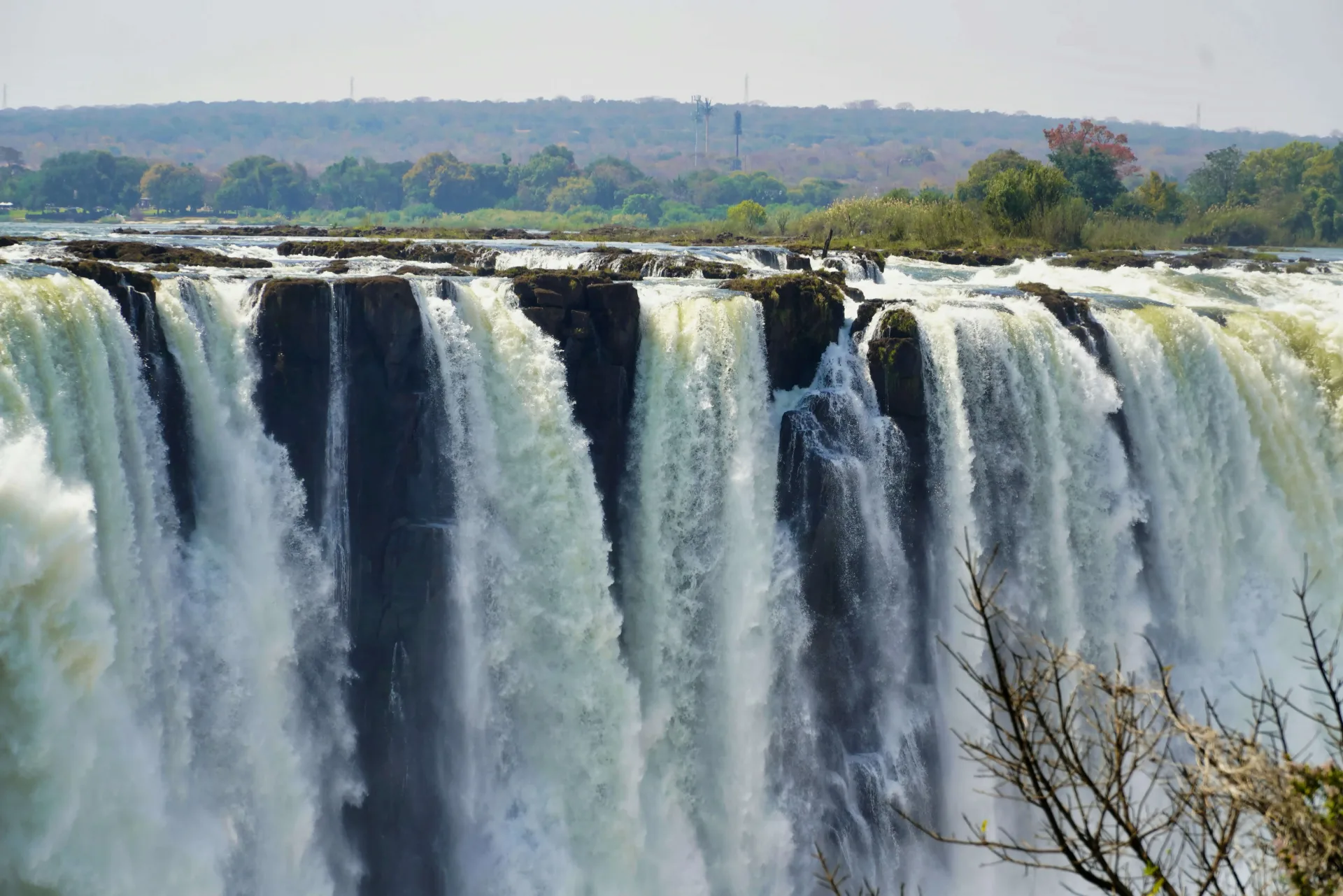
Highlights of Zimbabwe: Victoria Falls & Hwange
Highlights of Zimbabwe: Victoria Falls & Hwange
Zimbabwe
 Adventure
Customizable
Adventure
Customizable
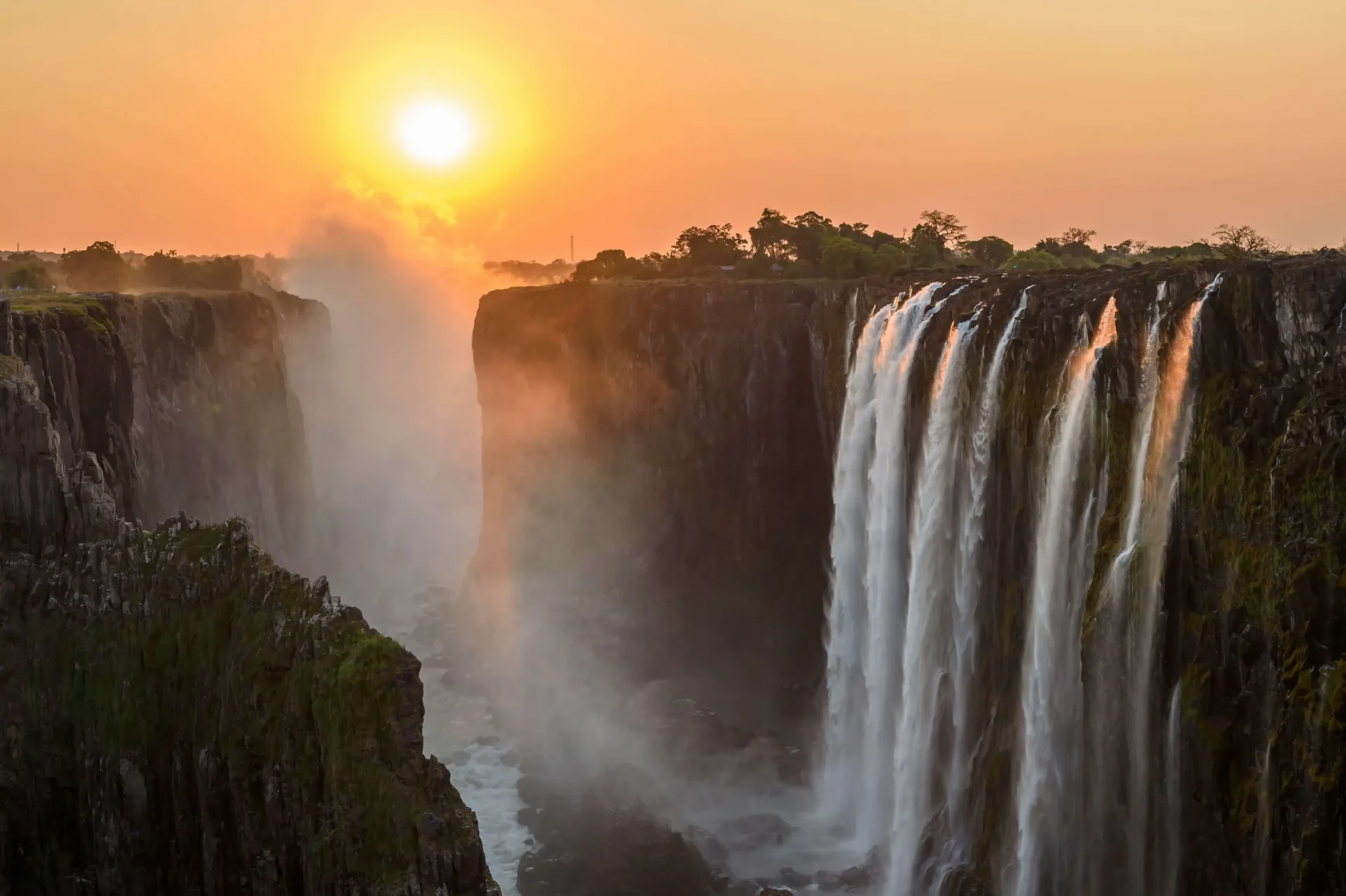
Victoria Falls Adventure: The Smoke that Thunders
Victoria Falls Adventure: The Smoke that Thunders
Zimbabwe
 Adventure
Customizable
Adventure
Customizable
Hwange & Mana Pools: A Great Zimbabwe Safari
Hwange & Mana Pools: A Great Zimbabwe Safari
Zimbabwe