
8 Days • 7 Nights
Mole Safari & Northern Ghana: Elephants, Savanna & Ancient Mosques
Tour Includes
About the Trip
Trip Highlights
- Encountering elephants on foot on a walking safari in Mole National Park is a thrilling, unforgettable highlight. Mole National Park, Ghana's largest reserve, protects a vast expanse of golden Guinea savanna, and its greatest thrill is the chance to track elephants on foot. On a walking safari with an armed, expert ranger, you set out across the bush, following signs and tracks, and, with luck, come upon wild elephants at close but safe quarters, feeding, bathing or ambling through the trees, an intimate, exhilarating and humbling encounter unlike any vehicle safari. You also walk among antelope, warthog and birds, learning to read the bush.
- Game drives and a waterhole lodge in Mole's golden savanna are a beautiful wildlife highlight. Mole rewards with classic safari pleasures too. On morning and afternoon game drives across the golden savanna, you seek elephants, kob and other antelope, warthog, baboons, monkeys, and a wealth of birdlife, from vultures and bee-eaters to hornbills and raptors, with the chance of rarer sightings. Many stay at the escarpment-top lodge overlooking waterholes where elephants and antelope come to drink and bathe, so that the wildlife spectacle unfolds below you as you relax with a cool drink at sunset, the savanna glowing gold. The space, light and abundance of wildlife are beautiful.
- The ancient Larabanga Mosque, a beautiful mud-and-stick masterpiece, is a fascinating cultural highlight. Near the entrance to Mole stands the Larabanga Mosque, one of the oldest and most beautiful mosques in West Africa, a gleaming white Sudanese-style structure of mud and timber, its walls studded with the projecting wooden stakes that support the fragile earthen form and give it its distinctive silhouette. Said to date back centuries and known as the Mecca of West Africa, it is a place of deep local reverence, and nearby lies the legendary Mystic Stone. Learning its history and admiring its striking, organic architecture is fascinating.
- The Mognori eco-village and canoe safari on the river offer a beautiful community and nature highlight. On the edge of Mole, the Mognori community runs a welcoming eco-village that offers a gentle, rewarding counterpoint to the safari. You take a canoe safari along the quiet river, drifting past birds, monkeys and, sometimes, crocodiles, and enjoy a village walk to learn about shea-butter making, traditional medicine, drumming and daily life in the savanna, meeting the community and supporting sustainable, community-based tourism. The warmth of the welcome and the peace of the river are lovely. The nature and community are captivating.
- The distinct culture, music and warm hospitality of the north around Tamale are a rich highlight. Northern Ghana feels a world apart, with its own landscapes, cultures, cuisine and rhythms. In and around Tamale, the lively hub of the north, you experience the distinct culture of the northern peoples, their music and drumming, the smock-weaving and craft traditions, the mud architecture, the bustling markets and the famously warm, unhurried hospitality. The savanna light, the baobab trees and the different pace all make the north a memorable contrast to the coast and forest. The culture and warmth are captivating.
- Above all, this journey offers a wild, adventurous safari through the little-visited north of Ghana. Northern Ghana opens into vast savanna, ancient mosques and Ghana's finest wildlife, and this journey takes you deep into it. Over eight days you travel from Ashanti Kumasi into the north, track elephants on foot and by vehicle in Mole National Park, visit the ancient Larabanga Mosque and the Mognori eco-village, and experience the distinct culture and warm hospitality of the north, guided by expert guides and rangers. The combination of thrilling wildlife, golden savanna, ancient architecture, community encounters and heartfelt welcome makes the north utterly rewarding.
Day by Day
A detailed day-by-day plan for this 8-day journey.
Your safari journey into the wild north of Ghana begins as your flight arrives at Kotoka International Airport in Accra, where you are met and transferred to your hotel in the lively capital. Ghana is one of the friendliest and most welcoming countries in West Africa, and the genuine warmth of the Ghanaian welcome is felt from the moment you arrive. Spend the rest of the day settling in and relaxing after your journey, perhaps taking a first stroll near your hotel. This evening, a welcome dinner introduces you to the delicious flavours of Ghanaian cuisine and to the adventurous journey ahead, through Ashanti Kumasi and deep into the savanna north to track the elephants of Mole National Park. Your guide shares an overview of the wildlife and cultures to come. As you settle in, the warmth of Ghana works its magic. Rest well, ready to begin your journey north tomorrow.
Today you begin your journey north, travelling to Ashanti Kumasi. You leave Accra and travel through rolling green country, cocoa farms and busy market towns into the forested Ashanti heartland (a short domestic flight can be arranged to shorten the journey). You arrive in Kumasi, the proud cultural capital of Ghana, where the Asantehene still reigns, and depending on timing you may take in a first taste of the city, perhaps the National Cultural Centre or a glimpse of the vast Kejetia market. Your guide shares the history of the powerful Ashanti kingdom as you go. As the day ends, you settle into your hotel in Kumasi, poised between the forested south and the savanna north. This evening, savour the atmosphere of the Garden City and Ghanaian cuisine. Rest well, for tomorrow you journey deep into the northern savanna towards Mole National Park.
Today you journey deep into the north, to the edge of the wild. You leave Kumasi and travel north as the landscape gradually changes from forest to open golden savanna, with baobab trees and a wide, luminous sky. Along the way you stop at the thundering Kintampo Falls, where the river tumbles in beautiful cascades through the forest, a refreshing and scenic break. You continue into the savanna country of the north, arriving at Mole National Park, Ghana's largest reserve, where you settle into your lodge, many perched on the escarpment overlooking waterholes where elephants and antelope come to drink. As the day ends, you may already glimpse wildlife below as the sun sets gold over the savanna. This evening, dine at the lodge amid the sounds of the bush. Rest well, for tomorrow you begin your safari among the elephants of Mole.
Today you go on safari in Mole National Park, the highlight of the journey. In the cool of the morning you set out on a walking safari with an armed, expert ranger, tracking wildlife on foot across the golden savanna and, with luck, coming upon wild elephants at close but safe quarters, an intimate, exhilarating and humbling encounter unlike any vehicle safari, along with antelope, warthog and birds. In the afternoon you take a game drive deeper into the park, seeking elephants, kob and other antelope, baboons, monkeys and a wealth of birdlife across the vast savanna. Back at the lodge, you watch elephants and antelope gather at the waterhole below as the sun sets. The thrill of the wildlife is profound. As the day ends, you dine at the lodge amid the sounds of the bush. Rest well, for tomorrow brings more of Mole and its surroundings.
Today you combine more wildlife with the culture of the savanna. At dawn you may take another game drive or walking safari, when the wildlife is most active and the light most beautiful, seeking elephants and the rich birdlife of the park. Later you visit the ancient Larabanga Mosque, one of the oldest and most beautiful mosques in West Africa, a gleaming white Sudanese-style structure of mud and timber studded with projecting wooden stakes, and hear its legends. You visit the Mognori eco-village, taking a canoe safari along the quiet river, drifting past birds, monkeys and perhaps crocodiles, and enjoying a village walk to learn about shea-butter making, drumming and savanna life, meeting the community. The wildlife and culture are captivating. As the day ends, you return to your lodge. This evening, dine amid the sounds of the bush. Rest well, for tomorrow you journey to Tamale.
Today you journey to Tamale, the lively hub of the north. You leave Mole, perhaps with a final glimpse of elephants at the waterhole, and travel across the savanna to Tamale, the largest city of northern Ghana and the gateway to the region. Along the way you take in the distinct landscapes, mud architecture and rhythms of the north, so different from the forested south and the coast. In Tamale you experience the culture of the northern peoples, perhaps visiting the central market, the smock-weavers and craft workshops, and enjoying the music, drumming and famously warm, unhurried hospitality of the north. The culture and warmth are captivating. As the day ends, you settle into your hotel in Tamale, immersed in the north. This evening, savour northern Ghanaian cuisine and the relaxed atmosphere. Rest well, for tomorrow you fly back to Accra, carrying the wild north with you.
Today you return to Accra from the north. After a relaxed morning in Tamale, perhaps a last visit to the market or a craft workshop, you transfer to the airport for your domestic flight south to Accra (a scenic option for those who prefer, though flying saves a very long drive). Back in the capital, depending on timing you may enjoy some final sightseeing or shopping, perhaps browsing the Arts Centre for crafts, or relax at your hotel, reflecting on the elephants, savanna and warm culture of the north you have experienced. As the day ends, you settle back into Accra for your final night. This evening, savour a farewell dinner and perhaps a taste of the capital's famous highlife and nightlife, reflecting on your wild northern safari. Rest well ahead of your departure tomorrow, carrying memories of Mole's elephants.
After a final morning in lively Accra, perhaps some last-minute souvenir shopping or a relaxed breakfast, you are transferred to Kotoka International Airport for your onward international departure. You leave having experienced a wild, adventurous side of Ghana few travellers see, the golden savanna and elephants of Mole National Park, tracked on foot and by vehicle, the ancient mud-and-stick Larabanga Mosque, the canoe safari and community of Mognori, and the distinct culture, music and warm hospitality of the north around Tamale. The images stay vivid long after you land, wild elephants glimpsed on foot in the bush, the herds gathering at the waterhole below your lodge at sunset, the gleaming white Larabanga Mosque, and the wide savanna sky. Northern Ghana offers thrilling wildlife, adventure and heartfelt warmth in abundance, and you depart already dreaming of a return to the wild north of this welcoming land.
Where You Will Travel
What's inside the package?
Inclusions
- 7 nights accommodation
- Daily breakfast, dinners at Mole lodge and a welcome dinner
- Airport and land transfers in air-conditioned vehicles
- Touring and sightseeing as per itinerary with expert local guides
- Entrance fees to castles, parks and sites as per itinerary
- private touring with an expert local guide and vehicle, game drives and a walking safari in Mole National Park with rangers, a Larabanga Mosque visit, a Mognori eco-village canoe safari, and all park and entrance fees
Exclusions
- International airfare
- Visa or tourist card fees where applicable
- Travel insurance (strongly recommended)
- Domestic flight Tamale to Accra unless specified
- Optional experiences and tips for guides, drivers and rangers
- Meals not mentioned in the itinerary or inclusions
- Drinks unless specifically stated
- Optional excursions and experiences
- Personal expenses and gratuities
- Anything not specifically mentioned under Package Inclusions
Know when to go.
- Visa & entry: Most nationalities need a visa for Ghana, arranged in advance through a Ghanaian embassy or the eVisa system, with visa-on-arrival available to some travellers by prior approval; a passport valid for at least six months is required. Requirements change from time to time, so we confirm the exact, current process for your nationality and help you prepare the paperwork before you travel
- Currency: The currency is the Ghanaian Cedi (GHS); cards are accepted in larger hotels, restaurants and shops in Accra and Kumasi, but carry cash for markets, crafts, small towns, tips, park fees and rural areas, where cash is essential. ATMs are found in cities and larger towns, and it is wise to keep small notes handy
- Best time to visit: The dry season, roughly November to March, is the most comfortable time to travel, with warm, sunny days and the dusty Harmattan wind blowing from the Sahara; the wet season (April to October) brings lush green landscapes, fuller waterfalls and warm rains, mostly in short heavy bursts. We help you time your trip around the season and any festivals you wish to see
- Language & etiquette: English is the official language and is widely spoken, alongside Akan (Twi), Ewe, Ga and many others; Ghanaians are famously warm, friendly and hospitable. Greetings matter, so take a moment to say hello; dress modestly at sacred sites, palaces and in the north; and always ask before photographing people, chiefs or ceremonies. A little Twi, such as a friendly greeting, is warmly received
- Getting around: Touring is by private air-conditioned vehicle with your own driver-guide, the most comfortable and flexible way to see the country; some drives are long but scenic, linking Accra, the Cape Coast, Kumasi, the north and the Volta Region. Domestic flights between Accra, Kumasi and Tamale can shorten the longest journeys, and we build in comfortable stops along the way
- Health & safety: Ghana is one of the friendliest and most stable countries in West Africa, and travel here is rewarding and welcoming; a yellow fever vaccination certificate is required for entry, and antimalarial precautions are strongly recommended, so consult a travel clinic well before departure. Drink bottled or filtered water, use insect repellent, and we monitor conditions and follow official guidance at all times
- Culture & festivals: Ghana's culture is vibrant and deeply rooted, from Ashanti kente weaving, drumming and dancing to colourful chiefs' durbars and lively festivals such as Homowo, Aboakyer and the Ashanti Akwasidae; markets buzz with energy and music is everywhere. We can time your journey to coincide with a festival where possible, and always advise on respectful ways to take part and enjoy the celebrations
- Power & practicalities: Power is 230V with British-style type G three-pin plugs (type D also appears), so bring a UK-style adapter; power cuts happen occasionally, and better hotels have generators. Tipping is appreciated for good service, mobile coverage is good in towns, and the pace of life is relaxed and friendly, so patience, a smile and an open mind make every day a pleasure
Frequently Asked Questions
How good is the wildlife at Mole, and will I see elephants?
Mole is by far Ghana's best wildlife destination, and elephant sightings are common, especially in the dry season (November to April) when animals gather at the waterholes below the escarpment lodges. You have excellent chances of close encounters on both game drives and walking safaris, along with antelope such as kob, warthog, baboons, monkeys and abundant birdlife. Ghana is not East Africa, so do not expect big cats or huge herds, but the chance to walk on foot near wild elephants is rare, thrilling and unforgettable, and the savanna is beautiful.
Is the walking safari safe, and how far do we walk?
Yes. Walking safaris in Mole are always accompanied by trained, armed park rangers who know the animals and the bush intimately and keep a safe distance from wildlife at all times. Walks are typically one to two hours over gentle terrain in the cool of the morning, at an easy pace, so a moderate level of fitness is all that is needed. Being on foot near wild elephants is exhilarating but carefully managed, and the rangers brief you fully beforehand. It is one of the most memorable wildlife experiences in West Africa.
What meals are included?
Daily breakfast is included, along with any meals named in the itinerary (typically dinners at remote lodges such as Mole, and some half-board or full-board stays). Ghanaian food is delicious and hearty, from jollof rice, waakye and grilled tilapia to groundnut and light soups with fufu or banku, and fresh tropical fruit. We usually leave other meals free so you can explore local restaurants and chop bars, and we recommend the best places at every stage of your journey.
Are the tours private or in a group?
Your journey is private by default, with your own expert local driver-guide and comfortable air-conditioned vehicle, giving you flexibility, depth and a pace tailored entirely to you; small-group options can be arranged if you prefer. Ghana's knowledgeable, friendly guides bring the castles, palaces, markets, parks and rich living culture vividly to life, greatly enriching every visit, and a good guide is invaluable for the history of the coast and the north.
Do I need a visa for Ghana?
Most nationalities need a visa, arranged in advance through a Ghanaian embassy or the eVisa system, with visa-on-arrival available to some travellers by prior approval. We confirm the exact, current requirements for your nationality, advise on the best option and help you prepare the paperwork, so entry is smooth. A passport valid for at least six months and a yellow fever vaccination certificate are required for entry.
Is Ghana safe to visit?
Ghana is one of the friendliest, most stable and most welcoming countries in West Africa, with a long tradition of peace, democracy and genuine hospitality, and travel here is smooth and rewarding. We use trusted local guides and drivers, choose good accommodation, monitor conditions and follow official guidance at all times. Normal common-sense precautions apply, as anywhere, and the warmth of the Ghanaian welcome is one of the great joys of any visit.
When is the best time to visit?
The dry season, roughly November to March, is the most comfortable time, with warm, sunny days, ideal for the coast, castles, Kumasi, the north and the Volta Region, though the Harmattan can bring dusty haze. The wet season (April to October) brings lush green landscapes and fuller waterfalls, with rain usually in short, heavy bursts. We advise on the best timing for your interests, the regions you wish to see and any festivals.
Can the itinerary be customised?
Absolutely. We can adjust the balance of Accra, the Cape Coast castles, Kakum, Kumasi and the Ashanti heartland, the Mole safari and the north, the Volta Region and the beaches, add or remove nights, include a festival, and tailor the pace, comfort and focus entirely to you. Every itinerary is a flexible starting point, crafted around your interests, for your ideal journey through the warm and vibrant land of Ghana.
More Adventure Journeys
 Adventure
Customizable
Adventure
Customizable
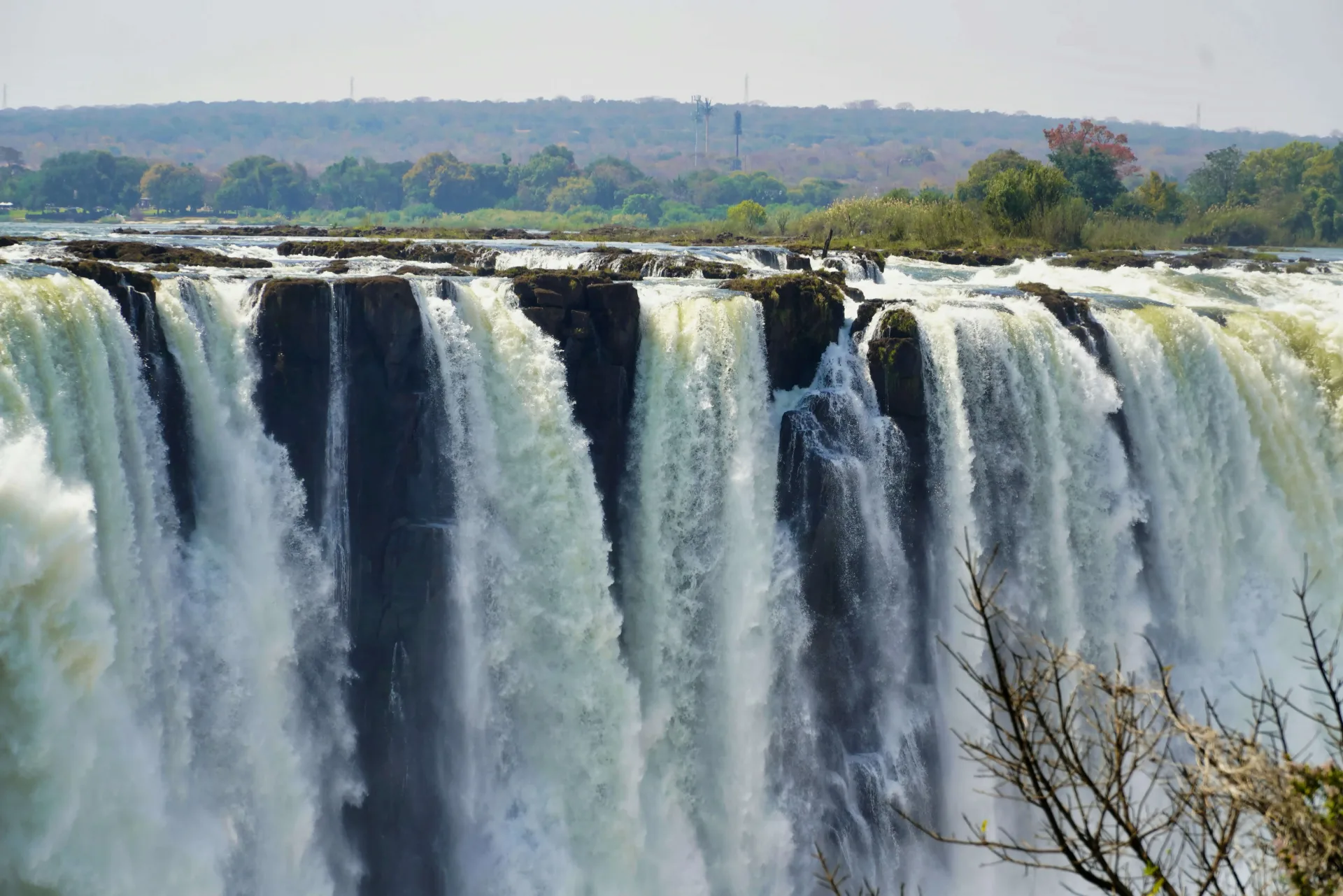
Highlights of Zimbabwe: Victoria Falls & Hwange
Highlights of Zimbabwe: Victoria Falls & Hwange
Zimbabwe
 Adventure
Customizable
Adventure
Customizable
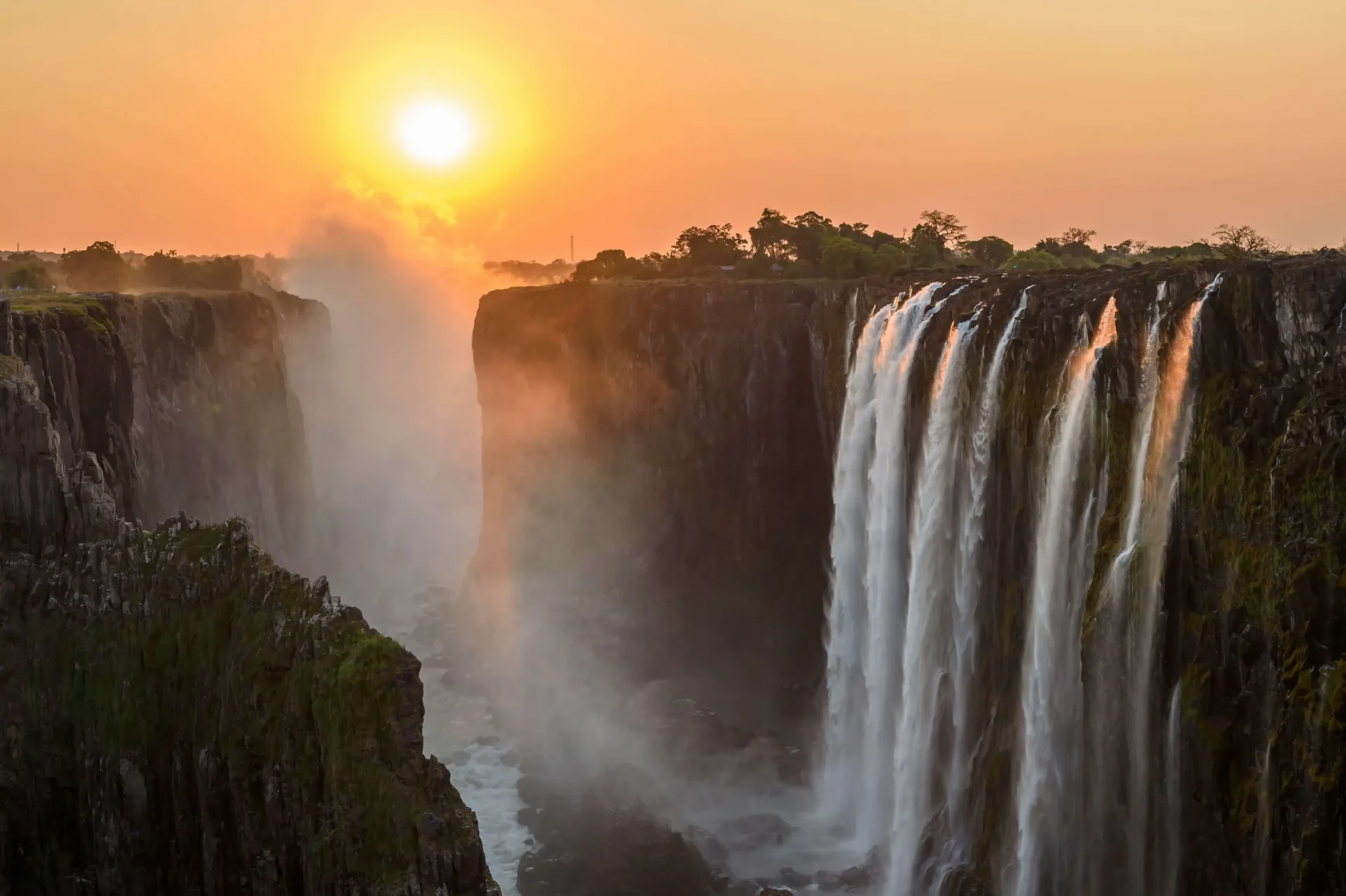
Victoria Falls Adventure: The Smoke that Thunders
Victoria Falls Adventure: The Smoke that Thunders
Zimbabwe
 Adventure
Customizable
Adventure
Customizable
Hwange & Mana Pools: A Great Zimbabwe Safari
Hwange & Mana Pools: A Great Zimbabwe Safari
Zimbabwe