
9 Days • 8 Nights
Papua New Guinea Diving: Kimbe Bay & Milne Bay
Tour Includes
About the Trip
Trip Highlights
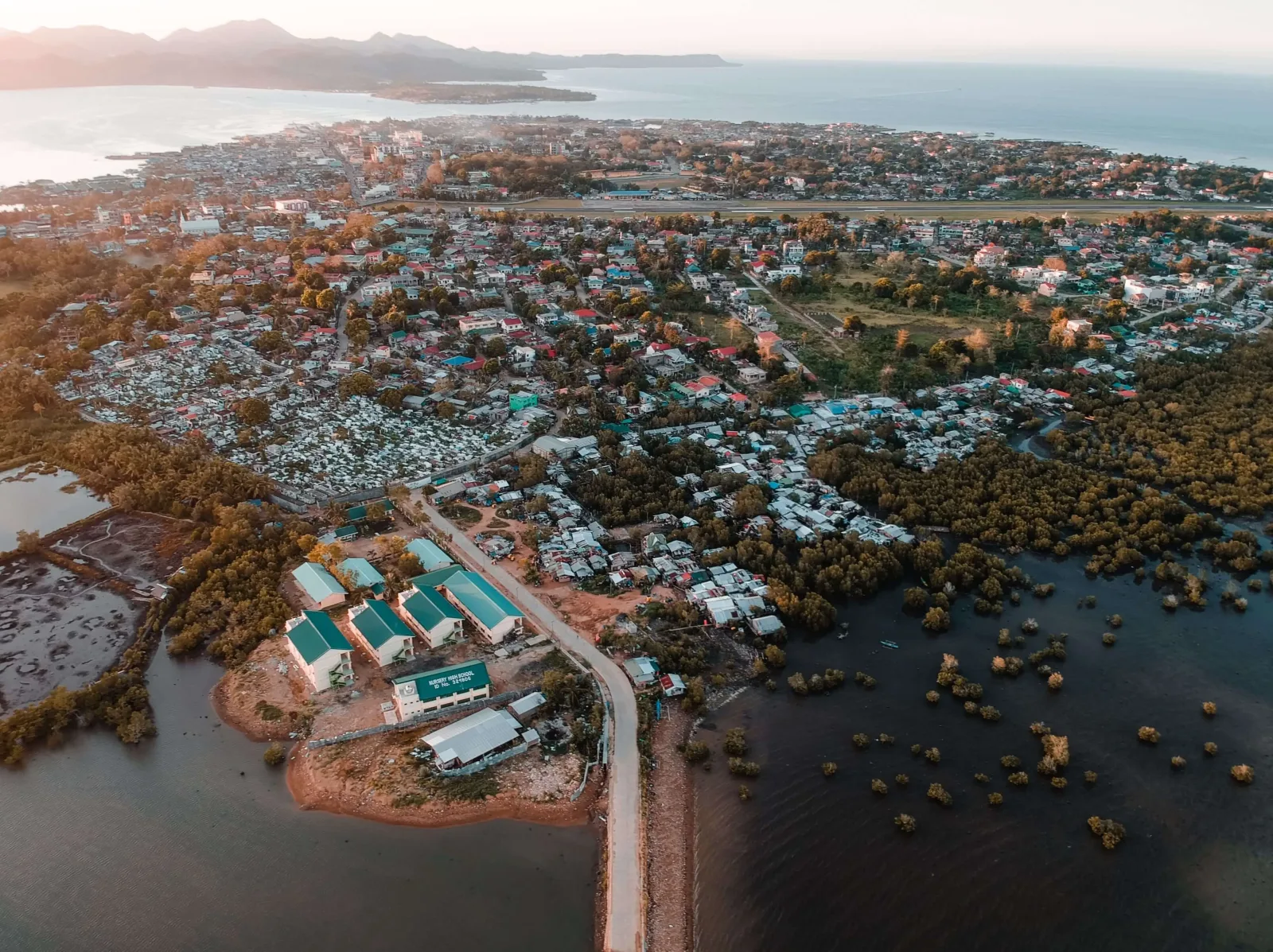
- Kimbe Bay, off the island of New Britain, is one of the world's premier diving destinations and a jewel of the Coral Triangle, home to some of the most biodiverse and pristine reefs on earth. This large, deep bay is dotted with pristine coral seamounts and reefs rising from the depths, alive with an astonishing abundance and diversity of life, over half of the world's coral species and hundreds of species of fish are found here. The seamounts, such as the famous Bradford Shoals and Susan's Reef, teem with clouds of barracuda, jacks and fusiliers, patrolling reef sharks.
- Milne Bay, at the eastern tip of Papua New Guinea, is the birthplace of muck diving and a world-class destination for macro life, offering some of the finest critter diving on earth. Muck diving, exploring the seemingly barren sand and rubble slopes that turn out to teem with extraordinary, bizarre and beautiful small creatures, was pioneered here, and Milne Bay remains one of the best places in the world for it. On the black-sand slopes and reefs, you find an astonishing array of macro life, flamboyant cuttlefish, ghost pipefish, frogfish, mandarinfish, blue-ringed octopus, rare nudibranchs, seahorses, and countless other weird and wonderful critters.
- The extraordinary marine biodiversity of Papua New Guinea, at the very heart of the Coral Triangle, makes its diving a genuine wildlife spectacle of astonishing richness. Papua New Guinea lies within the Coral Triangle, the global epicentre of marine biodiversity, and its waters are among the most biodiverse on earth, home to an astonishing wealth of coral (over half the world's species), fish, and marine life, from the tiniest critters to sharks, rays, turtles and pelagics. This extraordinary diversity means that every dive holds the promise of remarkable encounters, whether the abundance of life on Kimbe Bay's seamounts.
- The pristine, uncrowded reefs of Papua New Guinea, seeing almost no other divers, offer a rare and precious diving experience of a quality increasingly hard to find. Papua New Guinea is one of the least-visited diving destinations in the world, and its reefs, in the heart of the Coral Triangle, remain in exceptional, pristine condition, vibrant, healthy and teeming with life, largely untouched by the pressures that have damaged so many of the world's reefs. And because so few divers ever reach these remote waters, you often dive world-class sites entirely alone, with the pristine reefs, the abundant life.
- The Second World War wrecks of Papua New Guinea add fascinating history and dramatic diving to the journey, hauntingly beautiful and teeming with marine life. Papua New Guinea saw fierce fighting during the Pacific war, and its waters hold the wrecks of numerous ships and aircraft, now transformed by the sea into artificial reefs teeming with coral and fish. Around Milne Bay and along the coast, you can dive wrecks of ships, planes and other relics of the war, exploring their coral-encrusted structures, swimming through cargo holds and cockpits, and marvelling at the marine life that has reclaimed them, hauntingly beautiful and rich in history.
- Beyond the world-class diving, Papua New Guinea offers a genuine adventure and a glimpse of extraordinary culture, so a dive journey here is a rich, all-round experience far from the crowds. Papua New Guinea is one of the last great frontiers of travel, and diving here is a genuine adventure, into remote, pristine waters seen by few, staying at comfortable but remote dive resorts, and encountering the warm people and rich culture of this extraordinary country. Between dives, you can experience local village life, culture and the beautiful island and coastal scenery, adding a rich cultural and human dimension to the diving.
Day by Day
A detailed day-by-day plan for this 9-day journey.
Welcome to Papua New Guinea. Your flight touches down at Port Moresby, the capital, where you are met by your guide and transferred to your hotel. You are here to dive some of the most pristine and biodiverse reefs on earth, in the heart of the Coral Triangle, and the anticipation builds. Spend the rest of the day resting after your journey and checking your gear. This evening, a welcome dinner introduces you to the journey and to Papua New Guinean cuisine and hospitality. Papua New Guinea is one of the world's greatest and least-crowded diving destinations, and as you settle in, the anticipation of the diving to come, the pristine seamounts and pelagics of Kimbe Bay, the world-class muck and critters of Milne Bay, mingles with the excitement of arriving in one of the most fascinating and least-visited countries on earth. Rest well, for tomorrow you fly to Kimbe Bay and begin diving in the very heart of the Coral Triangle.
This morning you fly to Kimbe Bay, off the island of New Britain, one of the world's premier diving destinations and a jewel of the Coral Triangle. You transfer to your dive resort, set on the beautiful bay, and, after settling in and a check dive, begin exploring the pristine reefs. Kimbe Bay is home to some of the most biodiverse and pristine reefs on earth, with over half the world's coral species and hundreds of species of fish, and its coral seamounts and reefs, rising from the depths, teem with an astonishing abundance of life. Your first dives introduce you to the vibrant coral gardens, the clouds of tropical fish, and the pristine, uncrowded beauty of this extraordinary bay. The reefs are in exceptional condition and see almost no other divers. As the sun sets over the beautiful bay, you settle into your resort, ready for several days of world-class diving in one of the most biodiverse and pristine marine environments on the planet.
A full day diving the spectacular seamounts and reefs of Kimbe Bay. A boat carries you out to the famous coral seamounts, such as Bradford Shoals and Susan's Reef, rising from the depths and teeming with life, where you dive among clouds of barracuda, jacks and fusiliers, patrolling reef sharks, and vibrant hard and soft corals festooned with huge sea fans, with thrilling encounters with pelagics in the blue. The abundance, diversity and health of the marine life are breathtaking, among the finest in the world, and the reefs see almost no other divers, so you explore this pristine, uncrowded underwater wilderness almost alone. Two tanks give you ample time to explore the seamounts and reefs. Between dives, you take in the beauty of the bay and its islands. As the sun sets over the bay, you return to your resort for a relaxed dinner, deeply satisfied after a day of world-class diving in the heart of the Coral Triangle, and the anticipation of more pristine reefs builds.
Another day diving the pristine reefs of Kimbe Bay, exploring their extraordinary variety and abundance. You dive vibrant coral gardens, dramatic drop-offs, and reefs teeming with life, from the large, sharks, barracuda and pelagics on the seamounts, to the small, an astonishing array of macro life, nudibranchs, pipefish, anemonefish and countless critters, on the reefs, a paradise for photographers. The reefs of Kimbe Bay, in the very heart of the Coral Triangle, offer breathtaking diversity and beauty, and the pristine, uncrowded conditions are a rare privilege. The friendly resort dive operation tailors the diving to your interests, with ample time in the warm, clear water. Between dives, you relax at the resort and take in the beautiful bay. As the sun sets over the bay, you return to your resort for a relaxed dinner, reflecting on the extraordinary abundance and biodiversity of Kimbe Bay's reefs. Rest well, for tomorrow brings more of this world-class, pristine diving in one of the most biodiverse marine environments on earth.
A final day diving the pristine reefs and seamounts of beautiful Kimbe Bay, savouring the extraordinary diving before moving on. You return to favourite seamounts and reefs, or explore new ones, diving among the clouds of fish, the pelagics, the sharks, and the vibrant coral of one of the most biodiverse and pristine bays on earth, in warm, clear water and almost complete solitude. You might also visit a local village or island, experiencing the warm culture and beautiful scenery of New Britain, a rich cultural counterpoint to the diving. The abundance, beauty and pristine health of Kimbe Bay's reefs are extraordinary, and the sense of diving world-class sites entirely alone is profound. As the sun sets over the beautiful bay, you return to your resort for a final Kimbe Bay dinner, reflecting on the extraordinary diving. Rest well, for tomorrow you fly to Milne Bay, the birthplace of muck diving, for world-class macro diving and the extraordinary critters of its black-sand slopes.
Today you fly from Kimbe Bay to Milne Bay, at the eastern tip of the Papua New Guinea mainland, the birthplace of muck diving and a world-class destination for macro life. You transfer to your dive resort, set on the beautiful bay, and, after settling in, begin exploring its extraordinary underwater world. Milne Bay is one of the best places on earth for muck diving, exploring the black-sand slopes and reefs that teem with an astonishing array of weird and wonderful small creatures, a paradise for photographers and lovers of the small and strange. Your first dives introduce you to the extraordinary macro life, flamboyant cuttlefish, ghost pipefish, frogfish, rare nudibranchs and countless critters, alongside vibrant coral reefs and, perhaps, a wreck. The change from the pelagics of Kimbe to the critters of Milne is delightful. As the sun sets over the beautiful bay, you settle into your resort, ready to explore the world-class muck and reefs of Milne Bay, the birthplace of critter diving.
A full day diving the extraordinary muck, reefs and wrecks of Milne Bay, the birthplace of muck diving. You explore the famous black-sand slopes, hunting for the astonishing array of macro life for which Milne Bay is renowned, flamboyant cuttlefish, ghost pipefish, frogfish, mandarinfish, blue-ringed octopus, rare nudibranchs, seahorses and countless other weird and wonderful critters, a paradise for underwater photographers. You also dive vibrant coral reefs, dramatic drop-offs, and, perhaps, the wrecks of the Second World War, coral-encrusted and teeming with life, hauntingly beautiful and rich in history. The diversity, rarity and abundance of the macro life is extraordinary, among the finest in the world. Two tanks give you ample time to explore this critter paradise. Between dives, you take in the beauty of the bay and its warm culture. As the sun sets over the bay, you return to your resort for a relaxed dinner, deeply satisfied after a day of world-class macro diving in the birthplace of muck diving.
Today you leave the extraordinary reefs of Milne Bay and fly back to Port Moresby, reflecting on the world-class diving you have experienced across two of Papua New Guinea's finest regions. On arrival, you transfer to your hotel, with the afternoon free to relax, do some last souvenir shopping, or reflect on your diving journey through the heart of the Coral Triangle. This evening, a farewell dinner celebrates the extraordinary diving you have experienced, the pristine seamounts and pelagics of Kimbe Bay and the world-class muck, critters and wrecks of Milne Bay, in some of the most biodiverse, pristine and uncrowded waters on earth. As you toast your adventure, the memory of the abundant, thriving reefs, the weird and wonderful critters, and the sense of diving world-class sites entirely alone stays with you. Rest well ahead of your departure tomorrow, carrying home a logbook full of extraordinary dives from one of the last great marine frontiers on the planet.
After a final morning in Port Moresby, you are transferred to the airport for your onward international departure. You leave with a logbook full of extraordinary dives, the pristine coral seamounts and pelagics of Kimbe Bay, the world-class muck diving and weird and wonderful critters of Milne Bay, the vibrant reefs and historic wrecks, in some of the most biodiverse, pristine and uncrowded waters on earth, at the very heart of the Coral Triangle. The abundance and diversity of the marine life, the pristine health of the reefs, and the sense of diving world-class sites entirely alone stay with you long after you unpack your fins. Papua New Guinea, one of the least-visited and most pristine diving destinations in the world, offers a rare glimpse of the ocean as it should be, alive with colour, abundance and diversity, and you depart already dreaming of a return to dive one of the last great marine frontiers on the planet, in one of the most fascinating and pristine countries on earth.
Where You Will Travel
What's inside the package?
Inclusions
- 8 nights accommodation
- Daily breakfast, full board at the dive resorts and a welcome dinner
- Airport and internal transfers
- Touring, cultural visits and activities as per itinerary with expert local guides
- Domestic flights as specified
- Village, cultural and park fees as per itinerary
- a multi-day two-tank diving programme at Kimbe Bay and Milne Bay and all domestic flights and transfers
Exclusions
- International airfare
- Visa or tourist card fees where applicable
- Travel insurance (strongly recommended)
- Dive equipment hire for certified divers (available locally)
- Nitrox and marine park fees
- Meals not mentioned in the itinerary or inclusions
- Drinks unless specifically stated
- Optional excursions and experiences
- Personal expenses and gratuities
- Anything not specifically mentioned under Package Inclusions
Know when to go.
- Visa & entry: Most nationalities need a tourist visa for Papua New Guinea, available as an e-visa or, for some, on arrival; a passport valid for at least six months and onward travel are required. Requirements change, so we confirm the exact process for your nationality well before travel
- Currency: The currency is the Papua New Guinea Kina; cash is essential, as cards are accepted only in major hotels in the main towns. Carry Kina in cash for villages, markets, guides and rural areas, and change money in Port Moresby
- Best time to visit: The drier season (roughly May to October) is the most popular and comfortable, with the great Highland cultural festivals (Goroka and Mount Hagen shows) held in August and September; the wetter season (November to April) is hotter and more humid, though the highlands are cool year-round
- Safety & guides: Papua New Guinea is a genuine adventure destination, and travelling with expert local guides is essential; we use trusted operators and lodges throughout, follow sensible precautions (especially in Port Moresby and Lae), and this ensures a safe, rewarding and immersive experience
- Health & malaria: Malaria is present in the lowlands, and anti-malarial prophylaxis and insect repellent are strongly recommended (the highlands are lower-risk); consult a travel clinic well ahead, and ensure your vaccinations are up to date. Comprehensive travel insurance is essential
- Getting around: Papua New Guinea's rugged terrain means itineraries rely on domestic flights between regions, plus 4x4s, boats and canoes; roads can be rough and schedules flexible, which is part of the adventure. All transfers specified are arranged and included
- Culture & etiquette: With over 800 languages and extraordinary cultural diversity, Papua New Guinea has rich and varied customs; always ask before photographing people (a small payment may be expected at cultural sites), respect local traditions, and follow your guide's advice. English and Tok Pisin are widely spoken
- Money & power: Tipping is not traditionally expected but is appreciated for good service; bring cash for cultural fees and souvenirs. Power is 240V with Australian-style type I plugs, so bring an adapter, and note that power can be intermittent in remote areas
Frequently Asked Questions
How experienced do I need to be to dive Papua New Guinea?
Papua New Guinea offers diving for a range of levels, from gentle reefs and muck slopes to seamounts with some current. Operators tailor dives to your experience, and we can arrange courses or refreshers. It suits certified divers with a sense of adventure, given the remote locations. We advise on the experience needed for the sites you want to dive.
Can I combine diving with PNG's culture?
Absolutely — Papua New Guinea's world-class diving combines wonderfully with its extraordinary cultures, and we can add the Highlands, the Sepik River, or a cultural festival to a diving journey for a truly unforgettable trip. Just tell us your interests and how much time you have, and we will tailor the balance of reefs and culture.
What meals are included?
Daily breakfast is included, along with most meals in remote areas and at lodges where dining options are limited (often full board on the Sepik, in the Highlands and at dive resorts), plus any meals named in the itinerary. Papua New Guinea's food ranges from fresh reef fish and tropical produce to hearty lodge fare, and we advise fully on the meal arrangements for each stage.
Are the domestic flights included?
Yes — the domestic flights between regions specified in your itinerary, on Air Niugini or PNG Air, are arranged and included, along with all airport, road and boat transfers. Papua New Guinea's rugged terrain makes these flights essential, and schedules can be flexible, which is part of the adventure; we build in sensible connections.
Do I need a visa for Papua New Guinea?
Most nationalities need a tourist visa, available as an e-visa or, for some, on arrival, with requirements that can change. We confirm the exact, current process for your nationality well before travel and guide you through it, so there are no surprises. A passport valid for at least six months is needed.
Is Papua New Guinea safe to visit?
Papua New Guinea is a genuine adventure destination, and travelling with expert local guides and trusted operators, as we always arrange, is essential and ensures a safe, rewarding experience. We follow sensible precautions, especially in Port Moresby and Lae, and the vast majority of the country, its villages, highlands, rivers and reefs, is welcoming and safe with proper guidance.
When is the best time to visit?
The drier season (roughly May to October) is the most popular and comfortable, and includes the spectacular Highland cultural festivals in August and September. The wetter season is hotter and more humid. We advise on the best timing for your interests, especially if you wish to see a festival or particular wildlife.
Can the itinerary be customised?
Absolutely. We can adjust the balance of Highland culture, the Sepik River, diving, birdwatching, trekking and more, time your trip to a festival, add regions like Rabaul or the islands, and tailor everything to your interests, fitness and budget. Every itinerary is a starting point for a genuine adventure.
More Adventure Journeys
 Adventure
Customizable
Adventure
Customizable
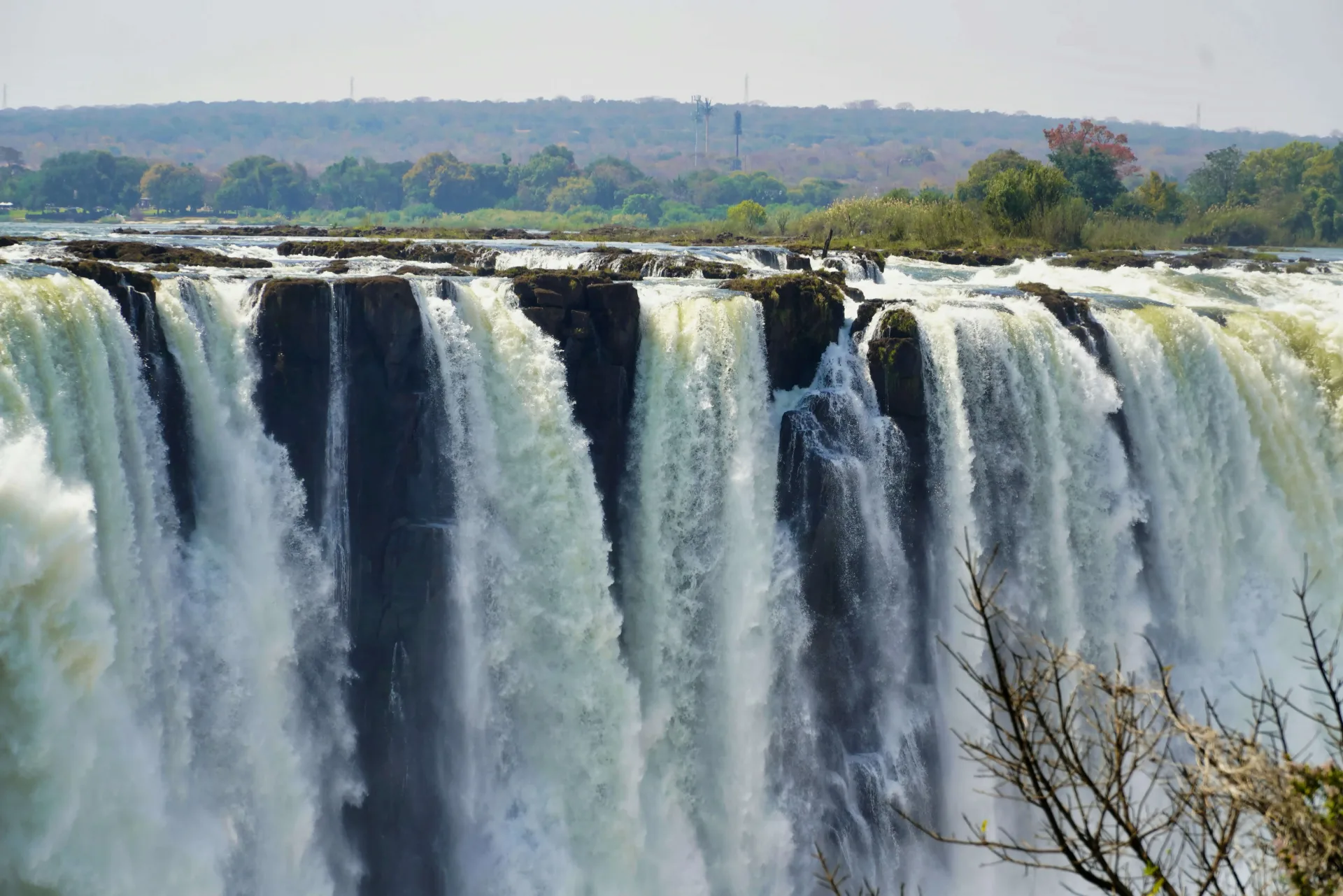
Highlights of Zimbabwe: Victoria Falls & Hwange
Highlights of Zimbabwe: Victoria Falls & Hwange
Zimbabwe
 Adventure
Customizable
Adventure
Customizable
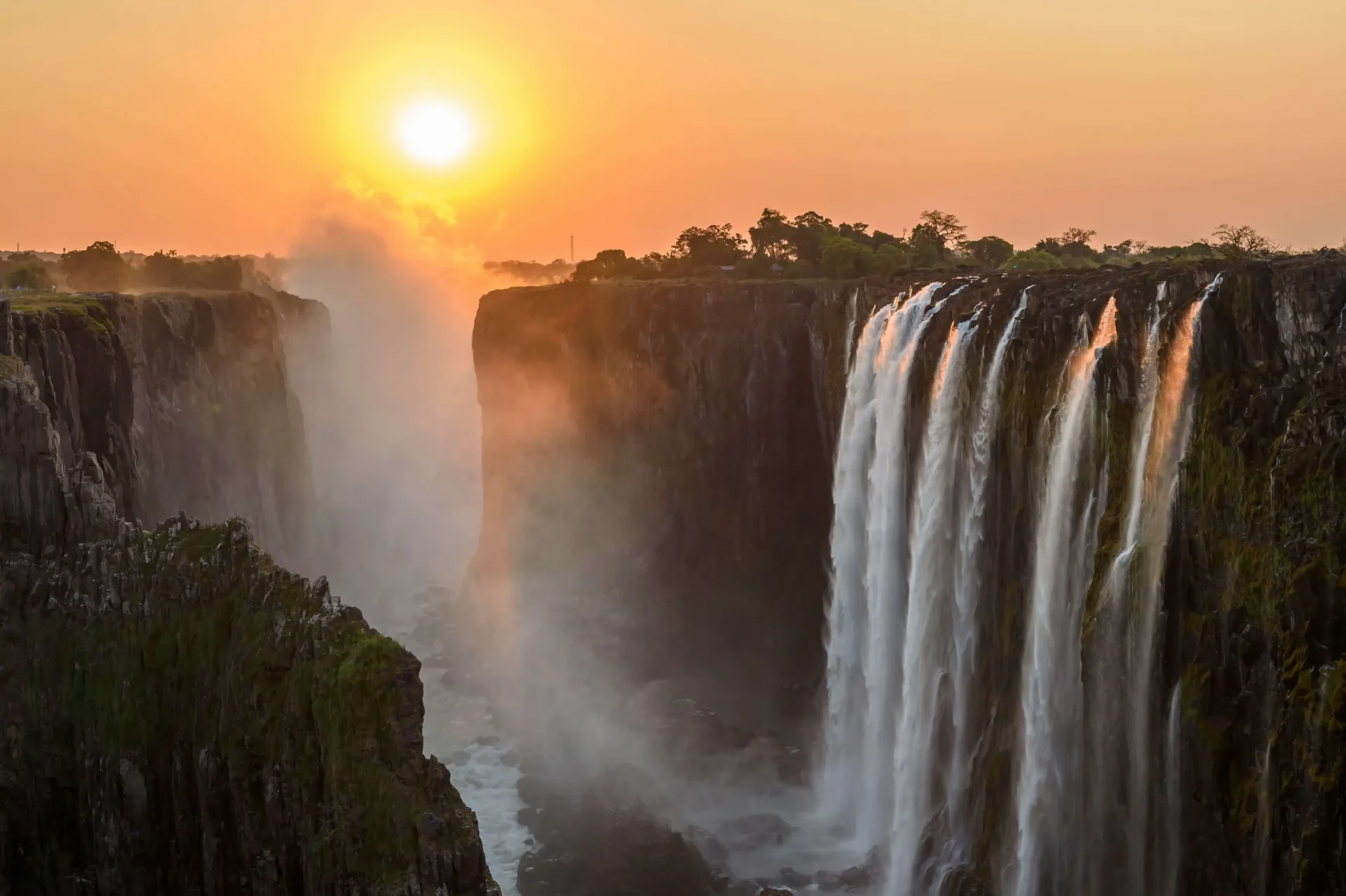
Victoria Falls Adventure: The Smoke that Thunders
Victoria Falls Adventure: The Smoke that Thunders
Zimbabwe
 Adventure
Customizable
Adventure
Customizable
Hwange & Mana Pools: A Great Zimbabwe Safari
Hwange & Mana Pools: A Great Zimbabwe Safari
Zimbabwe