9 Days • 8 Nights
Sahara & Atlas Adventure: Toubkal, Gorges & Golden Dunes
Tour Includes
About the Trip
Trip Highlights
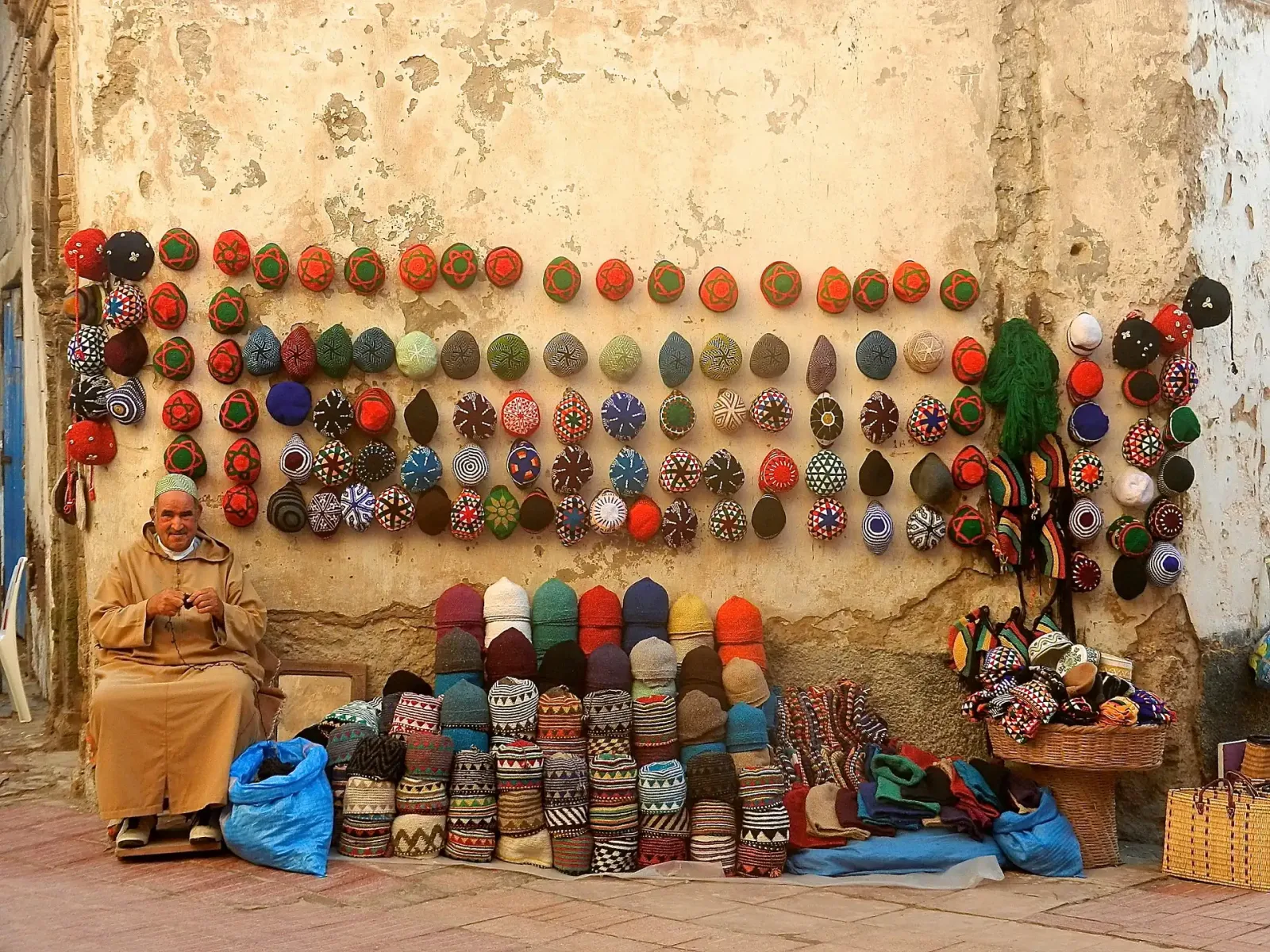
- Trekking the High Atlas around Imlil and Jebel Toubkal, through Berber villages and terraced valleys, is an exhilarating highlight of this journey. The High Atlas above Imlil is the great walking country of Morocco, a world of soaring peaks, deep green valleys, rushing streams and traditional Berber villages of flat-roofed earthen houses clinging to the slopes. You trek along ancient mule paths between villages, through walnut and cherry groves and terraced fields of barley, with the mighty snow-streaked bulk of Jebel Toubkal, North Africa's highest peak at 4,167 metres, rising ahead. You pause for mint tea with Berber families.
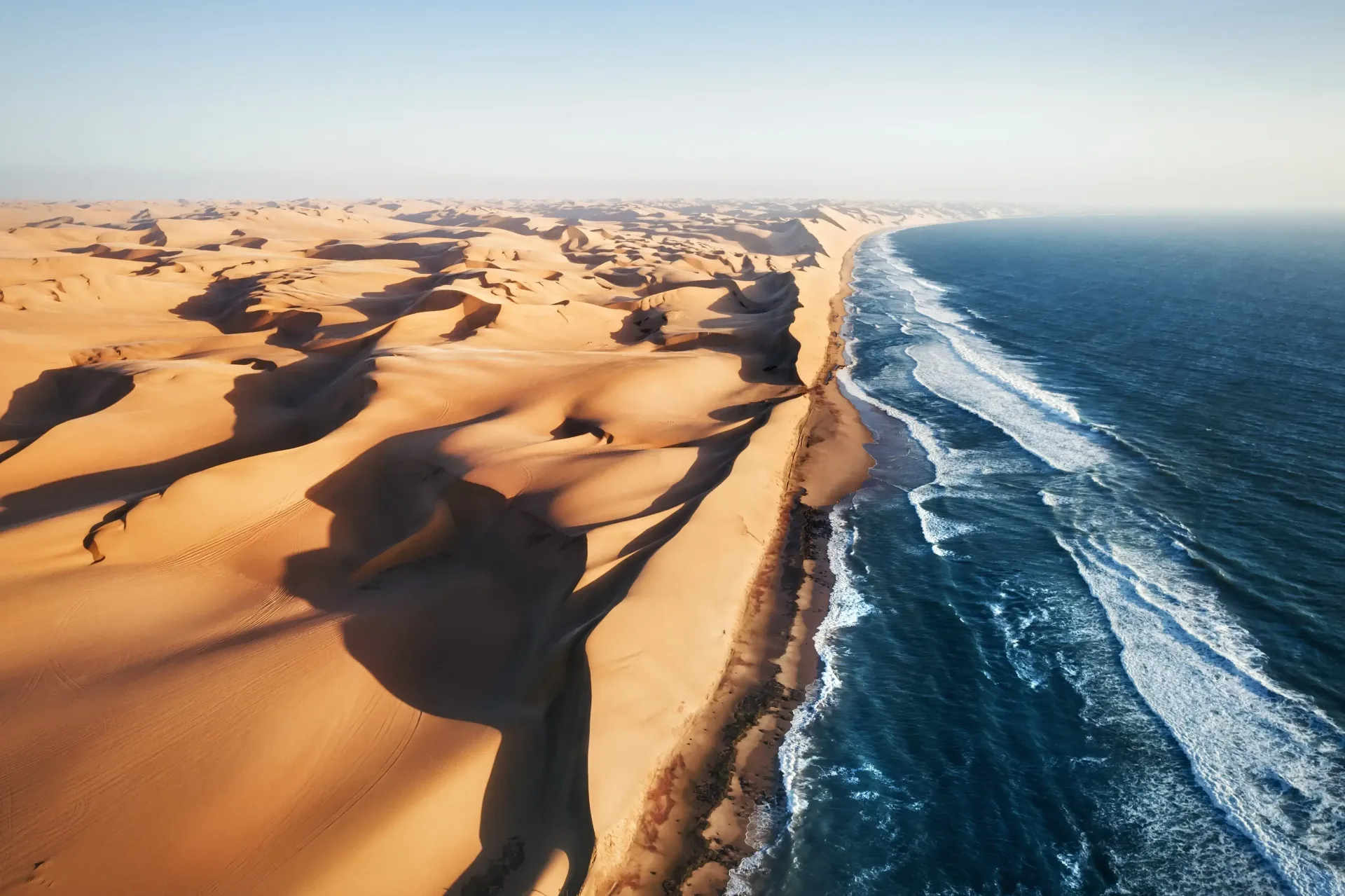
- A camel trek over the golden dunes of Erg Chebbi and a night at a Sahara desert camp under the stars is a magical highlight of this journey. The dunes of Erg Chebbi near Merzouga are the Sahara of the imagination, a vast sea of towering golden and apricot sand. In late afternoon you mount a camel and ride in a caravan into the dunes, the sand glowing amber as the sun sinks, then climb a high crest to watch a spectacular sunset. You spend the night at a comfortable desert camp among the dunes, dining on tagine beneath countless stars.
- Hiking the towering Todra Gorge and the dramatic red-rock canyons is a wild highlight of this adventure. The Todra Gorge is one of the most spectacular canyons in Morocco, a sheer cleft three hundred metres deep and in places just ten metres wide, where immense pink cliffs rise sheer on either side of a cool green river and palm oasis. You walk beside the river beneath the towering walls, hike up onto the plateau above for breathtaking views over the palmery and mountains, and watch rock climbers on the famous faces. The scale, colour and drama of the gorge are extraordinary.
- The mighty kasbah of Ait Ben Haddou and the spectacular High Atlas crossing are a dramatic highlight of this journey. Crossing the High Atlas by the Tizi n'Tichka pass, the highest road in Morocco, past Berber villages and terraced valleys, you descend into ochre pre-Saharan country. The great ksar of Ait Ben Haddou is one of the most beautiful earthen citadels in the world, a UNESCO World Heritage Site of towered mud-brick houses rising in tiers above a river, so cinematic it has starred in countless films. You climb its winding lanes to the granary at the summit for sweeping views.
- Vibrant Marrakech, with its souks, palaces and great square, bookends this adventure with colour and energy. Marrakech is one of the most intoxicating cities in the world, a swirl of colour, scent and sound beneath the snow-capped Atlas. You wander the labyrinthine souks piled with carpets, lanterns, leather and spices, visit the exquisite Bahia Palace and the tranquil Majorelle Garden, and plunge into the great square of Jemaa el-Fnaa, a UNESCO-listed spectacle of storytellers, musicians and sizzling food stalls at dusk. After days in the mountains and desert, its energy is exhilarating.
- Above all, this journey combines the mountains and the desert in one exhilarating adventure through the wild heart of Morocco. Over nine active days you trek the High Atlas around Imlil and Toubkal through Berber villages, cross the spectacular Tizi n'Tichka pass to the kasbah of Ait Ben Haddou, hike the towering Todra Gorge, ride camels over the golden dunes of Erg Chebbi and sleep beneath the Sahara stars, and round it off amid the colour of Marrakech. Guided by expert mountain and local guides and warmed by Berber hospitality, the mix of trekking, gorges, desert and culture is exhilarating and the scenery extraordinary.
Day by Day
A detailed day-by-day plan for this 9-day journey.
Your adventure begins as your flight arrives at Marrakech Menara Airport, where you are met and transferred to your riad in the heart of the medina. Marrakech, the Red City, is a swirl of colour, scent and sound beneath the snow-capped Atlas Mountains, and the warmth of the Moroccan welcome is immediate. Spend the rest of the day settling in and relaxing after your journey, perhaps sipping mint tea on a rooftop terrace or taking a first stroll into the souks and towards the great square of Jemaa el-Fnaa. This evening, a welcome dinner introduces you to the delicious flavours of Moroccan cuisine and to the mountain and desert adventure ahead. Rest well, for tomorrow you head into the High Atlas at Imlil, gateway to Jebel Toubkal, to begin trekking through the beautiful Berber highlands of Morocco.
Today you leave the city for the mountains, driving south into the High Atlas to Imlil, the gateway to Jebel Toubkal, North Africa's highest peak. Meeting your local mountain guide, you set off on foot along ancient mule paths, trekking through traditional Berber villages of flat-roofed earthen houses clinging to the slopes, past walnut and cherry groves, terraced fields and rushing streams. You pause for mint tea with a Berber family, learning about mountain life, and take in spectacular viewpoints over the valleys with the snow-streaked bulk of Toubkal rising ahead. The scenery, clear air and warm hospitality are unforgettable. As the day ends, you settle into your comfortable guesthouse in Imlil, high in the mountains. This evening, savour a hearty Berber dinner and the peace of the peaks. Rest well amid the beauty of the High Atlas.
Today you spend a full day trekking in the spectacular High Atlas around Imlil, with your mountain guide. You climb ancient paths through walnut groves and terraced fields to remote Berber villages, cross rushing mountain streams, and ascend to a high viewpoint or refuge with breathtaking panoramas over the valleys and the mighty summit of Toubkal. Keen and fit walkers can arrange, as an option, to trek higher towards the Toubkal refuge for a summit attempt over an extra day; for most, this glorious day of mountain walking amid soaring peaks and traditional villages is the heart of the experience. You pause for a picnic or a village lunch and mint tea along the way. As the day ends, you return to your guesthouse in Imlil, pleasantly tired. This evening, savour the mountain quiet and starry sky. Rest well in the High Atlas.
Today you leave the mountains and cross to the pre-Saharan south. You descend from Imlil and drive up the spectacular Tizi n'Tichka pass, the highest road in Morocco, winding in dizzying hairpins past Berber villages, terraced fields and dramatic peaks, then descend into ochre valleys. You reach the mighty kasbah of Ait Ben Haddou, a UNESCO World Heritage Site and one of the most beautiful earthen citadels in the world, its towered mud-brick houses rising in tiers above a river, and climb its winding lanes to the granary at the summit for sweeping views, hearing how it has starred in countless films. As the day ends, you settle into your hotel near Ait Ben Haddou, gazing at the floodlit kasbah across the valley. This evening, savour the quiet of the south after the mountains. Rest well amid dramatic desert scenery.
This morning you visit Ouarzazate, the gateway to the desert, taking in the imposing Taourirt Kasbah and, if you wish, the famous Atlas film studios. You then set off along the Road of a Thousand Kasbahs, past palm oases and crumbling red fortresses, to the spectacular Todra Gorge. Here you hike beside the cool green river beneath immense pink cliffs three hundred metres high, and climb onto the plateau above for breathtaking views over the palmery and mountains, perhaps watching rock climbers on the famous faces. The scale, colour and drama of the gorge are extraordinary. As the day ends, you settle into your hotel in the Todra area, amid palms and red rock. This evening, savour a tagine dinner and the profound quiet of the canyon. Rest well amid the wild beauty of the gorges, ready for the desert tomorrow.
Today you journey to the great dunes of the Sahara. You drive east across increasingly desert country to Merzouga, on the edge of the golden dunes of Erg Chebbi. In the late afternoon you mount a camel and ride in a caravan into the dunes, the sand glowing amber as the sun sinks, and climb a high crest to watch a spectacular Sahara sunset, with a chance to try sandboarding on the slopes. As night falls you reach your desert camp among the dunes, dining on tagine beneath a canopy of countless stars, with Berber drumming and music around the fire. You can walk out into the dunes to marvel at the silence and the Milky Way overhead. As the day ends, you settle into the magical desert camp. Rest well beneath the stars of the Sahara, the great dunes all around.
This morning you wake early to watch a breathtaking sunrise spill over the dunes of Erg Chebbi, the sand shifting through pink, gold and amber, before riding your camel back out of the desert for breakfast. You then set off on the long, scenic drive back towards Marrakech, retracing the kasbah trail through Ouarzazate and climbing once more over the Tizi n'Tichka pass, the ever-changing landscapes of palm valleys, red mountains and Berber villages unfolding around you. As the day ends, you arrive back in vibrant Marrakech and settle into your riad. This evening, relax on a rooftop terrace with mint tea, reflecting on the mountains and desert you have crossed. Rest well, for tomorrow you enjoy the colour and energy of the Red City after the wild landscapes of the adventure.
Today you explore vibrant Marrakech with your local guide, a colourful contrast to the mountains and desert. You visit the exquisite Bahia Palace, a masterpiece of carved cedar and painted ceilings, and the tranquil blue Majorelle Garden, once owned by Yves Saint Laurent. You lose yourself in the labyrinthine souks, a treasure house of carpets, lanterns, leather, brass and spices, and learn the art of the friendly haggle over mint tea. As dusk falls you plunge into the great square of Jemaa el-Fnaa, a UNESCO-listed spectacle of storytellers, musicians, snake charmers and sizzling food stalls. You might also relax in a traditional hammam to soothe muscles after the trek. As the day ends, you return to your riad, dazzled by the Red City. This evening, enjoy a final Moroccan feast. Rest well ahead of your departure tomorrow.
After a final morning in vibrant Marrakech, perhaps a last stroll through the souks or a final glass of mint tea on your riad terrace, you are transferred to Marrakech Menara Airport for your onward international departure. You leave having felt the wild heart of Morocco underfoot, trekking the High Atlas around Toubkal through Berber villages, crossing the spectacular Tizi n'Tichka pass to the kasbah of Ait Ben Haddou, hiking the towering Todra Gorge, and riding camels over the golden dunes of Erg Chebbi to sleep beneath the Sahara stars. The images stay vivid long after you land, the terraced villages beneath snow-streaked peaks, the pink walls of Todra, the camels on the golden dunes and the countless desert stars. Morocco offers adventure, beauty, culture and warmth in abundance, and you depart already dreaming of a return to its mountains and desert.
Where You Will Travel
What's inside the package?
Inclusions
- 8 nights accommodation
- Daily breakfast, a welcome dinner, mountain half-board at Imlil and dinner at the desert camp
- Airport and land transfers in comfortable air-conditioned vehicles
- Touring and sightseeing as per itinerary with expert local guides
- Entrance fees to medinas, kasbahs, palaces, gardens and sites as per itinerary
- private touring with an expert driver-guide, a High Atlas trek with a local mountain guide around Imlil and Toubkal, a Tizi n'Tichka crossing, an Ait Ben Haddou and Ouarzazate visit, a Todra Gorge hike, a camel trek and overnight desert camp at Erg Chebbi with sandboarding, a Marrakech city tour, and all entrance fees
Exclusions
- International airfare
- Visa or tourist card fees where applicable
- Travel insurance (strongly recommended)
- Some lunches and dinners not specified
- Optional Toubkal summit ascent with mountain guide, and tips for guides and drivers
- Meals not mentioned in the itinerary or inclusions
- Drinks unless specifically stated
- Optional excursions and experiences
- Personal expenses and gratuities
- Anything not specifically mentioned under Package Inclusions
Know when to go.
- Visa & entry: Many nationalities (including the UK, EU, US, Canada, Australia and many others) can enter Morocco visa-free for stays of up to 90 days; a passport valid for at least six months beyond your travel dates is required. Requirements can change, so we confirm the exact process for your nationality and advise on any eVisa or authorisation needed before you travel
- Currency: The currency is the Moroccan Dirham (MAD), a closed currency best obtained on arrival at airport ATMs and bureaux de change; cards are accepted in hotels, riads, larger restaurants and shops in cities, but carry cash for souks, taxis, tips, rural areas and small cafes. ATMs are widely available in cities and towns
- Best time to visit: Spring (March to May) and autumn (September to November) are ideal across most of Morocco, with warm, pleasant days perfect for the imperial cities, mountains, coast and desert. Summer is very hot inland (Marrakech, Fes and the desert) but pleasant on the Atlantic coast, while winter is mild by day and cold at night, with snow in the High Atlas
- Language & etiquette: Arabic and Berber (Amazigh) are the official languages, French is widely spoken, and English is common in tourism. Morocco is a warm, welcoming Muslim country; modest dress is appreciated (cover shoulders and knees, especially in medinas and rural areas), and it is polite to ask before photographing people. Bargaining in the souks is expected and part of the fun
- Getting around: Touring is by comfortable private air-conditioned vehicle with your driver-guide, with some long but scenic drives across mountains, deserts and plains; medinas are explored on foot with a local guide, as their labyrinthine lanes are car-free. The desert is reached by 4x4 with camel treks into the dunes, and comfortable to luxurious desert camps for overnight stays
- Health & safety: Morocco is a safe, stable and welcoming country for visitors, and travel here is smooth and rewarding; we monitor conditions and follow official advice. Drink bottled or filtered water, eat at busy, reputable places, and use sunscreen, a hat and layers for cool desert and mountain nights. No special vaccinations are usually required, but we advise checking with your doctor
- Culture, cuisine & crafts: Moroccan culture is rich and vibrant, from the call to prayer and bustling souks to mint tea poured with ceremony. The cuisine is superb, tagines, couscous, harira soup, pastilla, grilled meats and honeyed pastries, and the crafts are world famous, carpets, leather, brass, ceramics, lanterns and argan oil. During Ramadan, eating and drinking in public during daylight are avoided out of respect
- Power & practicalities: Power is 220V with European-style type C and E round two-pin plugs, so bring an adapter. Fridays are the main prayer day, when some shops close around midday. Tipping is customary and appreciated for guides, drivers and in restaurants. Haggling, mint tea and unhurried hospitality are part of the rhythm of Morocco, so relax and enjoy the warmth of the welcome
Frequently Asked Questions
How fit do I need to be for the trekking?
You need a reasonable level of fitness and to enjoy walking, but the standard trekking days around Imlil are moderate day-walks on mule paths, tailored to the group, with no technical skill required. You carry only a day-pack, and mules or vehicles handle the rest. A full ascent of Jebel Toubkal is a serious high-altitude climb that we can arrange as an optional extension with extra days and a mountain refuge night; the main itinerary keeps to spectacular but achievable valley and ridge walking suitable for most active travellers.
What should I pack for the mountains and desert?
Layers are key, as the High Atlas can be cold, especially at night and in winter when there is snow, while the desert is hot by day and cool at night. Bring sturdy walking shoes or boots, a warm fleece or jacket, a windproof layer, a sun hat, sunglasses, high-factor sunscreen and a scarf for the desert sand and sun. A head-torch is useful at the desert camp. We provide a detailed packing list on booking and can advise for the season you travel in.
What meals are included?
Daily breakfast is included, along with any meals named in the itinerary (typically a welcome dinner, dinners at desert camps and some half-board stays in remote areas). Moroccan cuisine is one of the world's finest, from slow-cooked tagines and fluffy couscous to harira soup, pastilla, grilled brochettes, fresh bread and honeyed pastries, all rounded off with sweet mint tea. We usually leave other meals free for you to explore, recommending the best local restaurants at every stage of your journey.
Are the tours private or in a group?
Your journey is private by default, with your own expert driver-guide and comfortable air-conditioned vehicle, plus knowledgeable local guides in each city's medina, giving you flexibility, depth and a pace tailored to you; small-group options can be arranged if you prefer. Morocco's guides bring the souks, palaces, kasbahs, deserts and rich culture vividly to life, greatly enriching every visit, and a good guide is invaluable in the labyrinthine medinas of Marrakech and Fes.
Do I need a visa for Morocco?
Many nationalities, including the UK, EU, US, Canada and Australia, can enter Morocco visa-free for stays of up to 90 days, needing only a passport valid for at least six months. We confirm the exact, current requirements for your nationality, advise on the best option, and help with any authorisation needed, so your entry is smooth. Requirements can change, so we always verify the latest rules before you travel.
Is Morocco safe to visit?
Morocco is a safe, stable and welcoming country for visitors, renowned for its warmth and hospitality, and travel here is smooth and rewarding. We continuously monitor conditions, use trusted local guides and drivers, and follow official guidance at all times. As anywhere, keep an eye on your belongings in busy souks and use registered guides to avoid touts; with these simple precautions, Morocco is a wonderfully rewarding and hospitable destination to explore.
When is the best time to visit?
Spring (March to May) and autumn (September to November) are ideal across most of Morocco, with warm, pleasant days perfect for the imperial cities, mountains, coast and desert. Summer is very hot inland but pleasant on the Atlantic coast at Essaouira, while winter is mild by day, cold at night, and snowy in the High Atlas. We advise on the best timing for your interests and the regions you wish to see.
Can the itinerary be customised?
Absolutely. We can adjust the balance of imperial cities, mountains, desert, coast and blue Chefchaouen, add nights in a luxury riad or a desert camp under the stars, include Volubilis and the Roman ruins, extend your time by the sea in Essaouira, and tailor the pace, comfort and focus to you. Every itinerary is a flexible starting point for your ideal journey through the beautiful and varied landscapes of Morocco.
More Adventure Journeys
 Adventure
Customizable
Adventure
Customizable
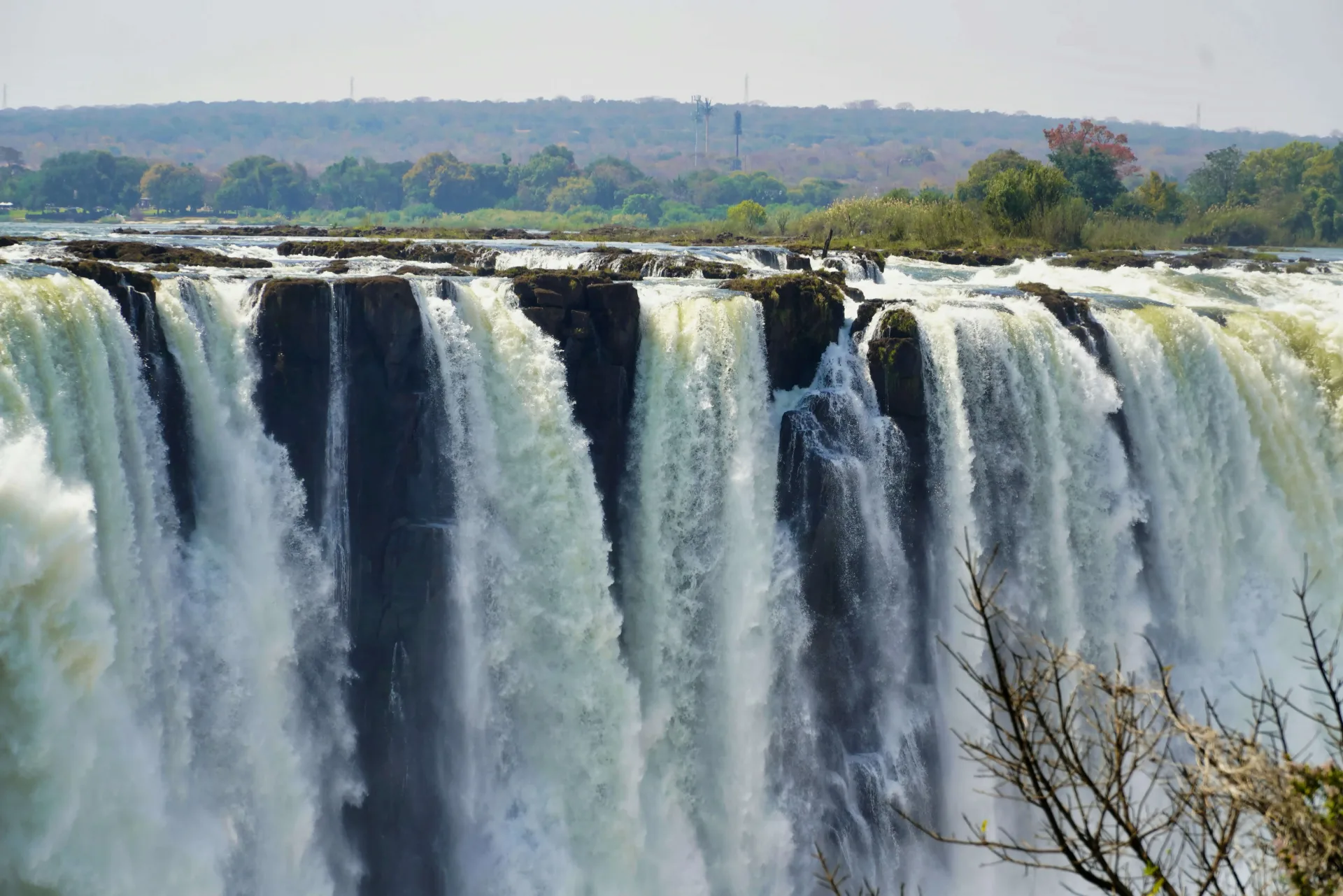
Highlights of Zimbabwe: Victoria Falls & Hwange
Highlights of Zimbabwe: Victoria Falls & Hwange
Zimbabwe
 Adventure
Customizable
Adventure
Customizable
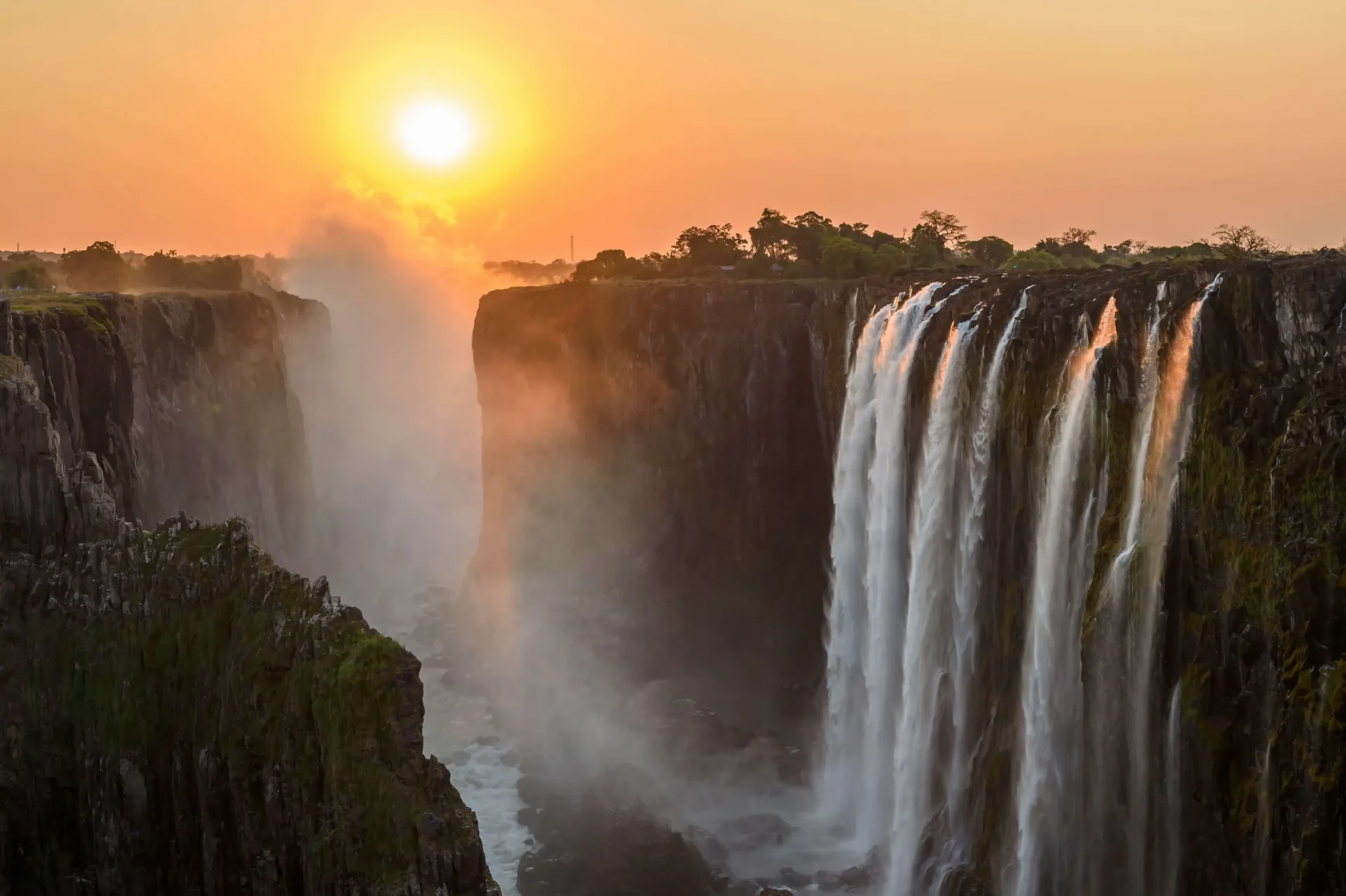
Victoria Falls Adventure: The Smoke that Thunders
Victoria Falls Adventure: The Smoke that Thunders
Zimbabwe
 Adventure
Customizable
Adventure
Customizable
Hwange & Mana Pools: A Great Zimbabwe Safari
Hwange & Mana Pools: A Great Zimbabwe Safari
Zimbabwe