
8 Days • 7 Nights
Simien Mountains Trekking: The Roof of Africa
Tour Includes
About the Trip
Trip Highlights
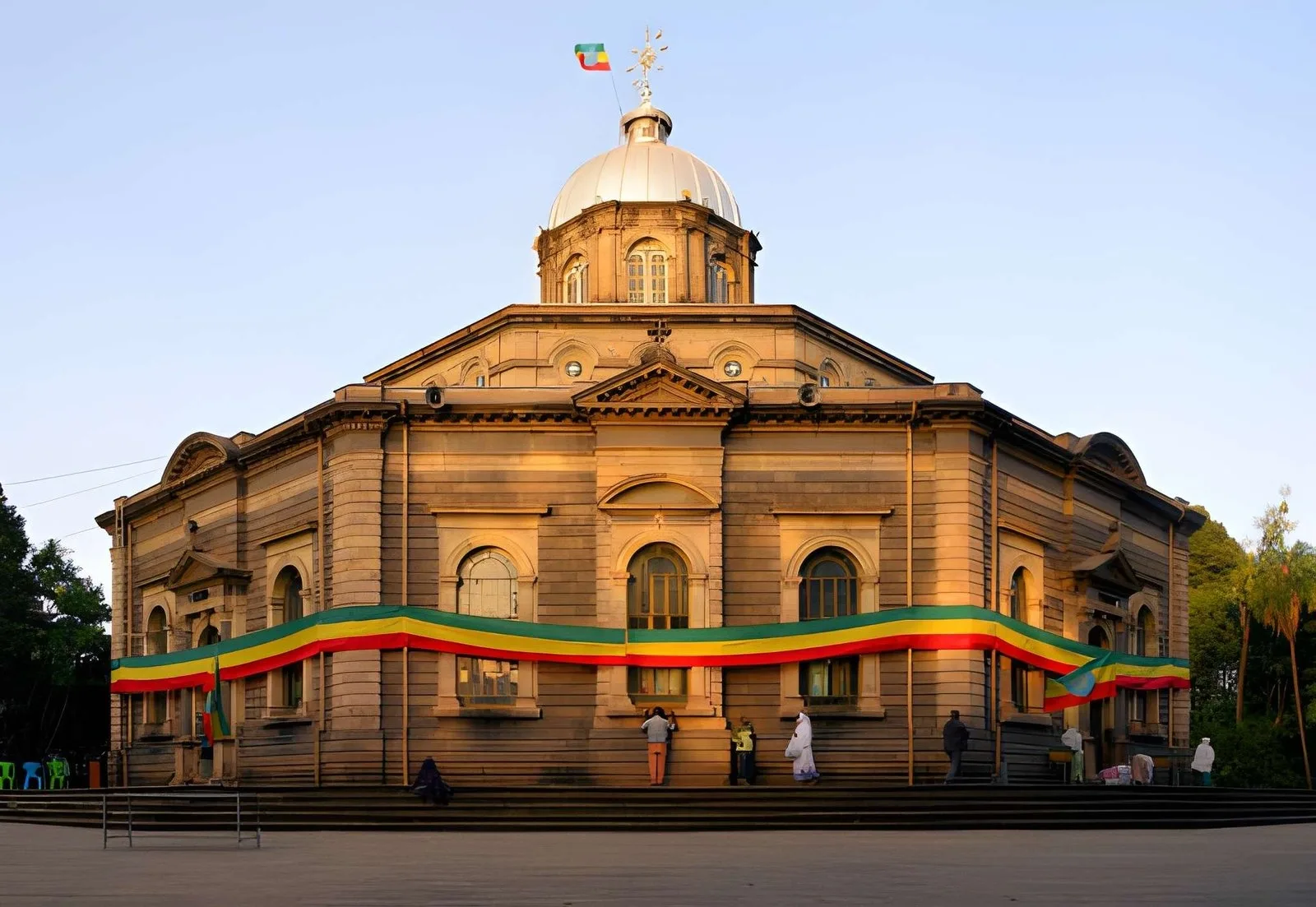
- The breathtaking escarpments and viewpoints of the Simien Mountains are the heart of this trek and among the most spectacular sights in Africa. Formed by millions of years of erosion of a vast volcanic plateau, the Simiens are a world of dramatic pinnacles, isolated buttes and sheer cliffs that fall away for a thousand metres or more to the lowlands below. Day after day you walk along the very edge of this great escarpment, and at famous viewpoints such as Imet Gogo and Inatye the land drops away on three sides in a jaw-dropping panorama of jagged peaks, plunging valleys and cloud drifting far beneath your feet.
- The gelada baboons of the Simien Mountains are a magical wildlife highlight found nowhere else on Earth. These remarkable primates, sometimes called bleeding-heart baboons for the vivid hourglass of red skin on their chests, live only in the Ethiopian highlands and gather here in troops that can number in the hundreds. Unusually for primates they are grass-grazers, spending their days shuffling across the alpine meadows plucking blades of grass, and they are wonderfully tolerant of quiet walkers. You can sit close as they feed, groom, play and squabble around you, the dominant males with their flowing golden manes keeping watch, offering intimate encounters and superb photography.
- Trekking day by day through the high Simien, camping or staying in mountain lodges, is an exhilarating highlight and a true wilderness adventure. Each day you set out on foot along the escarpment and across the rolling afro-alpine moorland, accompanied by your guide, a local scout and a support crew who carry the gear and prepare hearty meals, so you walk with only a daypack. You climb through zones of giant lobelia and heather, cross clear mountain streams, pass villages of thatched tukul huts and terraced barley fields, and settle each night at scenic camps or simple lodges high in the range, dining under skies ablaze with stars.
- The rare wildlife of the Simien Mountains beyond the geladas adds a thrilling dimension to this trek. This is one of the last strongholds of the walia ibex, a magnificent wild goat with great curved horns found only in these mountains, which you watch for on the steepest crags and around Chennek, where it is most often seen. Overhead soars the lammergeier, or bearded vulture, one of the world's most spectacular raptors, riding the updrafts along the cliffs. You may also glimpse the elusive Ethiopian wolf on the high moorland, klipspringer antelope among the rocks, and a rich array of highland birds.
- The mighty summit region around Ras Dashen and the high peaks crowns this trek with a sense of grand achievement. Ras Dashen, rising to 4,550 metres, is the highest mountain in Ethiopia and the fourth highest in Africa, and the deeper reaches of the Simien range unfold in a magnificent panorama of summits, ridges and valleys. Whether you gaze toward Ras Dashen from a high viewpoint or, on extended options, set out to climb toward it, the high country delivers a powerful feeling of remoteness and grandeur, the thin, clean air and vast horizons rewarding every step.
- The imperial castles of Gondar bookend this mountain adventure with rich culture and history. Before and after your trek you spend time in Gondar, Ethiopia's romantic seventeenth-century capital, often called the Camelot of Africa. At its heart lies the Fasil Ghebbi, a walled royal compound and UNESCO World Heritage Site enclosing a remarkable cluster of stone castles, palaces and towers built by Emperor Fasilides and his successors, blending Ethiopian and foreign influences into something unique. You wander the battlements and banqueting halls, visit Fasilides Bath and admire the angel-painted ceiling of Debre Berhan Selassie church.
Day by Day
A detailed day-by-day plan for this 8-day journey.
Your Simien Mountains adventure begins as your flight lands in Addis Ababa, Ethiopia's high-altitude capital, where the elevation of around 2,355 metres already begins the useful process of acclimatisation. You are met and transferred to your hotel to rest after your journey. If time allows, your guide may give you a first taste of the capital, perhaps the National Museum to meet Lucy, the famous fossil ancestor, before a welcome dinner introducing Ethiopia's richly spiced cuisine and coffee culture. This evening your trekking guide briefs you on the days ahead, checks your gear and answers questions about the mountains, altitude and daily walking. An early night helps you adjust to the thinner air. Rest well in Addis Ababa, ready to fly north tomorrow to Gondar and the gateway to the spectacular Simien Mountains.
This morning you fly north to Gondar, the romantic seventeenth-century imperial capital set among the highlands, the gateway to the Simien Mountains. On arrival you explore its extraordinary heritage, centred on the Fasil Ghebbi, a walled royal compound and UNESCO World Heritage Site enclosing a cluster of stone castles, palaces and towers built by Emperor Fasilides and his successors, often called the Camelot of Africa. You wander the soaring battlements and banqueting halls, visit the tree-fringed Fasilides Bath, and admire the famous angel-painted ceiling of Debre Berhan Selassie church. This immersion in imperial grandeur and living Orthodox culture is a wonderful prelude to the wilderness ahead. You settle into your hotel and make final preparations for the trek. Rest well in Gondar, ready to head into the mountains tomorrow.
This morning you drive north from Gondar to Debark, the highland town at the edge of Simien Mountains National Park, where you complete park formalities and are joined by your armed scout, a requirement that also supports the local community. From here you begin your trek, climbing gradually onto the great plateau through fields, heather and giant lobelia, with the escarpment revealing itself in ever more dramatic views. Before long you are likely to meet your first troop of gelada baboons grazing peacefully on the grasslands, allowing wonderfully close and unhurried encounters. You reach your first camp or mountain lodge in the late afternoon, perched near the escarpment edge with sweeping views, where your crew has prepared a hearty meal. As the stars emerge in the crisp air, rest well on your first night high in the Simien Mountains.
Today you trek deeper into the range, following the dramatic escarpment edge with the land plunging away for a thousand metres to your side. The walking crosses rolling afro-alpine moorland dotted with giant lobelia, clear streams and the occasional village of thatched tukul huts and terraced barley. You pass close to more troops of gelada baboons and watch for lammergeier vultures riding the updrafts along the cliffs. Reaching viewpoints along the way, you gaze out over an immense panorama of jagged peaks, buttes and valleys. A highlight is the chance to see the Jinbar waterfall plunging over the cliff into the gorge far below. You arrive at your camp or lodge near Geech in the afternoon, high on the plateau. As the temperature drops and the sky fills with stars, enjoy dinner and rest well amid the mountains.
Today delivers some of the most spectacular scenery of the entire trek. You set out across the moorland to the celebrated viewpoint of Imet Gogo, a rocky promontory jutting out into the void where the escarpment falls away on three sides in a breathtaking sweep of cliffs, pinnacles and plunging valleys, often with cloud swirling far below your feet. Nearby viewpoints such as Inatye offer equally staggering panoramas. The walking is exhilarating and the photography superb, with the endemic wildlife of the range, geladas, soaring raptors and highland birds, all around you. Your guide points out distant peaks, including the mighty summits toward Ras Dashen, the Roof of Africa. After a picnic lunch amid the grandeur, you return to your camp or lodge in the afternoon. Rest well under the brilliant highland stars, tired and elated by an unforgettable mountain day.
Today you trek across the high plateau toward Chennek, one of the most beautiful and wildlife-rich areas of the Simien, set beneath towering crags. The route continues along the escarpment with ever-changing views, climbing through zones of giant lobelia and afro-alpine vegetation to high, remote country. Around Chennek you have the best chance of spotting the magnificent walia ibex, the great curved-horned wild goat found only in these mountains, watching for it on the steep cliffs and rocky slopes, and you may also glimpse the elusive Ethiopian wolf hunting rodents on the moorland. More gelada troops and soaring lammergeiers add to the wildlife spectacle. You reach the camp or lodge at Chennek, the highest point of your stay, surrounded by dramatic peaks. As night falls in the thin, cold air, wrap up warm, enjoy dinner and rest well in the high Simien.
This morning you take a final walk to soak up the grandeur of the high Simien, perhaps to a last viewpoint gazing toward Ras Dashen and the deeper peaks, watching for wildlife and enjoying the vast, clean silence of the mountains one more time. You then descend from the plateau to meet your vehicle and bid farewell to your dedicated trekking crew and scout. The scenic drive brings you back down through Debark and the highland farmland to Gondar, where a hot shower, a comfortable bed and a celebratory dinner await. Over the meal you can reflect on the escarpments, geladas, viewpoints and star-filled nights of your Simien adventure. You settle back into your hotel in the imperial city. Rest well in Gondar, proud of the wild and beautiful mountains you have trekked through over the past days.
After a relaxed final breakfast in Gondar and perhaps a last look at the castles or some souvenir shopping, you transfer to the airport for your flight back to Addis Ababa, where you connect with your onward international departure, or extend your journey to Lalibela, Axum or the Omo Valley. You leave having trekked through one of the great mountain landscapes of Africa, the soaring escarpments and viewpoints of the Simien, having sat among troops of unique gelada baboons, watched for walia ibex and lammergeiers, gazed toward Ras Dashen, and slept under brilliant highland skies, all framed by the imperial grandeur of Gondar. The images of cliffs plunging into cloud and of geladas grazing on the roof of Africa stay with you long after you fly home. Depart already dreaming of a return to the mountains of Ethiopia.
Where You Will Travel
What's inside the package?
Inclusions
- 7 nights accommodation, most meals on trek and some dinners in town
- Daily breakfast
- Domestic flights on the historic route and airport and land transfers
- Touring and sightseeing as per itinerary with expert local guides
- Entrance fees to churches, castles, museums and parks as per itinerary
- private touring and trekking with expert mountain guides, a local scout and support crew, return domestic flights between Addis Ababa and Gondar, national park fees and camping or mountain lodge stays in the Simien, a Gondar castles tour and an Addis Ababa city tour, and all entrance fees
Exclusions
- International airfare
- Visa or tourist card fees where applicable
- Travel insurance (strongly recommended)
- Personal trekking equipment and sleeping bag hire
- Tips for the trekking crew, guides and drivers
- Meals not mentioned in the itinerary or inclusions
- Drinks unless specifically stated
- Optional excursions and experiences
- Personal expenses and gratuities
- Anything not specifically mentioned under Package Inclusions
Know when to go.
- Visa & entry: Most nationalities need a visa for Ethiopia, obtained conveniently as an eVisa online before travel, with a passport valid for at least six months and blank pages. A yellow fever vaccination certificate is often requested on arrival. Requirements can change, so we confirm the exact process for your nationality and help arrange the eVisa in advance so your entry is smooth
- Currency & money: The currency is the Ethiopian Birr (ETB), and Ethiopia remains largely a cash economy; carry sufficient Birr for markets, tips, small cafes, churches and rural areas, as card acceptance is limited outside major Addis Ababa hotels. ATMs are found in Addis Ababa and larger towns but can be unreliable, so we advise carrying US dollars in cash to change and enough Birr for each region
- Best time to visit: October to March is the prime dry season across the highlands, with clear, sunny days ideal for Lalibela, Gondar, Axum, the Simien Mountains and the Omo Valley, and cooler nights at altitude. The colourful festival of Timkat (Ethiopian Epiphany) in January is spectacular. The main rains fall June to September, greening the land but making some roads and treks harder, while the low Danakil Depression is best visited in the cooler months
- Language & etiquette: Amharic is the official language, written in the unique Geez script, and English is widely spoken in tourism and towns. Ethiopia is deeply rooted in ancient Orthodox Christianity; at churches and monasteries dress modestly (cover shoulders and knees), remove your shoes before entering, and always ask before photographing people, priests or ceremonies. In the Omo Valley a small fee is customary for portraits, which your guide arranges respectfully
- Getting around: The classic historic route (Bahir Dar, Gondar, Axum, Lalibela) is linked by short domestic flights on Ethiopian Airlines, which we include to save long drives, while the Simien Mountains, Danakil Depression, Omo Valley and Bale Mountains are reached by 4x4 with expert drivers. Roads can be rough and journeys long but hugely scenic; we build in realistic timings and comfortable vehicles throughout
- Health & safety: Addis Ababa sits at around 2,355m and the highlands are higher still, so allow time to acclimatise and take it easy on arrival; the Simien and Bale mountains reach well over 3,000m. The Danakil Depression is one of the hottest places on Earth, so heat precautions matter, while malaria prophylaxis is advised for lowland areas such as the Omo and Danakil. We monitor regional travel advisories and plan routes accordingly
- Culture & calendar: Ethiopia follows its own unique calendar of thirteen months (twelve of thirty days plus a short thirteenth), running roughly seven to eight years behind the Gregorian calendar, and even tells time on a twelve-hour clock starting at dawn. This proud, ancient culture, never colonised, is expressed in rock-hewn churches, castles, the Geez liturgy, the famous coffee ceremony and richly spiced cuisine eaten with injera flatbread
- Power & plugs: Electricity is 220V and sockets are typically European-style types C, E, F and L (round two-pin), so bring a suitable adapter and, ideally, a power bank, as power cuts can occur, especially in remote areas and on treks. Mobile coverage is good in cities and patchy in the mountains, Danakil and Omo; we recommend downloading maps and key documents offline before heading into remote regions
Frequently Asked Questions
How fit do I need to be for the Simien trek?
You need a good level of general fitness and to be comfortable walking for several hours a day, often at altitudes between 3,000 and 3,900 metres where the air is thin, over uneven mountain terrain with ascents and descents. No technical climbing skills are required, and a support crew carries all the heavy gear so you walk with only a daypack. We set a steady, manageable pace with plenty of stops for wildlife and views, and the daily distances can be adjusted. Broken-in walking boots, warm layers and taking the altitude slowly are the keys to enjoying it.
What are the accommodation and conditions like on the trek?
Nights in the mountains are spent either at scenic campsites, where your crew sets up quality tents and prepares hearty hot meals, or at simple mountain lodges where available, all at high altitude where nights are genuinely cold, often near or below freezing. Facilities are basic and remote, with limited or no electricity and shared or simple washing arrangements, which is part of the wilderness experience. In Gondar and Addis Ababa you stay in comfortable hotels. We provide a detailed packing list, and warm clothing and a good sleeping bag are essential.
What meals are included?
Daily breakfast is included, along with any meals named in the itinerary, which typically means most dinners at lodges and remote camps in the Simien, Danakil, Omo and Bale regions where dining options are limited. Ethiopian cuisine is a delicious highlight, from injera (a tangy sourdough flatbread) served with an array of spiced stews called wat, to fasting (vegan) platters and world-famous coffee prepared in the traditional ceremony. We usually leave city lunches and some dinners free and recommend the best local restaurants at every stage.
Are the tours private or in a group?
Your journey is private by default, with your own expert local guide and vehicle, giving you flexibility, depth and a pace tailored to you; small-group departures can also be arranged, especially for the Danakil Depression and Simien treks where shared logistics are common. Ethiopia's knowledgeable guides bring the rock-hewn churches, castles, stelae, mountains and diverse cultures vividly to life, and are essential for navigating the historic route, remote regions and the customs of the Omo Valley.
Do I need a visa for Ethiopia?
Most nationalities need a visa, obtained conveniently as an eVisa online before you travel, while arrangements vary for a few passports. We confirm the exact, current requirements for your nationality, advise on the best option, and help arrange the eVisa in advance so entry is smooth. A passport valid for at least six months with blank pages is required, and a yellow fever certificate is often requested on arrival.
Is Ethiopia safe to visit?
The classic tourist regions covered in our journeys, including the historic northern circuit, the Simien and Bale mountains, the Danakil Depression and the Omo Valley, are generally welcoming and rewarding to visit with the right local guides and logistics. We continuously monitor official travel advisories, avoid any areas of concern, use trusted local operators, and adjust routes as needed. Ethiopians are famously warm and hospitable, and travel with an experienced guide is smooth and deeply rewarding.
When is the best time to visit?
October to March is the prime dry season across the highlands, with clear, sunny days perfect for the historic route, the Simien Mountains and the Omo Valley, and this is also when the spectacular Timkat festival falls in January. The main rains from June to September green the landscape beautifully but can complicate some roads and treks. The Danakil Depression is best visited in the cooler months. We advise on the ideal timing for your chosen regions and interests.
Can the itinerary be customised?
Absolutely. We can adjust the balance of the historic north, the Simien or Bale mountains, the Danakil Depression and the Omo Valley, add nights in Lalibela for a major festival, extend trekking or wildlife time, upgrade lodges, or combine regions into a grand tour. Every itinerary is a flexible starting point that we tailor to your interests, pace, comfort and budget, crafting your ideal journey through the extraordinary landscapes and ancient cultures of Ethiopia.
More Adventure Journeys
 Adventure
Customizable
Adventure
Customizable
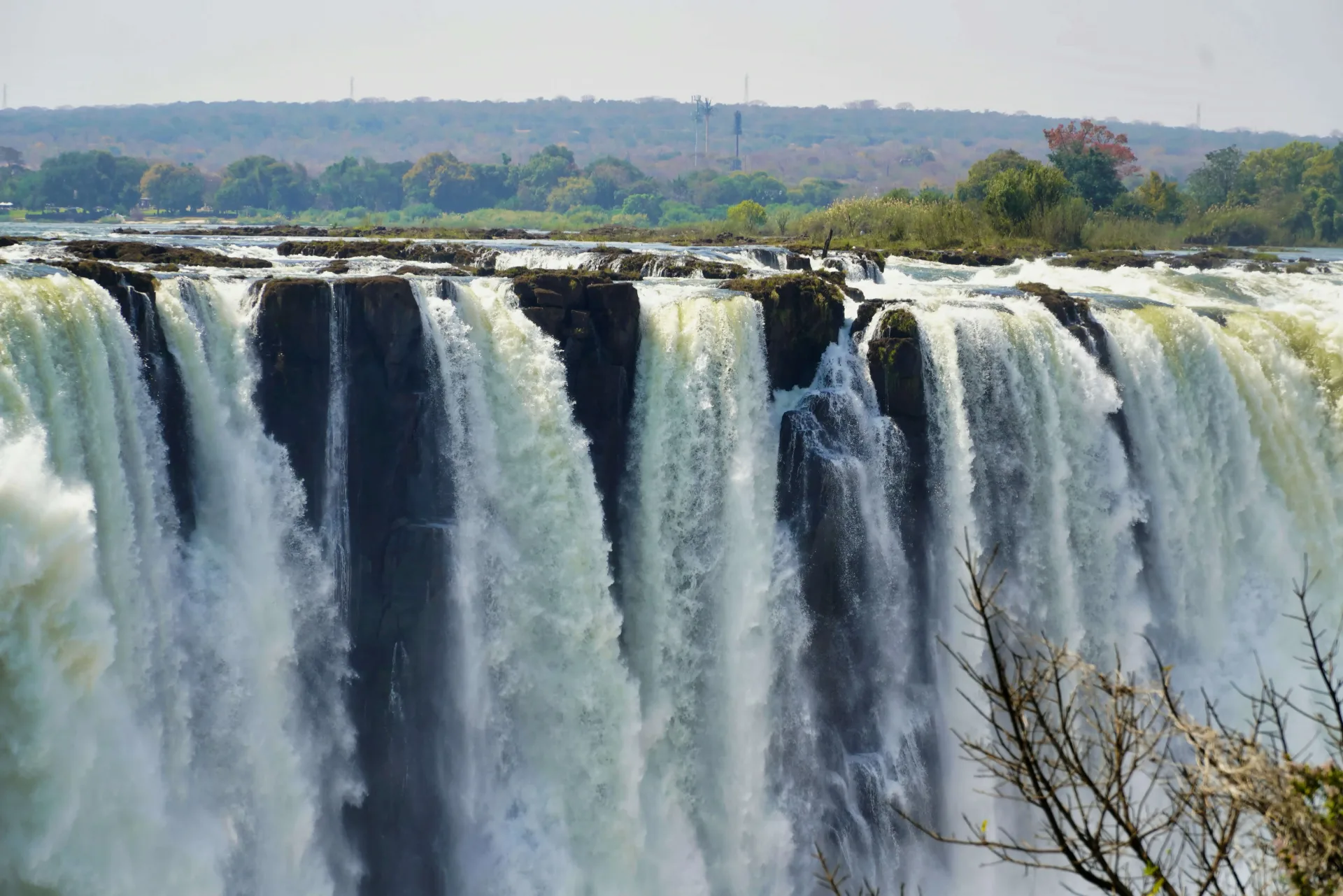
Highlights of Zimbabwe: Victoria Falls & Hwange
Highlights of Zimbabwe: Victoria Falls & Hwange
Zimbabwe
 Adventure
Customizable
Adventure
Customizable
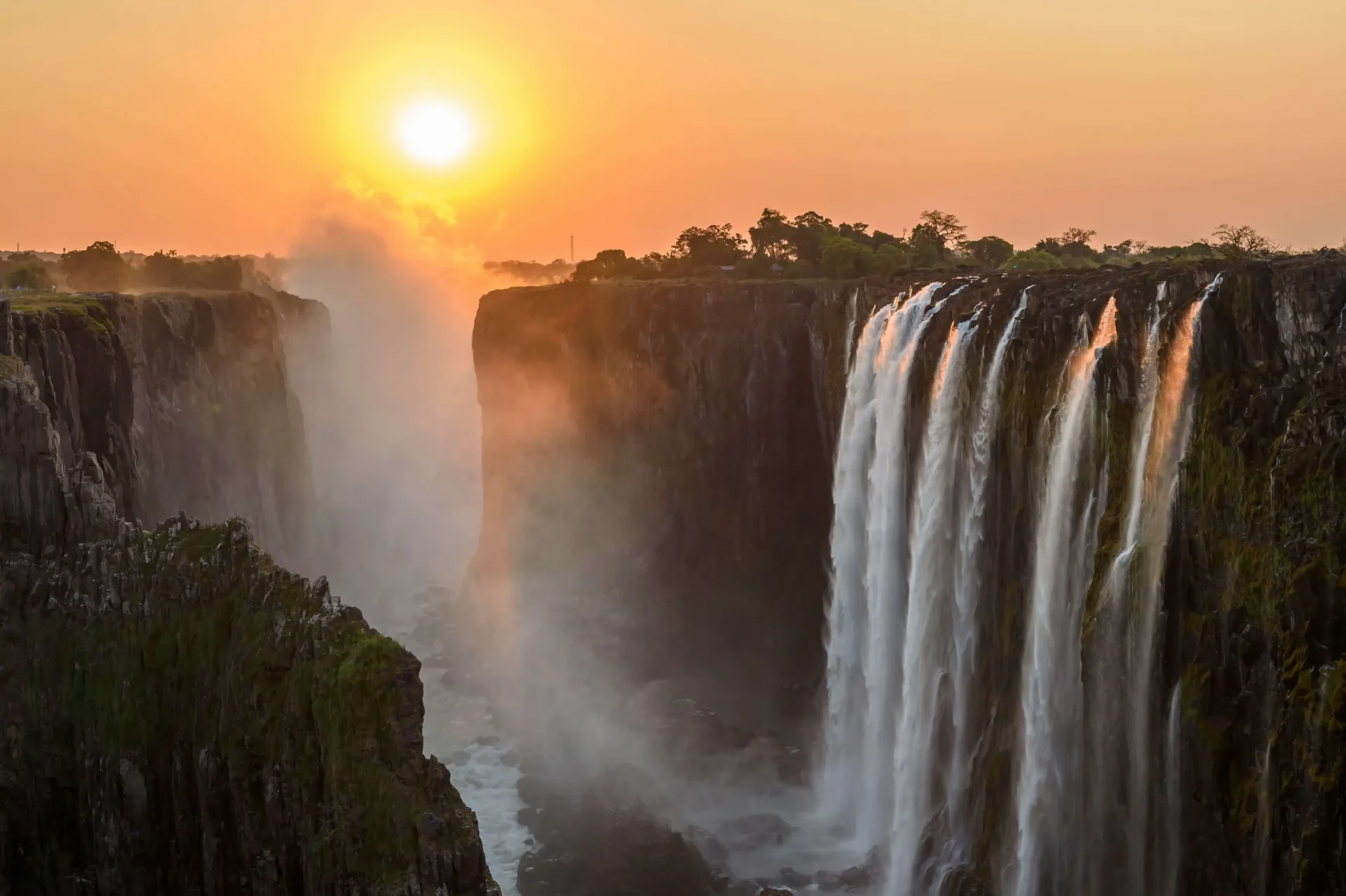
Victoria Falls Adventure: The Smoke that Thunders
Victoria Falls Adventure: The Smoke that Thunders
Zimbabwe
 Adventure
Customizable
Adventure
Customizable
Hwange & Mana Pools: A Great Zimbabwe Safari
Hwange & Mana Pools: A Great Zimbabwe Safari
Zimbabwe