9 Days • 8 Nights
Skeleton Coast & Damaraland: Wrecks, Seals & Desert Elephants
Tour Includes
About the Trip
Trip Highlights
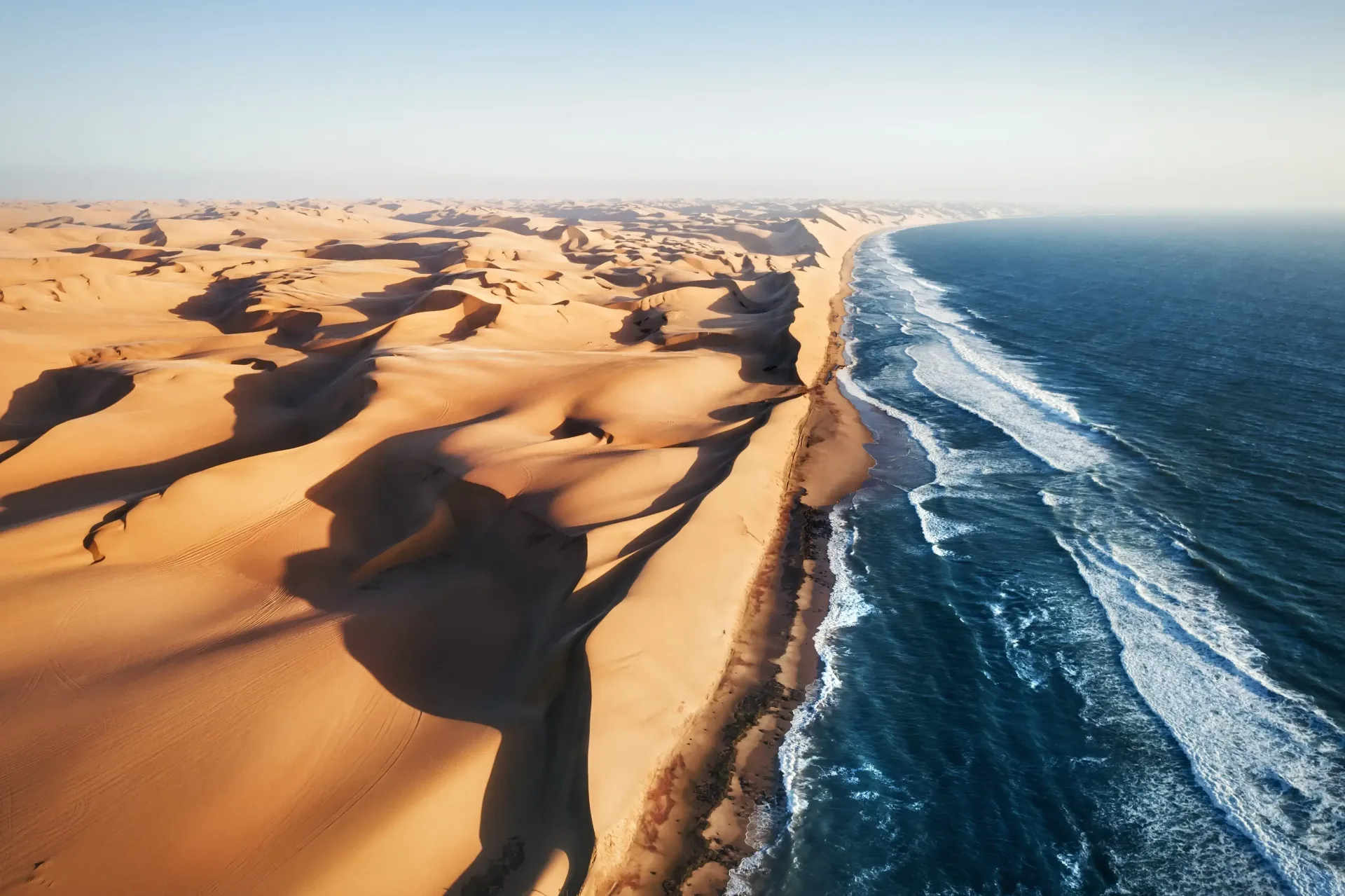
- The eerie Skeleton Coast, with its shipwrecks and fog-bound shores, is a hauntingly beautiful highlight of this journey. Named for the whale and seal bones that once littered it, and for the ships it has claimed, the Skeleton Coast is one of the most desolate and atmospheric coastlines on Earth, where the dunes of the Namib run straight into the cold, wild Atlantic and a ghostly fog often shrouds the shore. You travel this lonely coast past the rusting, salt-caked skeletons of wrecked ships half-buried in the sand, along endless empty beaches strewn with driftwood and bleached bones, beneath vast grey skies.
- The great Cape fur seal colony at Cape Cross is an astonishing wildlife highlight of this journey. On the Skeleton Coast, the reserve at Cape Cross is home to one of the largest breeding colonies of Cape fur seals in the world, where up to a hundred thousand seals crowd the rocky shore and beaches in a heaving, noisy, pungent mass. From the boardwalk you watch this extraordinary spectacle at close range, pups suckling and calling, bulls fighting for territory, and seals surging in and out of the surf, while jackals and brown hyenas patrol the fringes.
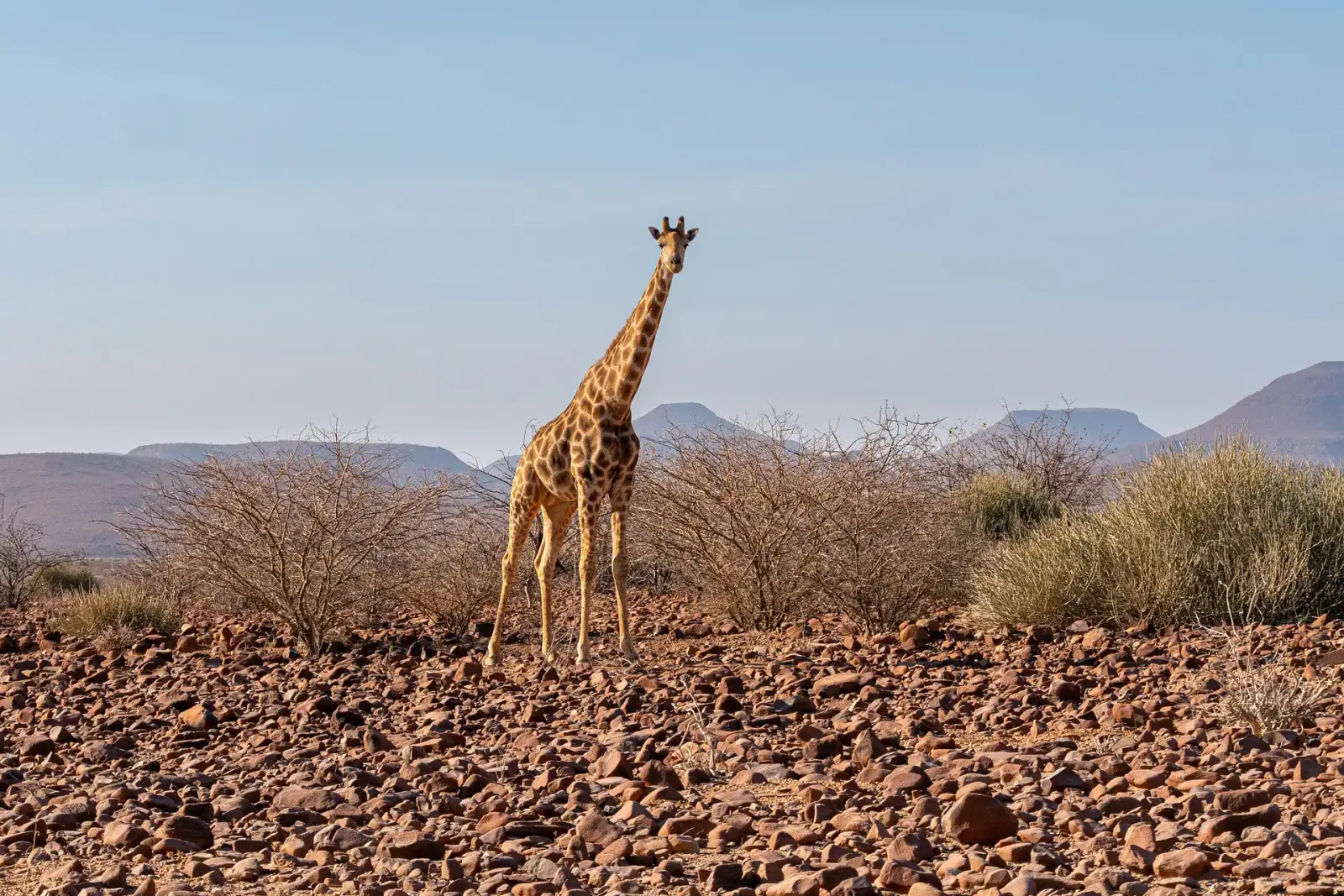
- Tracking desert-adapted elephants along the dry riverbeds of Damaraland is a thrilling wildlife highlight. Damaraland is one of the few places on Earth where elephants have adapted to survive in near-desert conditions, roaming the ephemeral riverbeds of the northwest and travelling huge distances between scarce water and food. Setting out with an expert guide to track these remarkable animals across the stark, boulder-strewn landscape is a genuine adventure, following their tracks and dung along the sandy river courses lined with tall ana trees, until you find a small breeding herd feeding or moving through the wilderness.
- The ancient rock art of Twyfelfontein, a UNESCO World Heritage Site, is a fascinating cultural highlight. Set among red sandstone slabs in a dramatic valley, Twyfelfontein holds one of the largest concentrations of rock engravings in Africa, thousands of images of elephant, rhino, giraffe, lion and antelope, along with human and animal footprints and mysterious symbols, chipped into the rock by hunter-gatherer peoples over many thousands of years. Walking among these ancient galleries with a local guide, who interprets the famous 'Lion Man' and other panels, connects you profoundly with the deep human history of this land and the beliefs of its earliest inhabitants.
- The ancient, elemental landscapes of Damaraland, red mountains, boulders and granite peaks, are a spectacular highlight. Damaraland is one of the most geologically ancient and visually dramatic regions in Namibia, a vast, thinly peopled wilderness of rust-red mountains, open gravel plains scattered with balancing boulders, dry riverbeds lined with tall trees, and extraordinary rock formations. You take in the towering granite dome of Spitzkoppe, the 'Matterhorn of Namibia', glowing crimson at sunrise and sunset above the plains, the strange Organ Pipes and Burnt Mountain, and the endless textures of a land stripped to rock, sand and sky.
- Above all, this journey ventures deep into the wild, remote northwest, a raw and unforgettable adventure. Over nine days you travel through some of the most elemental country in Namibia, from the fog-bound, shipwreck-strewn Skeleton Coast and the vast seal colony at Cape Cross to the desert elephants, ancient rock art and towering granite peaks of Damaraland. This is Namibia at its wildest and most atmospheric, where wildlife and people survive against the odds in a landscape of extraordinary beauty and desolation, far from the crowds. Whether self-driving with detailed route notes or travelling with a private guide.
Day by Day
A detailed day-by-day plan for this 9-day journey.
Your adventure into Namibia's wild northwest begins on the coast at Swakopmund, reached by road transfer or a short scenic flight from Windhoek, or directly if you are already on the coast. You are met and settle into your hotel in this charming, quirky German colonial seaside town, where the Namib meets the cold Atlantic. Spend the rest of the day exploring at leisure, strolling the palm-lined streets, the long jetty over the grey ocean and the beachfront, and browsing the shops, galleries and museum. Swakopmund's cool sea air, pastel architecture and excellent cafes and bakeries make it a delightful place to begin. This evening, enjoy fresh Atlantic seafood in one of the town's fine restaurants as you prepare for the wild journey ahead. Rest well, for tomorrow you enjoy the adventure and atmosphere of the coast before turning north up the eerie Skeleton Coast.
Today you enjoy Swakopmund and its dramatic surroundings, where dunes, desert and ocean meet. Adventure lovers can go quad biking or sandboarding on the towering dunes just outside town, or take a scenic light-aircraft flight over the Skeleton Coast for an unforgettable aerial view of shipwrecks, seal colonies and the desert meeting the sea. For a gentler day, cruise from nearby Walvis Bay among pelicans, flamingos, Cape fur seals and dolphins, often with oysters and sparkling wine on deck, or join a living-desert tour revealing the hidden life of the dunes, chameleons, geckos and sidewinder snakes. Back in town, relax in the cafes and explore the museum and aquarium. This is your chance to enjoy the coast's comforts and thrills before heading into the remote wilderness. This evening, savour another fine seafood dinner. Rest well, for tomorrow you head north up the wild Skeleton Coast.
Today you leave town and head north up the eerie, fog-bound Skeleton Coast, one of the most desolate and atmospheric coastlines on Earth. You travel along the edge of the cold Atlantic, where the dunes of the Namib run straight into the wild sea beneath vast grey skies, past salt works, lonely beaches strewn with driftwood and bleached bones, and the rusting skeletons of wrecked ships half-buried in the sand. You visit the great Cape fur seal colony at Cape Cross, where up to a hundred thousand seals crowd the shore in a heaving, noisy, pungent mass, an overwhelming wildlife spectacle. The sense of isolation and raw natural power is profound. You continue to your remote lodge or camp near the coast or the desert edge, settling in as the fog and light shift dramatically. This evening, dine amid the wild silence. Rest well on the edge of the Skeleton Coast.
Today you turn inland from the wild coast into the ancient wilderness of Damaraland, watching the landscape transform from fog-bound shore to sun-baked red mountains and open plains. The drive is spectacular and remote, crossing gravel flats scattered with welwitschia plants and balancing boulders, with distant blue ranges and enormous skies, and almost no other travellers. As you move inland the temperature rises and the light sharpens, and the country becomes vast, elemental and rust-red. You arrive in the afternoon at your lodge in Damaraland, beautifully set among the rocks and dry river valleys, and settle in as the low sun turns the mountains crimson. Perhaps take a short guided nature drive or sundowner walk before dinner, watching for oryx and springbok among the boulders. As night falls, the silence and star-filled sky are extraordinary. Rest well amid the ancient beauty of Damaraland.
Today is devoted to the remarkable desert-adapted wildlife of Damaraland. You set out early with an expert guide to track the region's famous desert elephants, driving along the ephemeral riverbeds lined with tall ana trees, following tracks and signs across the stark, boulder-strewn landscape until you find a small breeding herd feeding or moving through the wilderness, a thrilling and moving encounter with animals that survive against the odds in near-desert conditions. Along the way you may also see desert giraffe, oryx, springbok, kudu and, with great luck, the elusive desert black rhino. Your guide explains how these animals have adapted to the harsh environment and how community conservancies protect them while supporting local people. You return to your lodge in the heat of the day to rest, then enjoy a sundowner as the mountains glow crimson. This evening, dine beneath a blaze of stars. Rest well amid the wild beauty of Damaraland.
Today you explore the ancient wonders and strange geology of Damaraland. You visit Twyfelfontein, a UNESCO World Heritage Site, where you walk with a local guide among thousands of rock engravings of elephant, rhino, giraffe, lion and antelope, along with mysterious symbols and footprints, chipped into the red sandstone by hunter-gatherer peoples over many thousands of years; the guide interprets the famous panels and the beliefs of the land's earliest inhabitants, connecting you profoundly with its deep human history. Nearby you explore the Organ Pipes, a striking mass of angular basalt columns in a gorge, and the scorched-looking Burnt Mountain, and you may visit the Petrified Forest, where ancient tree trunks have turned to stone. The sense of deep time is extraordinary. You return to your lodge for a sundowner as the light turns golden. This evening, dine under the stars. Rest well amid the ancient beauty of Damaraland.
Today you travel south to the dramatic granite peaks of Spitzkoppe, one of the most striking landmarks in Namibia. The drive crosses open plains and gravel flats beneath enormous skies, and as you approach, the towering granite dome and jagged peaks of Spitzkoppe, often called the 'Matterhorn of Namibia', rise abruptly from the desert floor, glowing crimson in the changing light. You arrive at your lodge or camp among the boulders and settle in, then explore this magical landscape of smooth granite domes, balancing rocks and hidden arches. You can take a guided walk to see ancient San rock paintings tucked among the rocks, scramble to the famous rock arch, and find a perfect vantage for sunset as the granite blazes orange and red. As darkness falls, the stars blaze over the peaks in one of Namibia's great dark-sky settings. This evening, dine amid the boulders. Rest well beneath the granite towers of Spitzkoppe.
This morning you may take an early walk among the granite domes to catch the sunrise light on the rocks, then set off south and east towards Windhoek, leaving the wild northwest behind. The long, scenic drive crosses open desert and climbs onto the central plateau, the landscape softening into golden grasslands, cattle country and distant blue hills, a chance to reflect on the elemental country you have explored. You arrive in the capital in the afternoon and settle into your hotel, with time to relax after the journey and perhaps shop for Namibian crafts, gemstones and souvenirs. This evening, celebrate your wild adventure over a fine dinner in Windhoek, savouring the flavours of Namibia and the memories of the coast, the desert elephants and the ancient rock art. Rest well ahead of your departure tomorrow, carrying vivid images of one of Africa's last great wildernesses.
After a final leisurely breakfast, you are transferred to Hosea Kutako International Airport for your onward international departure. You leave having ventured deep into the wild, remote northwest of Namibia, the fog-bound, shipwreck-strewn Skeleton Coast and the vast seal colony at Cape Cross, the desert-adapted elephants and ancient rock art of Damaraland, and the towering granite peaks of Spitzkoppe. The images stay vivid long after you land, the rusting wrecks half-buried in the sand, the heaving mass of seals at Cape Cross, elephants moving through a dry riverbed beneath red mountains, and the ancient engravings of Twyfelfontein glowing in the sun. This is Namibia at its wildest, most atmospheric and most elemental, far from the crowds, and you depart already dreaming of a return to the vast silences of this extraordinary land. Few journeys feel so raw, remote and profoundly rewarding as this adventure through the ancient heart of Namibia.
Where You Will Travel
What's inside the package?
Inclusions
- 8 nights accommodation, daily breakfast plus dinners at the remote lodges as specified
- Transport throughout as per itinerary (4x4 vehicle hire for self-drive journeys, or scheduled light-aircraft flights and road transfers for fly-in journeys, as specified)
- Sightseeing, game drives, nature walks and activities with expert local guides as per itinerary
- Park entrance, reserve and conservation fees as per itinerary
- Detailed route notes, maps and 24/7 back-up support where self-driving, or professional guiding where stated
- transport as specified (self-drive 4x4 or private guide-driver), pre-booked lodges and camps, a Cape Cross seal colony visit, a Skeleton Coast excursion, a desert-elephant tracking activity, a Twyfelfontein rock-art guided walk, a Spitzkoppe visit, all park and conservancy fees, and route notes or professional guiding
Exclusions
- International airfare
- Visa or tourist card fees where applicable
- Travel insurance (strongly recommended)
- Fuel and optional scenic flights
- Some lunches and dinners not specified, and tips for guides and staff
- Meals not mentioned in the itinerary or inclusions
- Drinks unless specifically stated
- Optional excursions and experiences
- Personal expenses and gratuities
- Anything not specifically mentioned under Package Inclusions
Know when to go.
- Visa & entry: Many nationalities (including UK, EU, US, Canada, Australia and many others) enjoy visa-free entry to Namibia for tourism for up to 90 days, while others need a visa arranged in advance; a passport valid for at least six months with several blank pages is required. Requirements can change, so we confirm the exact process for your nationality before you travel
- Currency: The currency is the Namibian Dollar (NAD), pegged one-to-one with the South African Rand (ZAR), which is also accepted everywhere; cards are widely accepted in Windhoek, Swakopmund and lodges, but carry cash in small notes for fuel, tips, curios and remote areas where card machines or signal may be unavailable. ATMs are found in towns
- Best time to visit: The dry winter months (May to October) are prime for wildlife, as animals gather at waterholes in Etosha and the bush thins out, with cold mornings and warm days; the desert regions of Sossusvlei and the Namib are spectacular year-round. The green summer season (November to April) brings lush scenery, newborn animals, superb birdlife and dramatic skies with some afternoon rain
- Language & etiquette: English is the official language and widely spoken, alongside Afrikaans, German and many indigenous languages such as Oshiwambo, Damara-Nama and Herero; Namibians are relaxed, friendly and courteous. Tipping guides, lodge staff and fuel attendants is customary, and always ask permission before photographing people, especially in Himba and other traditional communities
- Getting around: Namibia is vast and superb for self-drive, but distances are long and most roads outside the main routes are gravel, so a sturdy 4x4, careful driving (reduced speeds, no night driving), a spare tyre and extra fuel and water are essential; driving is on the left. Fly-in safaris by light aircraft link remote camps quickly, with strict soft-sided luggage limits of around 20kg (44lb) per person
- Health & safety: The far north (Etosha, Caprivi/Zambezi, Kaokoland) is a seasonal malaria area, so consult your doctor about antimalarial medication and bring insect repellent; the desert and central regions are malaria-free. Namibia is generally very safe, but take normal precautions in towns; carry plenty of drinking water in the desert, use high-factor sunscreen, and follow guide and camp safety briefings around wildlife
- Culture & conservation: Namibia is a global conservation leader, the first country to write environmental protection into its constitution, with community conservancies that protect desert elephants, black rhino and other wildlife while supporting local people; visitor numbers are low and wilderness vast. Respect wildlife distances, take only photographs, follow leave-no-trace principles, and support community and conservation projects linked to lodges
- Power & packing: Power is 220-240V with South African-style type D and type M three-round-pin plugs (bring a universal adapter), and remote camps may run on solar with limited charging, so bring spare batteries. Pack neutral-coloured layers (warm layers for cold desert and winter mornings), a hat, sunglasses, high-factor sunscreen, lip balm, a scarf against dust, binoculars and a good camera
Frequently Asked Questions
How remote is this journey, and is it comfortable?
This is one of the more remote journeys in Namibia, travelling through thinly peopled wilderness far from towns, which is exactly its appeal. That said, you stay in comfortable, characterful lodges and camps with good food, hot showers and warm hospitality, so the remoteness comes without hardship. Distances between stops can be long and roads are gravel, so we plan sensible daily drives and provide detailed route notes and back-up (or a private guide). It suits travellers who love wild, empty landscapes, wildlife and adventure over resort comforts, and who enjoy the profound space and silence of true wilderness.
Are desert elephants and rhino guaranteed in Damaraland?
Damaraland's desert-adapted elephants are wild, free-ranging animals that cover huge distances, so sightings can never be guaranteed, but with a full day of guided tracking along the riverbeds the chances are good, and expert local guides know their movements well. Desert black rhino are far more elusive and are tracked separately by specialist conservancies; a dedicated rhino-tracking excursion can be arranged as an add-on in the right area for the best chance. Even without every sighting, the landscapes, rock art, giraffe, oryx and other wildlife make Damaraland deeply rewarding, and the desert elephants are a realistic and thrilling goal.
What meals are included?
It varies by package and property: safari lodges and fly-in camps are generally full-board with all meals (and often most drinks) included, while self-drive itineraries usually include daily breakfast plus dinners at the more remote lodges, leaving you free to try restaurants in Windhoek and Swakopmund. Namibian food is hearty and varied, from fresh Atlantic seafood and game meats to German-influenced bakeries and cafes; the exact meal plan is listed for each journey and dietary needs are easily catered for with notice.
Are the tours private or in a group?
Most journeys here are private and independent: on self-drive trips you have your own 4x4 and freedom to explore at your own pace, with pre-booked lodges, detailed route notes and 24/7 back-up, while on fly-in safaris you join small, shared game drives and activities at each camp with expert guides, and the camps themselves are small and intimate. Fully private guided vehicles, a private guide-driver throughout, and small-group departures can all be arranged; several packages can be run either self-drive or fully guided.
Do I need a visa for Namibia?
Many nationalities, including UK, EU, US, Canadian and Australian passport holders, enjoy visa-free tourist entry to Namibia for stays of up to 90 days, while some nationalities must arrange a visa in advance; note that some countries have introduced a visa-on-arrival fee, which we advise on. A passport valid for at least six months with several blank pages is required. We confirm the exact, current requirements for your nationality before you travel.
Is Namibia safe to visit?
Namibia is one of the safest, most stable and most welcoming countries in Africa, with low crime, a strong democracy and a long tradition of peace, and travel here (including self-drive) is smooth and rewarding. The main considerations are practical: long distances on gravel roads call for careful, unhurried driving and no night driving; the desert demands plenty of water and sun protection; and the far north is a seasonal malaria area. We advise on precautions and monitor conditions throughout.
When is the best time to visit?
The dry winter months (May to October) are prime for wildlife, as animals concentrate at Etosha's waterholes and the bush thins out, with September and October the most spectacular for big game; nights are cold but days warm and sunny. The green summer (November to April) brings lush landscapes, newborn animals, wonderful birdlife, dramatic skies and lower prices, with some afternoon rain. The desert dunes of Sossusvlei and the Namib are magnificent all year; we advise on timing for your interests.
Can the itinerary be customised?
Absolutely. Every Namibia journey here is a flexible starting point: we can adjust the balance of the Namib dunes, Swakopmund and the coast, Damaraland, Etosha, the Fish River Canyon and the south, and the Caprivi/Zambezi and Kaokoland in the far reaches; switch between self-drive and fly-in; raise or lower the level of luxury; add or drop nights; and extend to Victoria Falls, Botswana or a beach in Cape Town. We tailor the pace, comfort, budget and focus entirely to you.
More Adventure Journeys
 Adventure
Customizable
Adventure
Customizable
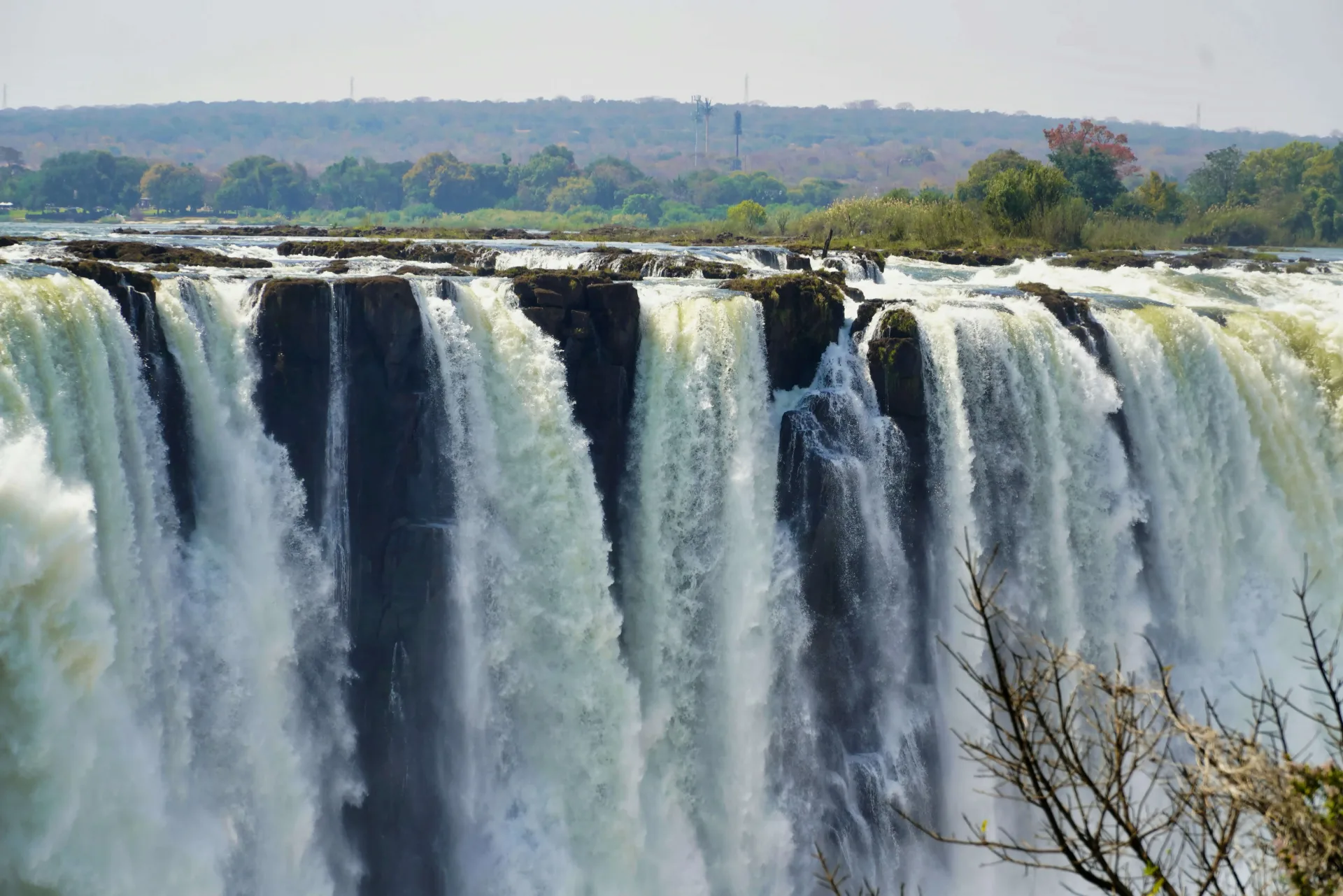
Highlights of Zimbabwe: Victoria Falls & Hwange
Highlights of Zimbabwe: Victoria Falls & Hwange
Zimbabwe
 Adventure
Customizable
Adventure
Customizable
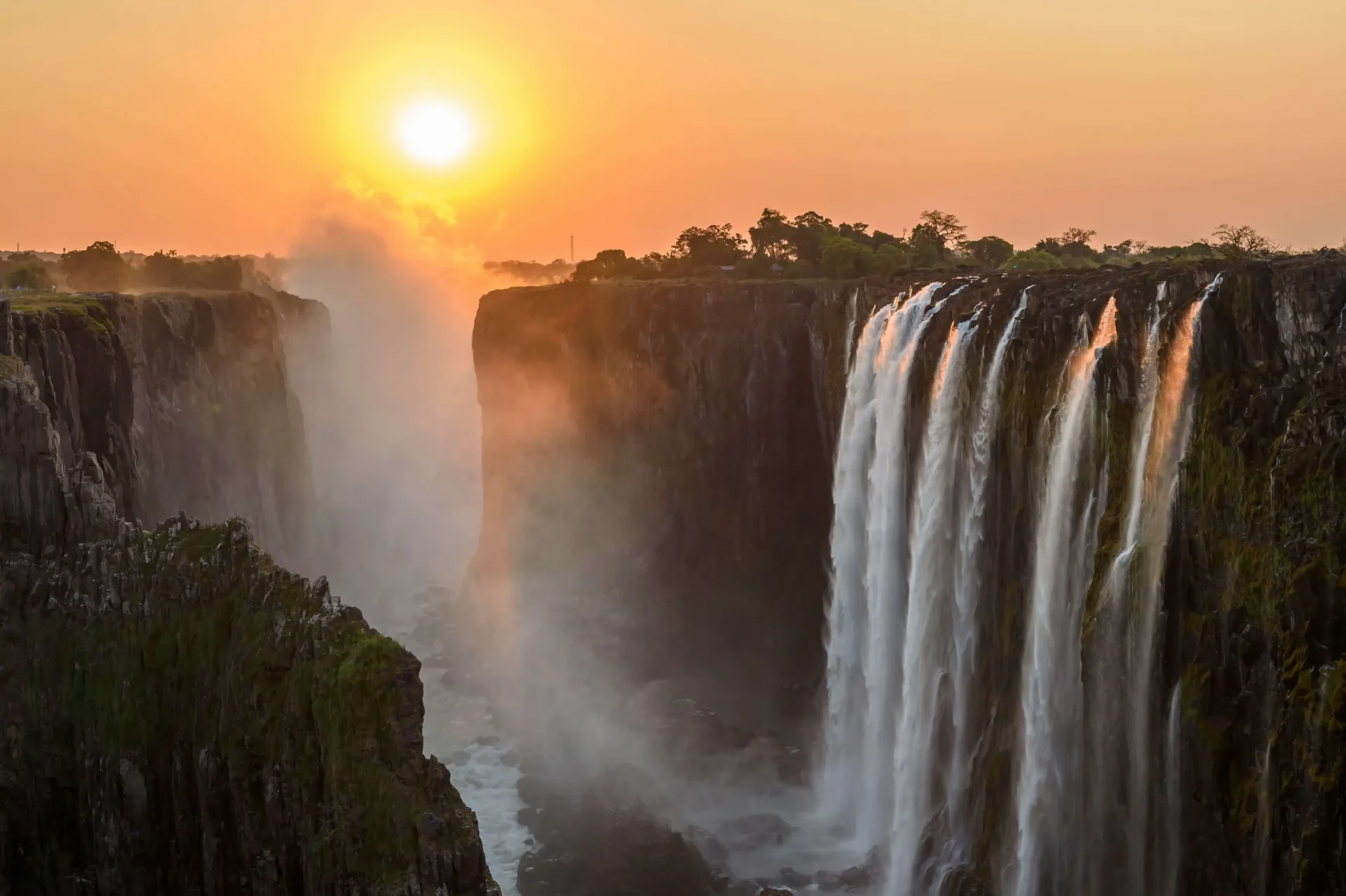
Victoria Falls Adventure: The Smoke that Thunders
Victoria Falls Adventure: The Smoke that Thunders
Zimbabwe
 Adventure
Customizable
Adventure
Customizable
Hwange & Mana Pools: A Great Zimbabwe Safari
Hwange & Mana Pools: A Great Zimbabwe Safari
Zimbabwe