
10 Days • 9 Nights
Tsingy & Baobabs: The Western Circuit
Tour Includes
About the Trip
Trip Highlights

- The Tsingy de Bemaraha, a stone forest of razor-sharp pinnacles, is the extraordinary centrepiece of this journey. This UNESCO World Heritage Site is one of the strangest landscapes on Earth, a vast massif of limestone eroded over millennia into a dense forest of grey needles, blades and pinnacles so sharp that the Malagasy name means the place where one cannot walk barefoot. With a specialist guide you clip into fixed cables and harnesses to climb, scramble through narrow canyons, edge along ledges and cross vertiginous rope bridges suspended above the abyss, emerging onto a summit of jagged spires stretching to the horizon.
- Sunset at the Avenue of the Baobabs is a magical, iconic highlight of this journey. Just outside Morondava stands the most famous sight in all Madagascar, a dirt road lined by a majestic avenue of giant baobabs, their vast, smooth trunks soaring bare into the sky before bursting into a small crown of branches. These extraordinary trees, some perhaps eight hundred years old, are survivors of forests that once covered the region, and at sunset they become pure magic, their silhouettes turning black and then gold against a sky ablaze with colour, while zebu carts and villagers pass along the track below.
- Kirindy Forest, home to the fossa, offers thrilling wildlife encounters, a fascinating highlight. Kirindy is a rare surviving patch of western dry deciduous forest, and it is one of the best places in Madagascar to see the fossa, the island's largest predator, a sleek, cat-like, russet-brown carnivore found nowhere else that hunts lemurs through the trees. Especially around the ranger camp, fossa are sometimes seen at close range. The forest also shelters Verreaux's sifaka that dance across the ground, red-fronted brown lemurs, and, on magical night walks, the tiny giant jumping rat, mouse lemurs and pale fork-marked lemurs revealed by torchlight.
- The adventurous overland journey, crossing rivers by ferry, is a highlight in itself. Reaching the Tsingy is half the adventure, a rugged expedition into a remote corner of Madagascar few travellers see. You travel by sturdy 4x4 along rough, dusty tracks through baobab-studded country and Sakalava villages, crossing wide, sluggish rivers on simple wooden car ferries, watching pirogues drift past and daily life unfold along the banks. The going is slow and bumpy, but every kilometre feels earned, and the landscapes, baobabs, dry forest and river crossings, are unforgettable. We travel with reliable vehicles and pace the journey realistically.
- The baobab country and Sakalava culture of the west add depth and beauty to this journey. The west is baobab country, and beyond the famous Avenue you encounter these extraordinary trees again and again, including the sacred, twisted pair of the Baobab Amoureux, said to be lovers entwined, and vast solitary giants standing sentinel over the plains. This is the land of the Sakalava and Vezo peoples, and you pass fishing villages, zebu carts and lively markets, glimpsing a way of life shaped by the dry forest, the rivers and the sea. Sunsets here are enormous and unforgettable.
- Above all, this journey offers Madagascar at its wildest, most surreal and most adventurous. In ten days you fly to the coastal west and travel deep into a land of giant baobabs, dry forest and brown rivers to reach the razor-sharp stone forest of the Tsingy de Bemaraha, a UNESCO wonder unlike anywhere on Earth. You clip into cables to climb its pinnacles, search for the fossa and nocturnal lemurs in Kirindy, cross rivers by ferry, and stand beneath the towering baobabs of the famous Avenue at sunset. Rugged, remote and endlessly surprising, it is the island at its most raw and spectacular.
Day by Day
A detailed day-by-day plan for this 10-day journey.
Your western adventure begins as your flight lands at Antananarivo's Ivato International Airport, where you are met and transferred to your hotel in the capital, known as Tana. Sprawling across a dozen steep hills, Tana is a striking tumble of tall brick houses, staircases and busy markets, with a highland character all its own. Spend the rest of the day settling in and relaxing after your journey. This evening a welcome dinner introduces you to fresh Malagasy cuisine and to the rugged adventure ahead in the wild west, and your guide explains the road to the Tsingy, the baobabs and the wildlife to come, along with the realistic pacing needed for the region's demanding tracks. As you settle in, the anticipation builds for one of the most adventurous corners of the island. Rest well, ready to explore the capital tomorrow before flying west.
Today you explore Antananarivo before heading west. You wind up through the old upper town to the royal hill, taking in the great Rova palace and sweeping views over a city that spills across a dozen hills above a patchwork of rice paddies. You wander lively markets fragrant with vanilla and spices, browse Malagasy handicrafts, and perhaps visit a private lemur or reptile reserve on the city fringe for a first introduction to the island's extraordinary wildlife. Your guide brings the city's layered history vividly to life, from the Merina kingdom to the present day, and helps you prepare for the remote journey ahead, when comforts will be simpler and the landscapes wilder. As the day ends, you return to your hotel with a feel for highland Malagasy culture. This evening, enjoy dinner in the capital. Rest well, for tomorrow you fly west to the baobab country of Morondava.
Today you fly west from the highlands to the coastal town of Morondava, gateway to the wild west and baobab country. On arrival the climate is hot and the pace slow, a world away from the cool highlands, with sandy streets, a fishing harbour and the culture of the Sakalava and Vezo peoples. You settle into your hotel and, in the late afternoon, drive out to the world-famous Avenue of the Baobabs just outside town. As the sun sinks, the towering baobabs, some perhaps eight centuries old, turn to black-and-gold silhouettes against a sky ablaze with colour, while zebu carts and villagers pass along the dirt track, a scene of pure magic and one of the most iconic sights in all Africa. As the day ends, you return to Morondava under enormous skies. Rest well, for tomorrow you explore the forest of Kirindy.
Today you explore the wild dry forest of Kirindy, one of Madagascar's most rewarding and unusual reserves, reached by 4x4 along a rough track north of Morondava. Kirindy protects a rare surviving expanse of western deciduous forest, and it is the best place in the country to see the fossa, the island's largest predator, a sleek, cat-like russet carnivore that hunts lemurs through the trees and is sometimes seen near the ranger camp. On guided walks you also look for Verreaux's sifaka dancing across the ground, red-fronted brown lemurs, chameleons and unique birds. If you stay into the evening, a magical night walk reveals the tiny giant jumping rat, mouse lemurs and pale fork-marked lemurs by torchlight. As the day ends, you return to Morondava, thrilled by the forest's wildlife. Rest well, for tomorrow the rugged expedition to the Tsingy begins.
Today begins the rugged overland expedition north to the Tsingy de Bemaraha, an adventure in itself. You set off early by 4x4 along rough, dusty tracks that wind through baobab-studded country, dry forest and Sakalava villages, with the landscape growing wilder as you go. Twice you cross wide, sluggish brown rivers on simple wooden car ferries, watching pirogues drift past and daily life unfold along the banks, an experience that feels like travelling back in time. The going is slow and bumpy, and the day is long, but every kilometre is part of the adventure, and there are stops for photographs, baobabs and refreshment. By late afternoon you reach the remote village of Bekopaka, gateway to the Tsingy, and settle into your lodge. As the day ends, you rest in this far-flung outpost. Sleep well, for tomorrow you enter the extraordinary stone forest.
Today you explore the extraordinary Tsingy de Bemaraha, a UNESCO World Heritage Site and one of the strangest landscapes on Earth. With a specialist guide you set out to the Grand Tsingy, a vast massif of limestone eroded over millennia into a dense forest of razor-sharp grey needles, blades and pinnacles. Fitted with a harness, you clip into fixed cables to climb through narrow canyons, squeeze between towering walls, edge along ledges and cross vertiginous rope bridges suspended high above the stone, emerging onto summit viewpoints where jagged spires stretch to the horizon. Hidden among the pinnacles live lemurs, birds, chameleons and unique plants adapted to this harsh, beautiful world. The scrambling is exhilarating and unforgettable, and your guide ensures your safety throughout. As the day ends, you return to Bekopaka, elated by the day's adventure. Rest well, for tomorrow you begin the journey back to the coast.
Today you retrace the rugged route back south towards Morondava, with time to savour the wild western landscapes once more. You may pause at the Petit Tsingy near Bekopaka for a gentler walk among the limestone, or explore a stretch of river by pirogue before setting off. Once again you bounce along the dusty tracks through baobab country and dry forest, crossing the rivers by ferry and passing Sakalava villages, zebu carts and lively roadside markets. There are stops for photographs and refreshment, and the enormous skies and endless baobabs make even the return drive a pleasure. By late afternoon you reach Morondava and settle back into your hotel by the sea. As the day ends, you relax after the adventurous expedition, perhaps with a fresh seafood dinner. Rest well, for tomorrow you enjoy the baobabs and coast around Morondava at a gentler pace.
Today you enjoy the baobab country and coast around Morondava at a relaxed pace after the rigours of the Tsingy road. You may drive out to see more of the region's extraordinary baobabs, including the famous Baobab Amoureux, two ancient trees twisted together like entwined lovers and steeped in local legend, and return once more to the Avenue of the Baobabs to photograph it in the softer morning light. You can visit a Vezo or Sakalava fishing village to glimpse coastal life, browse the market in Morondava, or simply relax by the sea and watch the pirogues sail by. As the sun sets, you may take a final farewell of the great baobabs against the blazing sky. As the day ends, you savour your last evening in the wild west, reflecting on the adventure. Rest well, for tomorrow you fly back to the capital.
After a final morning in Morondava, perhaps a last stroll on the beach or through the market, you transfer to the airport for your domestic flight back to Antananarivo. Leaving the hot, slow-paced west behind, you return to the cool highland capital, where you are met and transferred to your hotel. The afternoon is yours to relax, reflect on your western adventure and perhaps shop for Malagasy crafts, vanilla and spices, or explore a little more of Tana's markets and viewpoints. Your guide can recommend a fine restaurant for a memorable final dinner in the capital, where you can toast the extraordinary journey through the Tsingy, Kirindy and the baobabs. As the day ends, you gather your impressions of Madagascar's wild west. Rest well, for tomorrow you begin your journey home from this remarkable island.
After a final morning in Antananarivo, perhaps some last souvenir shopping, you are transferred to Ivato International Airport for your onward international departure. You leave having ventured deep into Madagascar's wild west, clipping into cables to climb the razor-sharp pinnacles of the Tsingy de Bemaraha, a UNESCO wonder unlike anywhere on Earth, searching for the fossa and nocturnal lemurs in the dry forest of Kirindy, crossing brown rivers by ferry, and standing beneath the towering baobabs of the famous Avenue at sunset. The images stay vivid long after you land, the stone forest of grey needles, the fossa slipping through the trees, and the great baobabs blazing against the sky. Madagascar's west offers adventure and landscapes found nowhere else on Earth, and you depart already dreaming of a return to this raw, surreal and spectacular corner of the island.
Where You Will Travel
What's inside the package?
Inclusions
- 9 nights accommodation, a welcome dinner and half board on the remote Tsingy and Kirindy legs
- Daily breakfast
- Airport and land transfers with private driver-guides in comfortable 4x4 vehicles
- Touring, national park visits and guided nature walks as per itinerary with expert local guides
- National park entrance fees and mandatory local park guides as per itinerary
- , a domestic flight between Antananarivo and Morondava, private 4x4 touring with an expert driver-guide, river ferry crossings, a specialist harnessed guide in the Tsingy de Bemaraha, guided walks in Kirindy Forest, sunsets at the Avenue of the Baobabs, all park fees, and a farewell dinner
Exclusions
- International airfare
- Visa or tourist card fees where applicable
- Travel insurance (strongly recommended)
- Optional Kirindy night walk and additional excursions
- Tips for guides, drivers and ferry crews
- Meals not mentioned in the itinerary or inclusions
- Drinks unless specifically stated
- Optional excursions and experiences
- Personal expenses and gratuities
- Anything not specifically mentioned under Package Inclusions
Know when to go.
- Visa & entry: Most nationalities need a visa for Madagascar, which is issued on arrival at Antananarivo (Ivato) International Airport and at other entry points, or in advance as an eVisa online; short stays are typically straightforward and a passport valid for at least six months with blank pages is required. Requirements can change, so we confirm the exact current process for your nationality and help you prepare the paperwork before you travel
- Currency: The currency is the Malagasy Ariary (MGA), and it is largely a cash economy; carry enough cash for meals, tips, crafts, park guides and rural areas where cards are not accepted. Cards work in some hotels and larger establishments in Antananarivo and Nosy Be, and ATMs are found in cities and larger towns but are scarce in remote areas, so we advise drawing cash before long overland stretches
- Best time to visit: The dry season from April to November is the best and most popular time, with pleasant, sunny weather ideal for wildlife, parks and the RN7 road trip; October and November are superb for active lemurs and newborns. Humpback whales gather off Ile Sainte-Marie and the coast from July to September. The hot, wet season from December to March brings rain and a cyclone risk on the coasts, and some parks and roads can become difficult
- Language & etiquette: Malagasy is the national language and French is widely spoken, while English is growing in tourism; a few words of greeting are always welcomed. Malagasy culture is gentle, courteous and rich in tradition, with local customs known as fady (taboos) that vary from place to place; your guide explains them, and following their advice at sacred sites, tombs and villages is important and appreciated
- Getting around: Madagascar is a vast island with long, often rough and slow roads, so distances take far longer than the map suggests; touring is by private 4x4 with an expert driver-guide, and we build in realistic, comfortable pacing with scenic stops. Domestic flights link far-flung regions such as Nosy Be, Morondava and the south, saving long drives, and we arrange these where they make your journey smoother and more enjoyable
- Health & safety: Consult your doctor about recommended vaccinations and antimalarial medication, as malaria is present especially in coastal and lowland areas; bring insect repellent, sun protection and any personal medication, and drink bottled or purified water. Madagascar is generally welcoming and rewarding to travel in; we use trusted guides and drivers, advise sensible precautions in cities, and monitor conditions so your journey is smooth and safe
- Wildlife & nature: Madagascar is one of the world's great wildlife destinations, with over ninety percent of its species found nowhere else, from lemurs and chameleons to extraordinary plants; sightings are wild and never guaranteed, but our expert guides and well-chosen lodges give superb chances. Please keep a respectful distance, never feed animals, follow park rules, and bring binoculars, a torch for night walks, sturdy shoes and layers for cool highland and early mornings
- Power & practicalities: Power is 220V with European-style round two-pin plugs (types C and E), so bring an adapter, and note that electricity in remote lodges may run on generators or solar with limited hours; a torch and power bank are useful. Internet and phone coverage are good in cities but patchy in the wilds. Pack light, breathable clothing, a warm layer, a rain layer, and modest attire for towns and villages
Frequently Asked Questions
How tough is the journey to the Tsingy de Bemaraha?
It is genuinely adventurous. The route from Morondava to Bekopaka is a long, dusty, bumpy 4x4 drive of many hours with two river ferry crossings, and accommodation in the remote west is comfortable but simpler than in the highlands. Exploring the Tsingy itself involves scrambling, climbing fixed cables in a harness and crossing rope bridges, so a reasonable level of fitness and a head for heights help. We use reliable vehicles, expert guides and realistic pacing, and the rewards are extraordinary.
When can the western circuit be done?
The Tsingy circuit runs in the dry season, roughly April to November, when the tracks and river crossings are passable. During the rains from December to March the roads to Bemaraha become impassable and the park effectively closes, so this journey cannot run then. The Avenue of the Baobabs and Kirindy can be visited more widely, but for the full western circuit we plan your travel within the dry season, with the shoulder months especially pleasant.
What meals are included?
Daily breakfast is included, along with any meals named in the itinerary, which typically means dinners and some lunches at remote lodges and in the national parks where few other options exist. Malagasy cuisine is fresh and flavourful, built around rice, zebu beef, seafood on the coast, tropical fruit and fragrant vanilla, and we usually leave other meals free so you can sample local restaurants, recommending the best places at every stage of your journey.
Are the tours private or in a group?
Your journey is private by default, with your own expert English-speaking driver-guide and comfortable 4x4 vehicle, giving you flexibility, depth and a pace tailored to you and to Madagascar's long, scenic roads; small-group and self-drive alternatives can be arranged if you prefer. In the national parks you are also accompanied by a mandatory local park guide whose sharp eyes and knowledge greatly enrich every walk and wildlife sighting.
Do I need a visa for Madagascar?
Most nationalities need a visa, which is issued on arrival at the airport or obtained in advance as an eVisa online; short tourist stays are typically straightforward. We confirm the exact, current requirements for your nationality, advise on the best option, and help you prepare the paperwork so entry is smooth. A passport valid for at least six months with blank pages is required.
Is Madagascar safe to visit?
Madagascar is generally a welcoming and rewarding country to travel in, and the vast majority of visits are trouble-free. We use trusted local guides and drivers, choose well-run lodges, advise sensible precautions in Antananarivo and other cities, and continuously monitor conditions and official guidance. The greatest challenges are practical, long rough roads and remoteness, which we plan around with realistic pacing, reliable vehicles and, where helpful, domestic flights.
When is the best time to visit?
The dry season from April to November is the best and most popular time, with pleasant, sunny weather ideal for wildlife, the parks and the RN7 road trip, while October and November are wonderful for active lemurs and their young. Humpback whales gather off Ile Sainte-Marie and the coast from July to September. We advise on the ideal timing for your chosen regions and interests, from rainforests and Tsingy to the beaches of Nosy Be.
Can the itinerary be customised?
Absolutely. We can adjust the balance of rainforests, the RN7 route, the western Tsingy and Baobabs, the southern deserts and the island beaches, add domestic flights to save long drives, include whale watching off Ile Sainte-Marie or the reserve at Berenty, extend your time on Nosy Be, and tailor the comfort, pace and focus to you. Every itinerary is a flexible starting point for your ideal journey through beautiful Madagascar.
More Adventure Journeys
 Adventure
Customizable
Adventure
Customizable
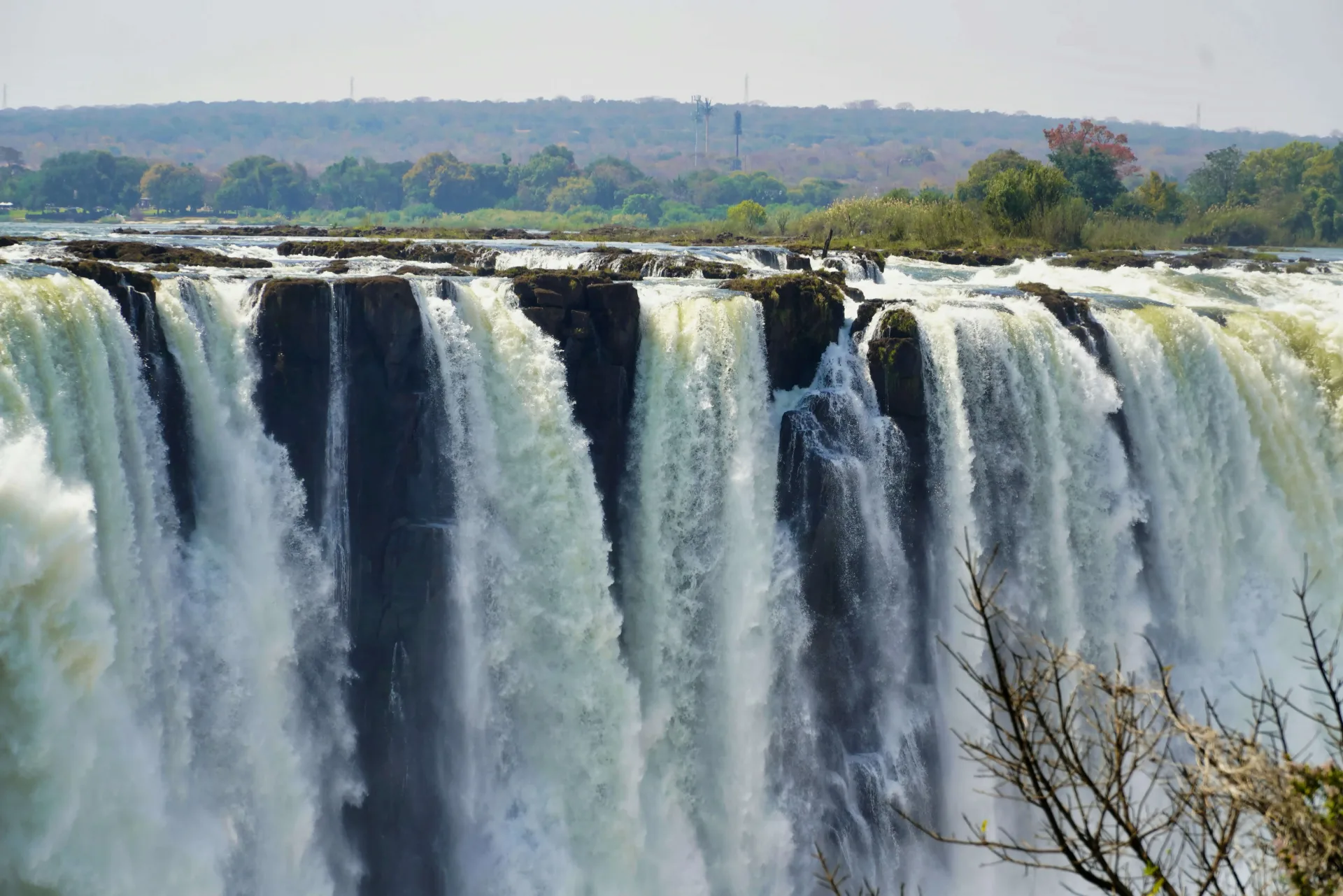
Highlights of Zimbabwe: Victoria Falls & Hwange
Highlights of Zimbabwe: Victoria Falls & Hwange
Zimbabwe
 Adventure
Customizable
Adventure
Customizable
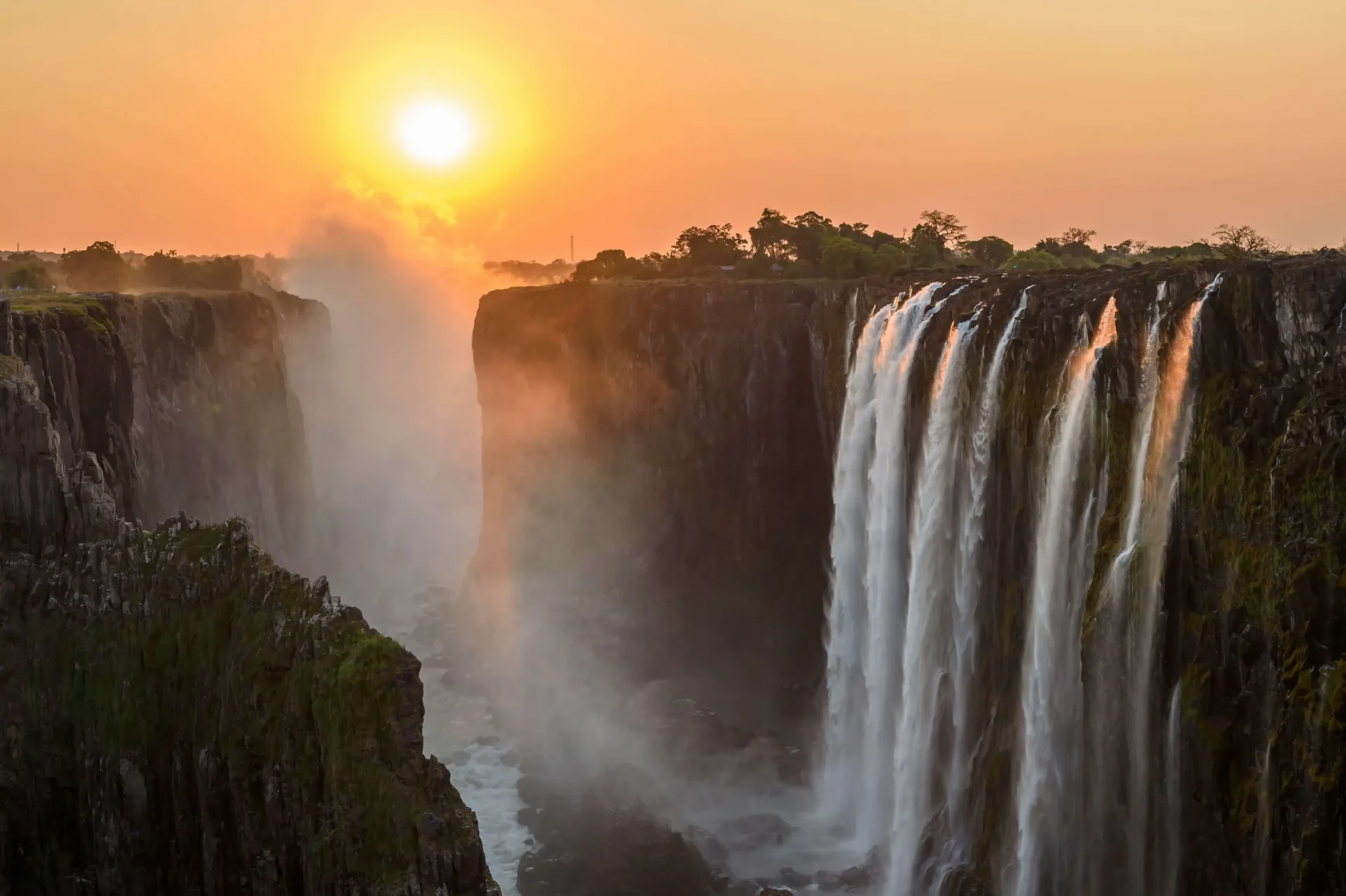
Victoria Falls Adventure: The Smoke that Thunders
Victoria Falls Adventure: The Smoke that Thunders
Zimbabwe
 Adventure
Customizable
Adventure
Customizable
Hwange & Mana Pools: A Great Zimbabwe Safari
Hwange & Mana Pools: A Great Zimbabwe Safari
Zimbabwe